
Why an ERV System Beats Opening Your Windows for Fresh Air in Center City
Philadelphia’s humid continental climate creates a unique challenge for Center City residents who want fresh air without the drawbacks of open windows. Energy Recovery Ventilators provide continuous fresh air exchange while maintaining indoor comfort and reducing energy costs compared to traditional ventilation methods. HVAC Philadelphia.
Philadelphia experiences average summer humidity levels of 65-70% with frequent heat waves pushing indoor temperatures above 85 degrees. Traditional window ventilation brings in not just air but also moisture pollen and urban pollutants. An ERV system exchanges stale indoor air with filtered outdoor air while transferring heat and moisture between the airstreams to maintain optimal indoor conditions.. Read more about Selecting the Right Ventilation System for Your Finished Basement in Abington.
PECO’s Smart Equipment Incentives program offers rebates up to $300 for qualifying ERV installations making this upgrade more affordable for Philadelphia homeowners. The system operates continuously removing VOCs cooking odors and excess humidity that accumulate in tightly sealed urban homes. PECO Smart Equipment Incentives.
Call (215) 610-9099 today to schedule your ERV consultation and learn how you can improve your Center City home’s air quality while reducing energy costs.
How Philadelphia’s Climate Makes ERVs Essential
Philadelphia’s location in the Delaware Valley creates specific air quality challenges for urban residents. The city’s combination of high summer humidity cold winters and dense building construction requires specialized ventilation solutions.
Summer humidity levels in Philadelphia regularly exceed 70% from June through September. This moisture combined with urban heat island effects creates indoor air quality issues that open windows cannot solve. ERVs remove excess humidity while filtering out pollen mold spores and particulate matter from vehicle exhaust.
Winter conditions present different challenges. Philadelphia experiences approximately 22 days per year below freezing with cold damp air that can make homes feel drafty when windows are opened. ERVs maintain indoor temperature while providing fresh air exchange preventing the stale air buildup common in tightly sealed row homes.
The Philadelphia Department of Public Health reports that urban air contains higher concentrations of fine particulate matter compared to suburban areas. ERV systems with MERV 13 filters remove 90% of these particles providing cleaner air than window ventilation. EPA Indoor Air Quality Guidelines.
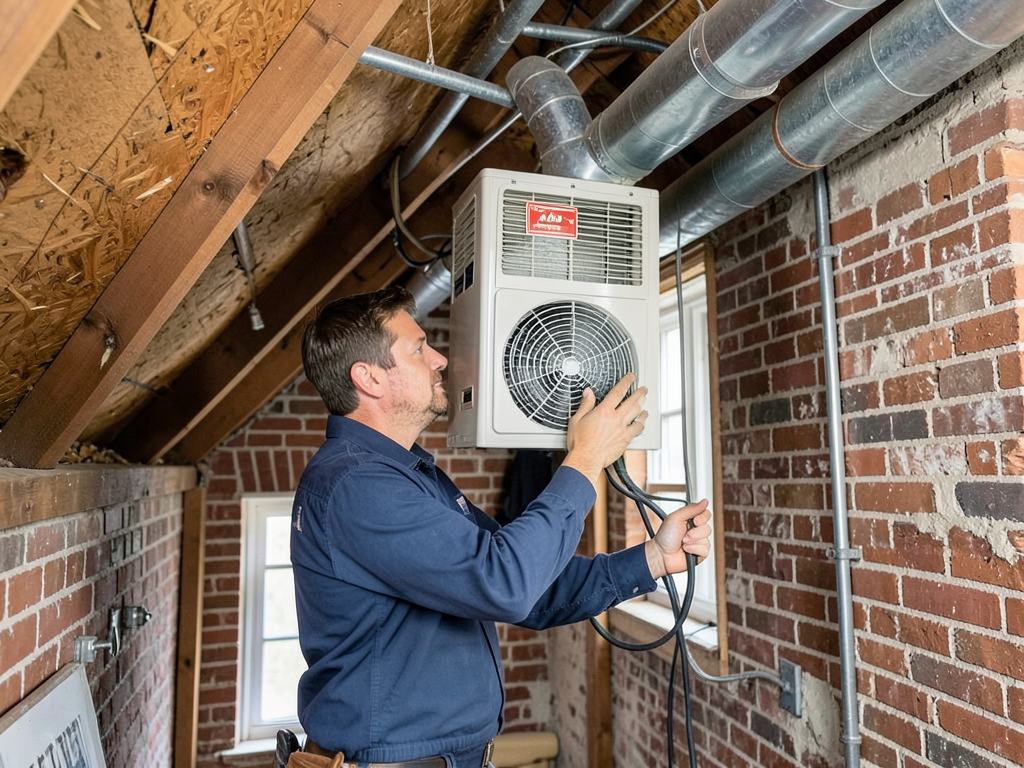
ERV vs HRV: Why Philadelphia Homes Need Energy Recovery
Heat Recovery Ventilators transfer only temperature between air streams while Energy Recovery Ventilators transfer both temperature and moisture. Philadelphia’s climate requires moisture transfer to maintain comfortable indoor humidity levels throughout the year.
Summer operation demonstrates the key difference. An HRV would cool incoming hot humid air using outgoing conditioned air but would not remove moisture. This leaves indoor humidity levels unchanged. An ERV transfers moisture from incoming air to outgoing air reducing the latent cooling load on your air conditioning system.
Winter operation reverses the process. Philadelphia’s cold dry winter air can drop indoor humidity below 20% causing static electricity dry skin and respiratory irritation. ERVs transfer moisture from outgoing humid air to incoming dry air maintaining healthier indoor humidity levels between 30-50%.
The latent heat transfer capability of ERVs typically provides 70-80% energy recovery compared to 50-60% for HRVs. This translates to annual energy savings of $150-300 for the average Philadelphia home depending on system size and usage patterns.
ASHRAE Standard 62.2 recommends 0.35 air changes per hour for residential ventilation. ERVs meet this requirement while recovering energy that would otherwise be lost through open windows or exhaust fans.
Indoor Air Quality Benefits for Center City Living
Philadelphia’s urban environment creates specific indoor air quality challenges that ERVs address effectively. The American Lung Association’s 2024 State of the Air report ranks Philadelphia County with a failing grade for ozone and particulate matter pollution.
ERV systems remove common urban pollutants including nitrogen dioxide from vehicle exhaust volatile organic compounds from building materials and fine particulate matter from industrial sources. The filtration system captures particles as small as 0.3 microns providing hospital-grade air cleaning.
Indoor humidity control prevents mold growth which thrives at humidity levels above 60%. Philadelphia’s climate makes this a year-round concern. ERVs maintain optimal humidity levels preventing the musty odors and health issues associated with mold growth. Weak Airflow from Vents.
Carbon dioxide buildup in tightly sealed homes can cause drowsiness headaches and reduced cognitive function. ERVs provide continuous fresh air exchange maintaining CO2 levels below 1000 parts per million compared to levels that can exceed 2000 ppm in sealed rooms.
The EPA recommends mechanical ventilation for homes with fuel-burning appliances to prevent backdrafting of combustion gases. ERVs provide this ventilation while recovering energy that would be lost through traditional exhaust fans.

Installation Considerations for Philadelphia Row Homes
Philadelphia’s historic row home architecture creates specific installation requirements for ERV systems. The narrow width of typical Philadelphia homes requires careful equipment sizing and placement to maximize efficiency without sacrificing living space.
Attic installations work well for many row homes allowing ductwork to run through existing ceiling cavities. This approach minimizes modifications to finished living spaces while providing access for maintenance. Basement installations suit homes with mechanical rooms offering easier filter changes and system monitoring.
Philadelphia’s building codes require permits for mechanical ventilation system modifications. The Philadelphia Department of Licenses and Inspections mandates that ERV installations comply with International Residential Code Chapter 15 ventilation requirements and include proper make-up air provisions.
Historic district homes in areas like Society Hill and Old City may require additional approvals from the Philadelphia Historical Commission. ERV installations in these properties must preserve exterior appearances while providing modern ventilation capabilities.
Existing ductwork assessment determines installation complexity. Many Philadelphia homes built before 1950 lack central air conditioning requiring new ductwork installation. ERV systems can integrate with mini-split systems or operate as standalone ventilation units. The True Cost of Installing Central Air in an Older South Philly Rowhome.
The installation process typically requires two technicians working for 6-8 hours. This includes equipment mounting electrical connections ductwork modifications and system commissioning. Most installations qualify for PECO rebates when performed by certified contractors. Best Rated HVAC Contractors in the Main Line Area.
Energy Savings and PECO Rebate Programs
Philadelphia’s PECO utility offers Smart Equipment Incentives that make ERV installations financially attractive. The program provides rebates up to $300 for qualifying energy recovery ventilator installations completed by certified contractors.
Energy savings vary based on home size and existing HVAC efficiency but typically range from 10-15% reduction in heating and cooling costs. The latent heat recovery capability of ERVs reduces the load on air conditioning systems during Philadelphia’s humid summers.
A typical Philadelphia home with an ERV saves approximately 2,000-3,000 BTU per hour during peak cooling season. This reduction in cooling load can extend the life of existing air conditioning equipment by reducing runtime hours.
Federal tax credits under the Inflation Reduction Act provide additional savings. Homeowners can claim 30% of installation costs up to $600 for qualifying energy-efficient home improvements including ERV systems.
The return on investment for ERV installations typically ranges from 3-5 years when combining utility rebates tax credits and energy savings. This timeline improves for homes with existing high-efficiency HVAC systems where the ERV provides complementary benefits.
PGW customers in Philadelphia may also qualify for additional rebates when ERV installations improve overall home energy efficiency. These programs change annually so checking current availability before installation ensures maximum financial benefit.
Maintenance Requirements for Philadelphia Homes
Philadelphia’s air quality and seasonal changes create specific maintenance requirements for ERV systems. The high pollen counts in spring and fall require more frequent filter changes compared to suburban areas.
MERV 13 filters typically require replacement every 3-4 months in Philadelphia versus 6 months in areas with cleaner air. Homes near major roadways or industrial areas may need 2-month replacement intervals to maintain optimal air quality.
Core cleaning becomes necessary every 12-18 months depending on usage. Philadelphia’s humid summers can cause moisture buildup in the heat exchanger requiring professional cleaning to prevent mold growth and maintain efficiency.
Condensate drains require inspection during spring maintenance to prevent algae growth that can block drainage. Philadelphia’s combination of humidity and temperature changes creates ideal conditions for biological growth in drain lines.
Fan motors benefit from annual lubrication in Philadelphia’s climate where salt air from the Delaware River can accelerate bearing wear. This maintenance extends equipment life and maintains quiet operation.
System balancing ensures proper air exchange rates throughout the home. Philadelphia row homes often have uneven airflow requiring damper adjustments to maintain consistent ventilation in all rooms.
Professional maintenance typically costs $150-250 annually and includes all recommended services. This investment prevents costly repairs and maintains warranty coverage on most ERV systems. Emergency AC Repair in Fishtown (Fast Service When the Heat Hits).
Comparing Top ERV Brands for Philadelphia Homes
Several manufacturers produce ERV systems suitable for Philadelphia’s climate and building types. Understanding the differences helps homeowners select the best option for their specific needs.
Honeywell’s TrueEAER series offers models specifically designed for cold climates with freeze protection suitable for Philadelphia winters. These units provide 80% sensible heat recovery and 65% latent heat recovery with noise levels as low as 35 decibels.
Broan’s ERV series features compact designs ideal for Philadelphia row homes with limited mechanical space. Their units include automatic defrost cycles and provide 75% total energy recovery with MERV 13 filtration standard.
RenewAire’s ERV systems use static core technology requiring no moving parts in the heat exchanger. This design provides exceptional reliability with 85% sensible heat recovery and 70% latent heat recovery in typical Philadelphia conditions.
Zehnder’s ComfoAir series represents premium European engineering with 90% heat recovery efficiency and ultra-quiet operation at 25 decibels. These units integrate with smart home systems for advanced control but require professional commissioning.
Price ranges from $1,800-4,500 for equipment only with installation costs adding $1,200-2,500 depending on complexity. Most Philadelphia homes benefit from mid-range units from Broan or Honeywell that balance performance with reliability.
Energy efficiency ratings help compare operating costs. Sensible Recovery Efficiency (SRE) and Total Recovery Efficiency (TRE) indicate how effectively units transfer heat and moisture. Philadelphia’s climate requires TRE ratings above 70% for optimal performance.
Frequently Asked Questions
How much does ERV installation cost in Philadelphia?
Complete ERV installation in Philadelphia typically costs $3,000-6,500 including equipment permits and labor. PECO rebates up to $300 and federal tax credits can reduce this cost by 25-30%.
Can an ERV work with my existing HVAC system?
Yes ERVs integrate with most forced-air heating and cooling systems. They can also operate independently with ductless mini-split systems commonly used in Philadelphia row homes.
How long do ERV systems last in Philadelphia’s climate?
Quality ERV systems typically last 15-20 years in Philadelphia with proper maintenance. The humid climate and seasonal temperature extremes may reduce this slightly compared to milder regions.
Will an ERV eliminate my need for air conditioning?
No ERVs provide ventilation but do not cool air. They reduce cooling loads by preconditioning incoming air but homes still need air conditioning for temperature control during Philadelphia’s hot summers.
Are ERVs noisy?
Modern ERVs operate at 25-45 decibels which is quieter than most refrigerators. Proper installation and maintenance ensure minimal noise impact in Philadelphia homes.
How do I know if my home needs an ERV?
Homes with condensation on windows musty odors or excessive dust benefit from ERVs. Philadelphia’s humid climate and urban pollution make mechanical ventilation beneficial for most homes built after 1980.
Call (215) 610-9099 for Your ERV Consultation
Philadelphia’s unique climate and building characteristics require specialized ventilation solutions. Energy Recovery Ventilators provide the fresh air benefits of open windows without the energy loss moisture problems or pollutant exposure common to urban environments.
PECO’s current rebate programs combined with federal tax incentives make this the ideal time to upgrade your home’s ventilation system. Our certified technicians understand Philadelphia’s building codes historic home requirements and optimal system sizing for local conditions.
Don’t wait for indoor air quality problems to affect your family’s health. Call (215) 610-9099 today to schedule your free ERV consultation. We’ll assess your home’s ventilation needs explain rebate options and provide a detailed installation proposal with transparent pricing.
You may also find this helpful. Upgrading Your Rittenhouse Condo with a Custom Smart Thermostat Setup.
Pick up the phone and call (215) 610-9099 before the next heat wave hits. Your family deserves clean fresh air without the drawbacks of traditional ventilation methods.
{
“@context”: “https://schema.org”,
“@type”: “BlogPosting”,
“headline”: “Why an ERV System Beats Opening Your Windows for Fresh Air in Center City”,
“description”: “Discover why Energy Recovery Ventilators outperform open windows in Philadelphia’s humid climate. Learn about PECO rebates, installation for row homes, and indoor air quality benefits.”,
“wordCount”: 2021,
“datePublished”: “2026-04-11T10:36:00.000Z”,
“dateModified”: “2026-04-11T10:36:00.000Z”,
“inLanguage”: “en-US”,
“mainEntityOfPage”: {
“@type”: “WebPage”,
“@id”: “https://elitehvacphiladelphia.com”
},
“publisher”: {
“@type”: “LocalBusiness”,
“name”: “Elite HVAC Philadelphia”,
“url”: “https://elitehvacphiladelphia.com”
},
“author”: {
“@type”: “Organization”,
“name”: “Elite HVAC Philadelphia”,
“url”: “https://elitehvacphiladelphia.com”
},
“image”: {
“@type”: “ImageObject”,
“url”: “https://elitehvacphiladelphia.com/wp-content/uploads/2026/03/why-an-erv-system-beats-opening-your-windows-for-f-1.png”
}
}
{
“@context”: “https://schema.org”,
“@type”: “HVACBusiness”,
“name”: “Elite HVAC Philadelphia”,
“url”: “https://elitehvacphiladelphia.com”,
“address”: {
“@type”: “PostalAddress”,
“addressLocality”: “Philadelphia”
},
“areaServed”: {
“@type”: “City”,
“name”: “Philadelphia”
}
}
{
“@context”: “https://schema.org”,
“@type”: “FAQPage”,
“mainEntity”: [
{
“@type”: “Question”,
“name”: “How much does ERV installation cost in Philadelphia?”,
“acceptedAnswer”: {
“@type”: “Answer”,
“text”: “Complete ERV installation in Philadelphia typically costs $3,000-6,500 including equipment permits and labor. PECO rebates up to $300 and federal tax credits can reduce this cost by 25-30%.”
}
},
{
“@type”: “Question”,
“name”: “Can an ERV work with my existing HVAC system?”,
“acceptedAnswer”: {
“@type”: “Answer”,
“text”: “Yes ERVs integrate with most forced-air heating and cooling systems. They can also operate independently with ductless mini-split systems commonly used in Philadelphia row homes.”
}
},
{
“@type”: “Question”,
“name”: “How long do ERV systems last in Philadelphia’s climate?”,
“acceptedAnswer”: {
“@type”: “Answer”,
“text”: “Quality ERV systems typically last 15-20 years in Philadelphia with proper maintenance. The humid climate and seasonal temperature extremes may reduce this slightly compared to milder regions.”
}
},
{
“@type”: “Question”,
“name”: “Will an ERV eliminate my need for air conditioning?”,
“acceptedAnswer”: {
“@type”: “Answer”,
“text”: “No ERVs provide ventilation but do not cool air. They reduce cooling loads by preconditioning incoming air but homes still need air conditioning for temperature control during Philadelphia’s hot summers.”
}
},
{
“@type”: “Question”,
“name”: “Are ERVs noisy?”,
“acceptedAnswer”: {
“@type”: “Answer”,
“text”: “Modern ERVs operate at 25-45 decibels which is quieter than most refrigerators. Proper installation and maintenance ensure minimal noise impact in Philadelphia homes.”
}
},
{
“@type”: “Question”,
“name”: “How do I know if my home needs an ERV?”,
“acceptedAnswer”: {
“@type”: “Answer”,
“text”: “Homes with condensation on windows musty odors or excessive dust benefit from ERVs. Philadelphia’s humid climate and urban pollution make mechanical ventilation beneficial for most homes built after 1980.”
}
}
]
}
{
“@context”: “https://schema.org”,
“@type”: “BreadcrumbList”,
“itemListElement”: [
{
“@type”: “ListItem”,
“position”: 1,
“name”: “Home”,
“item”: “https://elitehvacphiladelphia.com”
},
{
“@type”: “ListItem”,
“position”: 2,
“name”: “Blog”,
“item”: “https://elitehvacphiladelphia.com/blog”
},
{
“@type”: “ListItem”,
“position”: 3,
“name”: “Why an ERV System Beats Opening Your Windows for Fresh Air in Center City”
}
]
}
{
“@context”: “https://schema.org”,
“@type”: “Service”,
“serviceType”: “HVAC”,
“provider”: {
“@type”: “LocalBusiness”,
“name”: “Elite HVAC Philadelphia”,
“url”: “https://elitehvacphiladelphia.com”
},
“areaServed”: {
“@type”: “City”,
“name”: “Philadelphia”
},
“description”: “Discover why Energy Recovery Ventilators outperform open windows in Philadelphia’s humid climate. Learn about PECO rebates, installation for row homes, and indoor air quality benefits.”
}