
Why Your Port Richmond Home Smells Like Rotten Eggs (And When to Call PGW)
If you smell rotten eggs in your Port Richmond home the clock starts ticking the moment that odor hits your nose. That sulfur-like smell is mercaptan an odorant added to natural gas so you can detect leaks before they become deadly. In Philadelphia’s dense rowhome neighborhoods a gas leak can spread through shared walls and basements faster than you think. This guide shows you exactly what to do first who to call and how to tell the difference between a dangerous gas leak and other common odors in older Philly homes. Philadelphia Gas Works Safety Information.
Immediate Safety Steps: Leave Now Then Call PGW
The moment you smell rotten eggs do not investigate do not use your phone inside and do not flip any light switches. Natural gas is highly flammable and even a tiny spark can ignite an explosion. Grab everyone including pets and exit the building immediately. Once outside move at least 300 feet away from the structure then call Philadelphia Gas Works emergency line at 215-235-1212. If you cannot get through dial 911. Stay out of the home until PGW or the fire department gives the all-clear. Speed matters here more than anything else. Philadelphia Office of Emergency Management.
Who to Call First: PGW vs. a Philadelphia HVAC Contractor
PGW handles the gas main and the service line up to your meter. If the leak is in those areas or you cannot locate the source they send a crew to shut off the gas and make the area safe. Once the immediate danger is neutralized a licensed HVAC contractor can inspect and repair your furnace boiler or water heater. In Port Richmond many homes have aging boiler systems with cracked heat exchangers that release small amounts of gas. A NATE-certified technician can pressure-test your gas lines and replace faulty components but only after PGW has cleared the scene. Emergency AC Repair in Fishtown (Fast Service When the Heat Hits).
Common Causes of Gas Odors in Philly Row Homes and Apartments
Philadelphia’s gas infrastructure dates back decades and Port Richmond is no exception. Corroded steel supply lines loose fittings and failing pilot lights are everyday culprits. In rowhomes shared chimney flues can pull combustion gases from a neighbor’s unit into yours. Another frequent issue is a cracked heat exchanger in older boilers which allows combustion byproducts to escape into your living space. Even a slightly open oven knob on a stove can fill a small kitchen with the smell of unburned gas. Seasonal temperature swings cause pipes to expand and contract accelerating wear on threaded connections. Expert Boiler Repair and Maintenance for Historic Homes in Chestnut Hill and Mt Airy.
Signs of a Gas Leak Beyond the ‘Rotten Egg’ Smell
Not every gas leak announces itself with a strong odor. You might notice a faint hissing near a gas line or dead houseplants suddenly wilting from lack of oxygen. Physical symptoms like headaches dizziness or nausea when you’re at home but not outside can indicate slow gas accumulation. In some cases you will hear a high-pitched whistle near an appliance or see a white cloud hovering near the floor where gas settles. Pets often react first becoming unusually lethargic or agitated. If you observe any of these signs treat them as seriously as a strong odor.
Gas Leak Detection Technology and Testing Standards
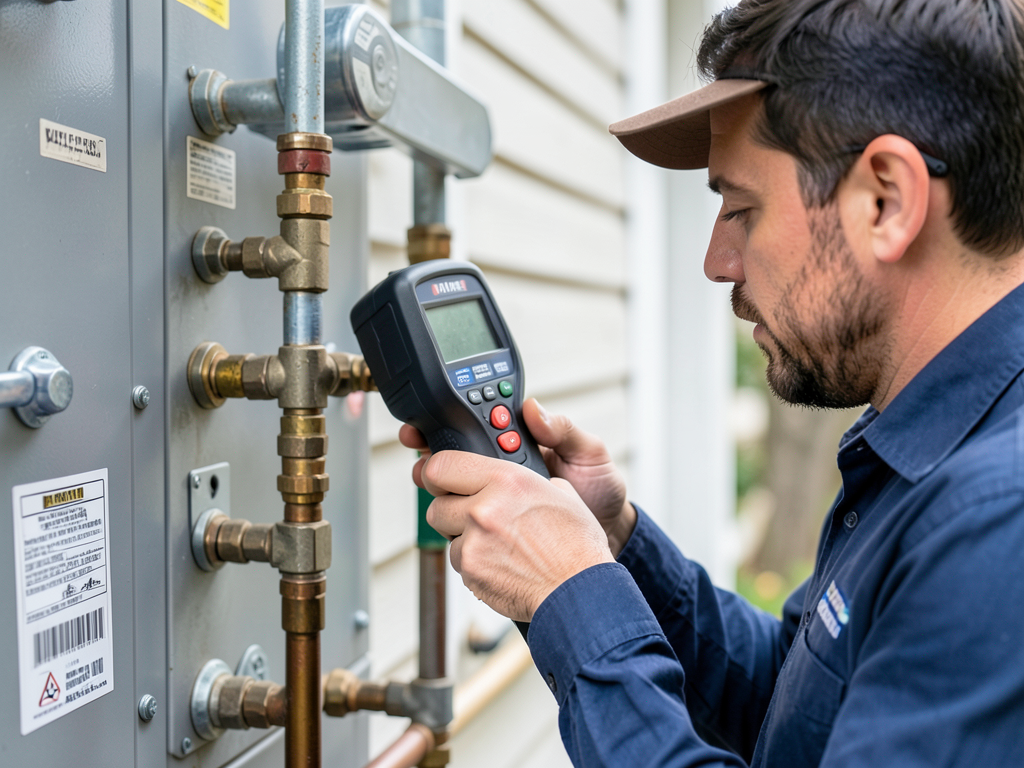
Professional HVAC technicians use combustible gas sniffers that detect methane and other hydrocarbons at parts-per-million levels. These handheld devices have sensitive probes that can pinpoint leaks behind walls or under floorboards. For compliance with Philadelphia L&I codes a licensed contractor must pressure-test gas lines to 10 psi for at least 15 minutes after any repair. If pressure drops the system has a leak that must be located and fixed before service is restored. Thermal imaging can also reveal unusual heat patterns around failing connections. These tools go far beyond the soap-bubble test most homeowners try. HVAC Philadelphia.
Philadelphia Gas Works Emergency Response and Local Codes
PGW follows Philadelphia Fire Code Chapter 31 for hazardous materials emergencies. When you call 215-235-1212 they dispatch a crew within 30 to 60 minutes depending on call volume. The team shuts off the main if needed then uses electronic sniffers to trace the source. Under Philadelphia plumbing code any work on gas piping beyond the meter must be performed by a licensed master plumber or HVAC contractor. After PGW clears the scene your contractor must pull a permit before making repairs. This two-step process protects you and your neighbors from recurring hazards.
Sewer Gas vs. Natural Gas: How to Tell the Difference
Port Richmond’s older homes often have dry floor drains or cracked sewer stacks that let sewer gas seep into basements and crawl spaces. Sewer gas smells like rotten eggs too but it also carries a musty or mildewed undertone. Unlike natural gas it is heavier than air and tends to linger in low spots. A simple test is to pour water into all floor drains and sinks that are rarely used; if the smell fades it was likely sewer gas. Natural gas odor is sharper more irritating to the eyes and does not diminish without ventilation or leak repair.
24/7 Emergency Gas Leak Repair Services in Philadelphia
When PGW gives the all-clear you need a contractor who can respond immediately. Elite HVAC Philadelphia offers 24/7 emergency service throughout Port Richmond Bridesburg and Kensington. Our NATE-certified technicians carry combustible gas detectors on every truck and can pressure-test your entire system within an hour of arrival. We stock common repair parts for boilers furnaces and water heaters so most leaks are fixed the same day. Call (215) 610-9099 anytime for fast response and clear communication about what needs repair and why.
Preventing Future Gas Leaks in Your Philadelphia Home
Annual maintenance is the single best defense against gas leaks. A technician can check heat exchangers for cracks inspect all visible piping and test pilot safety systems before winter. In Port Richmond many homes have galvanized steel lines that corrode from the inside out; replacing them with newer CSST or black iron piping prevents sudden failures. Installing a gas detector near your furnace adds another layer of protection. If you renovate or add new gas appliances always have the lines pressure-tested to code before use. The True Cost of Installing Central Air in an Older South Philly Rowhome.
Carbon Monoxide Symptoms vs. Gas Leak Symptoms
Carbon monoxide is odorless and can be produced by the same faulty appliances that leak natural gas. CO symptoms include dull headache weakness and confusion that improve when you leave the house. Natural gas exposure causes eye and throat irritation along with the characteristic rotten egg smell. Both are emergencies but the response differs. For suspected CO immediately evacuate and call 911; for a strong gas odor follow the leave-now protocol and call PGW first. Installing both CO and natural gas detectors provides complete coverage.
Local Philadelphia Resources for Gas Safety
Beyond PGW the Philadelphia Fire Department trains in hazardous materials response and can assist if gas is suspected. The Pennsylvania Public Utility Commission regulates utility safety standards across the state. For financial help with gas line repairs or replacements PECO and PGW offer low-income assistance programs. The City of Philadelphia Department of Licenses and Inspections provides permit information for any gas work. Keeping these contacts handy can speed up resolution if a problem arises.
Frequently Asked Questions
Is it safe to use my phone if I smell gas?
No. Using any electronic device including your phone can create a spark that ignites gas. Leave the building first then call for help from a safe location.
How long does PGW take to respond to a gas leak?
PGW aims to arrive within 30 to 60 minutes of your call. Response time can vary based on call volume and the severity of other active emergencies.
Can I repair a gas leak myself?
No. Pennsylvania law requires a licensed master plumber or HVAC contractor to perform any gas line repairs beyond the meter. DIY repairs are illegal and extremely dangerous.
What should I do if the smell goes away on its own?
Even if the odor fades do not assume the problem is solved. Gas can dissipate temporarily but the leak remains. Call PGW to inspect the line before using any gas appliances.
How much does it cost to repair a gas line in Philadelphia?
Repair costs vary widely based on the location and severity of the leak. Simple fitting replacements may cost a few hundred dollars while replacing a section of corroded pipe can run over a thousand. Your contractor should provide a written estimate after PGW clears the scene.
Trust Local Experts for Your Family’s Safety
Gas leaks are not a wait-until-morning problem. In Port Richmond’s dense rowhome blocks a small leak can endanger multiple families within minutes. Elite HVAC Philadelphia combines NATE-certified technicians with 24/7 emergency response and deep knowledge of Philadelphia’s unique housing stock. We work directly with PGW to restore your heat and hot water safely and quickly. If you smell rotten eggs now or want to prevent future issues call (215) 610-9099 today. Your family’s safety is worth a phone call right now.
{
“@context”: “https://schema.org”,
“@type”: “BlogPosting”,
“headline”: “Why Your Port Richmond Home Smells Like Rotten Eggs (And When to Call PGW)”,
“description”: “Smelling gas in Port Richmond? Learn the immediate safety steps, when to call PGW at 215-235-1212, and how to identify natural gas vs. sewer gas leaks in Philly row homes.”,
“wordCount”: 1551,
“datePublished”: “2026-06-03T07:05:00.000Z”,
“dateModified”: “2026-06-03T07:05:00.000Z”,
“inLanguage”: “en-US”,
“mainEntityOfPage”: {
“@type”: “WebPage”,
“@id”: “https://elitehvacphiladelphia.com”
},
“publisher”: {
“@type”: “LocalBusiness”,
“name”: “Elite HVAC Philadelphia”,
“url”: “https://elitehvacphiladelphia.com”
},
“author”: {
“@type”: “Organization”,
“name”: “Elite HVAC Philadelphia”,
“url”: “https://elitehvacphiladelphia.com”
},
“image”: {
“@type”: “ImageObject”,
“url”: “https://elitehvacphiladelphia.com/wp-content/uploads/2026/03/why-your-port-richmond-home-smells-like-rotten-egg-1.png”
}
}
{
“@context”: “https://schema.org”,
“@type”: “HVACBusiness”,
“name”: “Elite HVAC Philadelphia”,
“url”: “https://elitehvacphiladelphia.com”,
“address”: {
“@type”: “PostalAddress”,
“addressLocality”: “Philadelphia”
},
“areaServed”: {
“@type”: “City”,
“name”: “Philadelphia”
}
}
{
“@context”: “https://schema.org”,
“@type”: “FAQPage”,
“mainEntity”: [
{
“@type”: “Question”,
“name”: “Is it safe to use my phone if I smell gas?”,
“acceptedAnswer”: {
“@type”: “Answer”,
“text”: “No. Using any electronic device including your phone can create a spark that ignites gas. Leave the building first then call for help from a safe location.”
}
},
{
“@type”: “Question”,
“name”: “How long does PGW take to respond to a gas leak?”,
“acceptedAnswer”: {
“@type”: “Answer”,
“text”: “PGW aims to arrive within 30 to 60 minutes of your call. Response time can vary based on call volume and the severity of other active emergencies.”
}
},
{
“@type”: “Question”,
“name”: “Can I repair a gas leak myself?”,
“acceptedAnswer”: {
“@type”: “Answer”,
“text”: “No. Pennsylvania law requires a licensed master plumber or HVAC contractor to perform any gas line repairs beyond the meter. DIY repairs are illegal and extremely dangerous.”
}
},
{
“@type”: “Question”,
“name”: “What should I do if the smell goes away on its own?”,
“acceptedAnswer”: {
“@type”: “Answer”,
“text”: “Even if the odor fades do not assume the problem is solved. Gas can dissipate temporarily but the leak remains. Call PGW to inspect the line before using any gas appliances.”
}
},
{
“@type”: “Question”,
“name”: “How much does it cost to repair a gas line in Philadelphia?”,
“acceptedAnswer”: {
“@type”: “Answer”,
“text”: “Repair costs vary widely based on the location and severity of the leak. Simple fitting replacements may cost a few hundred dollars while replacing a section of corroded pipe can run over a thousand. Your contractor should provide a written estimate after PGW clears the scene.”
}
}
]
}
{
“@context”: “https://schema.org”,
“@type”: “BreadcrumbList”,
“itemListElement”: [
{
“@type”: “ListItem”,
“position”: 1,
“name”: “Home”,
“item”: “https://elitehvacphiladelphia.com”
},
{
“@type”: “ListItem”,
“position”: 2,
“name”: “Blog”,
“item”: “https://elitehvacphiladelphia.com/blog”
},
{
“@type”: “ListItem”,
“position”: 3,
“name”: “Why Your Port Richmond Home Smells Like Rotten Eggs (And When to Call PGW)”
}
]
}
{
“@context”: “https://schema.org”,
“@type”: “Service”,
“serviceType”: “HVAC”,
“provider”: {
“@type”: “LocalBusiness”,
“name”: “Elite HVAC Philadelphia”,
“url”: “https://elitehvacphiladelphia.com”
},
“areaServed”: {
“@type”: “City”,
“name”: “Philadelphia”
},
“description”: “Smelling gas in Port Richmond? Learn the immediate safety steps, when to call PGW at 215-235-1212, and how to identify natural gas vs. sewer gas leaks in Philly row homes.”
}