
Why Your Mayfair Furnace Keeps Turning On and Off Every Few Minutes
Your furnace should run in steady cycles, not start and stop every few minutes. If you hear your Mayfair heater kicking on and off rapidly, you’re dealing with a problem called “short cycling.” This isn’t just annoying—it’s a warning sign that something is wrong. Short cycling wastes energy, strains your system, and can even create safety hazards like carbon monoxide leaks if ignored.. Read more about Why Your Furnace is Leaking Water on Your Oxford Circle Basement Floor.
Short cycling happens when your furnace shuts down before completing a full heating cycle. Instead of running for 10-15 minutes and then resting, it might run for just 2-3 minutes, shut off, then restart almost immediately. This constant on-off pattern makes your home uncomfortable and drives up your utility bills fast.
In Mayfair’s older homes, this issue is especially common. Many houses built in the 1950s-1970s have mid-efficiency furnaces that are now reaching the end of their service life. Combine aging equipment with Philadelphia’s cold, damp winters and you have a recipe for frequent short cycling problems. HVAC Philadelphia.
The good news? Many causes are fixable, and some you can even check yourself. But others point to serious issues that need immediate professional attention. Let’s walk through what’s happening and what you should do next.
Quick DIY Checks Before Calling for Service
Before you panic and call for emergency service, there are a few simple things you can check right now. These common issues cause most short cycling problems and take just minutes to inspect. Emergency AC Repair in Fishtown (Fast Service When the Heat Hits).
- Check the Air Filter
A clogged filter restricts airflow, causing the furnace to overheat and shut down early. If your filter looks gray and dirty, replace it with a new one. In Mayfair’s older homes, dust and pet hair accumulate quickly in the narrow ductwork. Weak Airflow from Vents.
- Verify Thermostat Settings
Make sure your thermostat is set to “Heat” mode and the temperature is higher than the current room temperature. Also check that it’s not near a heat source or in direct sunlight, which can cause false readings.
- Inspect the Thermostat Location
If your thermostat sits on an exterior wall or near a window, cold drafts can trick it into thinking your home is colder than it is. This causes the furnace to cycle too frequently.. Read more about Solving the Mystery of Cold Drafts in Your Tacony Twin Home.
- Check for Blocked Vents
Walk through your home and make sure all supply and return vents are open and not blocked by furniture, rugs, or curtains. Restricted airflow is a major cause of overheating.
If these quick checks don’t solve the problem, you’re likely dealing with a more complex issue that requires professional diagnosis. Continuing to run a malfunctioning furnace can cause further damage and waste significant energy.
5 Common Causes of Furnace Short Cycling
When basic troubleshooting doesn’t work, the problem usually falls into one of these five categories. Understanding what’s happening helps you know what to expect from a service call.
1. Dirty or Faulty Flame Sensor
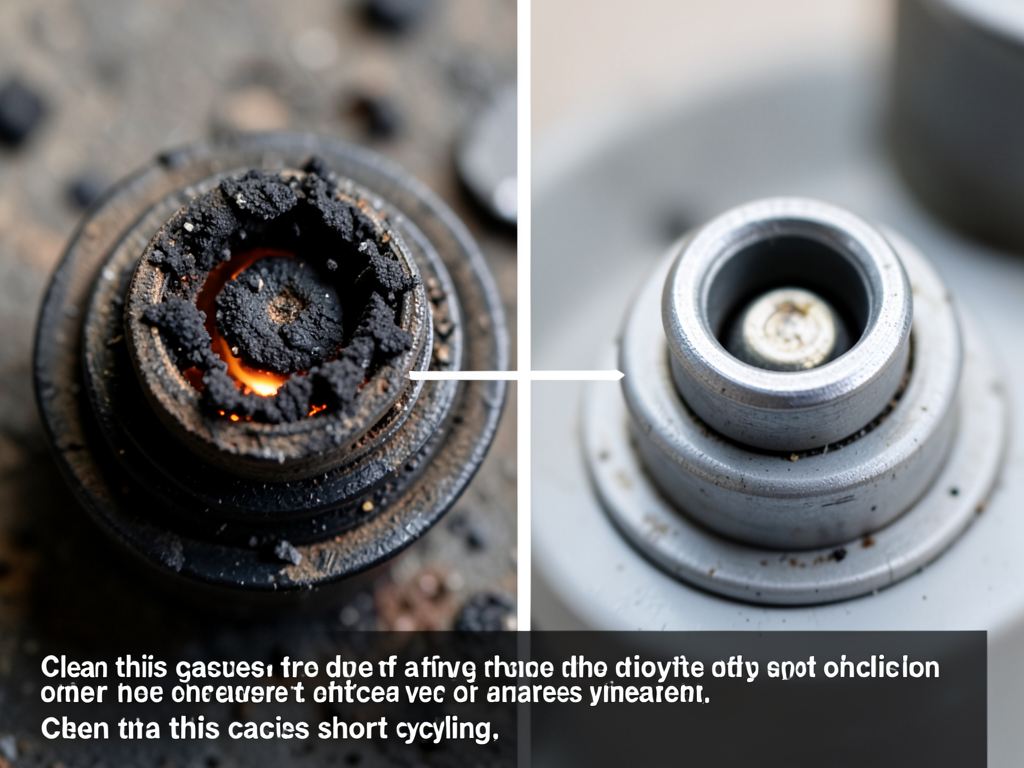
The flame sensor is a small metal rod that detects whether your burners are lit. When it gets coated with carbon buildup, it can’t sense the flame properly. The furnace then shuts down as a safety measure, thinking the gas isn’t igniting. This creates the exact short cycling pattern you’re experiencing.
Technicians can clean or replace a flame sensor in about 30 minutes. In Mayfair’s older homes, this is one of the most frequent repairs we see, especially on furnaces over 10 years old. EPA Carbon Monoxide Safety Information.
2. Overheating Due to Restricted Airflow
Your furnace has a built-in safety switch that turns it off if it gets too hot. When airflow is restricted—whether from a dirty filter, closed vents, or blocked ductwork—the heat exchanger can’t dissipate heat properly. The limit switch trips, the furnace shuts down, then restarts once it cools slightly.
This creates a dangerous cycle where the furnace is constantly overheating. In Philadelphia’s humid climate, moisture in the air can accelerate corrosion inside the heat exchanger, making this problem worse in older units.
3. Oversized Furnace for Your Home
If your furnace is too large for your home’s heating needs, it will heat the space too quickly and shut off before completing a proper cycle. This “short cycling” wastes energy and creates uncomfortable temperature swings.
Many Mayfair homes have furnaces that were oversized when originally installed or when previous owners upgraded. Philadelphia’s rowhome construction means each unit has different insulation and window configurations, making proper sizing critical.
4. Blocked Exhaust Vent or Flue Pipe
Your furnace needs to vent combustion gases safely outside. If the exhaust vent or flue pipe gets blocked by debris, bird nests, or ice (common during Philadelphia’s freeze-thaw cycles), the furnace will shut down as a safety precaution.
Blocked vents create dangerous conditions because they can cause carbon monoxide to back up into your home. This is why professional inspection of venting systems is so important.
5. Faulty Limit Switch or Control Board
The limit switch monitors your furnace’s internal temperature. If it’s malfunctioning, it might shut down the system prematurely even when everything is working correctly. Similarly, a failing control board can send incorrect signals, causing erratic cycling behavior.
These electronic components are sensitive to power fluctuations, which are common during Philadelphia’s winter storms. Surge protectors and regular maintenance can help prevent these failures.
The Danger Zone: When Short Cycling Signals a Cracked Heat Exchanger
While many short cycling causes are relatively minor, some indicate serious safety hazards. A cracked heat exchanger is the most dangerous possibility because it can allow carbon monoxide to leak into your living space.. Read more about 5 Signs Your Overbrook Home Has a Cracked Heat Exchanger (and Why It Matters).
Signs that suggest a heat exchanger problem include:
- Yellow or flickering burner flames instead of steady blue flames
- Soot buildup around the furnace
- Unusual odors when the furnace runs
- Water pooling around the base of the furnace
- Headaches or flu-like symptoms when the heat is on
Philadelphia’s humid climate accelerates corrosion in heat exchangers. The freeze-thaw cycles we experience each winter cause metal to expand and contract, creating microscopic cracks that grow over time. Once a heat exchanger cracks, the entire furnace typically needs replacement.
The International Fuel Gas Code (IFGC Section 403.3) requires that any heat exchanger showing signs of damage must be replaced or the entire furnace decommissioned. This isn’t optional—it’s a safety requirement. National Association of Certified Home Inspectors – Furnace Short Cycling Guide.
Philadelphia-Specific Considerations for Mayfair Homes
Mayfair’s housing stock presents unique challenges for furnace operation. Most homes here were built between 1950-1980 with standard forced-air systems that are now 40-70 years old. The narrow ductwork common in Philadelphia rowhomes creates airflow restrictions that newer, more efficient furnaces weren’t designed to handle.
Philadelphia’s climate adds another layer of complexity. Our humid summers mean moisture gets trapped in ductwork during the off-season. When winter arrives, this moisture can cause rust and corrosion inside your furnace components. The frequent freeze-thaw cycles also stress metal components, particularly the heat exchanger.
Many Mayfair homes have had multiple ownership changes, and furnace maintenance records are often lost. A previous owner might have installed an oversized unit or neglected annual maintenance, setting you up for problems years later.
The Philadelphia Department of Licenses and Inspections requires all HVAC work to meet current building codes, including proper venting and combustion air requirements. If your home has had additions or renovations, your furnace might not be properly sized for the current layout.
What Happens During a Professional Diagnostic Service Call
When you call a professional HVAC technician, they follow a systematic diagnostic process to identify the exact cause of your short cycling. Here’s what to expect:
- Safety Inspection
The technician starts by checking for gas leaks, carbon monoxide levels, and proper venting. This is non-negotiable for your family’s safety.
- Airflow Assessment
They measure temperature rise across the heat exchanger and check static pressure in your ductwork. Restricted airflow is the most common cause of short cycling.
- Component Testing
Key components like the flame sensor, limit switch, and control board are tested for proper operation. Dirty sensors are cleaned, and faulty parts are identified.
- Heat Exchanger Inspection
Using specialized cameras, technicians inspect the heat exchanger for cracks or corrosion. This step is critical for safety.
- System Performance Analysis
Finally, they run the system through a complete cycle to observe cycling patterns and measure efficiency.
A thorough diagnostic typically takes 60-90 minutes. The technician should provide you with a written estimate before any repairs begin. In Mayfair, most short cycling repairs cost between $150-$500, depending on the cause.
Preventing Future Short Cycling Problems
Once your immediate short cycling issue is resolved, there are steps you can take to prevent it from happening again:
- Schedule annual furnace maintenance before each heating season
- Replace air filters every 1-3 months, more often if you have pets
- Keep all vents and registers open and unobstructed
- Install a programmable thermostat to maintain consistent temperatures
- Consider a whole-house humidifier to reduce static and improve comfort
Philadelphia’s building codes require annual inspections for all fuel-burning appliances. This isn’t just a recommendation—it’s a safety requirement that helps prevent carbon monoxide poisoning and system failures.
Frequently Asked Questions
How much does it cost to fix a short cycling furnace in Philadelphia?
Repair costs vary widely based on the cause. Simple fixes like cleaning a flame sensor cost $150-$250, while replacing a control board runs $300-$600. Heat exchanger replacement often means replacing the entire furnace, which costs $3,000-$6,000 for a standard efficiency unit.. Read more about Simple HVAC Tasks Port Richmond Homeowners Can Actually Do Themselves.
How long should my furnace run during a normal cycle?
A properly functioning furnace should run for 10-15 minutes per cycle, then rest for 20-30 minutes before restarting. If yours runs less than 5 minutes or cycles more than 6-8 times per hour, you have a problem.
Can I keep running my furnace if it’s short cycling?
You can run it briefly for diagnosis, but continuing to operate a malfunctioning furnace risks further damage and safety hazards. If you suspect a cracked heat exchanger or blocked vent, turn it off immediately and call for emergency service.
Does short cycling increase my energy bills?
Yes, significantly. Short cycling can increase energy consumption by 20-30% because the furnace uses the most energy during startup. You’re essentially paying to heat your home inefficiently.
Call (215) 610-9099 for Expert Mayfair Furnace Service
Don’t let a short cycling furnace leave you in the cold this winter. The constant on-off pattern isn’t just annoying—it’s a warning sign that needs immediate attention. Whether you need a simple flame sensor cleaning or a complete system evaluation, our NATE-certified technicians are ready to help.
We serve all of Mayfair and surrounding Philadelphia neighborhoods with 24/7 emergency service. Our trucks are fully stocked, so most repairs can be completed the same day. We’ll provide honest diagnostics, upfront pricing, and guaranteed workmanship.
Pick up the phone and call (215) 610-9099 today to schedule your furnace inspection. Don’t wait until your system fails completely—early intervention saves money and prevents dangerous situations. Your comfort and safety are our top priority.
Emergency Service Available 24/7 – Call (215) 610-9099 Now
{
“@context”: “https://schema.org”,
“@type”: “BlogPosting”,
“headline”: “Why Your Mayfair Furnace Keeps Turning On and Off Every Few Minutes”,
“description”: “If your Mayfair furnace short cycles every few minutes, it could signal dangerous overheating. Learn the causes, DIY fixes, and when to call a Philadelphia HVAC pro.”,
“wordCount”: 1844,
“datePublished”: “2026-05-02T06:39:00.000Z”,
“dateModified”: “2026-05-02T06:39:00.000Z”,
“inLanguage”: “en-US”,
“mainEntityOfPage”: {
“@type”: “WebPage”,
“@id”: “https://elitehvacphiladelphia.com”
},
“publisher”: {
“@type”: “LocalBusiness”,
“name”: “Elite HVAC Philadelphia”,
“url”: “https://elitehvacphiladelphia.com”
},
“author”: {
“@type”: “Organization”,
“name”: “Elite HVAC Philadelphia”,
“url”: “https://elitehvacphiladelphia.com”
},
“image”: {
“@type”: “ImageObject”,
“url”: “https://elitehvacphiladelphia.com/wp-content/uploads/2026/03/why-your-mayfair-furnace-keeps-turning-on-and-off-1.png”
}
}
{
“@context”: “https://schema.org”,
“@type”: “HVACBusiness”,
“name”: “Elite HVAC Philadelphia”,
“url”: “https://elitehvacphiladelphia.com”,
“address”: {
“@type”: “PostalAddress”,
“addressLocality”: “Philadelphia”
},
“areaServed”: {
“@type”: “City”,
“name”: “Philadelphia”
}
}
{
“@context”: “https://schema.org”,
“@type”: “FAQPage”,
“mainEntity”: [
{
“@type”: “Question”,
“name”: “How much does it cost to fix a short cycling furnace in Philadelphia?”,
“acceptedAnswer”: {
“@type”: “Answer”,
“text”: “Repair costs vary widely based on the cause. Simple fixes like cleaning a flame sensor cost $150-$250, while replacing a control board runs $300-$600. Heat exchanger replacement often means replacing the entire furnace, which costs $3,000-$6,000 for a standard efficiency unit.”
}
},
{
“@type”: “Question”,
“name”: “How long should my furnace run during a normal cycle?”,
“acceptedAnswer”: {
“@type”: “Answer”,
“text”: “A properly functioning furnace should run for 10-15 minutes per cycle, then rest for 20-30 minutes before restarting. If yours runs less than 5 minutes or cycles more than 6-8 times per hour, you have a problem.”
}
},
{
“@type”: “Question”,
“name”: “Can I keep running my furnace if it’s short cycling?”,
“acceptedAnswer”: {
“@type”: “Answer”,
“text”: “You can run it briefly for diagnosis, but continuing to operate a malfunctioning furnace risks further damage and safety hazards. If you suspect a cracked heat exchanger or blocked vent, turn it off immediately and call for emergency service.”
}
},
{
“@type”: “Question”,
“name”: “Does short cycling increase my energy bills?”,
“acceptedAnswer”: {
“@type”: “Answer”,
“text”: “Yes, significantly. Short cycling can increase energy consumption by 20-30% because the furnace uses the most energy during startup. You’re essentially paying to heat your home inefficiently.”
}
}
]
}
{
“@context”: “https://schema.org”,
“@type”: “HowTo”,
“name”: “DIY Short Cycling Troubleshooting”,
“step”: [
{
“@type”: “HowToStep”,
“position”: 1,
“name”: “Check the Air Filter”,
“text”: “A clogged filter restricts airflow, causing the furnace to overheat and shut down early. If your filter looks gray and dirty, replace it with a new one. In Mayfair’s older homes, dust and pet hair accumulate quickly in the narrow ductwork. Weak Airflow from Vents.”
},
{
“@type”: “HowToStep”,
“position”: 2,
“name”: “Verify Thermostat Settings”,
“text”: “Make sure your thermostat is set to \”Heat\” mode and the temperature is higher than the current room temperature. Also check that it’s not near a heat source or in direct sunlight, which can cause false readings.”
},
{
“@type”: “HowToStep”,
“position”: 3,
“name”: “Inspect the Thermostat Location”,
“text”: “If your thermostat sits on an exterior wall or near a window, cold drafts can trick it into thinking your home is colder than it is. This causes the furnace to cycle too frequently.”
},
{
“@type”: “HowToStep”,
“position”: 4,
“name”: “Check for Blocked Vents”,
“text”: “Walk through your home and make sure all supply and return vents are open and not blocked by furniture, rugs, or curtains. Restricted airflow is a major cause of overheating.”
}
],
“image”: “https://elitehvacphiladelphia.com/wp-content/uploads/2026/03/why-your-mayfair-furnace-keeps-turning-on-and-off-1.png”
}
{
“@context”: “https://schema.org”,
“@type”: “BreadcrumbList”,
“itemListElement”: [
{
“@type”: “ListItem”,
“position”: 1,
“name”: “Home”,
“item”: “https://elitehvacphiladelphia.com”
},
{
“@type”: “ListItem”,
“position”: 2,
“name”: “Blog”,
“item”: “https://elitehvacphiladelphia.com/blog”
},
{
“@type”: “ListItem”,
“position”: 3,
“name”: “Why Your Mayfair Furnace Keeps Turning On and Off Every Few Minutes”
}
]
}
{
“@context”: “https://schema.org”,
“@type”: “Service”,
“serviceType”: “HVAC”,
“provider”: {
“@type”: “LocalBusiness”,
“name”: “Elite HVAC Philadelphia”,
“url”: “https://elitehvacphiladelphia.com”
},
“areaServed”: {
“@type”: “City”,
“name”: “Philadelphia”
},
“description”: “If your Mayfair furnace short cycles every few minutes, it could signal dangerous overheating. Learn the causes, DIY fixes, and when to call a Philadelphia HVAC pro.”
}