
Why Your Furnace is Leaking Water on Your Oxford Circle Basement Floor
Finding water pooling around your furnace in an Oxford Circle basement creates immediate panic. That puddle could signal anything from a simple clogged drain to a serious heat exchanger failure. High-efficiency furnaces common in Philadelphia homes produce condensate during normal operation. When that drainage system fails water backs up and spills onto your floor. Philadelphia building codes.
The first 24 hours matter. Standing water damages flooring creates slip hazards and can short out electrical components. Before you mop it up and hope for the best you need to understand what type of system you have and what’s causing the leak. This guide walks through the most common causes we see in Philadelphia basements from blocked condensate lines to failing pumps and tells you exactly when to call a professional before minor damage turns into a major repair. Air Conditioning Contractors of America.
Safety First What to Do the Moment You Spot a Leak
Turn off the system immediately. For gas furnaces locate the emergency shutoff valve near the unit and turn it perpendicular to the gas line. For electric furnaces switch off the breaker at your main panel. Water and electricity create shock hazards and gas leaks pose explosion risks. Emergency AC Repair in Fishtown (Fast Service When the Heat Hits).
Document the leak. Take photos of where water appears note when you first noticed it and check if the puddle grows while the system runs. This information helps technicians diagnose the problem faster when they arrive.
Contain the water. Use towels a wet vacuum or a small pump if you have one. Place a bucket under the leak to catch ongoing drips. Move any valuables or electronics away from the affected area.
Check for gas odors. If you smell rotten eggs evacuate immediately and call PECO from outside the home. Never use electrical switches or phones inside if you suspect a gas leak. PECO emergency services.
Identifying Your System Is it a High-Efficiency or Standard Furnace?
Philadelphia homes built after 2010 typically have high-efficiency condensing furnaces with AFUE ratings of 90% or higher. These units produce acidic condensate as a normal byproduct of extracting heat from combustion gases. HVAC Philadelphia.
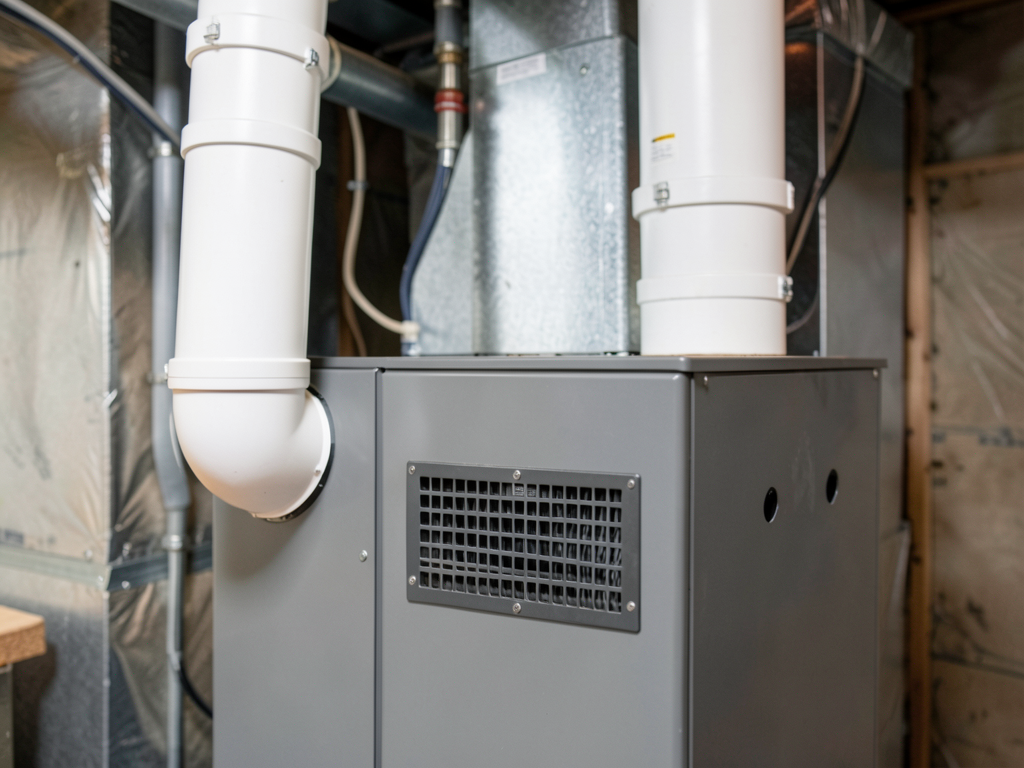
Look at your vent pipes. High-efficiency furnaces use white PVC pipes for exhaust and intake. Standard furnaces use metal flues. Check your model number online or look for a label showing AFUE rating above 90%.
High-efficiency systems have additional components: a secondary heat exchanger condensate drain trap and often a condensate pump. These parts handle the acidic water produced during operation. Standard furnaces rarely produce significant water unless there’s a humidifier issue or AC coil problem.
Top 5 Reasons Your Furnace is Leaking Water
1 Blocked Condensate Drain Line or Trap
Condensate drain lines carry acidic water from your furnace to a floor drain or utility sink. Over time these narrow PVC pipes clog with algae mineral deposits or debris. When blocked water backs up and overflows from the drain pan.
Philadelphia’s hard water accelerates mineral buildup in drain lines. Homes near Roosevelt Boulevard often experience faster clogging due to higher mineral content in local water supplies. The trap a U-shaped section of pipe prevents sewer gases from entering your home but also catches debris. Weak Airflow from Vents.
Signs of a blocked drain include water appearing only when the furnace runs slow drainage from the trap and gurgling sounds from the drain line. You might notice water around the base of the furnace rather than from a specific component.
2 Condensate Pump Failure
Many Oxford Circle basements sit below grade requiring condensate pumps to lift water to drain lines above floor level. These small pumps activate when water reaches a certain level in their collection chamber.
Pumps fail due to age power outages or motor burnout. When the pump stops working water fills the chamber and overflows onto your basement floor. Most pumps last 3-5 years in Philadelphia’s humid environment.
Listen for the pump’s humming sound when your furnace runs. If you don’t hear it the pump may be dead. Some pumps have a backup reservoir that holds about one gallon before overflowing. Check the pump’s power cord and circuit breaker if it’s completely silent.
3 Leaking Whole-Home Humidifier
Philadelphia winters create extremely dry indoor air. Many homes have whole-home humidifiers mounted on the furnace that add moisture during heating cycles. These units connect to your home’s water supply and can develop leaks over time.
Water panels inside humidifiers become clogged with mineral deposits from Philadelphia’s hard water. When clogged water bypasses the panel and drips onto the furnace. Supply line connections can loosen and overflow drains can back up.
Humidifier leaks often appear as a slow drip rather than a sudden puddle. You might notice water only during heating cycles when the humidifier is active. The water is usually clean and doesn’t have the acidic smell of condensate.
4 Secondary Heat Exchanger Issues (The ‘Red Flag’ Repair)
The secondary heat exchanger in high-efficiency furnaces extracts additional heat from combustion gases producing the condensate that must be drained. Cracks in this component cause internal leaks that can damage electrical components and create carbon monoxide hazards.
Cracks develop from metal fatigue thermal stress or corrosion. Philadelphia’s freeze-thaw cycles and high humidity accelerate this process. A cracked heat exchanger often produces clicking sounds during heating cycles and may cause the furnace to shut down on safety limits.
This repair represents a major expense often costing $1500-$3000 for replacement. The Philadelphia Mechanical Code requires proper venting and combustion air for all gas appliances. A cracked heat exchanger violates these safety standards and requires immediate professional attention.
5 Internal Clog in the AC Coil (Common in Philly Summers/Shoulder Seasons)
Many Philadelphia homes use the same air handler for both heating and cooling. The evaporator coil sits above the furnace and shares the same drainage system. During shoulder seasons when both systems might run a clogged AC coil drain can cause water to back up into the furnace.
Philadelphia’s high summer humidity creates ideal conditions for algae growth in AC drain pans. When the AC runs it produces significant condensate that must drain properly. If the drain line clogs water backs up and can overflow into the furnace below.
Signs include water appearing during AC operation even when the furnace isn’t running. You might notice the AC isn’t cooling effectively as restricted airflow from a clogged drain affects system performance.
DIY Fixes vs When to Call a Philadelphia HVAC Professional
Safe DIY steps include checking for obvious blockages in visible drain lines ensuring the condensate pump is plugged in and verifying the humidifier water supply valve is open. You can also clean the area around the furnace and check that floor drains aren’t clogged.
Call a professional if you see water coming from inside the furnace cabinet hear unusual noises during operation smell gas or burning odors or if the leak continues after basic checks. Don’t attempt to open the furnace cabinet yourself – modern units contain high-voltage components and gas connections that require proper training.
Professional diagnosis typically costs $89-$149 in the Philadelphia area. This includes safety checks system testing and a written estimate for repairs. Most companies offer same-day service for emergency leaks.
Emergency indicators requiring immediate service: water near electrical components gas odors system failure to start or visible cracks in vent pipes. These situations pose safety hazards that justify emergency service calls.
Preventing Future Water Leaks with Regular Maintenance
Annual maintenance prevents most water leak issues. A professional cleaning includes flushing drain lines with vinegar solution testing the condensate pump checking humidifier operation and inspecting the heat exchanger for cracks.
Philadelphia’s climate demands specific maintenance approaches. Our high humidity accelerates algae growth in drain lines. Our cold winters stress metal components through freeze-thaw cycles. Annual fall maintenance before heating season prevents winter emergencies.
Between professional visits you can pour a cup of white vinegar into the drain line monthly to prevent algae buildup. Keep the area around your furnace clean and dry. Check the humidifier water panel annually and replace it if it appears clogged or scaled.
Consider a maintenance agreement with a local Philadelphia company. These typically cost $150-$250 annually and include two visits priority service and discounts on repairs. Given Philadelphia’s extreme seasonal temperature swings this investment often pays for itself through prevented emergencies.
Frequently Asked Questions
Is a leaking furnace dangerous?
Yes water near electrical components creates shock hazards. Gas furnaces with water leaks risk short circuits that could prevent safety systems from functioning. More seriously some leaks indicate heat exchanger cracks that can release carbon monoxide into your home.
How much does it cost to fix a leaking furnace in Philadelphia?
Repair costs range from $150 for a simple drain cleaning to $3000+ for heat exchanger replacement. Most common repairs like pump replacement or drain clearing cost $300-$600. Philadelphia labor rates run 15-20% higher than national averages due to local licensing requirements.
Can I use my furnace if it’s leaking water?
Turn it off immediately. Running a leaking furnace risks electrical damage gas leaks and carbon monoxide exposure. Even small leaks can indicate serious problems that worsen with continued operation. Call a professional for diagnosis before restoring operation.
Why does my high-efficiency furnace produce water?
High-efficiency furnaces extract additional heat from combustion gases cooling them enough to condense water vapor. This acidic condensate is normal but requires proper drainage through PVC pipes. Standard furnaces vent hot gases through metal flues so they produce minimal water.
How often should I have my furnace maintained in Philadelphia?
Annual maintenance before heating season is essential in Philadelphia. Our climate stresses HVAC systems with humidity temperature extremes and hard water. Bi-annual maintenance (fall and spring) provides optimal protection for systems used year-round.
- Locate the Emergency Shutoff
Find the gas valve near your furnace or the breaker at your main panel. Turn off the appropriate one based on your system type.
- Check for Gas Odors
Smell around the unit for rotten egg odors. If detected evacuate immediately and call PECO from outside.
- Contain the Water
Place towels or a bucket under the leak. Use a wet vacuum if available to remove standing water.
- Document the Issue
Take photos of the leak location and any visible damage. Note when you first noticed the problem.
Water leaking from your furnace creates more than just a mess – it signals a system problem that could worsen quickly. Philadelphia’s unique climate and housing stock create specific challenges for furnace drainage systems. Whether you’re dealing with a simple clogged drain or a serious heat exchanger issue quick action prevents costly damage and ensures your family’s safety.
Don’t let a small leak turn into a major emergency. Our team understands the specific furnace models common in Oxford Circle homes and the drainage challenges posed by Philadelphia’s hard water and humidity. We provide honest diagnostics upfront pricing and emergency service when you need it most.
Call (215) 610-9099 today to schedule your inspection. Our technicians arrive fully equipped to diagnose and repair your leaking furnace often on the same day you call. Stop the water damage and restore your home’s comfort with help from Philadelphia’s trusted HVAC professionals.
Pick up the phone and call (215) 610-9099 before the next storm hits. A quick call now prevents costly repairs and ensures your family stays warm all winter long.
{
“@context”: “https://schema.org”,
“@type”: “BlogPosting”,
“headline”: “Why Your Furnace is Leaking Water on Your Oxford Circle Basement Floor”,
“description”: “Water leaking from your furnace in Oxford Circle basement? Learn the 5 most common causes and when to call for emergency HVAC repair in Philadelphia.”,
“wordCount”: 1908,
“datePublished”: “2026-05-12T11:42:00.000Z”,
“dateModified”: “2026-05-12T11:42:00.000Z”,
“inLanguage”: “en-US”,
“mainEntityOfPage”: {
“@type”: “WebPage”,
“@id”: “https://elitehvacphiladelphia.com”
},
“publisher”: {
“@type”: “LocalBusiness”,
“name”: “Elite HVAC Philadelphia”,
“url”: “https://elitehvacphiladelphia.com”
},
“author”: {
“@type”: “Organization”,
“name”: “Elite HVAC Philadelphia”,
“url”: “https://elitehvacphiladelphia.com”
},
“image”: {
“@type”: “ImageObject”,
“url”: “https://elitehvacphiladelphia.com/wp-content/uploads/2026/03/why-your-furnace-is-leaking-water-on-your-oxford-c-1.png”
}
}
{
“@context”: “https://schema.org”,
“@type”: “HVACBusiness”,
“name”: “Elite HVAC Philadelphia”,
“url”: “https://elitehvacphiladelphia.com”,
“address”: {
“@type”: “PostalAddress”,
“addressLocality”: “Philadelphia”
},
“areaServed”: {
“@type”: “City”,
“name”: “Philadelphia”
}
}
{
“@context”: “https://schema.org”,
“@type”: “FAQPage”,
“mainEntity”: [
{
“@type”: “Question”,
“name”: “Identifying Your System Is it a High-Efficiency or Standard Furnace?”,
“acceptedAnswer”: {
“@type”: “Answer”,
“text”: “Philadelphia homes built after 2010 typically have high-efficiency condensing furnaces with AFUE ratings of 90% or higher. These units produce acidic condensate as a normal byproduct of extracting heat from combustion gases. HVAC Philadelphia.”
}
},
{
“@type”: “Question”,
“name”: “Is a leaking furnace dangerous?”,
“acceptedAnswer”: {
“@type”: “Answer”,
“text”: “Yes water near electrical components creates shock hazards. Gas furnaces with water leaks risk short circuits that could prevent safety systems from functioning. More seriously some leaks indicate heat exchanger cracks that can release carbon monoxide into your home.”
}
},
{
“@type”: “Question”,
“name”: “How much does it cost to fix a leaking furnace in Philadelphia?”,
“acceptedAnswer”: {
“@type”: “Answer”,
“text”: “Repair costs range from $150 for a simple drain cleaning to $3000+ for heat exchanger replacement. Most common repairs like pump replacement or drain clearing cost $300-$600. Philadelphia labor rates run 15-20% higher than national averages due to local licensing requirements.”
}
},
{
“@type”: “Question”,
“name”: “Can I use my furnace if it’s leaking water?”,
“acceptedAnswer”: {
“@type”: “Answer”,
“text”: “Turn it off immediately. Running a leaking furnace risks electrical damage gas leaks and carbon monoxide exposure. Even small leaks can indicate serious problems that worsen with continued operation. Call a professional for diagnosis before restoring operation.”
}
},
{
“@type”: “Question”,
“name”: “Why does my high-efficiency furnace produce water?”,
“acceptedAnswer”: {
“@type”: “Answer”,
“text”: “High-efficiency furnaces extract additional heat from combustion gases cooling them enough to condense water vapor. This acidic condensate is normal but requires proper drainage through PVC pipes. Standard furnaces vent hot gases through metal flues so they produce minimal water.”
}
},
{
“@type”: “Question”,
“name”: “How often should I have my furnace maintained in Philadelphia?”,
“acceptedAnswer”: {
“@type”: “Answer”,
“text”: “Annual maintenance before heating season is essential in Philadelphia. Our climate stresses HVAC systems with humidity temperature extremes and hard water. Bi-annual maintenance (fall and spring) provides optimal protection for systems used year-round.”
}
}
]
}
{
“@context”: “https://schema.org”,
“@type”: “BreadcrumbList”,
“itemListElement”: [
{
“@type”: “ListItem”,
“position”: 1,
“name”: “Home”,
“item”: “https://elitehvacphiladelphia.com”
},
{
“@type”: “ListItem”,
“position”: 2,
“name”: “Blog”,
“item”: “https://elitehvacphiladelphia.com/blog”
},
{
“@type”: “ListItem”,
“position”: 3,
“name”: “Why Your Furnace is Leaking Water on Your Oxford Circle Basement Floor”
}
]
}
{
“@context”: “https://schema.org”,
“@type”: “Service”,
“serviceType”: “HVAC”,
“provider”: {
“@type”: “LocalBusiness”,
“name”: “Elite HVAC Philadelphia”,
“url”: “https://elitehvacphiladelphia.com”
},
“areaServed”: {
“@type”: “City”,
“name”: “Philadelphia”
},
“description”: “Water leaking from your furnace in Oxford Circle basement? Learn the 5 most common causes and when to call for emergency HVAC repair in Philadelphia.”
}