
Why the Middle Rooms of Your Fairmount Rowhome Never Get Enough Airflow
The deep, narrow layout of Fairmount rowhomes creates a unique airflow problem that frustrates homeowners year-round. Those middle rooms—whether it’s a back bedroom or a kitchen tucked between party walls—often feel like a different climate zone from the rest of your home. This isn’t random. It’s physics working against your historic Philadelphia architecture. Philadelphia Department of Licenses and Inspections.
The combination of shared brick walls, limited ductwork space, and the stack effect in three-story homes means air gets trapped in the center of your rowhome. The rooms farthest from your HVAC equipment struggle to receive adequate conditioned air, while the rooms closest to vents get overserved. Understanding this pattern is the first step to solving it.. Read more about Creative Ways to Hide HVAC Ductwork in a High Ceiling South Kensington Loft.
Fairmount’s rowhomes, built primarily between 1850 and 1920, weren’t designed with modern HVAC systems in mind. The narrow party-wall construction and limited ceiling cavities make proper duct sizing nearly impossible without significant modifications. Add Philadelphia’s humid summers and cold winters, and you’ve got a recipe for comfort complaints that standard HVAC fixes won’t solve. Philadelphia Energy Authority.
The good news is that targeted solutions exist for Fairmount’s specific airflow challenges. From duct sealing to zoning systems and mini-split installations, we can address the root causes rather than just treating symptoms. Let’s examine what’s really happening in your rowhome and what actually works to fix it.
Why Fairmount Rowhome Architecture Creates Airflow Problems
Fairmount’s rowhomes follow a classic Philadelphia pattern: deep, narrow footprints with party walls on both sides. This design, perfect for 19th-century urban living, creates modern HVAC nightmares. The middle rooms of these homes suffer from what HVAC technicians call “static pressure buildup”—air simply can’t flow through the maze of brick and plaster effectively.
The stack effect compounds these issues in Fairmount’s three-story homes. Heat rises naturally, creating positive pressure on upper floors and negative pressure in lower levels. In a rowhome, this means your third-floor bedrooms get overheated in winter while middle rooms stay cold. Summer reverses the problem, with upper floors becoming heat traps.
Philadelphia’s building codes for historic districts like Fairmount add another layer of complexity. The Philadelphia Department of Licenses and Inspections requires special permits for any exterior modifications, including condenser placement. This means many Fairmount homeowners can’t simply add outdoor units where they’d be most effective.
The shared party walls in Fairmount rowhomes also act as thermal mass, absorbing and releasing heat slowly. While this helps with energy efficiency, it creates microclimates within your home. The middle rooms, sandwiched between these heat-absorbing walls, experience the most dramatic temperature swings and airflow inconsistencies.
Fairmount’s proximity to the Schuylkill River and its elevation changes affect local air pressure and humidity levels. These microclimate factors mean your rowhome experiences more dramatic temperature variations than homes in other Philadelphia neighborhoods, making proper airflow even more critical for comfort.
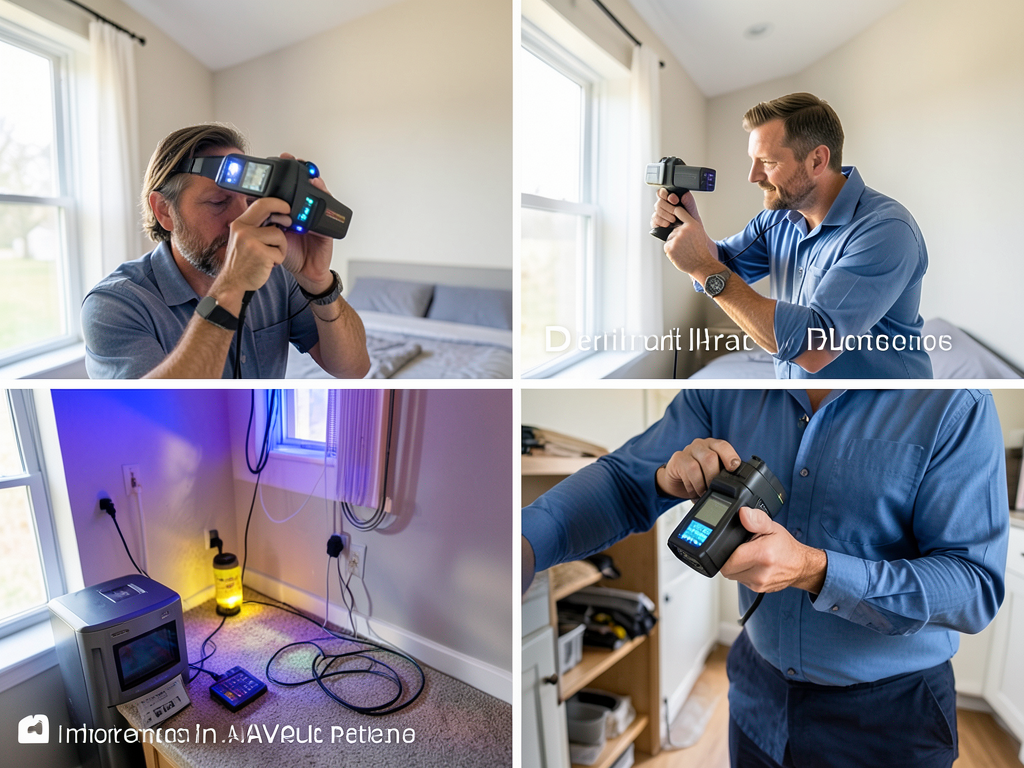
Diagram showing airflow patterns in a typical Fairmount rowhome, highlighting how middle rooms become air traps due to shared walls and limited duct access.
Common Airflow Problems in Fairmount Rowhomes
The most frequent complaint we hear from Fairmount homeowners is about middle rooms that are always too hot in summer or too cold in winter. This happens because these rooms are farthest from your HVAC equipment and have the least direct airflow. The air has to travel through multiple turns and restrictions before reaching them.
Many Fairmount rowhomes have undersized or poorly designed ductwork from original installations. The narrow joist spaces common in these homes can’t accommodate properly sized ducts, leading to restricted airflow. When your system tries to push air through these bottlenecks, the middle rooms get the short end of the stick.
Leaky ductwork is another major culprit in Fairmount homes. The shared wall construction makes duct sealing difficult, and many homes have gaps where conditioned air escapes before reaching its destination. This means your HVAC system works harder while middle rooms stay uncomfortable.
The lack of return air vents in upper floors creates a circulation problem unique to Fairmount’s three-story rowhomes. Without proper returns, air gets trapped on upper levels, creating pressure imbalances that prevent conditioned air from reaching middle rooms effectively.
Fairmount’s older homes often have multiple renovations that created additional airflow barriers. Closed-off fireplaces, added walls, and converted spaces all interrupt the natural air movement patterns, making it harder for your HVAC system to distribute air evenly throughout the home.
DIY Solutions to Improve Airflow Today
Before calling a professional, several DIY steps can improve airflow in your Fairmount rowhome. Start by checking all supply and return registers to ensure they’re fully open and unobstructed. Many homeowners accidentally block vents with furniture or close them to save energy, which actually makes airflow problems worse.
Clean your HVAC filters monthly during peak seasons. Fairmount’s older homes tend to accumulate more dust and debris, and clogged filters restrict airflow dramatically. Use high-quality pleated filters but avoid HEPA filters unless your system is specifically designed for them, as they can reduce airflow too much.
Reverse your ceiling fans seasonally to help with air circulation. In winter, fans should rotate clockwise at low speed to push warm air down from ceilings. In summer, counterclockwise rotation creates a cooling breeze. This simple step can make middle rooms feel more comfortable without touching your HVAC system.
Check your thermostat location. In Fairmount rowhomes, thermostats often get placed in hallways or rooms that don’t represent the true temperature of your home. If your thermostat is in a consistently warm or cool spot, it won’t signal your system to address problem areas effectively.
Seal visible duct leaks with UL-181 approved duct tape or mastic sealant. While this won’t solve all your problems, it can improve airflow to middle rooms by ensuring more conditioned air actually reaches its destination instead of escaping in walls or crawl spaces.
Professional HVAC Upgrades for Fairmount Rowhomes
For persistent airflow problems, professional solutions can transform your Fairmount rowhome’s comfort. Duct sealing using Aeroseal technology can improve system efficiency by up to 30% in older homes. This process seals leaks from the inside using polymer particles, perfect for the hard-to-reach ducts in Fairmount’s narrow construction.
Zoning systems allow you to control different areas of your home independently. For Fairmount rowhomes, this means you can direct more conditioned air to middle rooms without overheating other areas. Smart zoning can reduce energy costs while solving the comfort issues that plague these historic homes.
Ductless mini-split systems offer a modern solution for Fairmount’s airflow challenges. These systems don’t require extensive ductwork and can be installed in middle rooms without major renovations. They’re particularly effective for cooling third-floor bedrooms that struggle with heat gain in summer.
High-velocity HVAC systems, like those from Unico or SpacePak, were designed specifically for homes with limited space for traditional ductwork. These systems use smaller, flexible ducts that can fit in the tight cavities of Fairmount rowhomes while providing better airflow than conventional systems.
Air balancing by a professional HVAC technician can dramatically improve comfort in your Fairmount home. This process involves adjusting dampers, measuring airflow at each register, and ensuring your system delivers the right amount of conditioned air to every room, including those problematic middle spaces.
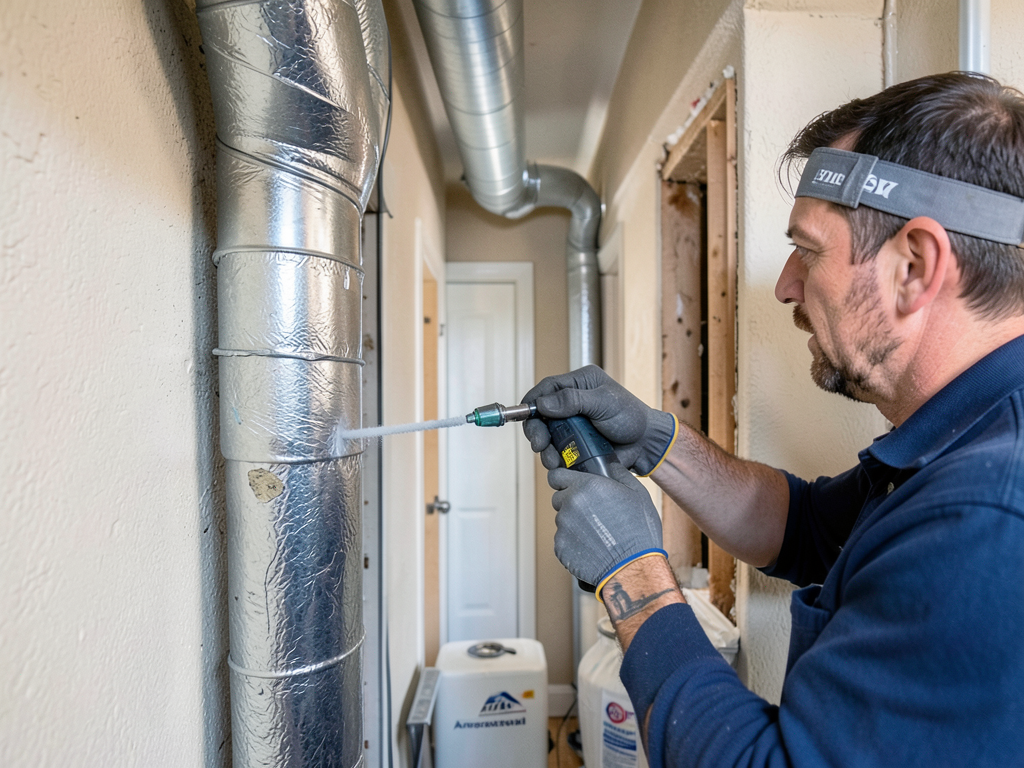
Technician performing air balancing on a Fairmount rowhome, using specialized tools to measure and adjust airflow to middle rooms.
Fairmount-Specific HVAC Considerations
Fairmount’s location in Philadelphia’s river wards means your home experiences unique climate challenges. The neighborhood’s proximity to the Schuylkill River creates higher humidity levels than other parts of the city, making proper dehumidification crucial for comfort and preventing mold growth in middle rooms.
The Philadelphia Energy Authority’s Home Energy Loan Program (HELP) offers financing for energy efficiency improvements in historic homes. Fairmount homeowners can access low-interest loans for HVAC upgrades that improve airflow while reducing energy costs. This program recognizes the unique challenges of maintaining comfort in historic Philadelphia homes.
Fairmount’s historic district status affects what HVAC modifications you can make. The Philadelphia Historical Commission requires review for any exterior changes, including condenser placement. Working with an HVAC contractor familiar with Fairmount’s regulations ensures your upgrades meet both comfort needs and preservation requirements.
The neighborhood’s mature tree canopy, while beautiful, affects how your home heats and cools. Large trees near Fairmount rowhomes provide summer shade but can block winter sun, creating seasonal airflow and temperature challenges that require specialized HVAC solutions.
Fairmount’s elevation, approximately 50 feet above sea level, affects local air pressure patterns. This subtle difference can impact how your HVAC system performs compared to homes in other Philadelphia neighborhoods, making professional assessment crucial for optimal comfort.
When to Call a Fairmount HVAC Professional
If your middle rooms consistently feel 5-10 degrees different from the rest of your home, it’s time for professional assessment. This temperature differential indicates your system can’t overcome the architectural barriers in your Fairmount rowhome, and DIY solutions won’t solve the underlying problems.
Strange noises from your HVAC system, like whistling or rattling, often indicate airflow restrictions that affect middle rooms most severely. These sounds suggest your system is working harder than necessary to push air through constricted spaces, leading to premature wear and inconsistent comfort.
High energy bills combined with comfort complaints are red flags that your Fairmount home’s airflow problems are costing you money. When your system runs constantly but middle rooms stay uncomfortable, you’re paying for conditioned air that never reaches its destination.
If you’re planning renovations in your Fairmount rowhome, involve an HVAC professional early. Changes to walls, ceilings, or room layouts can dramatically affect airflow patterns, and addressing these issues during renovation is much easier than retrofitting later.
Professional HVAC contractors can perform airflow diagnostics using specialized tools like anemometers and thermal imaging cameras. These tests reveal exactly where air is getting lost or restricted in your Fairmount home, allowing for targeted solutions rather than expensive guesswork. Best Rated HVAC Contractors in the Main Line Area.
Maintaining Airflow in Your Fairmount Rowhome
Regular HVAC maintenance is crucial for Fairmount rowhomes, where systems work harder due to architectural constraints. Schedule professional tune-ups twice yearly to ensure your equipment operates efficiently despite the airflow challenges inherent in your home’s design.
Monitor your air filters closely, especially during Philadelphia’s pollen seasons. Fairmount’s mature trees and proximity to Fairmount Park mean higher pollen counts that can clog filters quickly, reducing airflow to middle rooms when you need it most.
Consider installing smart thermostats that learn your home’s unique patterns. These devices can compensate for Fairmount’s airflow quirks by adjusting run times and temperatures based on actual conditions in different areas of your home, not just where the thermostat sits. The True Cost of Installing Central Air in an Older South Philly Rowhome.
Keep vents and returns clear of dust and debris. Fairmount’s older homes tend to accumulate more dust due to their construction methods, and clean vents ensure your system can deliver as much air as possible to middle rooms.
Address humidity issues promptly. Fairmount’s location near the Schuylkill River means higher humidity levels that can make airflow problems feel worse. Proper dehumidification can improve comfort in middle rooms even when temperature issues persist.
The Cost of Poor Airflow in Fairmount Homes
Ignoring airflow problems in your Fairmount rowhome costs more than just comfort. Your HVAC system works 30-50% harder when air can’t circulate properly, leading to higher energy bills and shorter equipment lifespan. The middle rooms that feel uncomfortable are actually costing you money every month.
Poor airflow creates indoor air quality issues that affect your family’s health. Stagnant air in middle rooms can lead to mold growth, dust mite proliferation, and increased allergens. Fairmount’s older homes are particularly susceptible to these problems due to their construction methods and shared wall design.
The resale value of Fairmount homes can be impacted by persistent comfort issues. Buyers are increasingly savvy about HVAC performance, and homes with documented airflow solutions often sell faster and at better prices than those with chronic comfort complaints.
Emergency repairs become more likely when your system constantly struggles with airflow restrictions. The added stress on your HVAC equipment in a Fairmount rowhome can lead to mid-season breakdowns when you need cooling or heating most. Emergency AC Repair in Fishtown (Fast Service When the Heat Hits).
Insurance companies may view persistent moisture issues from poor airflow as increased risk, potentially affecting your coverage or rates. Fairmount’s older homes already face higher insurance costs, and adding airflow-related problems only increases your financial exposure.
Before and after thermal imaging showing improved airflow distribution in a Fairmount rowhome after professional duct sealing and air balancing.
Fairmount Rowhome Airflow Success Stories
We recently helped a Fairmount family on Wallace Street solve their middle room airflow problems with a combination of duct sealing and zoning installation. Their third-floor bedrooms went from 85 degrees in summer to a consistent 72 degrees, while middle rooms maintained comfortable temperatures year-round.
A homeowner on Fairmount Avenue had struggled with cold middle rooms for years before installing a high-velocity system. The new equipment provided even temperatures throughout their 3,000-square-foot rowhome without the extensive renovations traditional ductwork would have required.
Near the Philadelphia Museum of Art, we retrofitted a mini-split system in a Fairmount rowhome’s middle rooms. The solution provided both heating and cooling to previously uncomfortable spaces while preserving the home’s historic character and meeting Historical Commission requirements.
A young family on Corinthian Avenue solved their airflow issues by combining professional air balancing with strategic ceiling fan placement. The simple changes made their middle rooms comfortable without the cost of major HVAC system modifications.
These success stories show that Fairmount’s airflow challenges are solvable with the right approach. Each home requires a unique solution based on its specific layout, existing equipment, and the family’s comfort priorities.
Choosing the Right HVAC Contractor for Your Fairmount Home
Not all HVAC contractors understand Fairmount’s unique challenges. Look for professionals with experience in historic Philadelphia homes who can navigate both the technical and regulatory aspects of upgrading systems in protected neighborhoods.
Ask potential contractors about their experience with Fairmount rowhomes specifically. The narrow party-wall construction and historic district requirements require specialized knowledge that general HVAC companies may not possess.
Request references from other Fairmount homeowners who’ve had similar airflow issues resolved. A reputable contractor should be able to show you before-and-after results from homes with layouts similar to yours.
Ensure your contractor is familiar with Philadelphia’s building codes and the Historical Commission’s requirements. The last thing you want is to invest in an HVAC solution only to discover it violates local regulations.
Look for contractors who offer comprehensive diagnostics before recommending solutions. Fairmount’s airflow problems often have multiple causes, and a thorough assessment ensures you get the right fix rather than an expensive band-aid.
Future-Proofing Your Fairmount Rowhome’s HVAC
As Philadelphia moves toward more energy-efficient building standards, Fairmount homeowners need to think about future-proofing their HVAC systems. The city’s climate action plan includes incentives for energy-efficient upgrades, making now an excellent time to address airflow issues while potentially qualifying for rebates.
Smart HVAC technology can help Fairmount rowhomes overcome their architectural limitations. Modern systems can learn your home’s unique patterns and automatically adjust to provide better comfort in middle rooms without wasting energy in other areas.
Philadelphia’s aging infrastructure means power reliability is becoming a concern. Consider HVAC solutions that include battery backup or can integrate with home generators, ensuring your middle rooms stay comfortable even during summer brownouts or winter storms.
The trend toward remote work means more people are spending time in previously underutilized middle rooms. Upgrading your HVAC system now can improve your quality of life while potentially increasing your home’s value for future buyers who also work from home.
Philadelphia’s building codes continue to evolve, with greater emphasis on energy efficiency and indoor air quality. Investing in modern HVAC solutions for your Fairmount home ensures compliance with current standards while preparing for future requirements.
Frequently Asked Questions
Why are the middle rooms in my Fairmount rowhome always too hot or too cold?
Middle rooms suffer from poor airflow due to Fairmount’s deep, narrow rowhome design. Shared party walls, limited duct space, and the stack effect in three-story homes prevent conditioned air from reaching these areas effectively. The rooms farthest from your HVAC equipment experience the most dramatic temperature swings.
Can I fix poor airflow in my Fairmount rowhome without major renovations?
Yes, many solutions exist that don’t require tearing into walls. Duct sealing, zoning systems, and mini-split installations can dramatically improve airflow without major construction. Professional air balancing can also optimize your existing system’s performance for better middle room comfort.
How much does it cost to improve airflow in a Fairmount rowhome?
Costs vary widely based on your home’s specific issues and the solutions chosen. Simple fixes like duct sealing might cost $500-1,500, while comprehensive solutions like zoning systems or mini-splits can range from $3,000-10,000. Many Fairmount homeowners find that professional assessment helps identify the most cost-effective solutions.
Will improving airflow in my Fairmount home lower my energy bills?
Absolutely. When your HVAC system doesn’t have to work as hard to push air through restrictions, it uses less energy. Many Fairmount homeowners see 15-30% reductions in energy costs after addressing airflow problems, plus their homes become more comfortable year-round.
How do I know if my Fairmount rowhome’s airflow problems are severe enough to require professional help?
If you notice consistent temperature differences of 5+ degrees between rooms, hear unusual noises from your HVAC system, or experience high energy bills despite running your system constantly, professional assessment is warranted. These symptoms indicate your system can’t overcome the architectural barriers in your Fairmount home.
Are there any Philadelphia-specific programs to help with HVAC upgrades in Fairmount?
Yes, the Philadelphia Energy Authority’s Home Energy Loan Program (HELP) offers low-interest financing for energy efficiency improvements in historic homes. Additionally, PECO offers rebates for high-efficiency HVAC equipment. These programs recognize the unique challenges of maintaining comfort in Fairmount’s historic rowhomes.
Don’t let poor airflow continue to make your Fairmount rowhome uncomfortable. The unique architecture of these historic homes requires specialized solutions that address the root causes of airflow problems rather than just treating symptoms. Whether you need simple duct sealing or a comprehensive system upgrade, professional assessment can identify the most effective and cost-efficient path to year-round comfort.
Fairmount’s rowhomes are beloved for their character and history, but their airflow challenges don’t have to be a permanent frustration. Modern HVAC technology offers solutions that work with your home’s architecture rather than against it. The key is working with contractors who understand both the technical aspects of airflow and the specific requirements of Philadelphia’s historic districts.
Your middle rooms can be just as comfortable as the rest of your home. The solutions exist; they just require the right expertise to implement effectively. Stop accepting uncomfortable rooms as inevitable and start enjoying consistent comfort throughout your entire Fairmount rowhome. Expert Boiler Repair and Maintenance for Historic Homes in Chestnut Hill and Mt Airy.
Call (215) 610-9099 today to schedule your Fairmount rowhome airflow assessment. Our experienced technicians understand the unique challenges of Philadelphia’s historic homes and can recommend solutions that will transform your comfort while respecting your home’s architectural integrity. Don’t wait for another uncomfortable season—take the first step toward even, reliable comfort throughout your entire home. Finding a Reliable AC Repair Service in Center City Philadelphia That Actually Shows Up.
Pick up the phone and call (215) 610-9099 before the next heat wave or cold snap hits. Your Fairmount rowhome deserves to be comfortable in every room, and we have the expertise to make it happen. Serving Fairmount and all of Philadelphia’s historic neighborhoods with solutions that work.
You may also find this helpful. How to Calculate the Exact AC Tonnage You Need for a Narrow Logan Square Townhouse.
{
“@context”: “https://schema.org”,
“@type”: “BlogPosting”,
“headline”: “Why the Middle Rooms of Your Fairmount Rowhome Never Get Enough Airflow”,
“description”: “Struggling with poor airflow in your Fairmount rowhome? Discover why middle rooms stay hot or cold and how to fix it with Philly-specific HVAC solutions.”,
“wordCount”: 3278,
“datePublished”: “2026-05-23T07:13:00.000Z”,
“dateModified”: “2026-05-23T07:13:00.000Z”,
“inLanguage”: “en-US”,
“mainEntityOfPage”: {
“@type”: “WebPage”,
“@id”: “https://elitehvacphiladelphia.com”
},
“publisher”: {
“@type”: “LocalBusiness”,
“name”: “Elite HVAC Philadelphia”,
“url”: “https://elitehvacphiladelphia.com”
},
“author”: {
“@type”: “Organization”,
“name”: “Elite HVAC Philadelphia”,
“url”: “https://elitehvacphiladelphia.com”
},
“image”: {
“@type”: “ImageObject”,
“url”: “https://elitehvacphiladelphia.com/wp-content/uploads/2026/03/why-the-middle-rooms-of-your-fairmount-rowhome-nev-1.png”
}
}
{
“@context”: “https://schema.org”,
“@type”: “HVACBusiness”,
“name”: “Elite HVAC Philadelphia”,
“url”: “https://elitehvacphiladelphia.com”,
“address”: {
“@type”: “PostalAddress”,
“addressLocality”: “Philadelphia”
},
“areaServed”: {
“@type”: “City”,
“name”: “Philadelphia”
}
}
{
“@context”: “https://schema.org”,
“@type”: “FAQPage”,
“mainEntity”: [
{
“@type”: “Question”,
“name”: “Why are the middle rooms in my Fairmount rowhome always too hot or too cold?”,
“acceptedAnswer”: {
“@type”: “Answer”,
“text”: “Middle rooms suffer from poor airflow due to Fairmount’s deep, narrow rowhome design. Shared party walls, limited duct space, and the stack effect in three-story homes prevent conditioned air from reaching these areas effectively. The rooms farthest from your HVAC equipment experience the most dramatic temperature swings.”
}
},
{
“@type”: “Question”,
“name”: “Can I fix poor airflow in my Fairmount rowhome without major renovations?”,
“acceptedAnswer”: {
“@type”: “Answer”,
“text”: “Yes, many solutions exist that don’t require tearing into walls. Duct sealing, zoning systems, and mini-split installations can dramatically improve airflow without major construction. Professional air balancing can also optimize your existing system’s performance for better middle room comfort.”
}
},
{
“@type”: “Question”,
“name”: “How much does it cost to improve airflow in a Fairmount rowhome?”,
“acceptedAnswer”: {
“@type”: “Answer”,
“text”: “Costs vary widely based on your home’s specific issues and the solutions chosen. Simple fixes like duct sealing might cost $500-1,500, while comprehensive solutions like zoning systems or mini-splits can range from $3,000-10,000. Many Fairmount homeowners find that professional assessment helps identify the most cost-effective solutions.”
}
},
{
“@type”: “Question”,
“name”: “Will improving airflow in my Fairmount home lower my energy bills?”,
“acceptedAnswer”: {
“@type”: “Answer”,
“text”: “Absolutely. When your HVAC system doesn’t have to work as hard to push air through restrictions, it uses less energy. Many Fairmount homeowners see 15-30% reductions in energy costs after addressing airflow problems, plus their homes become more comfortable year-round.”
}
},
{
“@type”: “Question”,
“name”: “How do I know if my Fairmount rowhome’s airflow problems are severe enough to require professional help?”,
“acceptedAnswer”: {
“@type”: “Answer”,
“text”: “If you notice consistent temperature differences of 5+ degrees between rooms, hear unusual noises from your HVAC system, or experience high energy bills despite running your system constantly, professional assessment is warranted. These symptoms indicate your system can’t overcome the architectural barriers in your Fairmount home.”
}
}
]
}
{
“@context”: “https://schema.org”,
“@type”: “BreadcrumbList”,
“itemListElement”: [
{
“@type”: “ListItem”,
“position”: 1,
“name”: “Home”,
“item”: “https://elitehvacphiladelphia.com”
},
{
“@type”: “ListItem”,
“position”: 2,
“name”: “Blog”,
“item”: “https://elitehvacphiladelphia.com/blog”
},
{
“@type”: “ListItem”,
“position”: 3,
“name”: “Why the Middle Rooms of Your Fairmount Rowhome Never Get Enough Airflow”
}
]
}
{
“@context”: “https://schema.org”,
“@type”: “Service”,
“serviceType”: “HVAC”,
“provider”: {
“@type”: “LocalBusiness”,
“name”: “Elite HVAC Philadelphia”,
“url”: “https://elitehvacphiladelphia.com”
},
“areaServed”: {
“@type”: “City”,
“name”: “Philadelphia”
},
“description”: “Struggling with poor airflow in your Fairmount rowhome? Discover why middle rooms stay hot or cold and how to fix it with Philly-specific HVAC solutions.”
}