
Why Gladwyne Homeowners are Moving Toward Dual Fuel Systems for Year Round Comfort
Dual fuel systems combine an electric heat pump with a gas furnace to deliver efficient heating and cooling for Philadelphia’s variable climate. For Gladwyne residents facing humid summers and cold winters this hybrid approach automatically switches between energy sources based on outdoor temperatures maximizing both comfort and cost savings throughout the year. Energy Star heat pump efficiency standards.
Philadelphia’s climate creates unique challenges for single-system HVAC solutions. The region experiences everything from muggy 90-degree summer days to freezing winter nights that can drop below 20 degrees Fahrenheit. A dual fuel system handles both extremes efficiently by using the heat pump during mild conditions and switching to the gas furnace when temperatures plummet.. Read more about Energy Efficient Cooling Strategies for Modern Glass Homes in Gladwyne.
The balance point typically occurs around 35-40 degrees in the Greater Philadelphia area. Above this temperature the heat pump operates efficiently extracting heat from outdoor air even in cold conditions. Below this point the system automatically activates the gas furnace which performs better in extreme cold. This intelligent switching prevents the energy waste that occurs when a heat pump struggles in freezing temperatures.
Energy costs in Montgomery County make dual fuel particularly attractive. Pennsylvania electricity rates average around 16-18 cents per kilowatt-hour while natural gas costs approximately $1.50 per therm. During most of the heating season the heat pump uses less expensive electricity. Only during the coldest weeks does the system rely on gas optimizing your utility expenses across all seasons. Montgomery County building codes.
How Dual Fuel Systems Work in Philadelphia’s Climate
Dual fuel systems monitor outdoor temperatures continuously and make real-time decisions about which heating source to use. During Philadelphia’s transitional seasons of spring and fall the heat pump handles both heating and cooling needs efficiently. Summer brings high humidity that challenges single-stage systems but dual fuel heat pumps with variable-speed compressors maintain consistent indoor comfort while managing moisture levels effectively.
Winter presents the biggest test for any HVAC system in the Delaware Valley. When polar vortex events push temperatures into the teens or single digits traditional heat pumps lose efficiency rapidly. A dual fuel system recognizes this condition and seamlessly transitions to gas heating maintaining steady indoor temperatures without the dramatic energy spikes that plague all-electric homes during cold snaps.
The system’s smart thermostat learns your home’s patterns and local weather forecasts. It can pre-condition your home before extreme weather arrives and adjust operation based on utility rate schedules. Some Gladwyne homeowners report 20-30% lower annual heating costs compared to conventional systems with the highest savings occurring during the long shoulder seasons when temperatures hover between 40-60 degrees.
Top 5 Benefits for Gladwyne Homeowners
- Year-Round Energy Efficiency – The system selects the most cost-effective heating source automatically reducing energy consumption by up to 30% compared to single-fuel systems.
- Consistent Comfort – Variable-speed operation eliminates temperature swings and maintains ideal humidity levels throughout your home.
- Environmental Responsibility – Lower carbon emissions than traditional HVAC systems especially when paired with renewable electricity sources.
- System Longevity – Both components share the workload potentially extending the lifespan of your entire HVAC system beyond 15-20 years.
- Increased Home Value – Energy-efficient upgrades appeal to buyers and can increase property values in the competitive Main Line market.
Cost Analysis and Local Rebates for Gladwyne Residents
Installing a dual fuel system represents a significant investment for Gladwyne homeowners. Complete system installations typically range from $12000 to $25000 depending on home size existing ductwork condition and equipment efficiency ratings. While the upfront cost exceeds standard HVAC replacements federal tax credits and local utility rebates can offset 30-40% of the total investment. The True Cost of Installing Central Air in an Older South Philly Rowhome.
The federal government offers up to $2000 in tax credits for qualifying high-efficiency heat pumps under the Inflation Reduction Act. PECO Energy Company provides additional rebates of $500-$1500 for energy-efficient HVAC upgrades in their service territory. These incentives combined with reduced monthly utility bills can shorten the payback period to 5-7 years for many Gladwyne homes. PECO energy rebates.
SEER2 ratings measure cooling efficiency while HSPF2 ratings measure heating efficiency. For the Philadelphia climate systems with SEER2 ratings of 16+ and HSPF2 ratings of 9+ deliver optimal performance and qualify for maximum rebates. Higher efficiency ratings mean lower operating costs but increase initial equipment prices.. Read more about How to Use Federal Tax Credits and PECO Rebates to Save on Your Next Philly HVAC Upgrade.
Table 1: Cost Comparison of HVAC System Options
| System Type | Installation Cost | Annual Operating Cost | Expected Lifespan |
|---|---|---|---|
| Standard Gas Furnace + AC | $8000 – $12000 | $1800 – $2200 | 15-20 years |
| Electric Heat Pump Only | $10000 – $18000 | $1400 – $2000 | 12-15 years |
| Dual Fuel System | $12000 – $25000 | $1200 – $1600 | 15-20 years |
Installation Process and What to Expect
Professional installation of a dual fuel system requires careful assessment of your Gladwyne home’s specific needs. The process begins with a comprehensive load calculation using Manual J standards to determine the exact heating and cooling capacity required. This calculation considers your home’s square footage insulation levels window orientation and local climate data for Montgomery County.
Existing ductwork must be evaluated for proper sizing and condition. Many Gladwyne homes built before 1980 have undersized or leaky ducts that reduce system efficiency by 20-30%. Sealing and insulating ductwork typically adds $1000-$3000 to the project but significantly improves performance and comfort.
Smart thermostats are essential for dual fuel systems providing the intelligence needed to optimize switching between heat pump and furnace operation. Modern learning thermostats can reduce energy consumption by an additional 10-15% by adapting to your schedule and preferences. Installation includes proper wiring and configuration to ensure seamless transitions between heating modes.
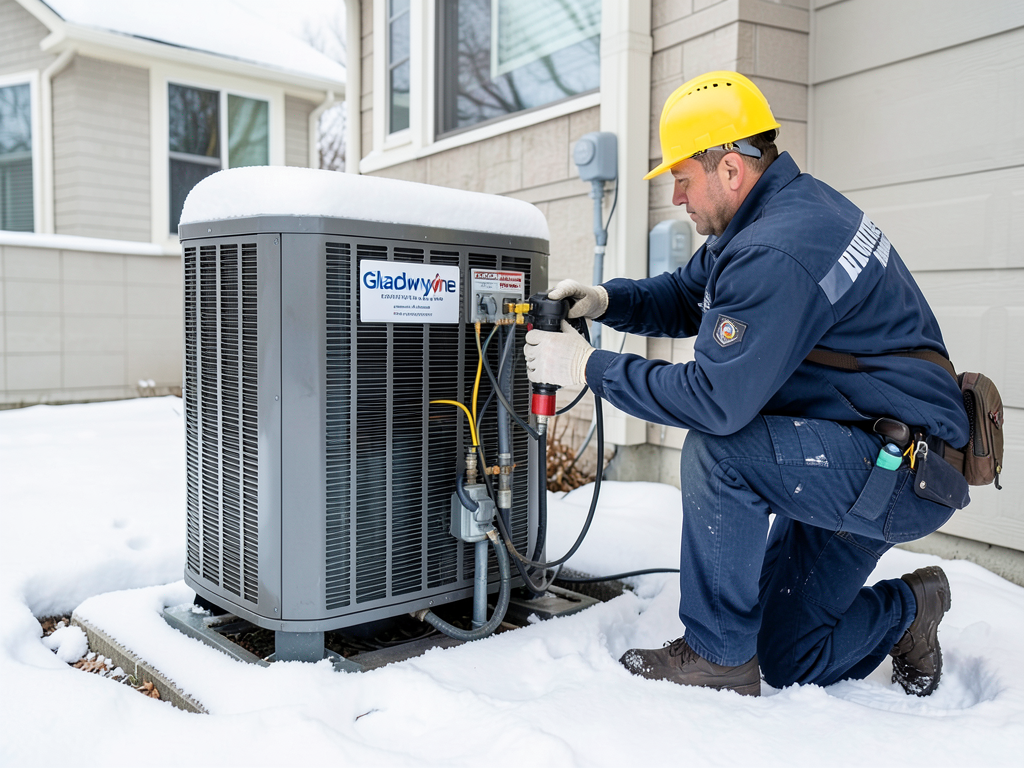
Outdoor unit placement requires consideration of local building codes and neighborhood aesthetics. Montgomery County regulations specify minimum distances from property lines and requirements for noise reduction in residential areas. The outdoor heat pump unit needs adequate clearance for airflow and protection from snow accumulation during Philadelphia’s winter storms.
Environmental Impact and Energy Savings
Dual fuel systems significantly reduce carbon emissions compared to traditional HVAC equipment. By using electricity for most heating needs and only switching to gas during extreme cold these systems can cut greenhouse gas emissions by 40-60% depending on your electricity source. As Pennsylvania’s grid incorporates more renewable energy the environmental benefits of dual fuel systems will continue to improve.
Indoor air quality also benefits from dual fuel technology. Heat pumps provide superior dehumidification during summer months reducing mold and mildew growth common in Philadelphia’s humid climate. The systems filter air continuously removing allergens and pollutants that affect respiratory health. Many Gladwyne residents report fewer allergy symptoms after upgrading to high-efficiency dual fuel systems.
Water heating represents another opportunity for energy savings. Some dual fuel systems include desuperheaters that capture waste heat from the cooling cycle to provide free hot water during summer months. This feature can reduce water heating costs by 20-30% annually providing additional return on your HVAC investment.
Maintenance Requirements for Optimal Performance
Dual fuel systems require semi-annual maintenance to ensure reliable operation throughout Philadelphia’s demanding seasons. Spring maintenance includes cleaning the outdoor coil checking refrigerant levels and testing the cooling cycle. Fall maintenance focuses on the gas furnace including burner inspection heat exchanger examination and safety control testing. Finding a Reliable AC Repair Service in Center City Philadelphia That Actually Shows Up.
Montgomery County’s freeze-thaw cycles create unique challenges for outdoor equipment. Ice buildup on the outdoor unit during winter can restrict airflow and reduce efficiency. Professional technicians use specialized tools to clear ice safely without damaging coil fins. Annual inspections should include checking for refrigerant leaks which can reduce system efficiency by up to 20% if left unaddressed.
Smart thermostat programming requires occasional adjustment as your household patterns change. Many Gladwyne homeowners benefit from professional optimization services that fine-tune system operation based on actual energy usage data. These adjustments can improve efficiency by an additional 5-10% beyond the system’s rated performance. Best Rated HVAC Contractors in the Main Line Area.
Is a Dual Fuel System Right for Your Gladwyne Home?
Several factors determine whether dual fuel technology makes sense for your specific situation. Homes with existing natural gas service have the lowest installation costs since gas lines are already available. Properties without gas service may require new line installation adding $1500-$3000 to the project cost.
Older Gladwyne homes with poor insulation or drafty windows may not see optimal savings from dual fuel systems. Addressing these building envelope issues first often provides better returns than upgrading HVAC equipment. A professional energy audit can identify whether your home is ready for high-efficiency heating and cooling technology.
Climate considerations also matter. While dual fuel systems excel in Philadelphia’s climate homes in warmer microclimates within Montgomery County might achieve better results with high-efficiency heat pumps alone. Local HVAC professionals can model energy costs for your specific location and usage patterns to determine the optimal solution.
Table 2: Philadelphia Climate Data and System Performance
| Metric | Philadelphia Average | Impact on Dual Fuel System |
|---|---|---|
| Annual Heating Degree Days | 5200 | High heating demand supports system efficiency |
| Annual Cooling Degree Days | 1000 | Moderate cooling load extends equipment life |
| Winter Low Temperature | 20°F | Balance point typically 35-40°F |
| Summer High Temperature | 87°F | Heat pump handles cooling efficiently |
| Annual Precipitation | 41 inches | High humidity requires effective dehumidification |
Finding the Right HVAC Contractor in Gladwyne
Selecting an experienced HVAC contractor is crucial for dual fuel system success. Look for NATE-certified technicians who understand Philadelphia’s specific climate challenges and building code requirements. Ask potential contractors about their experience with dual fuel installations in Montgomery County and request references from Gladwyne homeowners.
Professional contractors should provide detailed load calculations equipment specifications and written estimates. Be wary of companies offering quotes without inspecting your home or evaluating existing ductwork. Quality installation significantly impacts system efficiency with poor workmanship potentially reducing performance by 15-30%.
Local building codes in Montgomery County require permits for HVAC replacements and specific venting requirements for gas equipment. Reputable contractors handle permit applications and inspections as part of their service. They should also provide manufacturer warranties of 10+ years on major components when installed by certified professionals.
Elite HVAC Philadelphia has served the Greater Philadelphia area for over 15 years specializing in high-efficiency heating and cooling solutions. Our NATE-certified technicians understand the unique challenges of Gladwyne homes from historic properties to modern constructions. We handle everything from emergency repairs to complete system replacements with 24/7 emergency service available throughout Montgomery County. Emergency AC Repair in Fishtown (Fast Service When the Heat Hits).
Ready to explore dual fuel options for your Gladwyne home? Call (215) 610-9099 today to schedule your free consultation. Our experts will evaluate your current system discuss your comfort needs and provide a detailed proposal with available rebates and financing options. Don’t wait until the next cold snap to upgrade your home’s comfort and efficiency. Expert Boiler Repair and Maintenance for Historic Homes in Chestnut Hill and Mt Airy.
Frequently Asked Questions
How long does it take to install a dual fuel system?
Most dual fuel installations in Gladwyne homes take 2-3 days for complete replacement. This includes removing old equipment installing new components testing the system and programming the smart thermostat. Complex installations involving ductwork modifications may require additional time.
Will a dual fuel system work during power outages?
Standard dual fuel systems require electricity to operate both the heat pump and furnace controls. However you can add a backup generator or battery system to maintain heating during outages. Some Gladwyne homeowners install whole-house generators specifically to power their HVAC systems during winter storms.
What maintenance costs should I expect?
Annual maintenance for dual fuel systems typically costs $150-$300 per visit with two visits recommended each year. This includes cleaning safety inspections and system optimization. Many Gladwyne homeowners opt for maintenance agreements that provide priority service and discounted rates on repairs.
Can I keep my existing furnace and add just a heat pump?
Yes many Gladwyne homes successfully integrate new heat pumps with existing gas furnaces. This approach reduces upfront costs while still providing the benefits of dual fuel operation. However older furnaces may limit the system’s overall efficiency and may need replacement within a few years anyway.
How noisy are outdoor heat pump units?
Modern heat pumps operate at 50-70 decibels similar to moderate rainfall. Variable-speed models tend to be quieter than single-stage units. Montgomery County building codes specify minimum distance requirements from property lines to address noise concerns in residential areas.
{
“@context”: “https://schema.org”,
“@type”: “BlogPosting”,
“headline”: “Why Gladwyne Homeowners are Moving Toward Dual Fuel Systems for Year Round Comfort”,
“description”: “Learn why Gladwyne homeowners choose dual fuel systems for efficient heating and cooling in Philadelphia’s climate. Get local rebates and expert installation.”,
“wordCount”: 2066,
“datePublished”: “2026-04-29T09:34:00.000Z”,
“dateModified”: “2026-04-29T09:34:00.000Z”,
“inLanguage”: “en-US”,
“mainEntityOfPage”: {
“@type”: “WebPage”,
“@id”: “https://elitehvacphiladelphia.com”
},
“publisher”: {
“@type”: “LocalBusiness”,
“name”: “Elite HVAC Philadelphia”,
“url”: “https://elitehvacphiladelphia.com”
},
“author”: {
“@type”: “Organization”,
“name”: “Elite HVAC Philadelphia”,
“url”: “https://elitehvacphiladelphia.com”
},
“image”: {
“@type”: “ImageObject”,
“url”: “https://elitehvacphiladelphia.com/wp-content/uploads/2026/03/why-gladwyne-homeowners-are-moving-toward-dual-fue-1.png”
}
}
{
“@context”: “https://schema.org”,
“@type”: “HVACBusiness”,
“name”: “Elite HVAC Philadelphia”,
“url”: “https://elitehvacphiladelphia.com”,
“address”: {
“@type”: “PostalAddress”,
“addressLocality”: “Philadelphia”
},
“areaServed”: {
“@type”: “City”,
“name”: “Philadelphia”
}
}
{
“@context”: “https://schema.org”,
“@type”: “FAQPage”,
“mainEntity”: [
{
“@type”: “Question”,
“name”: “Is a Dual Fuel System Right for Your Gladwyne Home?”,
“acceptedAnswer”: {
“@type”: “Answer”,
“text”: “Several factors determine whether dual fuel technology makes sense for your specific situation. Homes with existing natural gas service have the lowest installation costs since gas lines are already available. Properties without gas service may require new line installation adding $1500-$3000 to the project cost.”
}
},
{
“@type”: “Question”,
“name”: “How long does it take to install a dual fuel system?”,
“acceptedAnswer”: {
“@type”: “Answer”,
“text”: “Most dual fuel installations in Gladwyne homes take 2-3 days for complete replacement. This includes removing old equipment installing new components testing the system and programming the smart thermostat. Complex installations involving ductwork modifications may require additional time.”
}
},
{
“@type”: “Question”,
“name”: “Will a dual fuel system work during power outages?”,
“acceptedAnswer”: {
“@type”: “Answer”,
“text”: “Standard dual fuel systems require electricity to operate both the heat pump and furnace controls. However you can add a backup generator or battery system to maintain heating during outages. Some Gladwyne homeowners install whole-house generators specifically to power their HVAC systems during winter storms.”
}
},
{
“@type”: “Question”,
“name”: “What maintenance costs should I expect?”,
“acceptedAnswer”: {
“@type”: “Answer”,
“text”: “Annual maintenance for dual fuel systems typically costs $150-$300 per visit with two visits recommended each year. This includes cleaning safety inspections and system optimization. Many Gladwyne homeowners opt for maintenance agreements that provide priority service and discounted rates on repairs.”
}
},
{
“@type”: “Question”,
“name”: “Can I keep my existing furnace and add just a heat pump?”,
“acceptedAnswer”: {
“@type”: “Answer”,
“text”: “Yes many Gladwyne homes successfully integrate new heat pumps with existing gas furnaces. This approach reduces upfront costs while still providing the benefits of dual fuel operation. However older furnaces may limit the system’s overall efficiency and may need replacement within a few years anyway.”
}
},
{
“@type”: “Question”,
“name”: “How noisy are outdoor heat pump units?”,
“acceptedAnswer”: {
“@type”: “Answer”,
“text”: “Modern heat pumps operate at 50-70 decibels similar to moderate rainfall. Variable-speed models tend to be quieter than single-stage units. Montgomery County building codes specify minimum distance requirements from property lines to address noise concerns in residential areas.”
}
}
]
}
{
“@context”: “https://schema.org”,
“@type”: “BreadcrumbList”,
“itemListElement”: [
{
“@type”: “ListItem”,
“position”: 1,
“name”: “Home”,
“item”: “https://elitehvacphiladelphia.com”
},
{
“@type”: “ListItem”,
“position”: 2,
“name”: “Blog”,
“item”: “https://elitehvacphiladelphia.com/blog”
},
{
“@type”: “ListItem”,
“position”: 3,
“name”: “Why Gladwyne Homeowners are Moving Toward Dual Fuel Systems for Year Round Comfort”
}
]
}
{
“@context”: “https://schema.org”,
“@type”: “Service”,
“serviceType”: “HVAC”,
“provider”: {
“@type”: “LocalBusiness”,
“name”: “Elite HVAC Philadelphia”,
“url”: “https://elitehvacphiladelphia.com”
},
“areaServed”: {
“@type”: “City”,
“name”: “Philadelphia”
},
“description”: “Learn why Gladwyne homeowners choose dual fuel systems for efficient heating and cooling in Philadelphia’s climate. Get local rebates and expert installation.”
}