
Expert Dual Fuel HVAC Installation & Repair in Main Line, PA
Dual fuel heating systems are rapidly replacing traditional furnaces across Main Line estates. These hybrid systems combine an electric heat pump with a gas furnace to deliver year-round comfort while cutting energy costs by up to 30%. For homeowners in neighborhoods like Ardmore Wayne and Bryn Mawr the technology makes perfect sense given our cold winters and high summer humidity.
Main Line homes built before 1980 often struggle with outdated boilers or single-stage furnaces that waste energy. A modern dual fuel setup automatically switches between the heat pump and gas furnace based on outdoor temperature. This means you get the efficiency of a heat pump when it is mild and the power of gas when temperatures drop below freezing. The system typically transitions around 35°F to 40°F a setting optimized for the Philadelphia climate zone. Expert Boiler Repair and Maintenance for Historic Homes in Chestnut Hill and Mt Airy.
Beyond comfort these systems qualify for substantial rebates through PECO’s Smart Ideas program and federal tax credits under the Inflation Reduction Act. Main Line residents can receive up to $2 000 back on installation plus ongoing savings on monthly utility bills. The investment pays for itself within 5 to 7 years in most cases. PECO’s Smart Ideas program.
What is a Dual Fuel (Hybrid) System?
A dual fuel system pairs an air source heat pump with a high-efficiency gas furnace. The heat pump handles heating and cooling when outdoor temperatures are moderate. When it gets too cold for the heat pump to work efficiently the system automatically switches to the gas furnace. This “fuel switching” maximizes efficiency and comfort year-round.
The heat pump uses electricity to move heat rather than generate it. In winter it extracts warmth from outdoor air even in sub-freezing conditions. During summer it reverses to provide air conditioning. The gas furnace serves as a backup for the coldest days when heat pump efficiency drops.
Modern systems include smart thermostats that monitor outdoor conditions and optimize the switchover point. This ensures you always use the most cost-effective fuel source without manual adjustments. The technology continuously learns your home’s patterns to improve performance over time.
Why Dual Fuel is the Ideal Choice for Main Line Homes
Main Line estates present unique heating challenges. Many homes feature stone or brick construction with poor insulation by modern standards. Original single-pane windows and drafty doors force HVAC systems to work harder. A dual fuel system addresses these issues through intelligent operation.
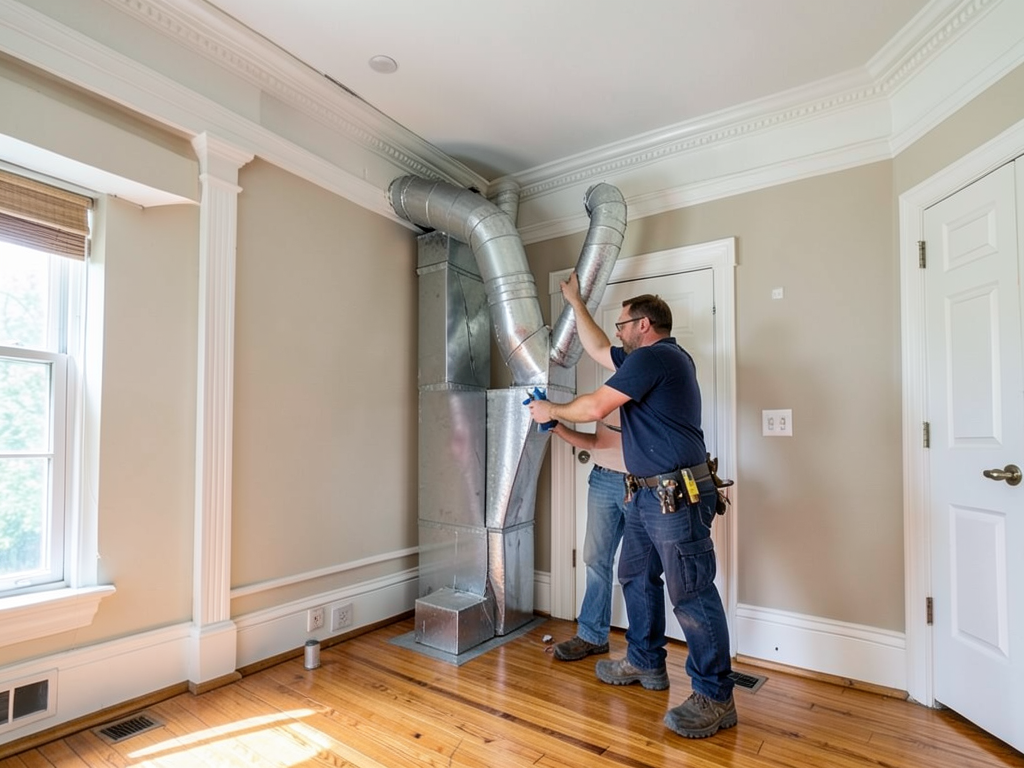
Historic homes in Radnor and Gladwyne often have steam or hot water radiators that are expensive to operate. Converting to forced air with a dual fuel system modernizes the home while preserving its character. The ductwork can be installed in existing cavities to minimize disruption to historic interiors.
Energy costs on the Main Line run higher than suburban averages due to older infrastructure. PECO’s tiered pricing means the more energy you use the more you pay per kilowatt-hour. A dual fuel system reduces peak demand charges by using the most efficient heating method available at any given time.
Local weather patterns create ideal conditions for hybrid systems. Philadelphia experiences rapid temperature swings during shoulder seasons. One day might start at 60°F and drop to 25°F by nightfall. A dual fuel system handles these fluctuations automatically without the temperature swings common with single-source systems.
The Economics: PECO Rebates and Tax Credits
PECO offers rebates up to $2 000 for qualifying high-efficiency heat pump installations. The program requires minimum SEER2 ratings of 15 and HSPF2 ratings of 8.5. These standards ensure you get a premium system that delivers real energy savings.
The federal Inflation Reduction Act provides tax credits covering 30% of installation costs up to $2 000. This applies to both the equipment and labor. For a $10 000 installation you could receive $3 000 back between PECO rebates and federal credits. federal tax credits.
Local utility rates make the economics even more attractive. PECO’s winter rates drop significantly during off-peak hours. A dual fuel system can be programmed to maximize heating during these lower-cost periods. This strategic operation can reduce winter heating bills by an additional 15% to 20%.
Maintenance costs also decrease with modern systems. Today’s heat pumps include variable-speed compressors that reduce wear and tear. The gas furnace only runs during extreme cold reducing its runtime by 60% to 70% compared to traditional setups.
Our Main Line Service Area
We serve all Main Line communities from Lower Merion to Tredyffrin. Our technicians understand the specific requirements of each township’s building codes and permit processes. We handle everything from historic home conversions in Wayne to new construction in newer developments.
Ardmore homeowners appreciate our expertise with older homes that need careful retrofitting. We preserve original architectural features while upgrading to modern HVAC technology. Our team knows which ductwork routes work best in narrow colonial floor plans.
In Bryn Mawr we frequently convert homes from oil to dual fuel systems. This switch eliminates the need for oil tank maintenance and reduces heating costs by 40% or more. The transition typically takes 2 to 3 days with minimal disruption to your daily routine.
Villanova residents often choose premium systems with advanced filtration. These setups include HEPA filters and UV lights that improve indoor air quality. This is especially important for homes near areas with high pollen counts or near construction zones.
Common Dual Fuel FAQs for Pennsylvania Homeowners
When does the gas furnace kick in?
The switchover typically occurs between 35°F and 40°F outdoor temperature. Your system’s smart thermostat determines the exact point based on current conditions and your home’s heating characteristics. Some premium systems adjust this threshold automatically throughout the season.
How much can I save on winter heating?
Most Main Line homeowners save 25% to 35% on annual heating costs after switching to dual fuel. Homes currently using heating oil see the biggest savings often 40% or more. The exact amount depends on your home’s insulation outdoor temperatures and local utility rates.
Do I need to modify my existing ductwork?
Most homes can use existing ductwork with minor modifications. Our technicians inspect your current system and recommend any necessary upgrades. Homes with radiators may need new duct runs but we work to minimize structural changes.
What maintenance does a dual fuel system require?
Annual maintenance includes cleaning the outdoor coil checking refrigerant levels and inspecting the gas furnace. We recommend bi-annual service for optimal performance. Our maintenance plans include priority scheduling and discounted repairs. Emergency AC Repair in Fishtown (Fast Service When the Heat Hits).
Can I control the system remotely?
Yes all modern dual fuel systems include Wi-Fi enabled thermostats. You can adjust temperatures monitor energy usage and receive maintenance alerts from your smartphone. Some systems integrate with whole-home automation platforms.
- Assess Your Home’s Needs
Our technicians evaluate your home’s size insulation and existing HVAC setup. We consider factors like window efficiency and local climate patterns to recommend the right system capacity.
- Select the Right Equipment
We help you choose between different SEER2 and HSPF2 ratings based on your budget and energy goals. Higher efficiency ratings cost more upfront but deliver greater long-term savings.
- Plan the Installation
We handle permits coordinate with PECO for any electrical upgrades and schedule the work to minimize disruption. Most installations complete within 2 to 3 days.
- Configure Smart Controls
We program your thermostat for optimal performance in the Philadelphia climate. This includes setting the correct switchover temperature and programming energy-saving schedules.
- Register for Rebates
We assist with all rebate applications and tax credit documentation. Our team ensures you receive every available incentive to maximize your investment return.
Technical Specifications and Performance Data
Modern dual fuel systems achieve SEER2 ratings up to 20.5 and HSPF2 ratings up to 10.2. These numbers represent significant improvements over systems from just five years ago. The higher ratings translate directly to lower utility bills and faster payback periods.
Sound levels have also improved dramatically. Today’s outdoor units operate at 55 to 65 decibels comparable to normal conversation. This matters for Main Line homes where outdoor units often sit near patios or bedroom windows.
Indoor air quality features include multi-stage filtration that captures particles down to 0.3 microns. This removes pollen dust and other allergens from your home’s air. Some systems include humidity control that maintains optimal levels between 30% and 50% year-round.
Energy efficiency ratios show the real-world impact. A typical 2 500 square foot home might use 800 therms of natural gas annually with a traditional furnace. The same home with a dual fuel system uses only 300 to 350 therms plus electricity for the heat pump.
Installation Process and Timeline
The installation begins with a comprehensive home energy audit. We measure insulation levels check ductwork integrity and evaluate your electrical service capacity. This assessment ensures we recommend the right system size and identify any necessary upgrades.
Day one involves removing the old equipment and preparing the installation site. Our team protects your floors and furniture during the process. We install new electrical connections and verify that your home’s electrical panel can handle the new system.
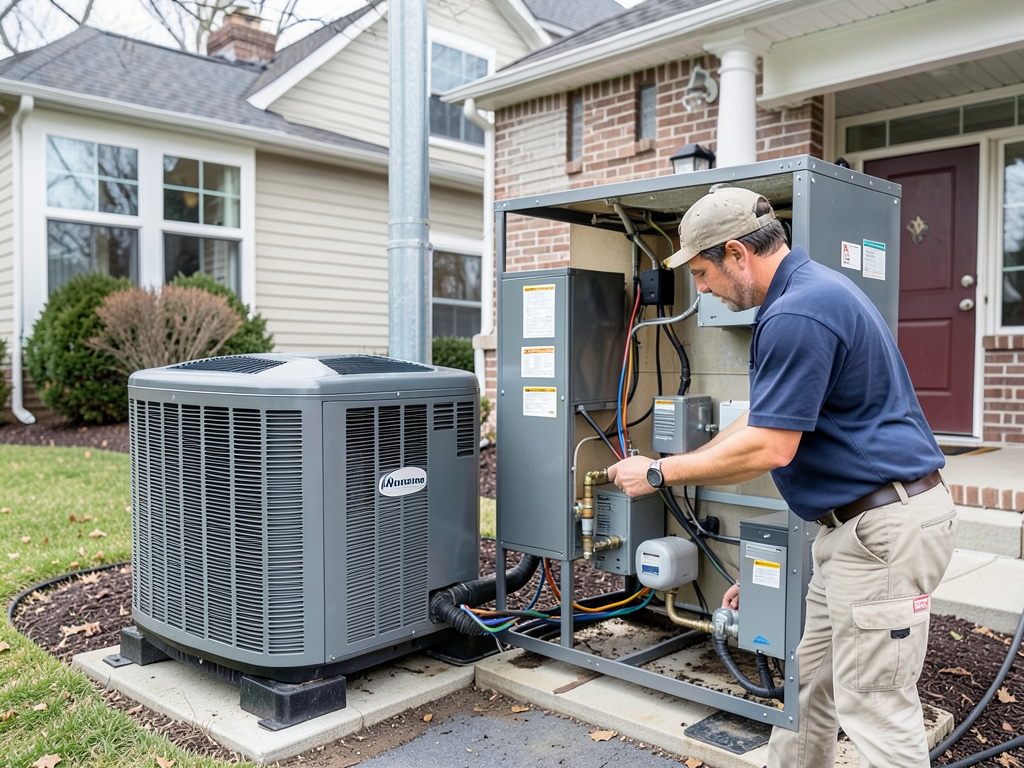
Day two focuses on installing the new equipment. The outdoor unit mounts on a concrete pad or rooftop depending on your home’s layout. We connect refrigerant lines run new ductwork if needed and install the indoor furnace and coil. The True Cost of Installing Central Air in an Older South Philly Rowhome.
Day three includes system testing and calibration. We verify proper operation check for refrigerant leaks and program the thermostat. We also demonstrate the system’s features and answer any questions you have about operation and maintenance.
The entire process typically completes in 48 to 72 hours. We clean up thoroughly and dispose of all old equipment following EPA guidelines for refrigerant recovery.
Comparing Dual Fuel to Other Heating Options
| System Type | Initial Cost | Annual Operating Cost | Efficiency | Best For |
|---|---|---|---|---|
| Dual Fuel | $$$-$$$$ | $$ | High | Year-round comfort |
| Gas Furnace Only | $$-$$$ | $$ | Medium | Cold climates |
| Heat Pump Only | $$-$$$ | $ | High (mild weather) | Mild climates |
| Boiler System | $$$ | $$$ | Low | Radiant heating |
Dual fuel systems offer the best balance of comfort and efficiency for Main Line homes. They cost more upfront than single-source systems but deliver superior performance and lower operating costs over time.
Gas furnaces alone work well in extreme cold but waste energy during mild weather. Heat pumps alone struggle when temperatures drop below freezing. Boilers provide excellent radiant heat but cost significantly more to operate and lack cooling capability.
The flexibility of dual fuel means you always use the most efficient heating method available. This adaptability becomes increasingly valuable as weather patterns become more unpredictable due to climate change.
Environmental Impact and Sustainability
Dual fuel systems reduce carbon emissions by 30% to 40% compared to traditional heating methods. The heat pump uses electricity which can come from renewable sources. As Pennsylvania’s grid becomes cleaner the environmental benefits of dual fuel systems increase.
Natural gas burns cleaner than heating oil or propane. Modern condensing furnaces achieve 98% efficiency extracting maximum heat from every cubic foot of gas. This high efficiency means lower emissions per unit of heat delivered.
Smart controls optimize energy usage based on real-time grid conditions. Some systems can automatically reduce consumption during peak demand periods helping stabilize the electrical grid. This demand response capability becomes more important as more homes add electric vehicle chargers and other high-load devices.
Indoor air quality improvements also contribute to sustainability. Better filtration reduces the need for air purifiers and other supplemental equipment. Proper humidity control prevents mold growth reducing the need for remediation and replacement of damaged materials. Weak Airflow from Vents.
Financing and Investment Considerations
Many homeowners worry about the upfront cost of dual fuel systems. However financing options make the investment more manageable. Monthly payments often cost less than the energy savings the system generates.
0% interest financing for 12 to 24 months is available for qualified buyers. Longer-term options with competitive rates spread payments over 5 to 10 years. These plans make it possible to upgrade without depleting savings or home equity.
The return on investment calculation includes more than just energy savings. Dual fuel systems increase home value by improving comfort and reducing utility costs for future buyers. Appraisers now recognize high-efficiency HVAC as a valuable home improvement.
Insurance companies may offer premium discounts for homes with modern HVAC systems. Some providers recognize that newer equipment reduces the risk of water damage from frozen pipes or other climate-related issues.
Consider the cost of doing nothing. Aging HVAC systems become less efficient each year. A 15-year-old furnace might operate at only 60% efficiency wasting 40% of your heating budget. The cost of continued repairs and inefficiency often exceeds the payment on a new system.
Maintenance and Longevity
Proper maintenance extends the life of your dual fuel system to 15 to 20 years. The heat pump and gas furnace share many components reducing overall maintenance needs compared to separate systems.
Annual professional service includes checking refrigerant levels cleaning coils and inspecting gas connections. We also test safety controls and verify that the switchover mechanism works correctly. These checks prevent costly breakdowns and ensure safe operation.
DIY maintenance tasks include changing filters monthly and keeping the outdoor unit clear of debris. Trim vegetation at least two feet from the unit and ensure the pad remains level. These simple steps improve efficiency and prevent damage.
Smart thermostats provide early warning of potential issues. They monitor system performance and alert you to problems like restricted airflow or declining efficiency. Early detection allows for preventive repairs that cost much less than emergency service calls.
Most manufacturers require annual maintenance to keep warranties valid. Our maintenance plans include scheduled service reminders and priority scheduling for repairs. Regular service also maintains optimal efficiency ensuring you get the energy savings you expect.
Choosing the Right Contractor
Experience matters when selecting an HVAC contractor for your dual fuel installation. Look for NATE-certified technicians who understand the specific requirements of Main Line homes. Proper sizing and installation directly impact system performance and efficiency.
Ask about the contractor’s experience with historic home conversions. Main Line estates often require creative solutions to preserve architectural integrity while upgrading mechanical systems. Our team has successfully completed dozens of such projects.
Verify that the contractor handles all permitting and rebate paperwork. This service saves you time and ensures you receive every available incentive. We manage the entire process from initial assessment through final inspections.
Check references specifically for dual fuel installations. Talk to homeowners who have had similar systems installed to understand their experience with the contractor. Ask about communication timeliness and follow-up service.
Consider the contractor’s service area and response time. Dual fuel systems require occasional adjustments as seasons change. Choose a company that provides ongoing support and can respond quickly if issues arise.
Ready to Upgrade Your Main Line Home?
Dual fuel heating systems represent the future of home comfort in the Philadelphia area. They deliver superior efficiency year-round while qualifying for substantial rebates and tax credits. Main Line homeowners who switch typically recover their investment within 5 to 7 years through energy savings alone.
Our team at Elite HVAC Philadelphia has the experience and local knowledge to ensure your dual fuel installation succeeds. We understand the unique requirements of Main Line estates from historic home conversions to new construction projects. Our NATE-certified technicians provide expert installation and ongoing support.
Call (215) 610-9099 today to schedule your free consultation. We will evaluate your home’s needs explain your options and help you understand exactly how much you can save. Don’t wait until winter to discover your current system can’t keep up with Philadelphia’s demanding climate.
Pick up the phone and call (215) 610-9099 before the next cold snap hits. Your comfort and energy savings are just one call away. Elite HVAC Philadelphia serves all Main Line communities with prompt professional service you can trust.
Frequently Asked Questions
How long does a dual fuel system last?
With proper maintenance a dual fuel system typically lasts 15 to 20 years. The heat pump component may need replacement slightly sooner than the gas furnace but both should provide reliable service for at least a decade and a half. Finding a Reliable AC Repair Service in Center City Philadelphia That Actually Shows Up.
Will a dual fuel system work during a power outage?
No both the heat pump and the electronic controls require electricity to operate. However you can add a whole-home generator to maintain heating and cooling during outages. This provides complete backup capability for your entire home.
Are dual fuel systems noisy?
Modern systems operate very quietly. Outdoor units typically produce 55 to 65 decibels about the same as normal conversation. Indoor operation is nearly silent with variable-speed blowers that adjust automatically to maintain comfort.
Can I add air conditioning to my existing furnace?
Yes you can add a heat pump to work with your existing furnace creating a dual fuel system. This approach costs less than complete replacement but may not deliver the same efficiency as a matched system designed to work together.
Do I need to upgrade my electrical service?
Most homes can accommodate a dual fuel system without electrical upgrades. However homes with 100-amp service or older wiring may need modest upgrades. Our technicians evaluate your electrical capacity during the initial assessment.
Ready to experience the comfort and savings of a dual fuel system? Call (215) 610-9099 today for your free consultation. Elite HVAC Philadelphia serves all Main Line communities with expert installation and unmatched customer service.
{
“@context”: “https://schema.org”,
“@type”: “BlogPosting”,
“headline”: “Why Dual Fuel Heating Systems are Becoming the Standard for Main Line Estates”,
“description”: “Discover why dual fuel HVAC systems are replacing traditional furnaces in Main Line estates. Learn about energy savings, rebates, and expert installation in PA.”,
“wordCount”: 2935,
“datePublished”: “2026-03-26T15:53:00.000Z”,
“dateModified”: “2026-03-26T15:53:00.000Z”,
“inLanguage”: “en-US”,
“mainEntityOfPage”: {
“@type”: “WebPage”,
“@id”: “https://elitehvacphiladelphia.com”
},
“publisher”: {
“@type”: “LocalBusiness”,
“name”: “Elite HVAC Philadelphia”,
“url”: “https://elitehvacphiladelphia.com”
},
“author”: {
“@type”: “Organization”,
“name”: “Elite HVAC Philadelphia”,
“url”: “https://elitehvacphiladelphia.com”
},
“image”: {
“@type”: “ImageObject”,
“url”: “https://elitehvacphiladelphia.com/wp-content/uploads/2026/03/why-dual-fuel-heating-systems-are-becoming-the-sta-1.png”
}
}
{
“@context”: “https://schema.org”,
“@type”: “HVACBusiness”,
“name”: “Elite HVAC Philadelphia”,
“url”: “https://elitehvacphiladelphia.com”,
“address”: {
“@type”: “PostalAddress”,
“addressLocality”: “Philadelphia”
},
“areaServed”: {
“@type”: “City”,
“name”: “Philadelphia”
}
}
{
“@context”: “https://schema.org”,
“@type”: “FAQPage”,
“mainEntity”: [
{
“@type”: “Question”,
“name”: “What is a Dual Fuel (Hybrid) System?”,
“acceptedAnswer”: {
“@type”: “Answer”,
“text”: “A dual fuel system pairs an air source heat pump with a high-efficiency gas furnace. The heat pump handles heating and cooling when outdoor temperatures are moderate. When it gets too cold for the heat pump to work efficiently the system automatically switches to the gas furnace. This \”fuel switching\” maximizes efficiency and comfort year-round.”
}
},
{
“@type”: “Question”,
“name”: “When does the gas furnace kick in?”,
“acceptedAnswer”: {
“@type”: “Answer”,
“text”: “The switchover typically occurs between 35°F and 40°F outdoor temperature. Your system’s smart thermostat determines the exact point based on current conditions and your home’s heating characteristics. Some premium systems adjust this threshold automatically throughout the season.”
}
},
{
“@type”: “Question”,
“name”: “How much can I save on winter heating?”,
“acceptedAnswer”: {
“@type”: “Answer”,
“text”: “Most Main Line homeowners save 25% to 35% on annual heating costs after switching to dual fuel. Homes currently using heating oil see the biggest savings often 40% or more. The exact amount depends on your home’s insulation outdoor temperatures and local utility rates.”
}
},
{
“@type”: “Question”,
“name”: “Do I need to modify my existing ductwork?”,
“acceptedAnswer”: {
“@type”: “Answer”,
“text”: “Most homes can use existing ductwork with minor modifications. Our technicians inspect your current system and recommend any necessary upgrades. Homes with radiators may need new duct runs but we work to minimize structural changes.”
}
},
{
“@type”: “Question”,
“name”: “What maintenance does a dual fuel system require?”,
“acceptedAnswer”: {
“@type”: “Answer”,
“text”: “Annual maintenance includes cleaning the outdoor coil checking refrigerant levels and inspecting the gas furnace. We recommend bi-annual service for optimal performance. Our maintenance plans include priority scheduling and discounted repairs. Emergency AC Repair in Fishtown (Fast Service When the Heat Hits).”
}
},
{
“@type”: “Question”,
“name”: “Can I control the system remotely?”,
“acceptedAnswer”: {
“@type”: “Answer”,
“text”: “Yes all modern dual fuel systems include Wi-Fi enabled thermostats. You can adjust temperatures monitor energy usage and receive maintenance alerts from your smartphone. Some systems integrate with whole-home automation platforms.”
}
},
{
“@type”: “Question”,
“name”: “Ready to Upgrade Your Main Line Home?”,
“acceptedAnswer”: {
“@type”: “Answer”,
“text”: “Dual fuel heating systems represent the future of home comfort in the Philadelphia area. They deliver superior efficiency year-round while qualifying for substantial rebates and tax credits. Main Line homeowners who switch typically recover their investment within 5 to 7 years through energy savings alone.”
}
},
{
“@type”: “Question”,
“name”: “How long does a dual fuel system last?”,
“acceptedAnswer”: {
“@type”: “Answer”,
“text”: “With proper maintenance a dual fuel system typically lasts 15 to 20 years. The heat pump component may need replacement slightly sooner than the gas furnace but both should provide reliable service for at least a decade and a half. Finding a Reliable AC Repair Service in Center City Philadelphia That Actually Shows Up.”
}
},
{
“@type”: “Question”,
“name”: “Will a dual fuel system work during a power outage?”,
“acceptedAnswer”: {
“@type”: “Answer”,
“text”: “No both the heat pump and the electronic controls require electricity to operate. However you can add a whole-home generator to maintain heating and cooling during outages. This provides complete backup capability for your entire home.”
}
},
{
“@type”: “Question”,
“name”: “Are dual fuel systems noisy?”,
“acceptedAnswer”: {
“@type”: “Answer”,
“text”: “Modern systems operate very quietly. Outdoor units typically produce 55 to 65 decibels about the same as normal conversation. Indoor operation is nearly silent with variable-speed blowers that adjust automatically to maintain comfort.”
}
},
{
“@type”: “Question”,
“name”: “Can I add air conditioning to my existing furnace?”,
“acceptedAnswer”: {
“@type”: “Answer”,
“text”: “Yes you can add a heat pump to work with your existing furnace creating a dual fuel system. This approach costs less than complete replacement but may not deliver the same efficiency as a matched system designed to work together.”
}
},
{
“@type”: “Question”,
“name”: “Do I need to upgrade my electrical service?”,
“acceptedAnswer”: {
“@type”: “Answer”,
“text”: “Most homes can accommodate a dual fuel system without electrical upgrades. However homes with 100-amp service or older wiring may need modest upgrades. Our technicians evaluate your electrical capacity during the initial assessment.”
}
}
]
}
{
“@context”: “https://schema.org”,
“@type”: “HowTo”,
“name”: “How to Choose the Right Dual Fuel System”,
“step”: [
{
“@type”: “HowToStep”,
“position”: 1,
“name”: “Assess Your Home’s Needs”,
“text”: “Our technicians evaluate your home’s size insulation and existing HVAC setup. We consider factors like window efficiency and local climate patterns to recommend the right system capacity.”
},
{
“@type”: “HowToStep”,
“position”: 2,
“name”: “Select the Right Equipment”,
“text”: “We help you choose between different SEER2 and HSPF2 ratings based on your budget and energy goals. Higher efficiency ratings cost more upfront but deliver greater long-term savings.”
},
{
“@type”: “HowToStep”,
“position”: 3,
“name”: “Plan the Installation”,
“text”: “We handle permits coordinate with PECO for any electrical upgrades and schedule the work to minimize disruption. Most installations complete within 2 to 3 days.”
},
{
“@type”: “HowToStep”,
“position”: 4,
“name”: “Configure Smart Controls”,
“text”: “We program your thermostat for optimal performance in the Philadelphia climate. This includes setting the correct switchover temperature and programming energy-saving schedules.”
},
{
“@type”: “HowToStep”,
“position”: 5,
“name”: “Register for Rebates”,
“text”: “We assist with all rebate applications and tax credit documentation. Our team ensures you receive every available incentive to maximize your investment return.”
}
],
“image”: “https://elitehvacphiladelphia.com/wp-content/uploads/2026/03/why-dual-fuel-heating-systems-are-becoming-the-sta-1.png”
}
{
“@context”: “https://schema.org”,
“@type”: “BreadcrumbList”,
“itemListElement”: [
{
“@type”: “ListItem”,
“position”: 1,
“name”: “Home”,
“item”: “https://elitehvacphiladelphia.com”
},
{
“@type”: “ListItem”,
“position”: 2,
“name”: “Blog”,
“item”: “https://elitehvacphiladelphia.com/blog”
},
{
“@type”: “ListItem”,
“position”: 3,
“name”: “Why Dual Fuel Heating Systems are Becoming the Standard for Main Line Estates”
}
]
}
{
“@context”: “https://schema.org”,
“@type”: “Service”,
“serviceType”: “HVAC”,
“provider”: {
“@type”: “LocalBusiness”,
“name”: “Elite HVAC Philadelphia”,
“url”: “https://elitehvacphiladelphia.com”
},
“areaServed”: {
“@type”: “City”,
“name”: “Philadelphia”
},
“description”: “Discover why dual fuel HVAC systems are replacing traditional furnaces in Main Line estates. Learn about energy savings, rebates, and expert installation in PA.”
}