
Why a Pre Purchase HVAC Inspection is a Must for Fishtown Homebuyers
Buying a home in Fishtown means falling in love with the neighborhood’s charm and character. But before you sign on the dotted line, there’s one critical step that many buyers overlook: a professional HVAC inspection. Unlike a general home inspection, a specialized HVAC diagnostic reveals the hidden condition of your heating and cooling systems, potentially saving you thousands in unexpected repairs after closing. EPA Indoor Air Quality Guidelines.
Fishtown’s historic row homes often contain aging boilers, radiators, and ductwork that general inspectors simply aren’t equipped to evaluate. Our NATE-certified technicians understand the specific challenges of Philadelphia’s housing stock and can identify problems that could cost you big money down the road. Philadelphia Department of Licenses and Inspections.
Call (215) 610-9099 today to schedule your inspection before you make the biggest purchase of your life.
Why a General Home Inspection Isn’t Enough for Your Philly Home
Most home inspectors provide a surface-level evaluation of HVAC systems. They’ll note the presence of equipment and flag obvious issues, but they lack the specialized tools and training to perform a comprehensive diagnostic. This gap in coverage can leave you exposed to costly surprises.
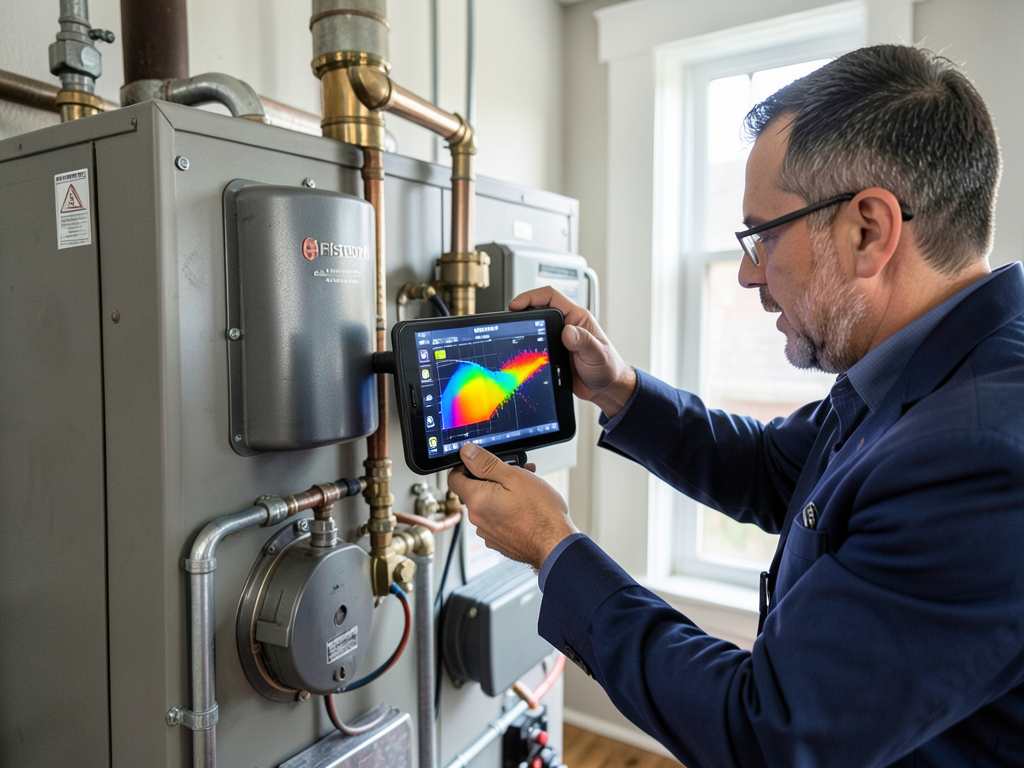
A professional HVAC inspection goes far deeper. Our technicians use combustion analyzers to test boiler efficiency, measure refrigerant levels with digital gauges, and perform static pressure tests on ductwork. We check for heat exchanger cracks using infrared cameras and verify proper venting to prevent carbon monoxide leaks. Expert Boiler Repair and Maintenance for Historic Homes in Chestnut Hill and Mt Airy.
The difference matters in Fishtown’s older homes where systems might be original to the building. A 30-year-old boiler that looks fine on the surface could be operating at 60% efficiency or have dangerous cracks forming in the heat exchanger. These issues don’t show up in a standard home inspection.
Philadelphia’s building codes also require specific compliance for heating systems. Our inspections verify that your potential new home meets current L&I standards for venting, combustion air, and safety controls. This protects you from inheriting code violations that could delay your move-in or require immediate costly repairs. Emergency AC Repair in Fishtown (Fast Service When the Heat Hits).
Our Comprehensive HVAC Inspection Checklist
Our inspection process covers every component that affects your comfort and safety. We document the exact age, condition, and efficiency of all HVAC equipment so you know exactly what you’re buying.. Read more about How to Calculate the Exact AC Tonnage You Need for a Narrow Logan Square Townhouse.
Heating System Analysis (Boilers, Furnaces, and Heat Pumps)
We evaluate the core heating equipment for safety and efficiency. For boilers, we measure combustion efficiency, check for proper draft, and inspect the heat exchanger for cracks using thermal imaging. Furnaces receive similar testing plus a check of the blower motor and control board operation.
Heat pumps get tested for proper refrigerant charge, compressor function, and defrost cycle operation. We verify that auxiliary heat strips activate correctly and that the reversing valve switches smoothly between heating and cooling modes.
Philadelphia’s climate means heating systems work hard for six months each year. A system struggling to keep up will cost you money every month in higher utility bills. We document the estimated annual operating cost based on the equipment’s current efficiency rating.
Cooling System & Refrigerant Health
Central air conditioning gets tested for proper refrigerant charge, compressor amperage draw, and condenser coil cleanliness. We check for acid contamination in the refrigerant lines that could indicate compressor failure is imminent. The True Cost of Installing Central Air in an Older South Philly Rowhome.
For homes with R-22 systems (common in Fishtown’s older properties), we document the refrigerant type and note that R-22 is no longer manufactured. Replacement parts and refrigerant for these systems have become extremely expensive, making a replacement a likely near-term expense.. Read more about Should You Keep Repairing or Just Replace That 15 Year Old Furnace in Your Bustleton Split Level Home.
We also test the condensate drain line for proper flow and check for microbial growth that could affect indoor air quality. A clogged drain can cause water damage to ceilings and walls within hours.. Read more about Creative Ways to Hide HVAC Ductwork in a High Ceiling South Kensington Loft.
Ductwork, Air Quality, and Ventilation Assessment
Many Fishtown row homes have minimal or no ductwork, relying instead on radiators or mini-split systems. For homes with existing ducts, we test for leaks using pressure diagnostics and measure airflow at each register to ensure proper distribution. Weak Airflow from Vents.
We check the condition of air filters, inspect the evaporator coil for dirt buildup, and test the blower motor’s amperage draw. Dirty coils and filters can reduce system efficiency by 20% or more.
Ventilation is critical in Philadelphia’s tightly sealed older homes. We verify that bathroom exhaust fans and kitchen range hoods vent properly to the exterior, not into wall cavities where moisture can cause mold growth.
Philadelphia Specific Concerns: Old Row Homes & Historic Systems
Fishtown’s housing stock presents unique challenges that out-of-town inspectors rarely understand. Many homes still use steam or hot water radiators connected to boilers that are 50+ years old. These systems require specialized knowledge to evaluate properly.
Philadelphia’s humid continental climate puts extra stress on HVAC equipment. Summer humidity levels often exceed 80%, causing older systems to struggle with moisture removal. We test humidity control capability and note if upgrades might be needed for comfortable summer living.
The city’s freeze-thaw cycles are particularly hard on outdoor equipment. We check for rust damage, cracked condensate drains, and compromised electrical connections that could fail during the first cold snap.
Many Fishtown homes have had amateur HVAC modifications over the decades. We identify unsafe wiring, improper venting, or makeshift ductwork that could pose safety hazards or cause system failures.
According to Philadelphia’s Uniform Construction Code, heating systems must maintain specific temperature levels. We verify that your potential new home’s system can actually meet these requirements, not just that it turns on and off.
How an Inspection Report Gives You Negotiating Power
A detailed HVAC inspection report becomes a powerful tool during negotiations. If we find issues, you can request repairs, price reductions, or closing cost credits from the seller.
Common findings that strengthen your negotiating position include: a cracked heat exchanger requiring immediate replacement ($3,000-$5,000), an aging R-22 system needing conversion or replacement ($5,000-$8,000), or ductwork leaks requiring sealing ($1,500-$3,000). Finding a Reliable AC Repair Service in Center City Philadelphia That Actually Shows Up.
Even if the system is functioning, knowing its exact age and condition helps you budget for future replacements. A 15-year-old furnace might work fine today but could need replacement in 2-3 years, costing you $4,000-$6,000.
Your real estate agent can use our written report to support repair requests. Sellers are more likely to address documented problems than verbal concerns raised during a general home inspection.
We provide a prioritized list of issues, distinguishing between safety concerns that need immediate attention and efficiency upgrades that can wait. This helps you make informed decisions about which repairs to request.
Frequently Asked Questions About HVAC Inspections
How much does a pre-purchase HVAC inspection cost in Philadelphia?
Professional HVAC inspections typically range from $250-$400 in the Philadelphia area. The cost varies based on system complexity and home size. Considering that a single major repair could cost $3,000-$5,000, the inspection pays for itself if it prevents just one bad purchase decision.
Should I schedule the inspection before or after my general home inspection?
Schedule the HVAC inspection after your general home inspection but before the inspection contingency deadline in your purchase agreement. This timing allows you to use any HVAC issues found as leverage in negotiations while still meeting your contract deadlines.
What if the inspection reveals major problems?
You have several options: request repairs from the seller, negotiate a lower purchase price to cover future repairs, ask for closing cost credits, or walk away from the deal if problems are severe enough. Your real estate agent can help you decide the best approach.
How long does the inspection take?
A thorough HVAC inspection typically takes 60-90 minutes. We test all system components, take efficiency measurements, and document any issues with photos. You’ll receive a written report within 24 hours detailing our findings and recommendations.
Can you inspect systems in homes built before 1950?
Yes, we specialize in older Philadelphia homes. Our technicians are familiar with steam boilers, gravity furnaces, and other historic heating systems common in Fishtown’s housing stock. We understand the safety concerns and efficiency limitations of these older technologies.
Will you check for asbestos or other hazardous materials?
We can identify materials that commonly contain asbestos, such as old pipe insulation or duct lining, and recommend testing if needed. However, we’re not licensed asbestos inspectors. We’ll note any potential hazards and suggest appropriate next steps.
Do you provide repair estimates if problems are found?
Yes, our inspection report includes estimated repair costs for any issues discovered. These estimates help you understand the financial impact of problems and strengthen your negotiating position with the seller.
What areas do you serve in Philadelphia?
We serve all Philadelphia neighborhoods including Fishtown, Northern Liberties, Old City, Center City, South Philadelphia, and the surrounding suburbs. Our technicians know the specific challenges of each area’s housing stock.
Is the inspection report good for insurance purposes?
Yes, our detailed inspection reports are often accepted by insurance companies when you’re applying for coverage on a new home. The report documents the condition and age of HVAC equipment, which insurers use to assess risk.
Do you check indoor air quality during the inspection?
We test for basic air quality issues including humidity levels, carbon monoxide, and visible mold growth around HVAC components. For comprehensive indoor air quality testing, we offer additional services beyond the standard inspection.
What if I need the inspection done quickly?
We offer expedited scheduling for pre-purchase inspections, often with next-day availability. Contact us early in the morning for same-day service if needed. We understand the time pressures of real estate transactions.
Will you inspect the water heater too?
Our standard inspection focuses on heating and cooling equipment, but we can include a water heater evaluation for a small additional fee. The water heater inspection checks for proper venting, temperature settings, and signs of leakage or corrosion.
Call (215) 610-9099 now to schedule your inspection and protect your investment in Fishtown real estate.
{
“@context”: “https://schema.org”,
“@type”: “BlogPosting”,
“headline”: “Why a Pre Purchase HVAC Inspection is a Must for Fishtown Homebuyers”,
“description”: “Discover why a professional HVAC inspection is critical before buying a Fishtown home. Learn about hidden system issues, negotiating power, and local building codes.”,
“wordCount”: 1694,
“datePublished”: “2026-05-31T10:43:00.000Z”,
“dateModified”: “2026-05-31T10:43:00.000Z”,
“inLanguage”: “en-US”,
“mainEntityOfPage”: {
“@type”: “WebPage”,
“@id”: “https://elitehvacphiladelphia.com”
},
“publisher”: {
“@type”: “LocalBusiness”,
“name”: “Elite HVAC Philadelphia”,
“url”: “https://elitehvacphiladelphia.com”
},
“author”: {
“@type”: “Organization”,
“name”: “Elite HVAC Philadelphia”,
“url”: “https://elitehvacphiladelphia.com”
},
“image”: {
“@type”: “ImageObject”,
“url”: “https://elitehvacphiladelphia.com/wp-content/uploads/2026/03/why-a-pre-purchase-hvac-inspection-is-a-must-for-f-1.png”
}
}
{
“@context”: “https://schema.org”,
“@type”: “HVACBusiness”,
“name”: “Elite HVAC Philadelphia”,
“url”: “https://elitehvacphiladelphia.com”,
“address”: {
“@type”: “PostalAddress”,
“addressLocality”: “Philadelphia”
},
“areaServed”: {
“@type”: “City”,
“name”: “Philadelphia”
}
}
{
“@context”: “https://schema.org”,
“@type”: “FAQPage”,
“mainEntity”: [
{
“@type”: “Question”,
“name”: “How much does a pre-purchase HVAC inspection cost in Philadelphia?”,
“acceptedAnswer”: {
“@type”: “Answer”,
“text”: “Professional HVAC inspections typically range from $250-$400 in the Philadelphia area. The cost varies based on system complexity and home size. Considering that a single major repair could cost $3,000-$5,000, the inspection pays for itself if it prevents just one bad purchase decision.”
}
},
{
“@type”: “Question”,
“name”: “Should I schedule the inspection before or after my general home inspection?”,
“acceptedAnswer”: {
“@type”: “Answer”,
“text”: “Schedule the HVAC inspection after your general home inspection but before the inspection contingency deadline in your purchase agreement. This timing allows you to use any HVAC issues found as leverage in negotiations while still meeting your contract deadlines.”
}
},
{
“@type”: “Question”,
“name”: “What if the inspection reveals major problems?”,
“acceptedAnswer”: {
“@type”: “Answer”,
“text”: “You have several options: request repairs from the seller, negotiate a lower purchase price to cover future repairs, ask for closing cost credits, or walk away from the deal if problems are severe enough. Your real estate agent can help you decide the best approach.”
}
},
{
“@type”: “Question”,
“name”: “How long does the inspection take?”,
“acceptedAnswer”: {
“@type”: “Answer”,
“text”: “A thorough HVAC inspection typically takes 60-90 minutes. We test all system components, take efficiency measurements, and document any issues with photos. You’ll receive a written report within 24 hours detailing our findings and recommendations.”
}
},
{
“@type”: “Question”,
“name”: “Can you inspect systems in homes built before 1950?”,
“acceptedAnswer”: {
“@type”: “Answer”,
“text”: “Yes, we specialize in older Philadelphia homes. Our technicians are familiar with steam boilers, gravity furnaces, and other historic heating systems common in Fishtown’s housing stock. We understand the safety concerns and efficiency limitations of these older technologies.”
}
},
{
“@type”: “Question”,
“name”: “Will you check for asbestos or other hazardous materials?”,
“acceptedAnswer”: {
“@type”: “Answer”,
“text”: “We can identify materials that commonly contain asbestos, such as old pipe insulation or duct lining, and recommend testing if needed. However, we’re not licensed asbestos inspectors. We’ll note any potential hazards and suggest appropriate next steps.”
}
},
{
“@type”: “Question”,
“name”: “Do you provide repair estimates if problems are found?”,
“acceptedAnswer”: {
“@type”: “Answer”,
“text”: “Yes, our inspection report includes estimated repair costs for any issues discovered. These estimates help you understand the financial impact of problems and strengthen your negotiating position with the seller.”
}
},
{
“@type”: “Question”,
“name”: “What areas do you serve in Philadelphia?”,
“acceptedAnswer”: {
“@type”: “Answer”,
“text”: “We serve all Philadelphia neighborhoods including Fishtown, Northern Liberties, Old City, Center City, South Philadelphia, and the surrounding suburbs. Our technicians know the specific challenges of each area’s housing stock.”
}
},
{
“@type”: “Question”,
“name”: “Is the inspection report good for insurance purposes?”,
“acceptedAnswer”: {
“@type”: “Answer”,
“text”: “Yes, our detailed inspection reports are often accepted by insurance companies when you’re applying for coverage on a new home. The report documents the condition and age of HVAC equipment, which insurers use to assess risk.”
}
},
{
“@type”: “Question”,
“name”: “Do you check indoor air quality during the inspection?”,
“acceptedAnswer”: {
“@type”: “Answer”,
“text”: “We test for basic air quality issues including humidity levels, carbon monoxide, and visible mold growth around HVAC components. For comprehensive indoor air quality testing, we offer additional services beyond the standard inspection.”
}
},
{
“@type”: “Question”,
“name”: “What if I need the inspection done quickly?”,
“acceptedAnswer”: {
“@type”: “Answer”,
“text”: “We offer expedited scheduling for pre-purchase inspections, often with next-day availability. Contact us early in the morning for same-day service if needed. We understand the time pressures of real estate transactions.”
}
},
{
“@type”: “Question”,
“name”: “Will you inspect the water heater too?”,
“acceptedAnswer”: {
“@type”: “Answer”,
“text”: “Our standard inspection focuses on heating and cooling equipment, but we can include a water heater evaluation for a small additional fee. The water heater inspection checks for proper venting, temperature settings, and signs of leakage or corrosion.”
}
}
]
}
{
“@context”: “https://schema.org”,
“@type”: “BreadcrumbList”,
“itemListElement”: [
{
“@type”: “ListItem”,
“position”: 1,
“name”: “Home”,
“item”: “https://elitehvacphiladelphia.com”
},
{
“@type”: “ListItem”,
“position”: 2,
“name”: “Blog”,
“item”: “https://elitehvacphiladelphia.com/blog”
},
{
“@type”: “ListItem”,
“position”: 3,
“name”: “Why a Pre Purchase HVAC Inspection is a Must for Fishtown Homebuyers”
}
]
}
{
“@context”: “https://schema.org”,
“@type”: “Service”,
“serviceType”: “HVAC”,
“provider”: {
“@type”: “LocalBusiness”,
“name”: “Elite HVAC Philadelphia”,
“url”: “https://elitehvacphiladelphia.com”
},
“areaServed”: {
“@type”: “City”,
“name”: “Philadelphia”
},
“description”: “Discover why a professional HVAC inspection is critical before buying a Fishtown home. Learn about hidden system issues, negotiating power, and local building codes.”
}