
What to Do When You Find Ice on Your AC Unit During a Somerton Heatwave
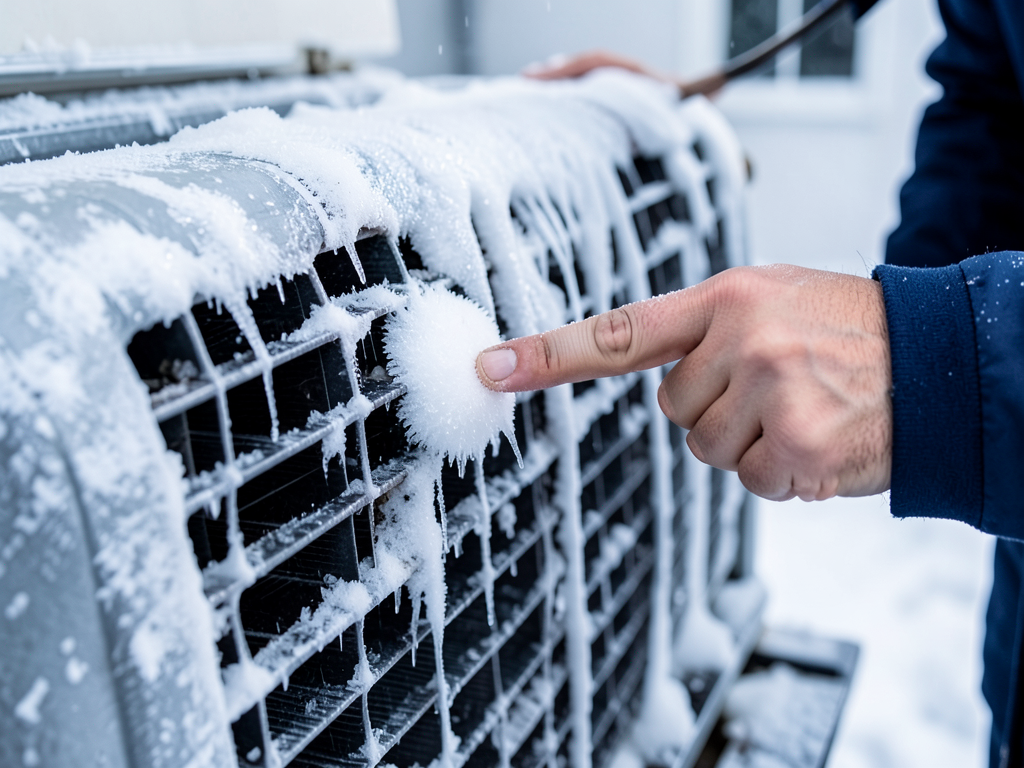
Your air conditioner is supposed to cool your home not freeze itself into a block of ice. Finding frost or ice on your AC unit during a Philadelphia heatwave is a serious problem that requires immediate action. The ice you see is actually a symptom of something deeper going wrong inside the system. If you ignore it the damage can spread quickly and leave you without cooling when you need it most. Finding a Reliable AC Repair Service in Center City Philadelphia That Actually Shows Up.
Ice forms when the evaporator coil gets too cold. This happens when refrigerant cannot absorb enough heat from your home’s air. The coil temperature drops below freezing and any moisture in the air turns to ice. The ice then acts as an insulator making the problem worse. Within hours your system can shut down completely or suffer expensive damage to the compressor.
Turn off your AC immediately if you see ice. Do not try to continue running it. Switch your thermostat to “Fan Only” mode to start moving air across the coil. This helps the ice melt faster without putting stress on the system. Check your air filter next. A dirty filter blocks airflow and is the most common cause of frozen coils. If the filter looks gray or clogged replace it with a clean one. Weak Airflow from Vents.
Look around the indoor unit for water. As ice melts it can overflow the drain pan and damage your floors or ceiling. Place towels or a shallow pan underneath to catch the water. Never use sharp tools to chip away ice. This can puncture refrigerant lines and create a dangerous leak.
Wait until all ice has melted before considering turning the system back on. This can take several hours depending on how much ice built up. Once thawed check if your vents blow strong cool air. If airflow is weak or the ice returns within a day you have a bigger problem that needs professional diagnosis.
Call (215) 610-9099 today to schedule your inspection. Our NATE-certified technicians serve Somerton and all Northeast Philadelphia neighborhoods. We diagnose frozen coil issues the same day and carry common replacement parts on our trucks to get your cooling restored quickly.
Why Your Philadelphia Home’s AC Unit is Freezing Up
Philadelphia’s climate creates unique challenges for air conditioning systems. Our hot humid summers mean your AC runs hard for months. The air holds more moisture which your system must remove. This extra work strains components especially in older homes with original ductwork. HVAC Philadelphia.
The physics behind frozen coils starts with heat exchange. Your AC moves heat from inside to outside using refrigerant. The refrigerant absorbs heat as it evaporates in the indoor coil. This process cools your home. If something restricts this heat absorption the refrigerant gets too cold. When the coil temperature drops below 32 degrees Fahrenheit any water vapor in the air freezes on contact.
Several factors can cause this restriction. Low refrigerant charge means less heat-absorbing capacity. A failing blower motor moves less air across the coil. Dirty evaporator coils have reduced heat transfer surface. Even closed vents in unused rooms can create enough restriction to trigger freezing in Philadelphia’s demanding summer conditions.
Philadelphia’s high humidity accelerates the problem. When outdoor air at 85 percent relative humidity enters your return ducts it carries more water vapor. Your AC must condense this moisture. If airflow is restricted this water freezes instead of draining away. The ice buildup happens faster than in drier climates.
Older Philadelphia homes often have undersized ductwork designed for heating not cooling. These narrow ducts cannot move enough air for modern AC units. Combine this with original 1950s or 1960s equipment and you have a recipe for frozen coils during heat waves.
EPA regulations require proper refrigerant handling for any repair involving the sealed system. Technicians must be certified under Section 608 of the Clean Air Act. This ensures refrigerant leaks are repaired correctly and recovered safely. Never let an unlicensed person open your AC refrigerant lines.
Call (215) 610-9099 before the next storm hits. We provide emergency AC service throughout Northeast Philadelphia including Somerton Bustleton and Oxford Circle. Our technicians arrive within two hours for urgent frozen coil calls.
Common Causes: Dirty Filters to Low Refrigerant
Restricted airflow is the leading cause of frozen evaporator coils. Your AC needs constant airflow to transfer heat. When airflow drops the coil temperature falls below freezing. The most common restriction is a dirty air filter. Filters trap dust and debris but when clogged they block air passage completely.
Check your filter monthly during cooling season. Hold it up to light. If you cannot see light through it replace it. Standard one-inch filters need replacement every one to three months. Homes with pets or near construction may need monthly changes. A clean filter costs less than ten dollars and prevents most freezing issues.
Closed or blocked supply vents also restrict airflow. Each room needs at least seventy percent of its vents open for proper system balance. Furniture rugs or curtains blocking vents reduce airflow. Walk through your home and make sure all vents are open and unobstructed.
Blower motor failure causes similar symptoms. The blower moves air across the coil. If the motor bearings wear out or the capacitor fails the blower spins slower or stops. Listen for unusual noises from your air handler. A failing blower often squeals or hums before quitting completely.
Refrigerant leaks create low pressure in the system. Your AC needs the correct refrigerant charge to function. Too little refrigerant cannot absorb enough heat. The coil temperature drops and ice forms. Signs of low refrigerant include hissing sounds from lines ice on the larger copper line and AC running constantly without cooling.
NATE-certified technicians use manifold gauges to check refrigerant pressure. They compare readings to manufacturer specifications. If pressure is low they must find and repair the leak before recharging. Simply adding refrigerant without fixing the leak violates EPA regulations and wastes money.
Condensate drain line clogs can indirectly cause freezing. Your AC removes humidity by condensing water vapor. This water drains through a pipe. If the pipe clogs water backs up and can spill into the air handler. Some systems have a safety switch that shuts off the AC when water is detected. Others continue running with standing water which can freeze on the coil.
Philadelphia’s mineral-rich water accelerates drain line clogs. Sediment builds up faster than in areas with softer water. Annual maintenance includes cleaning the condensate line and checking the drain pan for cracks or damage.
Call (215) 610-9099 today to schedule your inspection. We check all these common causes during our diagnostic service. Our technicians carry replacement filters blower motors and drain line cleaning equipment on every truck.
How to Safely Thaw Your AC Evaporator Coil
Thawing your AC coil requires patience and the right approach. Rushing the process can cause water damage or system damage. Start by turning off your thermostat completely. Do not just switch from cool to heat. The compressor needs to stay off.
Switch your fan to “On” mode at the thermostat. This keeps air moving across the coil without cooling. Moving air speeds melting and prevents water from pooling on the coil. If your thermostat does not have a fan-only option you can use the fan-only setting on your air handler if accessible.
Locate your indoor unit. This is usually in a basement closet attic or utility room. Place towels or a shallow pan under the unit to catch melting ice water. A five-gallon bucket works well for larger units. Check the drain pan for cracks which can cause leaks even when the system works properly.
Allow four to eight hours for complete thawing. Do not try to speed the process with heat guns or hair dryers. These can damage plastic components and create dangerous hot spots. Room temperature air melts ice safely without stressing the system.
Check the condensate drain line during thawing. If water is not draining from the line there may be a clog. Clear clogs using a wet dry vac on the outdoor drain line opening. This creates suction that pulls debris out of the pipe. Never use chemical drain cleaners which can damage plastic pipes.
Once all ice has melted inspect the coil if accessible. Look for dirt buildup which can cause future freezing. Clean coils using a no rinse evaporator coil cleaner available at hardware stores. Spray the cleaner on the coil and let it drip off. This removes dirt without requiring coil removal.
Replace your air filter before restarting the system. Even if the old filter looks okay starting with a clean filter ensures maximum airflow. Use the correct size and type for your system. Using the wrong filter can restrict airflow worse than a dirty one.
Turn the system back on and set to cooling. Check airflow from vents. It should feel strong and cool within five minutes. If airflow is weak or the system cycles on and off quickly you still have a restriction somewhere.
Monitor the system for twenty four hours after thawing. Check the larger copper line outside. It should feel cool but not frosty. If you see new ice forming within a day the underlying problem was not fixed.
Call (215) 610-9099 for emergency AC service. We provide same day service throughout Northeast Philadelphia. Our technicians carry the tools and parts needed to fix frozen coils on the first visit.
When to Call a Philadelphia HVAC Professional
Some AC problems require professional diagnosis and repair. Continuing to run a freezing system can destroy the compressor which costs more than a new system in many cases. Know when to stop troubleshooting and call for help. Emergency AC Repair in Fishtown (Fast Service When the Heat Hits).
Call immediately if you hear hissing or bubbling sounds from refrigerant lines. These sounds indicate a significant leak. Refrigerant is dangerous when inhaled and requires special handling. Only EPA Section 608 certified technicians can legally repair refrigerant leaks.
Contact a professional if ice returns within twenty four hours of thawing. This means the underlying cause was not fixed. Common issues requiring professional repair include refrigerant leaks failed blower motors and electrical control problems. These are not DIY repairs.
Professional help is needed if your AC runs constantly but cannot cool below eighty degrees. This indicates low refrigerant charge or compressor problems. A healthy AC should cool your home to about twenty degrees below outdoor temperature.
Call if you notice water damage around your indoor unit. Leaking drain pans cracked condensate lines or overflowing drain pans can cause ceiling damage and mold growth. Water damage repairs cost far more than fixing the AC problem.
Schedule professional service if your energy bills spike during normal usage periods. A freezing AC uses more electricity as it struggles to cool. Compare your current bills to the same month last year. A fifty percent increase often indicates system problems.
Professional diagnosis is necessary when your AC cycles on and off rapidly. This short cycling stresses compressors and other components. It can be caused by oversized equipment failing thermostats or control board problems. Only proper testing equipment can identify the exact cause.
Philadelphia building codes require permits for most AC repairs involving the refrigerant circuit or electrical connections. Licensed HVAC contractors pull these permits and ensure work meets Philadelphia L&I standards. This protects your home and ensures insurance coverage remains valid.
Choose a contractor with NATE certification and good local reviews. NATE certification means technicians passed rigorous testing on HVAC systems. Local reviews show the company responds quickly and stands behind their work. Avoid contractors who give quotes without inspecting your system. Best Rated HVAC Contractors in the Main Line Area.
Call (215) 610-9099 today to schedule your inspection. We serve all Philadelphia neighborhoods with emergency AC repair. Our NATE-certified technicians diagnose problems accurately and provide upfront pricing before any work begins.
Preventing Frozen Coils in the Philly Humidity
Prevention costs less than emergency repairs. A few simple steps can keep your AC running smoothly through Philadelphia’s humid summers. Start with regular maintenance. Annual professional tune ups catch small problems before they cause system failures.
Change your air filter every one to three months during cooling season. Set calendar reminders or buy filters in bulk to always have replacements ready. Consider upgrading to a high quality pleated filter which traps more dust without restricting airflow as much as cheap fiberglass filters.
Keep all supply and return vents open and unobstructed. Close doors to unused rooms instead of closing vents. Closing too many vents creates pressure imbalances that strain your system. Make sure furniture curtains and rugs do not block airflow from vents.
Clean around your outdoor condenser unit monthly. Remove leaves grass clippings and debris that block airflow. Keep plants at least two feet away from the unit. Rinse the coil gently with a garden hose every spring to remove dirt buildup. Turn off power at the disconnect switch before cleaning.
Check your condensate drain line quarterly. Pour a cup of white vinegar down the line to kill algae and prevent clogs. If water backs up when you pour it in the line is already partially blocked and needs cleaning.
Consider a whole house air filter if allergies or dust are problems. These high capacity filters trap more particles without restricting airflow as much as standard filters. They also protect your AC components from dirt buildup.
Upgrade to a programmable or smart thermostat. These maintain consistent temperatures and can alert you to system problems. Some smart thermostats track run times and can notify you of unusual patterns that might indicate freezing issues.
Schedule professional maintenance every spring before cooling season. Technicians check refrigerant charge test electrical components clean coils and ensure proper airflow. They can identify worn parts before they cause system failures. This service typically costs one hundred to two hundred dollars but prevents thousand dollar repairs.
Philadelphia’s humid climate means your AC runs more months per year than in many areas. This extra run time means more wear on components. Systems in our area often need replacement after twelve to fifteen years instead of the fifteen to twenty years common in drier climates.
Consider replacing your system if it is over twelve years old and needs frequent repairs. New high efficiency units use less electricity and cool more effectively. They also have better humidity control which is crucial in Philadelphia. Modern units can remove more moisture while using less energy than units from ten years ago.
Call (215) 610-9099 to schedule your spring maintenance. We serve Somerton and all Northeast Philadelphia neighborhoods. Our maintenance plans include priority service and discounts on repairs.
Frequently Asked Questions
How long does it take for AC ice to melt completely?
Complete thawing typically takes four to eight hours depending on ice thickness. Using the fan-only setting speeds the process. Never try to chip ice off with tools as this can damage refrigerant lines.
Can I pour hot water on the ice to melt it faster?
No. Hot water can crack plastic components and create dangerous temperature shocks to metal parts. Room temperature air melting is safer and prevents damage.
Will a dirty air filter always cause frozen coils?
Not always but it is the most common cause. Restricted airflow from any source can cause freezing. Dirty filters just happen most frequently because they are often neglected.
How much does it cost to repair a frozen AC coil?
Repair costs vary widely. Simple fixes like replacing a filter cost under fifty dollars. Refrigerant leaks or blower motor replacement typically cost three hundred to eight hundred dollars. Compressor replacement can exceed two thousand dollars.
Should I turn off the AC if I see ice?
Yes immediately. Continuing to run a freezing system can destroy the compressor. Turn off the thermostat and switch to fan-only mode to start thawing safely.
How often should I have my AC serviced to prevent freezing?
Annual professional maintenance each spring is recommended. This catches problems before they cause freezing. Monthly filter changes during cooling season also prevent most airflow related freezing issues.
{
“@context”: “https://schema.org”,
“@type”: “BlogPosting”,
“headline”: “What to Do When You Find Ice on Your AC Unit During a Somerton Heatwave”,
“description”: “Ice on your AC during a Philadelphia heatwave is a serious emergency. Learn the immediate steps to take, common causes, and when to call a local HVAC professional.”,
“wordCount”: 2713,
“datePublished”: “2026-05-04T14:40:00.000Z”,
“dateModified”: “2026-05-04T14:40:00.000Z”,
“inLanguage”: “en-US”,
“mainEntityOfPage”: {
“@type”: “WebPage”,
“@id”: “https://elitehvacphiladelphia.com”
},
“publisher”: {
“@type”: “LocalBusiness”,
“name”: “Elite HVAC Philadelphia”,
“url”: “https://elitehvacphiladelphia.com”
},
“author”: {
“@type”: “Organization”,
“name”: “Elite HVAC Philadelphia”,
“url”: “https://elitehvacphiladelphia.com”
},
“image”: {
“@type”: “ImageObject”,
“url”: “https://elitehvacphiladelphia.com/wp-content/uploads/2026/03/what-to-do-when-you-find-ice-on-your-ac-unit-durin-1.png”
}
}
{
“@context”: “https://schema.org”,
“@type”: “HVACBusiness”,
“name”: “Elite HVAC Philadelphia”,
“url”: “https://elitehvacphiladelphia.com”,
“address”: {
“@type”: “PostalAddress”,
“addressLocality”: “Philadelphia”
},
“areaServed”: {
“@type”: “City”,
“name”: “Philadelphia”
}
}
{
“@context”: “https://schema.org”,
“@type”: “FAQPage”,
“mainEntity”: [
{
“@type”: “Question”,
“name”: “How long does it take for AC ice to melt completely?”,
“acceptedAnswer”: {
“@type”: “Answer”,
“text”: “Complete thawing typically takes four to eight hours depending on ice thickness. Using the fan-only setting speeds the process. Never try to chip ice off with tools as this can damage refrigerant lines.”
}
},
{
“@type”: “Question”,
“name”: “Can I pour hot water on the ice to melt it faster?”,
“acceptedAnswer”: {
“@type”: “Answer”,
“text”: “No. Hot water can crack plastic components and create dangerous temperature shocks to metal parts. Room temperature air melting is safer and prevents damage.”
}
},
{
“@type”: “Question”,
“name”: “Will a dirty air filter always cause frozen coils?”,
“acceptedAnswer”: {
“@type”: “Answer”,
“text”: “Not always but it is the most common cause. Restricted airflow from any source can cause freezing. Dirty filters just happen most frequently because they are often neglected.”
}
},
{
“@type”: “Question”,
“name”: “How much does it cost to repair a frozen AC coil?”,
“acceptedAnswer”: {
“@type”: “Answer”,
“text”: “Repair costs vary widely. Simple fixes like replacing a filter cost under fifty dollars. Refrigerant leaks or blower motor replacement typically cost three hundred to eight hundred dollars. Compressor replacement can exceed two thousand dollars.”
}
},
{
“@type”: “Question”,
“name”: “Should I turn off the AC if I see ice?”,
“acceptedAnswer”: {
“@type”: “Answer”,
“text”: “Yes immediately. Continuing to run a freezing system can destroy the compressor. Turn off the thermostat and switch to fan-only mode to start thawing safely.”
}
},
{
“@type”: “Question”,
“name”: “How often should I have my AC serviced to prevent freezing?”,
“acceptedAnswer”: {
“@type”: “Answer”,
“text”: “Annual professional maintenance each spring is recommended. This catches problems before they cause freezing. Monthly filter changes during cooling season also prevent most airflow related freezing issues.”
}
}
]
}
{
“@context”: “https://schema.org”,
“@type”: “BreadcrumbList”,
“itemListElement”: [
{
“@type”: “ListItem”,
“position”: 1,
“name”: “Home”,
“item”: “https://elitehvacphiladelphia.com”
},
{
“@type”: “ListItem”,
“position”: 2,
“name”: “Blog”,
“item”: “https://elitehvacphiladelphia.com/blog”
},
{
“@type”: “ListItem”,
“position”: 3,
“name”: “What to Do When You Find Ice on Your AC Unit During a Somerton Heatwave”
}
]
}
{
“@context”: “https://schema.org”,
“@type”: “Service”,
“serviceType”: “HVAC”,
“provider”: {
“@type”: “LocalBusiness”,
“name”: “Elite HVAC Philadelphia”,
“url”: “https://elitehvacphiladelphia.com”
},
“areaServed”: {
“@type”: “City”,
“name”: “Philadelphia”
},
“description”: “Ice on your AC during a Philadelphia heatwave is a serious emergency. Learn the immediate steps to take, common causes, and when to call a local HVAC professional.”
}