
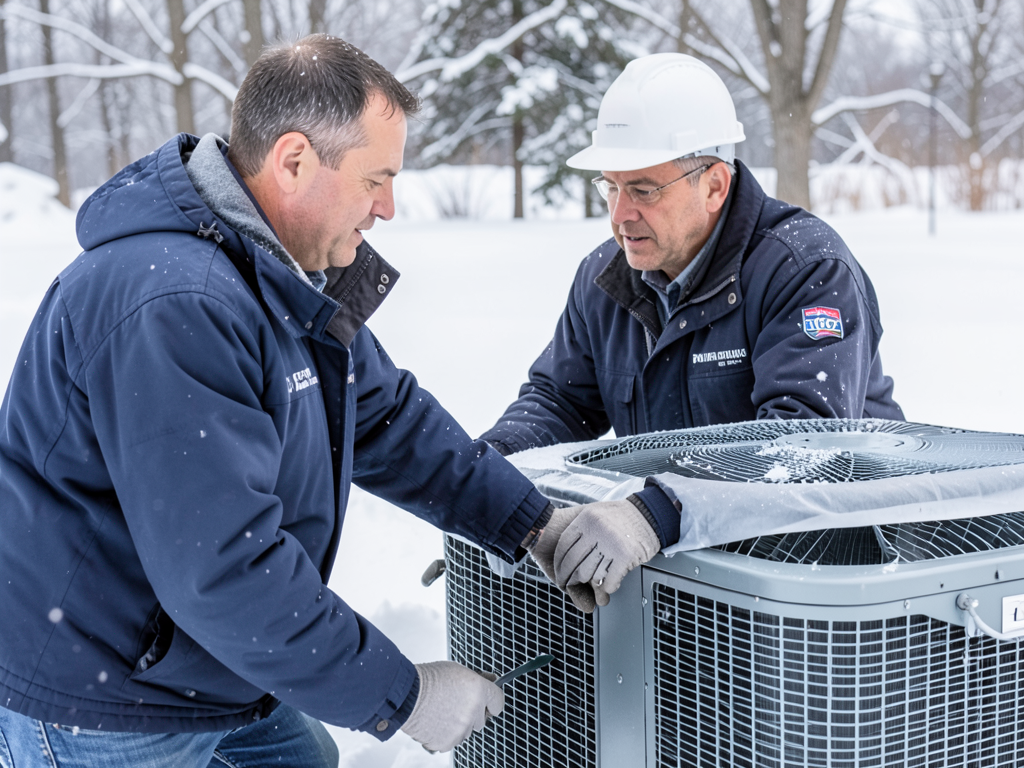
The Right Way to Winterize Your Outdoor AC Unit Before the First Philadelphia Snow
Philadelphia winters hit hard with freezing temperatures and snow that can damage your outdoor AC unit if not properly protected. Before the first frost arrives in late October or early November, taking the right steps to winterize your system saves you from costly repairs and ensures your air conditioning works perfectly when summer returns. EPA Energy Star HVAC guidelines.
Why Philadelphia’s Climate Makes AC Winterization Critical
Philadelphia’s humid continental climate creates unique challenges for outdoor HVAC equipment. The freeze-thaw cycles common in our region cause water to expand and contract inside your condenser unit, potentially cracking copper refrigerant lines and damaging the compressor. Our average annual snowfall of 23 inches combined with sudden temperature swings means your AC faces more stress than systems in milder climates. Philadelphia Office of Sustainability.
According to the Philadelphia Water Department, our freeze-thaw pattern typically begins when temperatures drop below 32°F in mid-November, with the first measurable snow often arriving by Thanksgiving. This timing makes October the ideal month for winterization before ice and snow become daily threats.
Understanding Your AC System’s Winter Vulnerabilities
Outdoor condenser units contain several components vulnerable to winter damage. The aluminum fins on the condenser coil can bend under heavy snow loads. Exposed electrical connections may corrode in wet winter conditions. Small animals seeking shelter often nest inside units, chewing through wires and insulation.
The EPA’s Energy Star program recommends winterizing outdoor HVAC equipment to maintain efficiency and prevent damage. A properly winterized unit can last 5-7 years longer than one left exposed to harsh elements year-round.
Step-by-Step AC Winterization Process
- Power Down the System
Locate the outdoor disconnect switch near your condenser unit and flip it to the “off” position. This prevents accidental startup during warm winter days that could damage the compressor if refrigerant hasn’t circulated properly. Weak Airflow from Vents.
- Clean the Condenser Coils
Remove leaves, twigs, and debris from the top and sides of the unit using a soft brush or vacuum with a brush attachment. Philadelphia’s autumn leaves can trap moisture against the unit, accelerating corrosion.
- Inspect Refrigerant Lines
Check the copper lines running from your house to the unit. Look for cracked or missing insulation. Replace damaged sections with UV-resistant foam insulation to prevent freezing and maintain efficiency.
- Check for Pest Entry Points
Examine the unit’s base and electrical panels for gaps where mice or squirrels could enter. Seal small openings with steel wool or hardware cloth, as rodents often seek shelter in warm mechanical spaces.
- Apply Protective Coating
Coat exposed metal surfaces with a rust-inhibiting spray designed for outdoor equipment. This creates a barrier against road salt spray and moisture that commonly affects units near Philadelphia’s busier streets.
- Install Proper Covering
Use a breathable mesh cover specifically designed for AC units rather than plastic tarps. Breathable covers prevent moisture buildup that causes mold and rust while still protecting against snow and ice.
Heat Pump vs. Standard AC: Critical Winterization Differences
Philadelphia homeowners with heat pumps need a different approach than those with standard air conditioners. Heat pumps run year-round for both heating and cooling, so they cannot be completely shut down for winter.
For heat pumps, focus on clearing snow from the top and sides after storms to maintain proper airflow. The defrost cycle automatically activates when ice builds up on the coils, but heavy snow can overwhelm this system. Keep at least 18 inches of clearance around all sides of the unit.
Common Winterization Mistakes Philadelphia Homeowners Make
Many homeowners use plastic tarps to cover their AC units, but this traps moisture inside and creates a perfect environment for rust and mold growth. The condensation that forms under plastic covers often causes more damage than leaving the unit uncovered.
Another mistake is waiting too late to winterize. By the time snow arrives, ice may have already formed in vulnerable areas. The Philadelphia region’s unpredictable weather means early preparation prevents emergency service calls during the first cold snap. Emergency AC Repair in Fishtown (Fast Service When the Heat Hits).
Professional Winterization Services vs. DIY
Professional HVAC technicians bring specialized tools and expertise that ensure thorough winterization. They can detect refrigerant leaks, test electrical connections, and identify worn components before they fail during summer’s first heat wave. Expert Boiler Repair and Maintenance for Historic Homes in Chestnut Hill and Mt Airy.
Professional service typically includes a complete system inspection, cleaning of internal components, testing of electrical systems, and application of commercial-grade protective coatings. The cost ranges from $150-300 depending on your system’s complexity and location within Philadelphia.
DIY winterization works well for basic maintenance, but lacks the diagnostic capabilities of professional service. If your system is over 10 years old or has had previous issues, professional inspection catches problems early.
Philadelphia-Specific Winterization Considerations
Philadelphia’s older neighborhoods present unique challenges. Row homes in South Philadelphia often have units in tight alleyways where snow removal is difficult. Historic districts may have specific requirements for exterior modifications, including protective covers.
Units located near Philadelphia’s salted roads face accelerated corrosion. Road salt spray can travel up to 50 feet, causing premature failure of metal components. Units in these locations need extra protection and more frequent inspections. Best Rated HVAC Contractors in the Main Line Area.
The Philadelphia Water Department notes that our freeze-thaw cycles are more severe than in surrounding suburbs due to the urban heat island effect. This means city units experience more temperature fluctuations, increasing the importance of proper winterization.
Cost-Benefit Analysis of AC Winterization
| Winterization Method | Cost Range | Time Required | Expected Lifespan Extension |
|---|---|---|---|
| Professional Service | $150-300 | 1-2 hours | 5-7 years |
| DIY Basic | $30-75 | 2-3 hours | 2-3 years |
| No Winterization | $0 | 0 hours | 0 years (accelerated wear) |
Emergency Winterization Situations
Sometimes winter arrives unexpectedly, leaving homeowners scrambling to protect their AC units. If snow is already falling, focus on emergency protection rather than perfect winterization.
Quickly clear snow from the top of the unit to prevent ice dam formation. Place a temporary cover over the unit using a tarp weighted at the corners. Avoid completely sealing the unit, as some airflow prevents condensation buildup.
Schedule professional service as soon as possible after the storm. Emergency winterization prevents immediate damage but doesn’t address underlying vulnerabilities that proper preparation would have caught.
Spring Re-Activation After Winter
Proper winterization makes spring re-activation simple, but some steps ensure your system starts correctly after months of inactivity. Remove all covers and inspect for animal nests or damage. Check that all connections remain secure.
Before turning the system on for the first time, visually inspect the condenser coils for damage. Bent fins reduce efficiency and should be straightened with a fin comb. Listen for unusual noises when the system first starts, as this can indicate winter damage.
Local Resources and Regulations
The Philadelphia Department of Licenses and Inspections requires that all HVAC work meet Pennsylvania Uniform Construction Code standards. Professional winterization services should provide documentation of compliance with these regulations.
PECO Energy Company offers rebates for energy-efficient HVAC equipment and maintenance. While winterization itself doesn’t qualify for rebates, maintaining your system’s efficiency through proper care can help you qualify for other energy-saving programs.
Philadelphia’s Building Code Appendix H addresses mechanical equipment installation and protection requirements. While winterization isn’t explicitly mandated, proper maintenance falls under the code’s general requirement for equipment preservation.
Frequently Asked Questions
Should I completely cover my AC unit during Philadelphia winters?
No. Complete coverage traps moisture and creates condensation that causes more damage than exposure. Use breathable mesh covers that protect from snow while allowing air circulation.
When is the best time to winterize my AC in Philadelphia?
October is ideal, before the first frost typically arrives in mid-November. This timing allows you to complete winterization before ice and snow become daily threats.
Can I winterize my AC unit myself or should I hire a professional?
DIY works for basic maintenance if you’re comfortable with simple tools and electrical safety. Hire a professional if your system is over 10 years old, has had previous issues, or you want a complete diagnostic inspection.
How does Philadelphia’s climate affect AC winterization needs?
Philadelphia’s freeze-thaw cycles and road salt exposure create unique challenges. Our urban heat island effect causes more temperature fluctuations, and units near salted roads face accelerated corrosion requiring extra protection.
Protect Your Investment Before Winter Hits
Philadelphia’s harsh winters can destroy an unprepared AC unit within a single season. The cost of winterization is minimal compared to replacing a condenser unit damaged by freeze-thaw cycles or animal nesting.
Whether you choose professional service or DIY maintenance, taking action before the first snow protects your investment and ensures your air conditioning works perfectly when summer returns. The peace of mind knowing your system is protected from Philadelphia’s winter weather is worth every minute of preparation.
Call (215) 610-9099 Today to Schedule Your AC Winterization Service
Don’t wait until the first snow falls. Our experienced technicians know exactly how Philadelphia’s climate affects your AC unit and can provide comprehensive winterization that DIY methods miss. We serve all Philadelphia neighborhoods and surrounding suburbs with fast, reliable service. Finding a Reliable AC Repair Service in Center City Philadelphia That Actually Shows Up.
Pick up the phone and call (215) 610-9099 before the next storm hits. Protect your AC system now and avoid emergency repairs when you need cooling most next summer.
{
“@context”: “https://schema.org”,
“@type”: “BlogPosting”,
“headline”: “The Right Way to Winterize Your Outdoor AC Unit Before the First Philadelphia Snow”,
“description”: “Protect your AC unit from Philadelphia’s harsh winter freeze-thaw cycles with our expert winterization guide. Learn the right way to prep your system before the first snow hits.”,
“wordCount”: 1569,
“datePublished”: “2026-04-15T10:35:00.000Z”,
“dateModified”: “2026-04-15T10:35:00.000Z”,
“inLanguage”: “en-US”,
“mainEntityOfPage”: {
“@type”: “WebPage”,
“@id”: “https://elitehvacphiladelphia.com”
},
“publisher”: {
“@type”: “LocalBusiness”,
“name”: “Elite HVAC Philadelphia”,
“url”: “https://elitehvacphiladelphia.com”
},
“author”: {
“@type”: “Organization”,
“name”: “Elite HVAC Philadelphia”,
“url”: “https://elitehvacphiladelphia.com”
},
“image”: {
“@type”: “ImageObject”,
“url”: “https://elitehvacphiladelphia.com/wp-content/uploads/2026/03/the-right-way-to-winterize-your-outdoor-ac-unit-be-1.png”
}
}
{
“@context”: “https://schema.org”,
“@type”: “HVACBusiness”,
“name”: “Elite HVAC Philadelphia”,
“url”: “https://elitehvacphiladelphia.com”,
“address”: {
“@type”: “PostalAddress”,
“addressLocality”: “Philadelphia”
},
“areaServed”: {
“@type”: “City”,
“name”: “Philadelphia”
}
}
{
“@context”: “https://schema.org”,
“@type”: “FAQPage”,
“mainEntity”: [
{
“@type”: “Question”,
“name”: “Should I completely cover my AC unit during Philadelphia winters?”,
“acceptedAnswer”: {
“@type”: “Answer”,
“text”: “No. Complete coverage traps moisture and creates condensation that causes more damage than exposure. Use breathable mesh covers that protect from snow while allowing air circulation.”
}
},
{
“@type”: “Question”,
“name”: “When is the best time to winterize my AC in Philadelphia?”,
“acceptedAnswer”: {
“@type”: “Answer”,
“text”: “October is ideal, before the first frost typically arrives in mid-November. This timing allows you to complete winterization before ice and snow become daily threats.”
}
},
{
“@type”: “Question”,
“name”: “Can I winterize my AC unit myself or should I hire a professional?”,
“acceptedAnswer”: {
“@type”: “Answer”,
“text”: “DIY works for basic maintenance if you’re comfortable with simple tools and electrical safety. Hire a professional if your system is over 10 years old, has had previous issues, or you want a complete diagnostic inspection.”
}
},
{
“@type”: “Question”,
“name”: “How does Philadelphia’s climate affect AC winterization needs?”,
“acceptedAnswer”: {
“@type”: “Answer”,
“text”: “Philadelphia’s freeze-thaw cycles and road salt exposure create unique challenges. Our urban heat island effect causes more temperature fluctuations, and units near salted roads face accelerated corrosion requiring extra protection.”
}
}
]
}
{
“@context”: “https://schema.org”,
“@type”: “HowTo”,
“name”: “How to Winterize Your AC Unit”,
“step”: [
{
“@type”: “HowToStep”,
“position”: 1,
“name”: “Power Down the System”,
“text”: “Locate the outdoor disconnect switch near your condenser unit and flip it to the \”off\” position. This prevents accidental startup during warm winter days that could damage the compressor if refrigerant hasn’t circulated properly. Weak Airflow from Vents.”
},
{
“@type”: “HowToStep”,
“position”: 2,
“name”: “Clean the Condenser Coils”,
“text”: “Remove leaves, twigs, and debris from the top and sides of the unit using a soft brush or vacuum with a brush attachment. Philadelphia’s autumn leaves can trap moisture against the unit, accelerating corrosion.”
},
{
“@type”: “HowToStep”,
“position”: 3,
“name”: “Inspect Refrigerant Lines”,
“text”: “Check the copper lines running from your house to the unit. Look for cracked or missing insulation. Replace damaged sections with UV-resistant foam insulation to prevent freezing and maintain efficiency.”
},
{
“@type”: “HowToStep”,
“position”: 4,
“name”: “Check for Pest Entry Points”,
“text”: “Examine the unit’s base and electrical panels for gaps where mice or squirrels could enter. Seal small openings with steel wool or hardware cloth, as rodents often seek shelter in warm mechanical spaces.”
},
{
“@type”: “HowToStep”,
“position”: 5,
“name”: “Apply Protective Coating”,
“text”: “Coat exposed metal surfaces with a rust-inhibiting spray designed for outdoor equipment. This creates a barrier against road salt spray and moisture that commonly affects units near Philadelphia’s busier streets.”
},
{
“@type”: “HowToStep”,
“position”: 6,
“name”: “Install Proper Covering”,
“text”: “Use a breathable mesh cover specifically designed for AC units rather than plastic tarps. Breathable covers prevent moisture buildup that causes mold and rust while still protecting against snow and ice.”
}
],
“image”: “https://elitehvacphiladelphia.com/wp-content/uploads/2026/03/the-right-way-to-winterize-your-outdoor-ac-unit-be-1.png”
}
{
“@context”: “https://schema.org”,
“@type”: “BreadcrumbList”,
“itemListElement”: [
{
“@type”: “ListItem”,
“position”: 1,
“name”: “Home”,
“item”: “https://elitehvacphiladelphia.com”
},
{
“@type”: “ListItem”,
“position”: 2,
“name”: “Blog”,
“item”: “https://elitehvacphiladelphia.com/blog”
},
{
“@type”: “ListItem”,
“position”: 3,
“name”: “The Right Way to Winterize Your Outdoor AC Unit Before the First Philadelphia Snow”
}
]
}
{
“@context”: “https://schema.org”,
“@type”: “Service”,
“serviceType”: “HVAC”,
“provider”: {
“@type”: “LocalBusiness”,
“name”: “Elite HVAC Philadelphia”,
“url”: “https://elitehvacphiladelphia.com”
},
“areaServed”: {
“@type”: “City”,
“name”: “Philadelphia”
},
“description”: “Protect your AC unit from Philadelphia’s harsh winter freeze-thaw cycles with our expert winterization guide. Learn the right way to prep your system before the first snow hits.”
}