
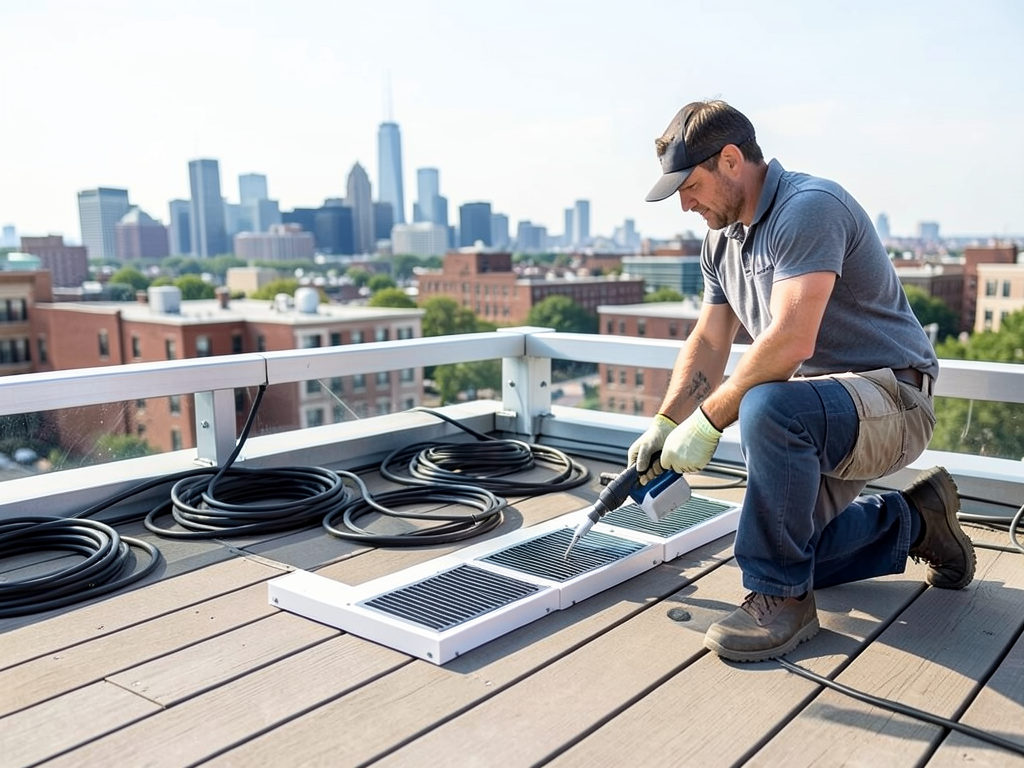
The Best Ways to Heat Your South Street Rooftop Deck for Year Round Use in 2026
Philadelphia’s South Street neighborhood offers vibrant rooftop living but the city’s harsh winters and strong winds create unique heating challenges. Rooftop decks lose heat faster than ground-level patios due to exposure and elevation. This guide breaks down the most effective heating solutions for South Street’s historic buildings and modern developments, focusing on what actually works in Philadelphia’s climate. Philadelphia Department of Licenses and Inspections.
Philadelphia’s Rooftop Climate Challenges
South Street sits in a unique microclimate where buildings create wind tunnels that amplify winter chill. The area experiences an average of 22 inches of snow annually with wind gusts that can exceed 40 mph on exposed rooftops. These conditions mean standard patio heaters often fail within their first season.. Read more about The Best Way to Ventilate and Condition a Huntingdon Valley Sunroom for Comfort All Year Long.
Historic buildings along South Street present additional challenges. Many predate modern building codes and have weight restrictions for rooftop installations. The clay-based soil common in Philadelphia also affects structural considerations for mounting heavy heating equipment. Philadelphia Gas Works.
Infrared Electric Heaters vs. Natural Gas Solutions
Electric infrared heaters provide targeted warmth without open flames making them ideal for buildings with strict fire codes. These units heat objects and people directly rather than the air creating efficient warmth even in windy conditions. Most South Street buildings can support the electrical load with proper panel upgrades.
Natural gas heaters deliver higher BTU output and lower operating costs but require PGW (Philadelphia Gas Works) permits and proper venting. Gas lines must extend from basement meters through building chases to the rooftop a complex process requiring L&I (Licenses and Inspections) approval.
Table: Electric vs. Gas Heating Comparison for Philadelphia Rooftops
| Feature | Electric Infrared | Natural Gas |
|---|---|---|
| Installation Time | 4-6 hours | 2-3 days |
| Initial Cost | $800-$2,500 | $2,500-$5,000 |
| Monthly Operating Cost | $75-$150 | $50-$100 |
| Wind Resistance | Excellent | Good |
| Permit Requirements | Electrical permit only | Gas + building permits |
Philadelphia Building Codes and Permit Requirements
Philadelphia’s Department of Licenses and Inspections requires specific permits for rooftop heating installations. Electric heaters need electrical permits while gas units require both gas and building permits. All installations must comply with the Philadelphia Building Code Chapter 10 for exterior installations.
Fire Code Section 308 governs open flame devices on rooftops. Propane tanks are prohibited on elevated structures while natural gas requires proper shutoff valves and emergency disconnects. All gas lines must be installed by licensed plumbers with PGW certification. Emergency AC Repair in Fishtown (Fast Service When the Heat Hits).
Wind load calculations become critical for rooftop installations. Philadelphia falls under IBC (International Building Code) wind zone 4 requiring heaters to withstand 110 mph gusts. Mounting brackets must attach to structural members not just roof decking.
Wind Factor Solutions for South Street Rooftops
South Street’s urban canyon effect creates wind patterns that can reduce heater efficiency by up to 70%. Wind shields made from tempered glass or stainless steel can block gusts while maintaining visibility. These shields should extend at least 18 inches above the heater on all sides.
Mounting angle affects heat distribution. Heaters should tilt 15-20 degrees downward to direct warmth toward occupied areas. Ceiling-mounted units work well for covered decks while wall-mounted heaters suit open-air spaces. Portable units rarely provide adequate coverage in Philadelphia’s wind conditions.
Infrared heaters with reflector designs can redirect heat that would otherwise escape upward. Look for units with parabolic reflectors that focus heat downward and outward. These designs maintain effectiveness even in 15-20 mph winds common to South Street.
Electrical Panel Considerations for Electric Heaters
Most electric infrared heaters require 240-volt circuits drawing 15-30 amps each. Older South Street buildings often need electrical panel upgrades to support multiple heating zones. A typical rooftop installation might require two dedicated 20-amp circuits for adequate coverage.
PECO (Pennsylvania Electric Company) must inspect any new electrical service to rooftops. The utility requires a load calculation showing the building can handle the additional demand. Older buildings with knob-and-tube wiring cannot support electric heating without complete rewiring.
Smart controls allow zone heating reducing energy waste. Timers and occupancy sensors ensure heaters operate only when needed. Many modern systems connect to Wi-Fi allowing remote control from smartphones.
Winterization and Maintenance for Philly Climate
Philadelphia’s freeze-thaw cycles damage unprotected heating equipment. Stainless steel construction grade 304 or higher resists corrosion from salt air and road chemicals. All electrical connections need weatherproof covers rated for outdoor use. Best Rated HVAC Contractors in the Main Line Area.
Gas lines require annual inspection for leaks and corrosion. The high humidity in Philadelphia accelerates metal degradation. Flexible gas connectors should be checked for cracks and replaced every five years minimum.
Infrared heating elements last 5,000-8,000 hours but accumulate dust and debris reducing efficiency. Annual cleaning with non-abrasive cleaners maintains optimal performance. Check reflector surfaces for dents or warping that could redirect heat incorrectly.
Case Study: South Street Rowhome Installation
A recent project on South Street involved installing electric infrared heating for a 400-square-foot rooftop deck. The 1920s building required electrical panel upgrades to add two 240-volt circuits. Three 4,000-watt heaters mounted on pergola beams provided even coverage. The True Cost of Installing Central Air in an Older South Philly Rowhome.
Wind testing showed 25 mph gusts on the exposed corner of the building. Installation included custom glass wind shields that reduced heat loss by 60%. The system maintains 65-70 degree temperatures even when outdoor temps drop to 25 degrees.
Permitting took three weeks including electrical inspections and L&I final approval. The total project cost $3,200 including all electrical work and permits. Operating costs average $85 monthly during peak winter use.
Cost Factors and ROI Considerations
Initial investment varies based on building age and existing infrastructure. Electric installations range from $800 for plug-in units to $4,000 for complete hardwired systems. Gas installations typically cost $2,500-$6,000 depending on gas line complexity.
Operating costs depend on usage patterns and local utility rates. Electric heating costs approximately $0.15-$0.20 per hour per 1,500-watt unit. Natural gas costs about $0.05-$0.08 per hour for equivalent heat output.
Extended deck season provides ROI through increased property value and additional living space. Many South Street homeowners report using heated decks 4-6 months annually versus 2-3 months without heating.
Safety Considerations for Rooftop Installations
Rooftop heating requires attention to fire safety and structural integrity. Maintain minimum 36-inch clearance from combustible materials including wooden deck surfaces. Never install heaters directly on wooden surfaces without heat shields.
Electrical installations need GFCI protection to prevent shock hazards in wet conditions. All wiring must be rated for outdoor use with proper conduit protection. Gas installations require automatic shutoff valves that activate if units tip over.
Weight distribution matters for older buildings. A typical infrared heater weighs 15-30 pounds plus mounting brackets. Ensure roof structure can support the load especially near parapet walls where wind creates uplift forces.
Smart Technology Integration
Modern heating systems offer smartphone control and automation. Motion sensors activate heaters when people enter the space. Temperature sensors maintain consistent comfort levels adjusting output based on outdoor conditions.
Integration with home automation systems allows scheduling and remote monitoring. Many systems send alerts for maintenance needs or unusual operating conditions. Some advanced units include wind sensors that automatically adjust output based on conditions.
Energy monitoring helps optimize usage patterns. Track hourly costs and identify peak usage times. Many users find they need heating only during specific hours reducing overall energy consumption.
Choosing the Right System for Your Space
Space size determines heater quantity and capacity. General rule: 1,500 watts covers 100 square feet in mild conditions but Philadelphia’s wind and humidity require 1,800-2,000 watts per 100 square feet.
Coverage patterns vary by mounting height. Ceiling mounts at 8-10 feet provide wider coverage than wall mounts. Portable units work for small areas but struggle with wind exposure. Permanent installations offer better efficiency and aesthetics.
Consider usage patterns when selecting systems. Occasional use might justify portable electric units while frequent entertaining warrants permanent installations. Commercial applications need higher durability and faster heating response.
Installation Timeline and Process
Electric installations typically complete in one day once permits approve. Process includes site assessment, panel upgrades if needed, mounting hardware installation, and final testing. Most electrical work requires power shutdown for 2-4 hours.
Gas installations take 2-3 days due to permit processing and gas line installation. Licensed plumbers handle gas connections while electricians manage electrical components. Final inspection ensures code compliance before use.
Weather affects installation scheduling. Electrical work proceeds in most conditions but gas line installation may delay during freezing temperatures. Plan installations during fall for winter readiness.
Maintenance Schedule for Long-Term Performance
Seasonal maintenance prevents mid-winter failures. Spring inspection checks for winter damage and cleans heating elements. Fall service prepares systems for cold weather including electrical connection checks and gas line testing.
Monthly visual inspections during use season identify loose mounting hardware or damaged components. Clear debris from reflectors and check weatherproof covers. Test all controls and safety features before each heating season.
Professional service every two years ensures optimal performance. Technicians check gas pressure, electrical connections, and safety systems. They also verify mounting hardware remains secure and reflectors properly aligned.
Energy Efficiency Strategies
Zoned heating reduces energy waste by warming only occupied areas. Separate controls for different deck sections allow customized comfort. Use lower settings in transitional seasons and higher output only during extreme cold.
Insulation helps retain heat in covered spaces. Clear vinyl curtains or retractable wind screens create microclimates reducing heating demands. Even partial enclosure can cut energy use by 30-40%.
Timer controls prevent overnight operation reducing energy waste. Many systems include setback features that reduce output when temperatures moderate. Smart controls learn usage patterns optimizing automatic operation.
Common Mistakes to Avoid
Underestimating Philadelphia’s wind factor causes frequent failures. Units without adequate wind protection lose 50-70% of their heat output. Always include wind shields or choose high-wind rated models.
Ignoring electrical capacity leads to tripped breakers and system failures. Have a licensed electrician evaluate your panel before purchasing electric heaters. Older buildings often need costly upgrades.
Skipping permits creates liability and insurance issues. Unpermitted work can void homeowner’s insurance if problems arise. Always obtain required permits and inspections.
Financing and Rebate Options
Many homeowners finance heating installations through home improvement loans or credit programs. PGW offers rebates for high-efficiency natural gas appliances in some cases. Check current programs before purchasing.
Energy efficiency upgrades may qualify for federal tax credits. Consult tax professionals about available deductions for home improvements. Some local programs offer low-interest loans for energy improvements.
Payment plans through HVAC contractors make installations more affordable. Many companies offer 12-24 month financing with competitive rates. Compare total costs including interest when evaluating options.
Environmental Considerations
Electric heating produces zero direct emissions making it environmentally preferable for many users. Philadelphia’s electricity mix includes increasing renewable sources reducing carbon footprint over time. Gas heating produces CO2 but at lower rates than older systems.
Energy efficiency reduces environmental impact regardless of fuel source. Proper sizing and smart controls minimize waste. High-efficiency units convert more input energy to usable heat.
Material selection affects environmental footprint. Recyclable stainless steel and aluminum components reduce landfill impact. Some manufacturers offer take-back programs for old units.
Preparing for Winter Storms
Philadelphia’s winter storms can damage unprotected heating equipment. Remove portable units during severe weather. Secure permanent installations against high winds with additional strapping if needed.
Ice accumulation on reflectors reduces efficiency and can cause damage. Brush off snow accumulation after storms. Never use sharp tools that could damage heating elements or reflectors.
Power outages affect electric systems while gas systems continue operating. Consider battery backup for critical controls if outages are common. Gas systems need manual lighting capability if electronic ignition fails.
Comparing Top Brands for Philadelphia Use
Several manufacturers design units specifically for harsh urban environments. Bromic Heating offers high-wind models with reinforced mounting. Infratech specializes in electric infrared with excellent weather resistance.
Patio Comfort produces gas units with wind shields and corrosion-resistant finishes. Sunglo focuses on commercial-grade durability for frequent use. Each brand offers different mounting options and control features.
Local availability affects service and parts access. Choose brands with Philadelphia-area distributors for faster repairs. Check warranty terms and service network before purchasing.
Making Your Final Decision
Evaluate your specific needs before choosing a system. Consider deck size, typical wind exposure, existing utilities, and budget. Electric systems offer easier installation while gas provides lower operating costs.
Professional assessment helps identify optimal solutions. HVAC contractors familiar with Philadelphia’s building codes can recommend appropriate systems. They also handle permitting and ensure code compliance.
Factor in long-term costs not just initial price. Operating costs over five years often exceed installation costs. Energy-efficient models may cost more upfront but save money long-term.
Getting Started with Your Installation
Begin with a site evaluation to assess your specific conditions. Measure your space and note wind patterns at different times. Check your electrical panel capacity or gas availability.
Obtain necessary permits before purchasing equipment. Work with licensed contractors who handle permitting processes. This ensures code compliance and avoids delays.
Schedule installation during moderate weather for best results. Fall installations prepare systems for winter while avoiding summer rush periods. Allow 2-4 weeks for permitting and equipment delivery.
Enjoying Your Heated Rooftop Space
Proper heating transforms rooftop decks into year-round living spaces. Friends and family gather comfortably even during cool evenings. The investment pays dividends through extended outdoor enjoyment.
Philadelphia’s unique urban environment makes heated rooftops especially valuable. South Street’s vibrant atmosphere continues year-round with proper heating. Your deck becomes a private oasis above the city streets.
Regular maintenance ensures reliable operation for years. Follow manufacturer guidelines and address issues promptly. Your heated rooftop will provide comfort through many Philadelphia winters. Finding a Reliable AC Repair Service in Center City Philadelphia That Actually Shows Up.
Frequently Asked Questions
How much does it cost to heat a rooftop deck in Philadelphia?
Installation costs range from $800 for basic electric units to $6,000 for complete gas systems with professional installation. Monthly operating costs vary from $50-$150 depending on usage and energy rates.
Do I need permits for rooftop heating in Philadelphia?
Yes. Electric heaters require electrical permits while gas units need both gas and building permits from L&I. All installations must comply with Philadelphia Building Code and Fire Code requirements.
Can I install heating on a historic South Street building?
Yes, but with restrictions. Weight limits and historic preservation rules may apply. Electrical upgrades often necessary in older buildings. Always check with L&I before starting any installation.
How do I protect heaters from Philadelphia’s winter weather?
Use stainless steel construction grade 304 or higher, weatherproof electrical connections, and proper wind shields. Remove portable units during severe storms. Annual maintenance prevents weather-related damage.
What’s the most energy-efficient option for rooftop heating?
Infrared electric heaters provide excellent efficiency with targeted warmth. Gas heaters offer lower operating costs but higher installation complexity. Smart controls and zoned heating maximize efficiency for either fuel type.
Ready to transform your South Street rooftop into a year-round retreat? Call (215) 610-9099 today to schedule your professional heating assessment. Our Philadelphia experts understand the unique challenges of rooftop installations and will recommend the perfect solution for your space. Expert Boiler Repair and Maintenance for Historic Homes in Chestnut Hill and Mt Airy.
Don’t wait until the first cold snap hits. Contact us now and start enjoying your outdoor space all year long.
Call (215) 610-9099 before the next storm hits and secure your rooftop heating installation this season.
{
“@context”: “https://schema.org”,
“@type”: “BlogPosting”,
“headline”: “The Best Ways to Heat Your South Street Rooftop Deck for Year Round Use in 2026”,
“description”: “Discover the best ways to heat your South Street rooftop deck for year-round use in 2026. Learn about Philly building codes, wind considerations, and expert installation.”,
“wordCount”: 2572,
“datePublished”: “2026-06-08T06:54:00.000Z”,
“dateModified”: “2026-06-08T06:54:00.000Z”,
“inLanguage”: “en-US”,
“mainEntityOfPage”: {
“@type”: “WebPage”,
“@id”: “https://elitehvacphiladelphia.com”
},
“publisher”: {
“@type”: “LocalBusiness”,
“name”: “Elite HVAC Philadelphia”,
“url”: “https://elitehvacphiladelphia.com”
},
“author”: {
“@type”: “Organization”,
“name”: “Elite HVAC Philadelphia”,
“url”: “https://elitehvacphiladelphia.com”
},
“image”: {
“@type”: “ImageObject”,
“url”: “https://elitehvacphiladelphia.com/wp-content/uploads/2026/03/the-best-ways-to-heat-your-south-street-rooftop-de-1.png”
}
}
{
“@context”: “https://schema.org”,
“@type”: “HVACBusiness”,
“name”: “Elite HVAC Philadelphia”,
“url”: “https://elitehvacphiladelphia.com”,
“address”: {
“@type”: “PostalAddress”,
“addressLocality”: “Philadelphia”
},
“areaServed”: {
“@type”: “City”,
“name”: “Philadelphia”
}
}
{
“@context”: “https://schema.org”,
“@type”: “FAQPage”,
“mainEntity”: [
{
“@type”: “Question”,
“name”: “How much does it cost to heat a rooftop deck in Philadelphia?”,
“acceptedAnswer”: {
“@type”: “Answer”,
“text”: “Installation costs range from $800 for basic electric units to $6,000 for complete gas systems with professional installation. Monthly operating costs vary from $50-$150 depending on usage and energy rates.”
}
},
{
“@type”: “Question”,
“name”: “Do I need permits for rooftop heating in Philadelphia?”,
“acceptedAnswer”: {
“@type”: “Answer”,
“text”: “Yes. Electric heaters require electrical permits while gas units need both gas and building permits from L&I. All installations must comply with Philadelphia Building Code and Fire Code requirements.”
}
},
{
“@type”: “Question”,
“name”: “Can I install heating on a historic South Street building?”,
“acceptedAnswer”: {
“@type”: “Answer”,
“text”: “Yes, but with restrictions. Weight limits and historic preservation rules may apply. Electrical upgrades often necessary in older buildings. Always check with L&I before starting any installation.”
}
},
{
“@type”: “Question”,
“name”: “How do I protect heaters from Philadelphia’s winter weather?”,
“acceptedAnswer”: {
“@type”: “Answer”,
“text”: “Use stainless steel construction grade 304 or higher, weatherproof electrical connections, and proper wind shields. Remove portable units during severe storms. Annual maintenance prevents weather-related damage.”
}
},
{
“@type”: “Question”,
“name”: “What’s the most energy-efficient option for rooftop heating?”,
“acceptedAnswer”: {
“@type”: “Answer”,
“text”: “Infrared electric heaters provide excellent efficiency with targeted warmth. Gas heaters offer lower operating costs but higher installation complexity. Smart controls and zoned heating maximize efficiency for either fuel type.”
}
}
]
}
{
“@context”: “https://schema.org”,
“@type”: “BreadcrumbList”,
“itemListElement”: [
{
“@type”: “ListItem”,
“position”: 1,
“name”: “Home”,
“item”: “https://elitehvacphiladelphia.com”
},
{
“@type”: “ListItem”,
“position”: 2,
“name”: “Blog”,
“item”: “https://elitehvacphiladelphia.com/blog”
},
{
“@type”: “ListItem”,
“position”: 3,
“name”: “The Best Ways to Heat Your South Street Rooftop Deck for Year Round Use in 2026”
}
]
}
{
“@context”: “https://schema.org”,
“@type”: “Service”,
“serviceType”: “HVAC”,
“provider”: {
“@type”: “LocalBusiness”,
“name”: “Elite HVAC Philadelphia”,
“url”: “https://elitehvacphiladelphia.com”
},
“areaServed”: {
“@type”: “City”,
“name”: “Philadelphia”
},
“description”: “Discover the best ways to heat your South Street rooftop deck for year-round use in 2026. Learn about Philly building codes, wind considerations, and expert installation.”
}