
The Best Way to Heat and Cool an Attic Bedroom in East Kensington
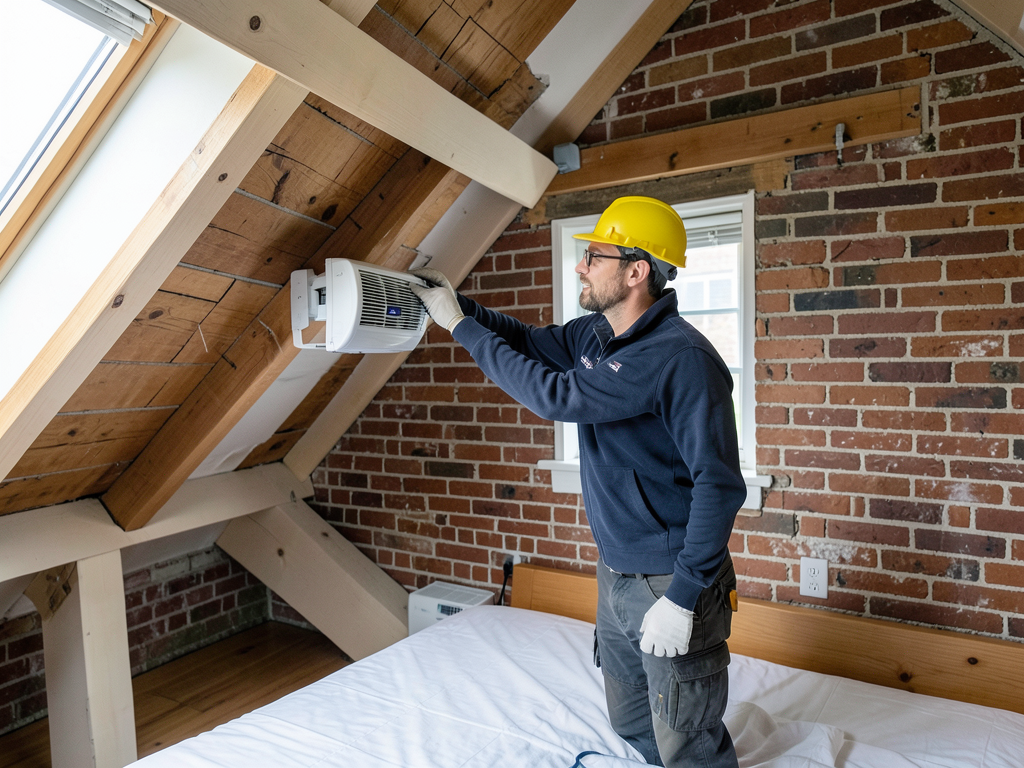
East Kensington’s historic rowhomes often feature converted attic spaces that become unbearably hot in summer and freezing in winter. The solution requires understanding Philadelphia’s unique climate challenges and your home’s architectural constraints. We’ll break down the most effective HVAC systems for attic bedrooms, from ductless mini-splits to high-velocity units, and explain how proper insulation and ventilation work together to create year-round comfort. Philadelphia Department of Licenses and Inspections.
Why Attic HVAC Installations Require a Local Philadelphia Strategy
Philadelphia’s humid continental climate creates specific challenges for attic HVAC systems. Summer temperatures regularly exceed 90 degrees with high humidity levels that make heat feel oppressive. Winter brings freezing temperatures and damp conditions that can cause condensation issues in poorly insulated attic spaces. East Kensington’s historic rowhomes built in the early 1900s present additional complications with narrow floor joists, limited electrical capacity, and existing ductwork that wasn’t designed for modern HVAC demands.
The Philadelphia Department of Licenses and Inspections requires specific permits for attic HVAC installations, particularly in historic districts. You’ll need to comply with the PA Uniform Construction Code and obtain proper inspections to ensure your system meets local safety standards. These requirements protect both your investment and your home’s structural integrity.
Top Attic HVAC Systems: Ductless vs. Central Air vs. High-Velocity
Choosing the right system depends on your attic’s layout, existing infrastructure, and budget constraints. Here’s how the main options compare for East Kensington homes:
| System Type | Installation Requirements | Energy Efficiency | Best For |
|---|---|---|---|
| Ductless Mini-Split | Exterior wall for condenser, 3-inch wall penetration | SEER2 18-22 | Finished attics, minimal structural changes |
| High-Velocity | 2-inch flexible ducts through existing cavities | SEER2 15-18 | Historic homes, no ductwork space |
| Traditional Central | Existing ductwork or major renovation | SEER2 14-16 | Open attic plans, newer construction |
Ductless mini-splits offer the most flexibility for East Kensington’s older homes. These systems require minimal structural modification and can be installed in a single day. The indoor unit mounts on your attic wall or ceiling, while the outdoor condenser sits on your roof or ground level. High-velocity systems work well when you need whole-house integration but lack space for traditional ductwork. These use small, flexible tubes that fit through existing wall cavities.
Managing Attic Heat Gains: The Role of Insulation and Ventilation
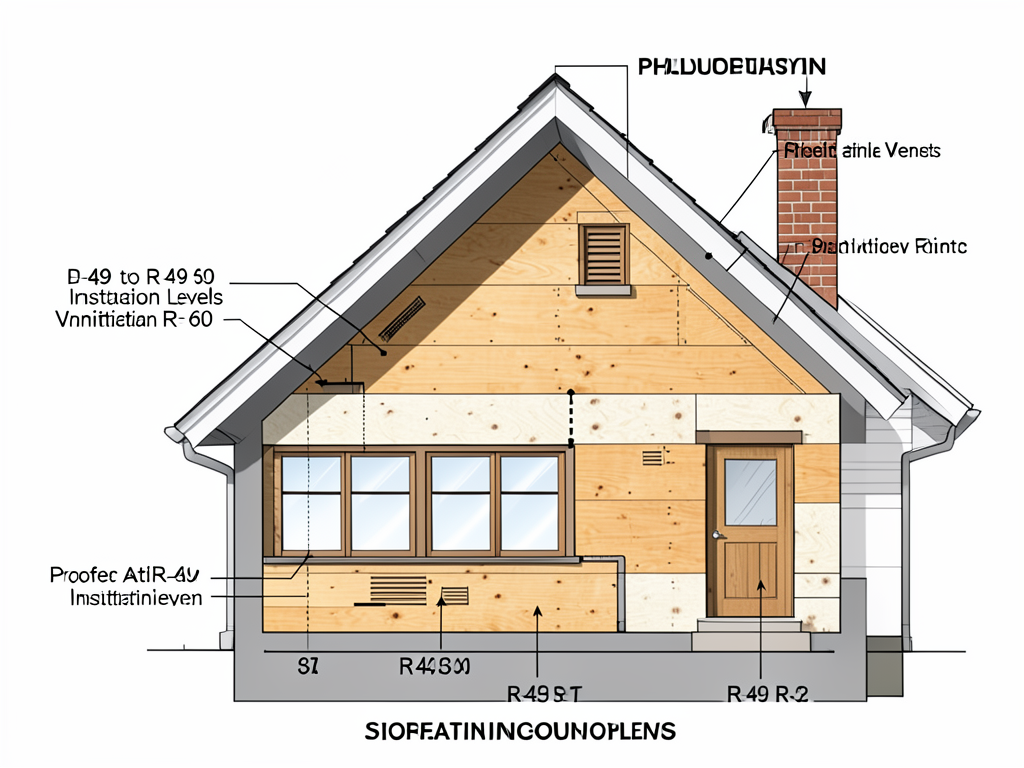
Even the best HVAC system struggles if your attic envelope isn’t properly sealed and insulated. Philadelphia’s building code requires R-49 to R-60 insulation in attic spaces, significantly higher than many older homes currently have. This means adding 12-15 inches of fiberglass batts or blown-in cellulose to your existing insulation.
Proper ventilation prevents moisture buildup that leads to mold growth and reduces your system’s efficiency. Soffit vents draw cool air in while ridge vents or powered attic fans expel hot air. This natural airflow pattern can reduce attic temperatures by 20-30 degrees on hot summer days. Weak Airflow from Vents.
Air sealing is equally critical. Gaps around plumbing vents, electrical penetrations, and the attic floor allow conditioned air to escape and unconditioned air to enter. Use spray foam or caulk to seal these leaks before installing new insulation. This simple step can reduce your heating and cooling costs by 15-20%. The True Cost of Installing Central Air in an Older South Philly Rowhome.
Energy Efficiency and Local Rebates (PECO & Federal Tax Credits)
Upgrading your attic HVAC system qualifies for several Philadelphia-area incentives. PECO offers rebates up to $300 for high-efficiency heat pumps and $450 for smart thermostats. The federal government provides tax credits covering 30% of installation costs for qualifying ENERGY STAR equipment, up to $2,000. PECO Energy Efficiency Rebates.
These rebates make high-efficiency systems more affordable. A SEER2 20 heat pump might cost $4,500-$6,500 installed, but rebates can reduce your net cost by $750-$1,000. The energy savings typically pay back the remaining investment within 3-5 years through lower utility bills.
Philadelphia’s climate zone 4 requires specific equipment ratings. Heat pumps must have a heating seasonal performance factor (HSPF) of at least 8.2 and a seasonal energy efficiency ratio (SEER2) of 15 or higher. These ratings ensure your system performs efficiently during both extreme summer heat and winter cold snaps.
Common Challenges in Philly Rowhomes and Historic Properties
East Kensington’s historic rowhomes present unique HVAC challenges. Many were built before air conditioning existed, so they lack the infrastructure modern systems require. Floor joists in these homes often can’t support the weight of traditional air handlers, requiring structural reinforcement before installation.
Older electrical systems may need upgrades to handle new HVAC loads. A typical mini-split requires a dedicated 20-amp circuit, while central systems need 30-60 amp service. Our technicians can evaluate your existing electrical capacity during the initial assessment.
Moisture control becomes critical in Philadelphia’s humid climate. Attic bedrooms need proper vapor barriers and dehumidification to prevent condensation on cool surfaces. We recommend installing a whole-house dehumidifier if your home consistently exceeds 60% relative humidity.
What to Expect During Installation
- Initial Assessment
Our technician evaluates your attic’s structural capacity, electrical system, and existing insulation. We measure floor joists, check for adequate clearance, and assess your home’s overall HVAC needs.
- Permit Acquisition
We handle all necessary permits through the Philadelphia Department of Licenses and Inspections. This includes structural, electrical, and HVAC permits as required by local code.
- System Installation
Most attic HVAC installations take 1-2 days. Ductless systems install faster than central units. We protect your living spaces during the process and clean thoroughly afterward.
- Testing and Commissioning
We verify proper airflow, check refrigerant levels, and ensure all safety controls function correctly. We also test your thermostat and explain system operation.
- Final Inspection
Philadelphia requires final inspections for permitted work. We schedule this with L&I and address any required adjustments before completion.
Cost Factors and Investment Considerations
Attic HVAC installation costs vary based on system type, home age, and complexity. Ductless mini-splits range from $3,500-$6,500, while high-velocity systems cost $8,000-$12,000. Traditional central air with new ductwork can exceed $15,000 in historic homes requiring major modifications.
Several factors influence your final cost. Structural reinforcement adds $1,000-$3,000 if your floor joists need strengthening. Electrical upgrades range from $500-$2,000 depending on your existing service capacity. Permit fees in Philadelphia typically cost $100-$300 plus inspection fees.
The long-term value often justifies the investment. A properly sized, installed system can increase your home’s value by 5-10% while reducing energy costs by 20-40%. In East Kensington’s competitive real estate market, climate-controlled attic bedrooms appeal to buyers seeking flexible living spaces.
Maintenance Requirements for Attic HVAC Systems
Attic systems need regular maintenance to perform efficiently. Filters require replacement every 1-3 months depending on usage and indoor air quality. Condenser coils need annual cleaning to maintain efficiency, especially in Philadelphia’s pollen-heavy spring season.
Check your condensate drain line quarterly to prevent clogs that cause water damage. In Philadelphia’s humid climate, algae growth in drain lines occurs quickly. Pour a cup of white vinegar through the drain annually to prevent buildup.
Schedule professional maintenance twice yearly. Spring service prepares your system for summer cooling demands, while fall maintenance ensures reliable winter heating. These visits typically cost $150-$250 and can identify potential issues before they cause system failures. Finding a Reliable AC Repair Service in Center City Philadelphia That Actually Shows Up.
Smart Technology Integration
Modern attic HVAC systems integrate with smart home technology for enhanced control and efficiency. Wi-Fi enabled thermostats learn your schedule and adjust temperatures automatically. Some systems offer room-by-room zoning, allowing you to heat or cool only occupied spaces.
Smart sensors can detect when you’re home or away, adjusting temperatures to save energy without sacrificing comfort. Many systems integrate with voice assistants like Amazon Alexa or Google Home, allowing voice control of your attic bedroom’s climate.
Energy monitoring features track your system’s performance and alert you to efficiency drops that might indicate maintenance needs. This proactive approach prevents costly repairs and keeps your system running at peak efficiency. Emergency AC Repair in Fishtown (Fast Service When the Heat Hits).
Frequently Asked Questions
Can I install HVAC in my attic bedroom myself?
No. Philadelphia requires licensed HVAC contractors for all system installations. DIY work voids warranties and may violate local building codes. Professional installation ensures proper sizing, safe operation, and code compliance. Best Rated HVAC Contractors in the Main Line Area.
How long do attic HVAC systems typically last?
Quality systems last 15-20 years with proper maintenance. Philadelphia’s climate extremes can reduce lifespan slightly compared to milder regions. Regular professional service helps maximize your system’s longevity.
Will attic HVAC work during power outages?
Standard systems won’t operate without electricity. Consider a whole-house generator if backup power is important. Mini-split systems use less power than central units, making them more practical for generator backup.
Do I need to reinforce my attic floor?
Many East Kensington homes require floor reinforcement. Our assessment determines if your joists meet structural requirements for your chosen system. This typically costs $1,000-$3,000 but ensures safe, reliable operation.
What size system do I need for my attic bedroom?
System sizing depends on your attic’s square footage, insulation levels, and Philadelphia’s climate. A typical 200-300 square foot attic needs 6,000-9,000 BTU cooling capacity. We perform detailed load calculations to determine exact requirements.
Making Your Decision
Choosing the right attic HVAC solution requires balancing comfort needs, budget constraints, and your home’s specific characteristics. Ductless mini-splits offer the best combination of efficiency, flexibility, and minimal structural impact for most East Kensington homes. High-velocity systems work well when you need whole-house integration without major renovations.
Consider your long-term plans. If you’ll stay in your home for years, investing in a high-efficiency system with proper insulation pays dividends through lower utility bills and improved comfort. If you’re preparing to sell, a climate-controlled attic bedroom can significantly increase your home’s market appeal.
Ready to transform your uncomfortable attic bedroom into a comfortable living space? Our team understands the unique challenges of Philadelphia’s historic homes and can recommend the perfect solution for your specific situation. We handle everything from initial assessment through final inspection, ensuring your new system meets all local requirements while providing reliable comfort for years to come.
Take Action Today
Don’t spend another season suffering through extreme temperatures in your attic bedroom. The solution is closer than you think. Our experienced technicians can evaluate your space and provide a detailed proposal within 24 hours of your call.
Pick up the phone and call (215) 610-9099 before the next heat wave or cold snap hits. We’ll schedule your free assessment and show you exactly how we can solve your attic comfort problems. Your comfortable attic bedroom is just one call away.
Call (215) 610-9099 today to schedule your inspection. Our team is ready to help you enjoy year-round comfort in your East Kensington home.
[IMAGE_PLACEHOLDER_3>
{
“@context”: “https://schema.org”,
“@type”: “BlogPosting”,
“headline”: “The Best Way to Heat and Cool an Attic Bedroom in East Kensington”,
“description”: “Struggling with attic temperature swings in your East Kensington home? Discover expert HVAC solutions for Philly’s historic rowhomes, from ductless mini-splits to high-velocity systems.”,
“wordCount”: 1791,
“datePublished”: “2026-05-16T10:24:00.000Z”,
“dateModified”: “2026-05-16T10:24:00.000Z”,
“inLanguage”: “en-US”,
“mainEntityOfPage”: {
“@type”: “WebPage”,
“@id”: “https://elitehvacphiladelphia.com”
},
“publisher”: {
“@type”: “LocalBusiness”,
“name”: “Elite HVAC Philadelphia”,
“url”: “https://elitehvacphiladelphia.com”
},
“author”: {
“@type”: “Organization”,
“name”: “Elite HVAC Philadelphia”,
“url”: “https://elitehvacphiladelphia.com”
},
“image”: {
“@type”: “ImageObject”,
“url”: “https://elitehvacphiladelphia.com/wp-content/uploads/2026/03/the-best-way-to-heat-and-cool-an-attic-bedroom-in-1.png”
}
}
{
“@context”: “https://schema.org”,
“@type”: “HVACBusiness”,
“name”: “Elite HVAC Philadelphia”,
“url”: “https://elitehvacphiladelphia.com”,
“address”: {
“@type”: “PostalAddress”,
“addressLocality”: “Philadelphia”
},
“areaServed”: {
“@type”: “City”,
“name”: “Philadelphia”
}
}
{
“@context”: “https://schema.org”,
“@type”: “FAQPage”,
“mainEntity”: [
{
“@type”: “Question”,
“name”: “Can I install HVAC in my attic bedroom myself?”,
“acceptedAnswer”: {
“@type”: “Answer”,
“text”: “No. Philadelphia requires licensed HVAC contractors for all system installations. DIY work voids warranties and may violate local building codes. Professional installation ensures proper sizing, safe operation, and code compliance. Best Rated HVAC Contractors in the Main Line Area.”
}
},
{
“@type”: “Question”,
“name”: “How long do attic HVAC systems typically last?”,
“acceptedAnswer”: {
“@type”: “Answer”,
“text”: “Quality systems last 15-20 years with proper maintenance. Philadelphia’s climate extremes can reduce lifespan slightly compared to milder regions. Regular professional service helps maximize your system’s longevity.”
}
},
{
“@type”: “Question”,
“name”: “Will attic HVAC work during power outages?”,
“acceptedAnswer”: {
“@type”: “Answer”,
“text”: “Standard systems won’t operate without electricity. Consider a whole-house generator if backup power is important. Mini-split systems use less power than central units, making them more practical for generator backup.”
}
},
{
“@type”: “Question”,
“name”: “Do I need to reinforce my attic floor?”,
“acceptedAnswer”: {
“@type”: “Answer”,
“text”: “Many East Kensington homes require floor reinforcement. Our assessment determines if your joists meet structural requirements for your chosen system. This typically costs $1,000-$3,000 but ensures safe, reliable operation.”
}
},
{
“@type”: “Question”,
“name”: “What size system do I need for my attic bedroom?”,
“acceptedAnswer”: {
“@type”: “Answer”,
“text”: “System sizing depends on your attic’s square footage, insulation levels, and Philadelphia’s climate. A typical 200-300 square foot attic needs 6,000-9,000 BTU cooling capacity. We perform detailed load calculations to determine exact requirements.”
}
}
]
}
{
“@context”: “https://schema.org”,
“@type”: “HowTo”,
“name”: “Attic HVAC Installation Process”,
“step”: [
{
“@type”: “HowToStep”,
“position”: 1,
“name”: “Initial Assessment”,
“text”: “Our technician evaluates your attic’s structural capacity, electrical system, and existing insulation. We measure floor joists, check for adequate clearance, and assess your home’s overall HVAC needs.”
},
{
“@type”: “HowToStep”,
“position”: 2,
“name”: “Permit Acquisition”,
“text”: “We handle all necessary permits through the Philadelphia Department of Licenses and Inspections. This includes structural, electrical, and HVAC permits as required by local code.”
},
{
“@type”: “HowToStep”,
“position”: 3,
“name”: “System Installation”,
“text”: “Most attic HVAC installations take 1-2 days. Ductless systems install faster than central units. We protect your living spaces during the process and clean thoroughly afterward.”
},
{
“@type”: “HowToStep”,
“position”: 4,
“name”: “Testing and Commissioning”,
“text”: “We verify proper airflow, check refrigerant levels, and ensure all safety controls function correctly. We also test your thermostat and explain system operation.”
},
{
“@type”: “HowToStep”,
“position”: 5,
“name”: “Final Inspection”,
“text”: “Philadelphia requires final inspections for permitted work. We schedule this with L&I and address any required adjustments before completion.”
}
],
“image”: “https://elitehvacphiladelphia.com/wp-content/uploads/2026/03/the-best-way-to-heat-and-cool-an-attic-bedroom-in-1.png”
}
{
“@context”: “https://schema.org”,
“@type”: “BreadcrumbList”,
“itemListElement”: [
{
“@type”: “ListItem”,
“position”: 1,
“name”: “Home”,
“item”: “https://elitehvacphiladelphia.com”
},
{
“@type”: “ListItem”,
“position”: 2,
“name”: “Blog”,
“item”: “https://elitehvacphiladelphia.com/blog”
},
{
“@type”: “ListItem”,
“position”: 3,
“name”: “The Best Way to Heat and Cool an Attic Bedroom in East Kensington”
}
]
}
{
“@context”: “https://schema.org”,
“@type”: “Service”,
“serviceType”: “HVAC”,
“provider”: {
“@type”: “LocalBusiness”,
“name”: “Elite HVAC Philadelphia”,
“url”: “https://elitehvacphiladelphia.com”
},
“areaServed”: {
“@type”: “City”,
“name”: “Philadelphia”
},
“description”: “Struggling with attic temperature swings in your East Kensington home? Discover expert HVAC solutions for Philly’s historic rowhomes, from ductless mini-splits to high-velocity systems.”
}