
Solving the Mystery of Cold Drafts in Your Tacony Twin Home
Walking through your Tacony twin home and feeling cold air sneak in around windows and doors is frustrating. Those drafts make rooms uncomfortable and drive up your heating bills. In Philadelphia’s older twin homes built in the early 1900s the problem runs deeper than just old windows. The way these homes were constructed with shared walls narrow layouts and aging materials creates unique draft patterns that standard fixes often miss. HVAC Philadelphia.
The good news is that most cold drafts have specific causes you can identify and fix. From hidden air leaks in your attic to pressure imbalances in your HVAC system the mystery becomes solvable once you understand what’s really happening. This guide walks you through the most common culprits in Tacony homes and shows you exactly what to check first.
Why Twin Homes in Tacony Get So Drafty
Tacony’s twin homes were built for a different era. These narrow two or three story houses share a common wall with a neighbor and often sit on raised foundations. The construction methods from the early 1900s didn’t account for today’s energy efficiency standards. Original windows single pane glass and minimal insulation mean cold air finds many entry points. ENERGY STAR window efficiency.
The stack effect plays a major role in these homes. Warm air rises through your house and escapes through the attic creating negative pressure that pulls cold air in through lower levels. This happens even in middle units of a twin where you might think you’re protected by shared walls. The effect is amplified by Philadelphia’s cold winters where temperature differences between inside and outside can exceed 60 degrees.
Another factor is the age of mechanical systems. Many Tacony homes still have original ductwork or have had piecemeal repairs over decades. Leaks in duct joints allow conditioned air to escape into walls or attics while drawing in unfiltered air from unknown sources. This creates drafts that feel like they’re coming from nowhere. Emergency AC Repair in Fishtown (Fast Service When the Heat Hits).
The Hidden Sources of Cold Air You’re Probably Missing
Most homeowners check windows and doors first but several hidden sources cause more problems than you’d expect. Attic bypasses are a prime example. These are gaps around plumbing vents electrical wiring and chimney chases that let air move freely between your living space and the attic. In older homes these gaps can total the size of an open window. Weak Airflow from Vents.
Basement and crawl space air infiltration is another overlooked source. Cold air enters through foundation cracks gaps around sill plates and even through dirty or damaged crawl space vents. This air gets pulled upward through your home creating a continuous flow of cold air that your heating system struggles to overcome.
Electrical outlets and light fixtures on exterior walls can also leak surprising amounts of air. The small gaps around these penetrations add up especially in older homes where building practices didn’t include air sealing. A simple test with a smoke pencil can reveal these invisible drafts.
DIY Draft Detection: How to Find the Culprits
Finding drafts doesn’t require expensive equipment but it does need a systematic approach. Start with a visual inspection on a cold windy day. Hold a lit incense stick or a thin piece of tissue paper near windows doors and electrical outlets. Watch for the smoke or paper to move indicating air movement. Finding a Reliable AC Repair Service in Center City Philadelphia That Actually Shows Up.
Check your attic access door or hatch. If you feel cold air there you likely have significant attic bypasses. Look for dirty insulation which indicates air is moving through it. This is a clear sign of energy loss and drafts.
Examine your basement rim joist where the wood framing meets the foundation. This area is often unsealed and can leak as much air as an open window. Use a flashlight to check for gaps light coming through means air can get through.
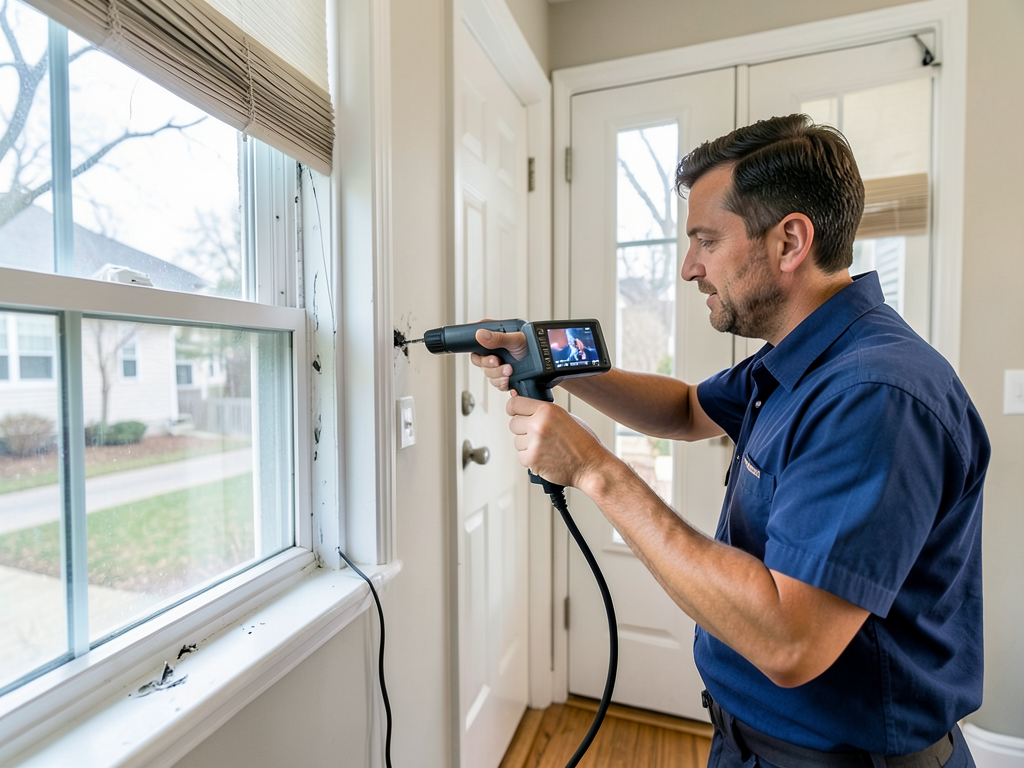
For a more thorough check use a thermal camera or infrared thermometer. These tools show temperature differences that reveal hidden air leaks. You can rent these devices from home improvement stores or hire a professional for a comprehensive energy audit.
Quick Fixes That Make an Immediate Difference
Some draft solutions are simple enough to tackle this weekend. Weatherstripping around windows and doors wears out over time. Replace old weatherstripping with new V strip or foam tape. This alone can reduce drafts by 25 percent.
Install door sweeps on exterior doors. The gap at the bottom of doors is a major source of cold air infiltration. Choose adjustable sweeps that can accommodate uneven floors common in older homes.
Outlet and switch plate gaskets are inexpensive and effective. These foam gaskets install behind outlet covers on exterior walls blocking air flow through the electrical boxes. For outlets you rarely use consider safety plugs which also block air.
Caulk is your friend for small gaps. Use paintable latex caulk around window trim door frames and where baseboards meet exterior walls. For larger gaps use expanding foam but be careful not to overfill as it can warp materials.
When Your HVAC System is the Problem
Sometimes what feels like a draft is actually your HVAC system struggling to maintain pressure. Short cycling is a common issue in older homes. This happens when your furnace turns on and off frequently because it can’t heat the house evenly. The result is cold spots and uncomfortable temperature swings.
Undersized furnaces are another culprit. If your system was sized for a different era or has developed issues it may run constantly without adequately heating your home. This creates the feeling of drafts even when no outside air is getting in.
Blocked or leaking ductwork can cause pressure imbalances. When air can’t flow properly through your system it creates negative pressure zones that pull in outside air through any available opening. This is especially common in homes with flexible ducting that has developed kinks or disconnections over time.
Combustion safety is critical when sealing your home. Older furnaces and water heaters need proper venting. Sealing your home too tightly without considering combustion air requirements can create dangerous carbon monoxide situations. Always have a professional check your combustion appliances after major air sealing work.
Professional Solutions That Solve the Root Cause
Professional energy audits use blower door tests to measure how drafty your home really is. This test depressurizes your house and measures air leakage in cubic feet per minute. It also helps locate the biggest leaks which might not be where you expect them.
Thermal imaging during an energy audit reveals hidden issues like missing insulation voids in walls and thermal bridges where heat escapes rapidly. These problems often cause more drafts than windows and doors combined.
Duct sealing with Aeroseal technology can fix leaks throughout your entire duct system. This process pressurizes your ducts and uses polymer particles to seal leaks from the inside. It’s far more effective than manual sealing and can improve HVAC efficiency by 20 percent or more.
Attic insulation with proper air sealing is often the single most effective improvement. This involves sealing all attic bypasses then adding insulation to meet current R value recommendations. In Philadelphia attics should have R 49 to R 60 insulation for optimal performance.
Whole house air sealing addresses all the small gaps throughout your home. This includes caulking around windows and doors sealing electrical penetrations and addressing basement rim joist issues. A professional can complete this work in a few days with dramatic results.
The Stack Effect in Twin Homes: What Makes It Worse
The stack effect is more pronounced in twin homes because of their height and construction. Warm air rises through open stairwells and chases creating a powerful upward draft. This pulls cold air in through lower levels creating a continuous cycle that your heating system fights constantly.
Shared walls in twin homes can actually make the problem worse. While they provide some insulation the wall cavities often connect to attics allowing air to move between units. This means your neighbor’s heating system can affect your comfort and vice versa.
Stairwells act like chimneys in these homes. The open space allows warm air to rise rapidly creating strong drafts at lower levels. Even closing doors may not help if there are gaps under them or if the pressure differences are strong enough.
Mechanical systems in twin homes often share common chases or wall cavities. This means air can move between units through these pathways creating drafts that seem to come from nowhere. Professional air sealing addresses these interconnected pathways.
Philadelphia Winter Temperatures and Your Home’s Performance
Philadelphia’s winter design temperature is typically 14 degrees Fahrenheit. This means your heating system should keep your home comfortable when outdoor temperatures drop to this level. Many older systems in Tacony homes struggle with these conditions especially if the home has significant air leaks.
The region’s humidity levels also affect how cold drafts feel. High humidity makes cold air feel colder because it conducts heat away from your body more efficiently. This means a drafty home in Philadelphia feels more uncomfortable than the same home in a drier climate.
Wind patterns in Northeast Philadelphia can create pressure differences that worsen drafts. Southwesterly winds common in winter can create positive pressure on one side of your home and negative pressure on the other. This pressure differential drives air infiltration through even small gaps.
PECO’s energy efficiency programs offer rebates for many draft reduction improvements. These programs can cover 30 to 50 percent of the cost of air sealing insulation and HVAC improvements. The programs require professional installation and documentation to qualify for rebates.
Comparing DIY vs Professional Draft Solutions
| Solution Type | Cost Range | Effectiveness | Time Required | DIY Difficulty |
|---|---|---|---|---|
| Weatherstripping Doors/Windows | $50 – $200 | Moderate (25% reduction) | 2-4 hours | Easy |
| Outlet Gaskets | $20 – $50 | Low (5-10% reduction) | 1-2 hours | Easy |
| Caulking Gaps | $30 – $100 | Low to Moderate | 4-8 hours | Moderate |
| Blower Door Test | $300 – $500 | Diagnostic Only | 2-3 hours | Professional Only |
| Professional Air Sealing | $1,500 – $4,000 | High (40-60% reduction) | 1-3 days | Professional Only |
| Attic Insulation & Sealing | $2,000 – $6,000 | Very High (50-70% reduction) | 2-5 days | Professional Only |
| Duct Sealing (Aeroseal) | $1,500 – $3,000 | High (20-40% improvement) | 4-6 hours | Professional Only |
Maintaining Your Draft-Free Home
Once you’ve solved your draft problems maintenance is key to keeping them solved. Check weatherstripping annually and replace it when it shows signs of wear. Compressed or cracked weatherstripping loses effectiveness quickly.. Read more about Keeping Your Spruce Hill Home Office Comfortable All Day Long.
Inspect your attic insulation seasonally. Look for signs of settling moisture damage or animal intrusion. These issues can create new air pathways even after professional sealing work.
Test your HVAC system annually. A professional tune up can catch issues before they create comfort problems. This includes checking ductwork for new leaks cleaning coils and verifying proper airflow.
Monitor your energy bills for unexpected increases. A sudden jump in heating costs often indicates developing problems like new air leaks or HVAC issues. Catching these early prevents comfort problems and saves money.
Consider a follow up energy audit every few years especially if you’ve made major changes to your home. New windows additions or finished basements can change how your home performs and create new draft pathways.
Call (215) 610-9099 for Your Draft Inspection Today
Don’t spend another winter shivering in your Tacony twin home. Our team specializes in solving the unique draft problems that plague Philadelphia’s older homes. We use professional diagnostic tools to find every air leak and provide permanent solutions that actually work.
Call (215) 610-9099 today to schedule your comprehensive draft inspection. We’ll show you exactly where your home is losing energy and provide a clear plan to fix it. Our solutions come with satisfaction guarantees and we can help you qualify for PECO rebates that make improvements more affordable.
Pick up the phone and call (215) 610-9099 before the next cold snap hits. Your comfort is worth it and we’re ready to help you solve the mystery of those cold drafts for good.
Frequently Asked Questions
How much can I save on heating bills by fixing drafts?
Most homeowners see 20 to 30 percent reductions in heating costs after comprehensive air sealing and insulation improvements. The exact savings depend on your home’s condition and the severity of existing drafts.
Are new windows worth the investment for draft reduction?
New windows help but they’re often not the most cost effective first step. Air sealing and insulation typically provide better returns on investment. Windows become more worthwhile when they’re also improving aesthetics or home value.
How long does professional air sealing take?
Most professional air sealing projects take one to three days depending on your home’s size and the extent of work needed. A thorough inspection and planning phase adds another day before work begins.
Can I seal my home too tightly?
Yes if you don’t consider ventilation and combustion safety. Modern air sealing always includes proper ventilation systems and checks combustion appliances to ensure safe operation. This is why professional assessment is important.
What’s the best time of year for draft improvements?
Fall and early winter are ideal because you can feel drafts more easily and you want the improvements before peak heating season. However air sealing work can be done year round with proper planning. For more information, visit energy.gov weatherization guide.
{
“@context”: “https://schema.org”,
“@type”: “BlogPosting”,
“headline”: “Solving the Mystery of Cold Drafts in Your Tacony Twin Home”,
“description”: “Tired of cold drafts in your Tacony twin home? Discover the hidden causes of air leaks in Philly’s unique architecture and how to fix them for good.”,
“wordCount”: 2241,
“datePublished”: “2026-05-06T12:33:00.000Z”,
“dateModified”: “2026-05-06T12:33:00.000Z”,
“inLanguage”: “en-US”,
“mainEntityOfPage”: {
“@type”: “WebPage”,
“@id”: “https://elitehvacphiladelphia.com”
},
“publisher”: {
“@type”: “LocalBusiness”,
“name”: “Elite HVAC Philadelphia”,
“url”: “https://elitehvacphiladelphia.com”
},
“author”: {
“@type”: “Organization”,
“name”: “Elite HVAC Philadelphia”,
“url”: “https://elitehvacphiladelphia.com”
},
“image”: {
“@type”: “ImageObject”,
“url”: “https://elitehvacphiladelphia.com/wp-content/uploads/2026/03/solving-the-mystery-of-cold-drafts-in-your-tacony-1.png”
}
}
{
“@context”: “https://schema.org”,
“@type”: “HVACBusiness”,
“name”: “Elite HVAC Philadelphia”,
“url”: “https://elitehvacphiladelphia.com”,
“address”: {
“@type”: “PostalAddress”,
“addressLocality”: “Philadelphia”
},
“areaServed”: {
“@type”: “City”,
“name”: “Philadelphia”
}
}
{
“@context”: “https://schema.org”,
“@type”: “FAQPage”,
“mainEntity”: [
{
“@type”: “Question”,
“name”: “How much can I save on heating bills by fixing drafts?”,
“acceptedAnswer”: {
“@type”: “Answer”,
“text”: “Most homeowners see 20 to 30 percent reductions in heating costs after comprehensive air sealing and insulation improvements. The exact savings depend on your home’s condition and the severity of existing drafts.”
}
},
{
“@type”: “Question”,
“name”: “Are new windows worth the investment for draft reduction?”,
“acceptedAnswer”: {
“@type”: “Answer”,
“text”: “New windows help but they’re often not the most cost effective first step. Air sealing and insulation typically provide better returns on investment. Windows become more worthwhile when they’re also improving aesthetics or home value.”
}
},
{
“@type”: “Question”,
“name”: “How long does professional air sealing take?”,
“acceptedAnswer”: {
“@type”: “Answer”,
“text”: “Most professional air sealing projects take one to three days depending on your home’s size and the extent of work needed. A thorough inspection and planning phase adds another day before work begins.”
}
}
]
}
{
“@context”: “https://schema.org”,
“@type”: “BreadcrumbList”,
“itemListElement”: [
{
“@type”: “ListItem”,
“position”: 1,
“name”: “Home”,
“item”: “https://elitehvacphiladelphia.com”
},
{
“@type”: “ListItem”,
“position”: 2,
“name”: “Blog”,
“item”: “https://elitehvacphiladelphia.com/blog”
},
{
“@type”: “ListItem”,
“position”: 3,
“name”: “Solving the Mystery of Cold Drafts in Your Tacony Twin Home”
}
]
}
{
“@context”: “https://schema.org”,
“@type”: “Service”,
“serviceType”: “HVAC”,
“provider”: {
“@type”: “LocalBusiness”,
“name”: “Elite HVAC Philadelphia”,
“url”: “https://elitehvacphiladelphia.com”
},
“areaServed”: {
“@type”: “City”,
“name”: “Philadelphia”
},
“description”: “Tired of cold drafts in your Tacony twin home? Discover the hidden causes of air leaks in Philly’s unique architecture and how to fix them for good.”
}