
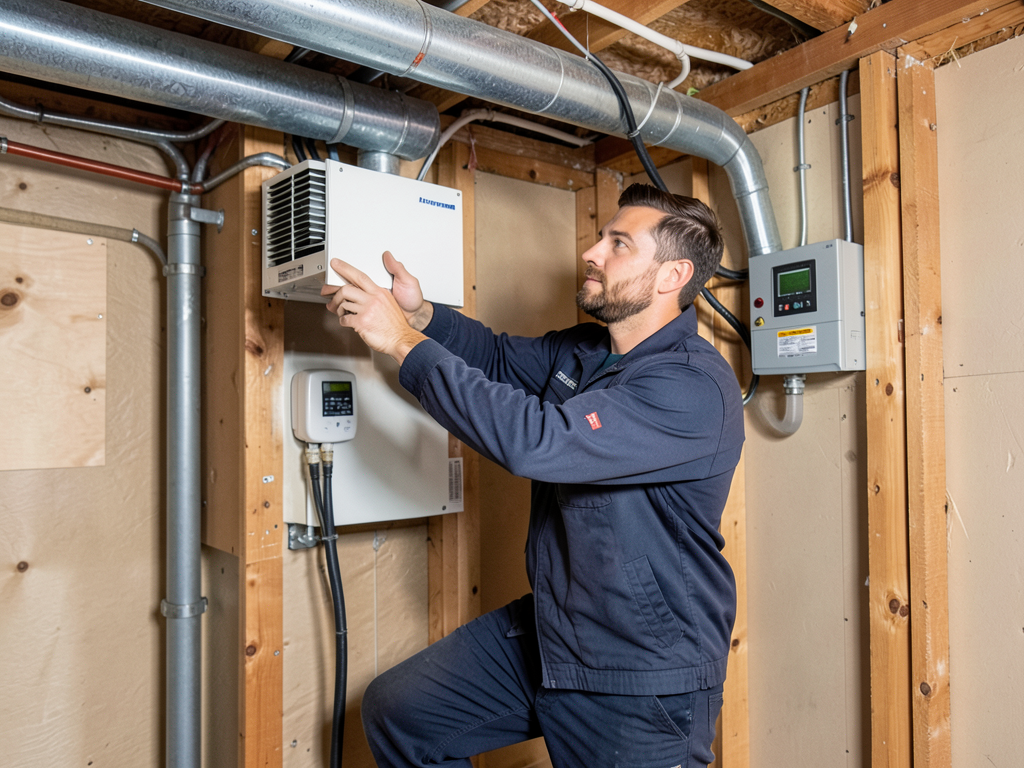
Selecting the Right Ventilation System for Your Finished Basement in Abington
Basements in Abington homes face unique air quality challenges due to the area’s humid continental climate and the age of many local foundations. The combination of clay soil common in Montgomery County and seasonal freeze-thaw cycles creates conditions where moisture infiltration and poor air circulation become persistent problems. Without proper ventilation, finished basements quickly develop musty odors, condensation on walls, and even mold growth that can damage finishes and compromise health.
The right ventilation system does more than just move air. It controls humidity, prevents negative pressure that can draw in radon and soil gases, and maintains consistent temperatures year-round. For Abington homeowners, this means understanding the specific moisture loads from local soil conditions and selecting equipment that meets both comfort needs and Pennsylvania building codes.. Read more about Protecting Your HVAC Equipment from Flash Flooding in Eastwick and Southwest Philly.
Understanding Basement Air Quality Challenges in Abington
Abington’s location in Montgomery County places it in a climate zone where summer humidity regularly exceeds 70% and winter temperatures drop below freezing. These conditions create a perfect storm for basement air quality issues. Clay soil prevalent in the area has poor drainage characteristics, allowing groundwater to exert constant hydrostatic pressure against foundation walls.
Older homes in neighborhoods like Noble and Roslyn often have stone or brick foundations that were never designed to be living spaces. These materials are naturally porous and allow moisture vapor to pass through. When warm indoor air meets these cool foundation surfaces, condensation forms. This moisture feeds mold spores and dust mites that thrive in the dark, stagnant air typical of unventilated basements.
Modern finished basements compound these problems. Adding insulation and drywall creates enclosed spaces where moisture becomes trapped. Without proper air exchange, volatile organic compounds from new materials, along with the natural off-gassing from concrete, create indoor air quality issues that affect the entire home.
Ventilation System Options for Abington Basements
Choosing between ventilation systems requires understanding how each addresses specific problems. The three main categories are exhaust-only systems, supply ventilation, and balanced ventilation with heat or energy recovery.. Read more about Choosing Between a Portable Dehumidifier and a Whole House System for Your South Philly Basement.
Exhaust-only systems use fans to remove stale air from the basement. While inexpensive, they create negative pressure that can pull in soil gases including radon, which is a known concern in Montgomery County. The EPA recommends radon testing for all Pennsylvania homes, and negative pressure from exhaust fans can increase radon levels significantly. EPA Radon Information.
Supply ventilation brings fresh air into the basement but does not remove existing moisture or contaminants. This can actually worsen humidity problems by adding more moisture-laden air during summer months when outdoor humidity is high.
Balanced systems with heat recovery ventilators (HRV) or energy recovery ventilators (ERV) provide the most comprehensive solution. These units exchange indoor and outdoor air while transferring heat between the airstreams. In winter, warm indoor air preheats incoming cold air. In summer, cool indoor air precools incoming warm air. This heat exchange reduces energy costs while maintaining proper air exchange rates.
The key difference between HRV and ERV systems lies in moisture transfer. HRVs transfer only heat while ERVs transfer both heat and moisture. For Abington’s humid summers, ERVs are often the better choice because they help control indoor humidity levels while still providing fresh air.
Heat Recovery Ventilators vs Energy Recovery Ventilators
Both HRV and ERV systems meet ASHRAE Standard 62.2 for residential ventilation, which requires 7.5 CFM of fresh air per person plus 1 CFM per 100 square feet of floor area. For a typical 1,000 square foot finished basement used as a family room, this means providing at least 10-15 CFM of fresh air continuously. ASHRAE Standard 62.2.
HRV systems excel in cold climates where moisture removal is less critical. They recover up to 85% of heat from exhaust air, making them energy efficient for winter operation. However, in Abington’s humid summers, HRV systems can actually increase indoor humidity by bringing in moisture-laden outdoor air without removing the excess moisture.. Read more about The Most Efficient Way to Heat and Cool a New Home Addition in Mount Airy.
ERV systems address this limitation by using a desiccant-coated membrane that transfers moisture between airstreams. During summer, the ERV removes moisture from incoming air, helping maintain indoor humidity between 30-50%, which is ideal for comfort and mold prevention. In winter, the ERV transfers moisture from exhaust air to incoming dry air, preventing overly dry indoor conditions.
The initial cost difference between HRV and ERV systems is minimal, typically $200-400, but the operating cost savings and improved comfort with ERVs often justify the choice for Abington’s climate. ERVs also provide better radon mitigation support because they maintain neutral pressure rather than creating negative pressure that can draw in soil gases.
Dehumidification Integration
Even with proper ventilation, Abington basements often need supplemental dehumidification. The area’s clay soil and high water table mean that moisture vapor continuously enters through foundation walls and floors. A properly sized dehumidifier removes this excess moisture, preventing condensation and mold growth.
For a 1,000 square foot finished basement in Abington, a 50-70 pint per day dehumidifier is typically needed. Units with built-in condensate pumps are essential since gravity drainage may not be possible depending on the basement layout. Look for ENERGY STAR certified models that use 15% less energy than standard units.
Modern dehumidifiers can integrate with HVAC controls to maintain specific humidity setpoints. This integration prevents the cycling between too humid and too dry that occurs with standalone units. Some systems also include air filtration to remove dust, pollen, and mold spores, further improving indoor air quality.
Placement matters significantly. Dehumidifiers should be located where air can circulate freely around them and where condensate can drain easily. Avoid placing units near heat sources or in corners where airflow is restricted. For basements with multiple rooms, consider ducted dehumidification systems that serve the entire space.
Building Code Requirements for Basement Ventilation
Pennsylvania follows the International Residential Code with state amendments. Montgomery County enforces these codes through local inspections. For finished basements, the code requires mechanical ventilation capable of providing the ASHRAE 62.2 minimum ventilation rates.
Additionally, any basement used as sleeping space must have emergency egress windows that meet specific size requirements. These windows also provide natural ventilation when open, though they should not be relied upon as the primary ventilation source due to security and energy efficiency concerns. Emergency AC Repair in Fishtown (Fast Service When the Heat Hits).
Fire blocking requirements in basements with multiple rooms affect ventilation duct routing. Open-web floor trusses cannot be used for running ventilation ducts without proper fire blocking. This often means installing ductwork within finished walls or using surface-mounted raceways that meet fire code requirements. The True Cost of Installing Central Air in an Older South Philly Rowhome.
Electrical code requirements also impact ventilation system installation. Dedicated circuits are required for mechanical ventilation equipment, and all wiring must be installed in accordance with NEC Article 300. This includes proper grounding, overcurrent protection, and accessibility for future maintenance.
Installation Process and What to Expect
Proper ventilation system installation begins with a comprehensive assessment of the basement space. This includes measuring floor area, evaluating existing moisture problems, and testing for radon if not already done. The assessment also examines the home’s existing HVAC system to determine if it can support additional ventilation loads.
CFM calculations are critical for proper system sizing. Undersized systems cannot maintain proper air exchange, while oversized systems waste energy and may create uncomfortable drafts. The calculation must account for the number of occupants, room usage patterns, and any moisture-generating activities like exercise equipment or laundry areas.
Installation typically requires two to three days for a complete HRV or ERV system. The process includes mounting the main unit, running supply and exhaust ducts, installing condensate drains, and connecting to electrical power. For finished basements, much of this work must be done within existing walls or through minimally invasive methods.
Testing and commissioning ensure the system operates as designed. This includes measuring airflow at each register, checking for proper heat exchange operation, and verifying that humidity controls function correctly. Many systems now include smart controls that allow homeowners to monitor air quality and adjust settings remotely.
Maintenance requirements vary by system type but generally include quarterly filter changes, annual heat exchanger cleaning, and periodic condensate drain flushing. ERV systems with desiccant wheels may need wheel replacement every 5-7 years depending on usage and local conditions.
Cost Factors and Energy Savings
Ventilation system costs vary based on equipment type, installation complexity, and home-specific factors. Basic exhaust fan systems start around $500-800 installed, while complete HRV or ERV systems typically range from $2,500-4,500 installed. Dehumidification integration adds $800-1,500 to these costs.
Energy savings from heat recovery can offset much of the operating cost. In winter, heat recovery can reduce heating costs by 10-15% by preheating incoming air. In summer, ERVs reduce cooling loads by precooling and dehumidifying incoming air. These savings, combined with improved comfort and air quality, often provide return on investment within 3-5 years.
Available incentives can reduce upfront costs. PECO offers rebates for ENERGY STAR certified ventilation equipment, and some systems qualify for federal tax credits under the Energy Efficient Home Improvement Credit. Local utility programs may also provide additional incentives for whole-house ventilation improvements.
Long-term costs include filter replacement ($50-150 annually), electricity for operation ($50-150 annually for most systems), and occasional repairs. Quality equipment from established manufacturers typically provides 15-20 years of reliable operation with proper maintenance. Finding a Reliable AC Repair Service in Center City Philadelphia That Actually Shows Up.
Common Mistakes to Avoid
Undersizing ventilation systems is the most common mistake. Homeowners often choose equipment based on initial cost rather than proper sizing calculations. This results in inadequate air exchange and continued air quality problems.
Ignoring existing moisture problems before installing ventilation is another critical error. Ventilation cannot solve active water intrusion or severe condensation issues. These problems must be addressed through exterior drainage improvements, interior waterproofing, or both before ventilation becomes effective.
Improper duct routing can create noise problems and reduce system efficiency. Flexible ducts should be kept as straight as possible with minimal bends. Supply and exhaust ducts should be routed to avoid interference with other building systems and to maintain proper clearances from insulation and other materials.
Neglecting maintenance leads to system failure and poor performance. Dirty filters reduce airflow and increase energy consumption. Clogged condensate drains can cause water damage and mold growth. Regular maintenance prevents these issues and extends system life.
Choosing the wrong system type for local conditions wastes money and fails to solve problems. HRV systems in humid climates increase indoor humidity, while ERV systems in very cold climates may experience freeze-up issues without proper defrost controls.
Radon Mitigation and Ventilation
Montgomery County is classified as a Zone 1 radon area by the EPA, meaning average indoor radon levels exceed 4 pCi/L, the action level for mitigation. Proper ventilation can significantly reduce radon levels, but the approach depends on whether active radon mitigation is already in place.
For homes without active radon systems, balanced ventilation with ERVs helps by maintaining neutral pressure and diluting radon concentrations. The continuous air exchange reduces radon buildup while the heat/moisture recovery maintains energy efficiency.
For homes with active radon mitigation systems, ventilation must be coordinated to avoid interference. Radon fans create negative pressure beneath the slab, and additional exhaust ventilation can increase this negative pressure, potentially drawing in more radon. In these cases, supply ventilation or balanced systems with careful pressure management are essential.
Post-installation radon testing is recommended for all basement ventilation projects in Abington. This testing verifies that the ventilation system is not increasing radon levels and may show reductions in existing radon concentrations due to improved air exchange.
Frequently Asked Questions
How do I know if my basement needs mechanical ventilation?
Signs include persistent musty odors, condensation on windows or walls, visible mold growth, and allergy symptoms that improve when away from home. Testing indoor humidity levels above 60% also indicates ventilation problems.
Can I install a ventilation system myself?
DIY installation is possible for basic exhaust fans but not recommended for HRV or ERV systems. These require proper duct sizing, electrical connections, and commissioning that typically require professional expertise and tools. Expert Boiler Repair and Maintenance for Historic Homes in Chestnut Hill and Mt Airy.
How much does it cost to run a basement ventilation system?
Operating costs vary by system size and local electricity rates but typically range from $50-150 annually for HRV/ERV systems. This includes fan operation and any integrated dehumidification. Best Rated HVAC Contractors in the Main Line Area.
Will ventilation help with my high summer humidity?
ERV systems specifically address summer humidity by removing moisture from incoming air. Standard ventilation may actually increase humidity unless paired with dehumidification.
How long does installation take?
Most complete ventilation system installations require 2-3 days. This includes assessment, equipment installation, duct routing, electrical connections, and system testing.
Take Control of Your Basement Air Quality Today
Proper ventilation transforms your finished basement from a damp, musty space into a comfortable, healthy living area. The right system addresses Abington’s specific climate challenges while meeting local building codes and energy efficiency standards.
Don’t wait for mold problems or moisture damage to force action. A professional assessment can identify your specific ventilation needs and recommend the most cost-effective solution for your home.
Call (215) 610-9099 today to schedule your basement ventilation consultation. Our experienced technicians understand Abington’s unique building challenges and can design a system that provides years of reliable operation and improved indoor air quality.
Pick up the phone and call (215) 610-9099 before the next humid summer season makes your basement problems worse. Your family deserves clean, fresh air in every room of your home.
You may also find this helpful. Fixing Hot and Cold Spots in Your Ardmore House Using Professional Air Balancing.
You may also find this helpful. The Best Way to Get Central Air into Your Olney Attic Conversion.
{
“@context”: “https://schema.org”,
“@type”: “BlogPosting”,
“headline”: “Selecting the Right Ventilation System for Your Finished Basement in Abington”,
“description”: “Learn how to choose the best basement ventilation system for Abington homes. Discover HRV vs ERV options, humidity control, and local building code requirements.”,
“wordCount”: 2274,
“datePublished”: “2026-04-23T09:22:00.000Z”,
“dateModified”: “2026-04-23T09:22:00.000Z”,
“inLanguage”: “en-US”,
“mainEntityOfPage”: {
“@type”: “WebPage”,
“@id”: “https://elitehvacphiladelphia.com”
},
“publisher”: {
“@type”: “LocalBusiness”,
“name”: “Elite HVAC Philadelphia”,
“url”: “https://elitehvacphiladelphia.com”
},
“author”: {
“@type”: “Organization”,
“name”: “Elite HVAC Philadelphia”,
“url”: “https://elitehvacphiladelphia.com”
},
“image”: {
“@type”: “ImageObject”,
“url”: “https://elitehvacphiladelphia.com/wp-content/uploads/2026/03/selecting-the-right-ventilation-system-for-your-fi-1.png”
}
}
{
“@context”: “https://schema.org”,
“@type”: “HVACBusiness”,
“name”: “Elite HVAC Philadelphia”,
“url”: “https://elitehvacphiladelphia.com”,
“address”: {
“@type”: “PostalAddress”,
“addressLocality”: “Philadelphia”
},
“areaServed”: {
“@type”: “City”,
“name”: “Philadelphia”
}
}
{
“@context”: “https://schema.org”,
“@type”: “FAQPage”,
“mainEntity”: [
{
“@type”: “Question”,
“name”: “How do I know if my basement needs mechanical ventilation?”,
“acceptedAnswer”: {
“@type”: “Answer”,
“text”: “Signs include persistent musty odors, condensation on windows or walls, visible mold growth, and allergy symptoms that improve when away from home. Testing indoor humidity levels above 60% also indicates ventilation problems.”
}
},
{
“@type”: “Question”,
“name”: “Can I install a ventilation system myself?”,
“acceptedAnswer”: {
“@type”: “Answer”,
“text”: “DIY installation is possible for basic exhaust fans but not recommended for HRV or ERV systems. These require proper duct sizing, electrical connections, and commissioning that typically require professional expertise and tools. Expert Boiler Repair and Maintenance for Historic Homes in Chestnut Hill and Mt Airy.”
}
},
{
“@type”: “Question”,
“name”: “How much does it cost to run a basement ventilation system?”,
“acceptedAnswer”: {
“@type”: “Answer”,
“text”: “Operating costs vary by system size and local electricity rates but typically range from $50-150 annually for HRV/ERV systems. This includes fan operation and any integrated dehumidification. Best Rated HVAC Contractors in the Main Line Area.”
}
},
{
“@type”: “Question”,
“name”: “Will ventilation help with my high summer humidity?”,
“acceptedAnswer”: {
“@type”: “Answer”,
“text”: “ERV systems specifically address summer humidity by removing moisture from incoming air. Standard ventilation may actually increase humidity unless paired with dehumidification.”
}
},
{
“@type”: “Question”,
“name”: “How long does installation take?”,
“acceptedAnswer”: {
“@type”: “Answer”,
“text”: “Most complete ventilation system installations require 2-3 days. This includes assessment, equipment installation, duct routing, electrical connections, and system testing.”
}
}
]
}
{
“@context”: “https://schema.org”,
“@type”: “BreadcrumbList”,
“itemListElement”: [
{
“@type”: “ListItem”,
“position”: 1,
“name”: “Home”,
“item”: “https://elitehvacphiladelphia.com”
},
{
“@type”: “ListItem”,
“position”: 2,
“name”: “Blog”,
“item”: “https://elitehvacphiladelphia.com/blog”
},
{
“@type”: “ListItem”,
“position”: 3,
“name”: “Selecting the Right Ventilation System for Your Finished Basement in Abington”
}
]
}
{
“@context”: “https://schema.org”,
“@type”: “Service”,
“serviceType”: “HVAC”,
“provider”: {
“@type”: “LocalBusiness”,
“name”: “Elite HVAC Philadelphia”,
“url”: “https://elitehvacphiladelphia.com”
},
“areaServed”: {
“@type”: “City”,
“name”: “Philadelphia”
},
“description”: “Learn how to choose the best basement ventilation system for Abington homes. Discover HRV vs ERV options, humidity control, and local building code requirements.”
}