
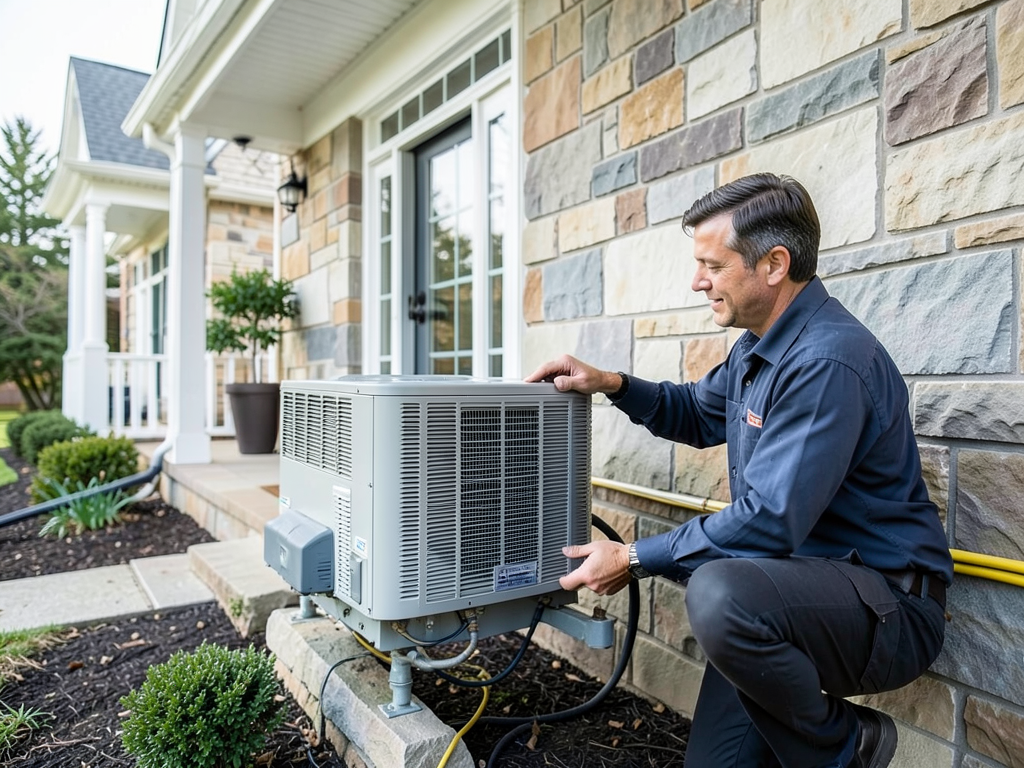
Is Electric Heating Right for Your Lower Merion Home? Here’s the Real Story
Lower Merion homeowners face a real decision in 2026. Gas furnaces have been the backbone of Main Line heating for decades. But electric heat pumps are changing the game. If you’re weighing gas vs. electric, this guide breaks down the local costs, performance, and incentives so you can make the right call for your stone Colonial or mid-century rancher.. Read more about Comparing the Long Term Costs of Gas and Electric Heat in Fox Chase.
Lower Merion’s Climate and Energy Landscape
Lower Merion sits in USDA Plant Hardiness Zone 7b. That means winter lows can hit 0°F to 5°F. Summers are humid with frequent heat waves pushing past 90°F. This swing demands equipment that handles both extremes efficiently.
Utility service matters. Most Lower Merion homes get electricity from PECO and natural gas from Philadelphia Gas Works (PGW). PECO’s current residential electric rate averages 16.8 cents per kWh. PGW’s natural gas rate is about $1.55 per therm. These numbers drive your operating costs and ROI calculations. PECO Smart Ideas rebates.
Gas Furnaces: The Traditional Main Line Choice
Gas furnaces deliver strong heat even when outdoor temps plummet. A 95% AFUE furnace burns less fuel than older 80% models. For homes with existing gas lines, replacing a failed unit with another gas furnace is often the fastest, least disruptive fix.
Monthly heating costs with gas tend to be lower than electric resistance heat. In a harsh Philly winter, a 100,000 BTU gas furnace running 600 hours can cost about $930 in fuel versus $1,800 for electric resistance. That’s a big difference if you’re heating a large stone home.
But gas has downsides. Prices can spike during cold snaps. Combustion produces CO2 and other emissions. And if your home lacks a gas line, running one can cost thousands.
Electric Heat Pumps: The Modern Alternative
Heat pumps move heat instead of creating it. In heating mode, they extract warmth from outdoor air and transfer it inside. Modern cold-climate models keep working efficiently down to about 5°F. Many include electric resistance backup for extreme cold.
A high-efficiency heat pump with HSPF2 rating of 9.5 can cut heating costs by 30% to 50% compared to electric resistance. Add in SEER2 cooling efficiency, and you get year-round comfort in one system. That’s a big plus for Lower Merion’s muggy summers.
Installation costs are higher upfront. A whole-home ducted heat pump system runs $8,000 to $15,000 versus $5,000 to $7,000 for a standard gas furnace. But tax credits under the Inflation Reduction Act (IRA) can offset up to 30% of the cost, capped at $2,000.
Heat pumps also qualify for PECO Smart Ideas rebates. Current offers include $500 for qualifying cold-climate heat pumps. These incentives shrink the payback gap between gas and electric.. Read more about How to Qualify for PECO and PGW Energy Rebates on Your New HVAC System.
Side-by-Side Comparison: Installation & Operating Costs
| Feature | Gas Furnace | Electric Heat Pump |
|---|---|---|
| Upfront Cost | $5,000 – $7,000 | $8,000 – $15,000 |
| Annual Heating Cost (100 MBTU) | $930 | $1,800 (resistance backup) |
| Tax Credit (IRA) | None | Up to 30% ($2,000 max) |
| PECO Rebate | None | Up to $500 |
| 10-Year Fuel Cost (est.) | $9,300 | $5,400* |
*Assumes 50% reduction in heating energy use vs. resistance heat. ENERGY STAR heat pumps.
Retrofitting Main Line Homes: Stone Walls and Ductwork
Many Lower Merion homes were built before central air. Stone walls and plaster ceilings make ductwork tricky. Running ducts in a 100-year-old Gladwyne Colonial can cost $5,000 to $10,000 extra. The True Cost of Installing Central Air in an Older South Philly Rowhome.
Ductless mini-splits solve this. A multi-zone mini-split serves different rooms without tearing into walls. Each indoor unit mounts on a wall or ceiling and connects to one outdoor compressor. Typical installed cost: $4,000 to $8,000 per zone.
For homes with existing radiators, a hybrid system keeps your boiler for the coldest nights and adds a heat pump for milder weather. This cuts gas use without abandoning your current setup. Expert Boiler Repair and Maintenance for Historic Homes in Chestnut Hill and Mt Airy.
Local building codes require permits for HVAC changes. Lower Merion Township enforces PA Uniform Construction Code (UCC) Article IV. Installers must pull permits and pass inspections. Skipping this can delay home sales and void warranties.
Local Incentives & Rebates for Lower Merion Homeowners
PECO Smart Ideas offers rebates on qualifying heat pumps and smart thermostats. The Inflation Reduction Act (IRA) provides federal tax credits for heat pumps meeting ENERGY STAR criteria. Credits apply to equipment installed in 2023–2032.
Montgomery County sometimes runs additional energy efficiency programs. Check the county website for seasonal offers. Utility rebates and tax credits can cut your net cost by $3,000 to $5,000.
PGW customers can also lock in fixed-rate plans to hedge against price spikes. Combining a heat pump with a gas backup lets you switch fuels based on market prices.
Carbon Footprint and the PA Power Grid
Pennsylvania’s grid mix is about 50% nuclear, 30% natural gas, 15% coal, and 5% renewables. Heat pumps running on this mix emit less CO2 per BTU than gas furnaces. Over a 15-year life, a heat pump can prevent 20 to 30 tons of CO2 emissions.
If you buy renewable power through PECO’s clean energy program, your heat pump’s footprint drops to near zero. That’s a big win for eco-conscious homeowners in Ardmore and Bryn Mawr.
Making the Switch: What to Expect
Switching from gas to electric starts with a home energy audit. A certified technician measures insulation, window seals, and duct leakage. This audit identifies the right system size and potential air sealing work.
Installation usually takes 1 to 3 days. Ductless systems are faster; ducted systems need more time for sheet metal and wiring. Your home may lack heat for a few hours during the swap.
Post-install, the tech tunes the system for your home’s layout. They set airflow, check refrigerant charge, and program the thermostat. Proper setup ensures efficiency and comfort. Weak Airflow from Vents.
Maintenance is similar to gas systems. Change filters every 1 to 3 months. Schedule annual checkups to clean coils and check electrical connections. Heat pumps have more moving parts, so a pro inspection catches issues early.
Frequently Asked Questions
Can a heat pump handle Lower Merion’s coldest nights?
Yes. Modern cold-climate heat pumps work efficiently down to about 5°F. Below that, electric resistance backup kicks in automatically. In extreme cold, your system still keeps you warm.
Will I need to upgrade my electrical panel?
Possibly. A heat pump needs a 240V circuit. If your panel is full or outdated, adding a breaker may require an upgrade. A quick load calculation tells you what’s needed.
How long does a heat pump last?
Heat pumps typically last 12 to 15 years with proper maintenance. Gas furnaces often last 15 to 20 years. Heat pumps run year-round, so their compressors work harder.
Are there any noise concerns?
Outdoor units hum at about 50 to 60 dB, similar to a quiet conversation. Indoor units are quieter. If noise is a concern, choose models with variable-speed compressors for smoother operation.. Read more about How to Prepare Your Havertown Home for a Smooth Heat Pump Conversion.
Can I keep my existing radiators?
Yes. A hybrid system pairs a heat pump with your boiler. The heat pump handles most heating; the boiler kicks in on the coldest nights. This preserves your radiators while cutting gas use.
Ready to Decide? Call (215) 610-9099
Choosing between gas and electric heating is a big decision. The right system keeps your Lower Merion home comfortable, controls costs, and meets your environmental goals. Don’t guess—get a free home energy audit and personalized quote. Call (215) 610-9099 today to schedule your consultation. Our local experts will walk you through every option and handle all permits and rebates.
Pick up the phone and call (215) 610-9099 before the next cold snap hits. Your comfort can’t wait.
{
“@context”: “https://schema.org”,
“@type”: “BlogPosting”,
“headline”: “Pros and Cons of Switching to Electric Heating for Your Lower Merion Property”,
“description”: “Considering electric heating for your Lower Merion home? Compare gas vs. electric costs, efficiency, and incentives specific to PECO and PGW service areas in 2026.”,
“wordCount”: 1282,
“datePublished”: “2026-04-09T09:32:00.000Z”,
“dateModified”: “2026-04-09T09:32:00.000Z”,
“inLanguage”: “en-US”,
“mainEntityOfPage”: {
“@type”: “WebPage”,
“@id”: “https://elitehvacphiladelphia.com”
},
“publisher”: {
“@type”: “LocalBusiness”,
“name”: “Elite HVAC Philadelphia”,
“url”: “https://elitehvacphiladelphia.com”
},
“author”: {
“@type”: “Organization”,
“name”: “Elite HVAC Philadelphia”,
“url”: “https://elitehvacphiladelphia.com”
},
“image”: {
“@type”: “ImageObject”,
“url”: “https://elitehvacphiladelphia.com/wp-content/uploads/2026/03/pros-and-cons-of-switching-to-electric-heating-for-1.png”
}
}
{
“@context”: “https://schema.org”,
“@type”: “HVACBusiness”,
“name”: “Elite HVAC Philadelphia”,
“url”: “https://elitehvacphiladelphia.com”,
“address”: {
“@type”: “PostalAddress”,
“addressLocality”: “Philadelphia”
},
“areaServed”: {
“@type”: “City”,
“name”: “Philadelphia”
}
}
{
“@context”: “https://schema.org”,
“@type”: “FAQPage”,
“mainEntity”: [
{
“@type”: “Question”,
“name”: “Can a heat pump handle Lower Merion’s coldest nights?”,
“acceptedAnswer”: {
“@type”: “Answer”,
“text”: “Yes. Modern cold-climate heat pumps work efficiently down to about 5°F. Below that, electric resistance backup kicks in automatically. In extreme cold, your system still keeps you warm.”
}
},
{
“@type”: “Question”,
“name”: “Will I need to upgrade my electrical panel?”,
“acceptedAnswer”: {
“@type”: “Answer”,
“text”: “Possibly. A heat pump needs a 240V circuit. If your panel is full or outdated, adding a breaker may require an upgrade. A quick load calculation tells you what’s needed.”
}
},
{
“@type”: “Question”,
“name”: “How long does a heat pump last?”,
“acceptedAnswer”: {
“@type”: “Answer”,
“text”: “Heat pumps typically last 12 to 15 years with proper maintenance. Gas furnaces often last 15 to 20 years. Heat pumps run year-round, so their compressors work harder.”
}
},
{
“@type”: “Question”,
“name”: “Are there any noise concerns?”,
“acceptedAnswer”: {
“@type”: “Answer”,
“text”: “Outdoor units hum at about 50 to 60 dB, similar to a quiet conversation. Indoor units are quieter. If noise is a concern, choose models with variable-speed compressors for smoother operation.”
}
},
{
“@type”: “Question”,
“name”: “Can I keep my existing radiators?”,
“acceptedAnswer”: {
“@type”: “Answer”,
“text”: “Yes. A hybrid system pairs a heat pump with your boiler. The heat pump handles most heating; the boiler kicks in on the coldest nights. This preserves your radiators while cutting gas use.”
}
}
]
}
{
“@context”: “https://schema.org”,
“@type”: “BreadcrumbList”,
“itemListElement”: [
{
“@type”: “ListItem”,
“position”: 1,
“name”: “Home”,
“item”: “https://elitehvacphiladelphia.com”
},
{
“@type”: “ListItem”,
“position”: 2,
“name”: “Blog”,
“item”: “https://elitehvacphiladelphia.com/blog”
},
{
“@type”: “ListItem”,
“position”: 3,
“name”: “Pros and Cons of Switching to Electric Heating for Your Lower Merion Property”
}
]
}
{
“@context”: “https://schema.org”,
“@type”: “Service”,
“serviceType”: “HVAC”,
“provider”: {
“@type”: “LocalBusiness”,
“name”: “Elite HVAC Philadelphia”,
“url”: “https://elitehvacphiladelphia.com”
},
“areaServed”: {
“@type”: “City”,
“name”: “Philadelphia”
},
“description”: “Considering electric heating for your Lower Merion home? Compare gas vs. electric costs, efficiency, and incentives specific to PECO and PGW service areas in 2026.”
}