
Lowering High Energy Bills in Pennsport with an Efficient HVAC Overhaul
If you’re a homeowner in Pennsport dealing with sky-high energy bills, you’re not alone. Philadelphia’s unique climate—hot, humid summers and frigid winters—puts enormous strain on HVAC systems, especially in older rowhomes common to this neighborhood. The good news is that a strategic HVAC overhaul can dramatically cut your energy consumption and improve comfort without sacrificing performance.
This guide breaks down exactly how to lower your energy bills in Pennsport by upgrading to high-efficiency systems, optimizing existing equipment, and taking advantage of local rebates. We’ll cover real-world solutions tailored to Philadelphia’s weather patterns, building codes, and utility rates.
Why Pennsport Homes Have Higher Energy Bills
Pennsport’s historic rowhomes, built before modern insulation standards, often suffer from poor thermal performance. Brick walls absorb heat during summer days and release it slowly at night, while single-pane windows and aging ductwork leak conditioned air. The result is HVAC systems that run constantly just to maintain a baseline temperature.
Philadelphia’s humid continental climate makes matters worse. High summer humidity forces air conditioners to work overtime not just to cool but to dehumidify. In winter, freezing temperatures and wind-driven drafts through old mortar joints cause heat pumps and furnaces to cycle more frequently. These conditions are why PECO bills in Pennsport can spike 30–50% above newer suburban homes.
Philadelphia’s Utility Landscape and Rate Structures
PECO’s current residential electricity rate in 2026 averages around 16.5 cents per kilowatt-hour, with seasonal demand charges that can add $15–$30 monthly during peak summer or winter months. Natural gas rates hover near $1.25 per therm. These rates are among the highest in Pennsylvania, making efficiency upgrades particularly cost-effective.
Philadelphia’s energy demand peaks in July and August when temperatures exceed 90°F with high humidity. The same pattern occurs in January and February when temperatures drop below freezing. This double-peak demand drives up both energy usage and the price per unit during those months.
Immediate DIY Fixes to Cut HVAC Costs
Before investing in new equipment, several low-cost adjustments can yield quick savings:
- Replace air filters monthly during peak seasons. Clogged filters reduce airflow by up to 15%, forcing systems to work harder.
- Install a programmable thermostat and set it to 78°F in summer when home, 82°F when away. In winter, try 68°F when home, 62°F at night.
- Seal leaky windows and doors with weatherstripping or caulk. Even small gaps can let in drafts equivalent to a 6-inch hole.
- Close blinds and curtains on south-facing windows during the hottest parts of the day to reduce solar heat gain.
- Clean outdoor condenser coils twice yearly. Dirty coils reduce efficiency by up to 30%.
The Impact of High-Efficiency HVAC Systems
Upgrading from an old 10 SEER air conditioner to a modern 18 SEER2 unit can reduce cooling costs by 40–50% annually. Heat pumps with HSPF ratings above 9.5 provide efficient heating even when temperatures drop into the teens. These systems use variable-speed compressors that adjust output to match demand rather than cycling on and off.
For Pennsport rowhomes, ductless mini-split systems offer a particularly effective solution. They eliminate the energy losses from leaky ductwork—often 20–30% in older homes—and allow room-by-room temperature control. A typical 1,500-square-foot rowhome can save $600–$800 per year with a properly sized mini-split system.
Philadelphia Rebates and Incentives for HVAC Upgrades
PECO’s Smart Ideas program offers rebates up to $500 for high-efficiency air conditioners and $750 for heat pumps. The federal Inflation Reduction Act provides 30% tax credits up to $2,000 for qualifying heat pumps and $600 for high-efficiency central AC units.
Philadelphia’s EnergyWorks program provides low-interest financing for energy efficiency improvements, with rates as low as 3.99% for qualifying homeowners. These programs can reduce the net cost of a new system by 25–40%, dramatically improving ROI. HVAC Financing & Rebates.
Professional HVAC Maintenance: The Hidden Savings Engine
Annual professional tune-ups can extend equipment life by 5–7 years and prevent costly breakdowns. During a tune-up, technicians check refrigerant charge, clean coils, test electrical connections, and calibrate thermostats. These steps ensure the system operates at peak efficiency.
Duct sealing using Aeroseal technology can reduce duct leakage by 90% or more. In older Philadelphia homes, this alone can save $150–$300 annually on heating and cooling costs. Sealed ducts also improve indoor air quality by preventing dust and allergens from entering the system.
Philadelphia Rowhome-Specific HVAC Challenges
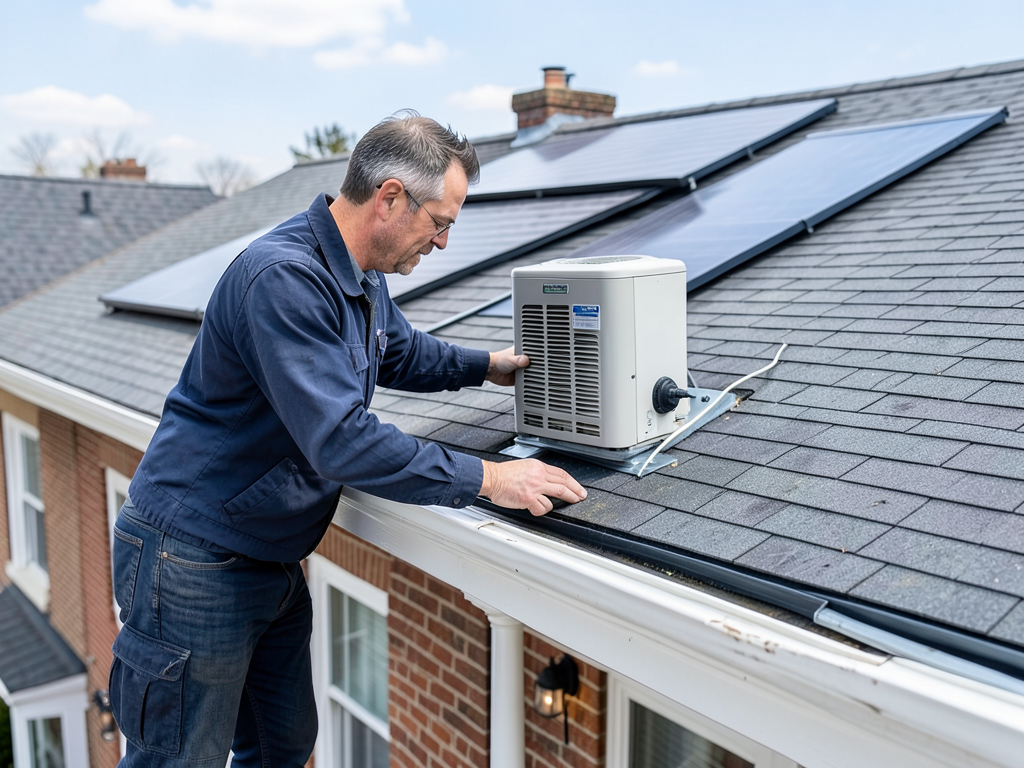
Rowhome construction presents unique HVAC challenges. Narrow party walls limit where equipment can be placed. Flat or low-slope roofs complicate outdoor unit installation. Many homes lack central ductwork entirely, requiring creative solutions like high-wall mini-splits or ceiling cassettes. The True Cost of Installing Central Air in an Older South Philly Rowhome.
Philadelphia’s L&I building code requires specific clearances for combustion equipment and mandates permits for any system replacement. Historic districts may have additional restrictions on exterior equipment placement. Working with a contractor familiar with these requirements prevents costly delays.
Humidity Control: The Philadelphia Summer Battle
Philadelphia’s summer humidity often exceeds 70%, making 75°F feel like 80°F. Standard air conditioners remove some moisture, but not enough to maintain comfortable indoor humidity levels. Whole-house dehumidifiers or variable-speed air handlers can maintain 45–50% relative humidity, improving comfort and allowing higher thermostat settings.
Dehumidification also protects your home from mold growth and wood warping. In Pennsport’s older homes, where moisture can accumulate in basement walls and crawl spaces, proper humidity control is essential for both comfort and structural integrity.
Energy Star Certification and What It Means for You
Energy Star certified HVAC equipment meets strict efficiency guidelines set by the EPA. These systems use 8–15% less energy than standard models. For Philadelphia homeowners, this translates to lower utility bills and reduced greenhouse gas emissions.
Energy Star also certifies homes that meet high-performance building standards. If you’re planning a major renovation, consider Energy Star certification for your entire home, which can increase property value and qualify for additional rebates.
Calculating Your HVAC Upgrade ROI
The payback period for a high-efficiency HVAC system depends on several factors: current system age, local utility rates, available rebates, and usage patterns. A typical 2,000-square-foot Pennsport home might see these savings:
| Upgrade Type | Estimated Annual Savings | Payback Period |
|---|---|---|
| 15 SEER2 AC replacement | $350–$450 | 5–7 years |
| Heat pump with 9.5 HSPF | $500–$700 | 4–6 years |
| Ductless mini-split system | $600–$800 | 3–5 years |
Seasonal Maintenance Calendar for Philadelphia Homes
Philadelphia’s climate demands year-round HVAC attention. Follow this maintenance schedule to maximize efficiency:
- Spring (April–May)
Schedule professional AC tune-up. Replace filters. Clean outdoor coils. Test thermostat operation.
- Summer (June–August)
Check refrigerant levels. Clean or replace filters monthly. Monitor humidity levels.
- Fall (September–October)
Schedule furnace or heat pump inspection. Test safety controls. Seal any duct leaks.
- Winter (November–March)
Replace filters every 60 days. Keep outdoor units clear of snow and ice. Monitor heating performance.
Common HVAC Problems in Philadelphia and How to Spot Them
Recognizing early warning signs can prevent costly repairs: Emergency AC Repair in Fishtown (Fast Service When the Heat Hits).
- Short cycling: System turns on and off frequently. Often caused by oversized equipment or dirty filters.
- Uneven cooling: Some rooms are too hot or cold. May indicate duct leaks or poor insulation.
- Strange noises: Grinding or squealing sounds suggest failing bearings or belts.
- High humidity: System runs constantly but air feels clammy. Could mean undersized equipment or duct issues.
Choosing the Right HVAC Contractor in Philadelphia
Not all contractors have experience with Philadelphia’s unique housing stock. Look for these qualifications: Best Rated HVAC Contractors in the Main Line Area.
- NATE certification: North American Technician Excellence certification ensures technical competence.
- Local experience: Familiarity with rowhome construction and Philadelphia building codes.
- Transparent pricing: Detailed quotes that itemize equipment, labor, and permit costs.
- Warranty coverage: At least 5-year parts warranty and 1-year labor warranty on new installations.
Future-Proofing Your HVAC Investment
Energy codes and technology are evolving rapidly. When upgrading, consider these forward-looking features:
- Smart thermostats with learning algorithms that adapt to your schedule and weather patterns.
- Variable-speed equipment that provides precise temperature control and superior humidity management.
- Hybrid systems that combine heat pumps with backup gas furnaces for extreme cold.
- Air quality upgrades like HEPA filtration or UV germicidal lights.
Frequently Asked Questions
How much can I really save by upgrading my HVAC system?
Most Philadelphia homeowners save 30–50% on heating and cooling costs by upgrading from old equipment to high-efficiency systems, especially when combined with proper maintenance and insulation improvements.
Are heat pumps effective in Philadelphia’s cold winters?
Yes. Modern cold-climate heat pumps maintain efficiency down to 0°F and can handle Philadelphia’s typical winter temperatures. For extreme cold snaps, many systems include electric resistance backup or can be paired with a gas furnace.
What size HVAC system do I need for my rowhome?
Proper sizing requires a Manual J calculation considering square footage, insulation levels, window orientation, and local climate. Guessing often leads to oversized equipment that cycles frequently and wastes energy.
Take Control of Your Energy Bills Today
High energy bills in Pennsport don’t have to be your new normal. With the right combination of upgrades, maintenance, and available rebates, you can cut your HVAC costs by hundreds of dollars annually while improving comfort and indoor air quality.
The first step is a professional energy assessment to identify your home’s specific inefficiencies. From there, you can prioritize upgrades that deliver the fastest payback and greatest comfort improvements.
Call (215) 610-9099 today to schedule your Pennsport home energy assessment. Our local experts understand Philadelphia’s unique challenges and can design a solution that fits your home, budget, and lifestyle. Don’t wait for another high PECO bill—take action now and start saving. Expert Boiler Repair and Maintenance for Historic Homes in Chestnut Hill and Mt Airy.
{
“@context”: “https://schema.org”,
“@type”: “BlogPosting”,
“headline”: “Lowering High Energy Bills in Pennsport with an Efficient HVAC Overhaul”,
“description”: “Tired of high PECO bills in Pennsport? Discover expert HVAC solutions to cut energy costs in Philly’s humid summers and freezing winters.”,
“wordCount”: 1616,
“datePublished”: “2026-04-07T15:25:00.000Z”,
“dateModified”: “2026-04-07T15:25:00.000Z”,
“inLanguage”: “en-US”,
“mainEntityOfPage”: {
“@type”: “WebPage”,
“@id”: “https://elitehvacphiladelphia.com”
},
“publisher”: {
“@type”: “LocalBusiness”,
“name”: “Elite HVAC Philadelphia”,
“url”: “https://elitehvacphiladelphia.com”
},
“author”: {
“@type”: “Organization”,
“name”: “Elite HVAC Philadelphia”,
“url”: “https://elitehvacphiladelphia.com”
},
“image”: {
“@type”: “ImageObject”,
“url”: “https://elitehvacphiladelphia.com/wp-content/uploads/2026/03/lowering-high-energy-bills-in-pennsport-with-an-ef-1.png”
}
}
{
“@context”: “https://schema.org”,
“@type”: “HVACBusiness”,
“name”: “Elite HVAC Philadelphia”,
“url”: “https://elitehvacphiladelphia.com”,
“address”: {
“@type”: “PostalAddress”,
“addressLocality”: “Philadelphia”
},
“areaServed”: {
“@type”: “City”,
“name”: “Philadelphia”
}
}
{
“@context”: “https://schema.org”,
“@type”: “FAQPage”,
“mainEntity”: [
{
“@type”: “Question”,
“name”: “How much can I really save by upgrading my HVAC system?”,
“acceptedAnswer”: {
“@type”: “Answer”,
“text”: “Most Philadelphia homeowners save 30–50% on heating and cooling costs by upgrading from old equipment to high-efficiency systems, especially when combined with proper maintenance and insulation improvements.”
}
},
{
“@type”: “Question”,
“name”: “Are heat pumps effective in Philadelphia’s cold winters?”,
“acceptedAnswer”: {
“@type”: “Answer”,
“text”: “Yes. Modern cold-climate heat pumps maintain efficiency down to 0°F and can handle Philadelphia’s typical winter temperatures. For extreme cold snaps, many systems include electric resistance backup or can be paired with a gas furnace.”
}
},
{
“@type”: “Question”,
“name”: “What size HVAC system do I need for my rowhome?”,
“acceptedAnswer”: {
“@type”: “Answer”,
“text”: “Proper sizing requires a Manual J calculation considering square footage, insulation levels, window orientation, and local climate. Guessing often leads to oversized equipment that cycles frequently and wastes energy.”
}
}
]
}
{
“@context”: “https://schema.org”,
“@type”: “HowTo”,
“name”: “Philadelphia HVAC Maintenance Calendar”,
“step”: [
{
“@type”: “HowToStep”,
“position”: 1,
“name”: “Spring (April–May)”,
“text”: “Schedule professional AC tune-up. Replace filters. Clean outdoor coils. Test thermostat operation.”
},
{
“@type”: “HowToStep”,
“position”: 2,
“name”: “Summer (June–August)”,
“text”: “Check refrigerant levels. Clean or replace filters monthly. Monitor humidity levels.”
},
{
“@type”: “HowToStep”,
“position”: 3,
“name”: “Fall (September–October)”,
“text”: “Schedule furnace or heat pump inspection. Test safety controls. Seal any duct leaks.”
},
{
“@type”: “HowToStep”,
“position”: 4,
“name”: “Winter (November–March)”,
“text”: “Replace filters every 60 days. Keep outdoor units clear of snow and ice. Monitor heating performance.”
}
],
“image”: “https://elitehvacphiladelphia.com/wp-content/uploads/2026/03/lowering-high-energy-bills-in-pennsport-with-an-ef-1.png”
}
{
“@context”: “https://schema.org”,
“@type”: “BreadcrumbList”,
“itemListElement”: [
{
“@type”: “ListItem”,
“position”: 1,
“name”: “Home”,
“item”: “https://elitehvacphiladelphia.com”
},
{
“@type”: “ListItem”,
“position”: 2,
“name”: “Blog”,
“item”: “https://elitehvacphiladelphia.com/blog”
},
{
“@type”: “ListItem”,
“position”: 3,
“name”: “Lowering High Energy Bills in Pennsport with an Efficient HVAC Overhaul”
}
]
}
{
“@context”: “https://schema.org”,
“@type”: “Service”,
“serviceType”: “HVAC”,
“provider”: {
“@type”: “LocalBusiness”,
“name”: “Elite HVAC Philadelphia”,
“url”: “https://elitehvacphiladelphia.com”
},
“areaServed”: {
“@type”: “City”,
“name”: “Philadelphia”
},
“description”: “Tired of high PECO bills in Pennsport? Discover expert HVAC solutions to cut energy costs in Philly’s humid summers and freezing winters.”
}