
Keeping Your Spruce Hill Home Office Comfortable All Day Long
Working from home in Philadelphia’s humid continental climate means your home office faces unique heating and cooling challenges. The old row homes in Spruce Hill often have inconsistent temperatures between rooms, making it difficult to maintain comfort during long work hours. This guide breaks down the most effective solutions for keeping your home office at the perfect temperature without wasting energy on unused spaces. Energy Star certified mini-splits.
Why Standard Central Air Often Fails the Modern Home Office
Traditional HVAC systems were designed to heat or cool entire homes uniformly. In a Spruce Hill row home, this creates several problems. The narrow, multi-story layout means your second-floor office might be 5-8 degrees warmer than your first-floor living room during summer afternoons. Single-zone thermostats can’t detect these hot spots, leaving your workspace stuffy while other rooms stay comfortable.
Many Philadelphia homes built before 1980 have original ductwork that wasn’t designed for modern cooling loads. These systems often suffer from poor airflow to upper floors, especially in converted attic offices or back bedrooms that get direct afternoon sun. The result is a workspace that’s either too cold in winter or unbearably hot in summer. Weak Airflow from Vents.
Top 4 Solutions for Philadelphia Home Offices
1. Ductless Mini-Split Systems (The Gold Standard)
Ductless mini-split systems have become the preferred solution for Philadelphia home offices. These units consist of an outdoor compressor connected to one or more indoor air handlers mounted on your wall or ceiling. For a typical 12×12 home office in Spruce Hill, a 9,000 BTU unit provides ample cooling and heating. HVAC Philadelphia.
The technology works exceptionally well in row homes because it doesn’t require tearing into walls for ductwork. Installation takes just one day, and the indoor unit operates at whisper-quiet levels around 25-30 decibels – quieter than a library. Modern inverter technology allows the compressor to adjust its speed based on demand, using 30-50% less electricity than conventional air conditioners.
Philadelphia’s PECO energy utility offers rebates up to $300 for Energy Star certified mini-splits with SEER2 ratings above 18. These systems also qualify for the federal 25C tax credit, which covers 30% of installation costs up to $2,000. PECO energy efficiency rebates.
2. Smart Thermostats and Zoning for Existing HVAC
If you already have central air, smart thermostats with zoning capabilities can dramatically improve your home office comfort. These devices learn your schedule and can direct more conditioned air to specific rooms. For Spruce Hill homes, this means your office gets priority cooling during work hours while other areas receive less attention. The True Cost of Installing Central Air in an Older South Philly Rowhome.
Modern smart thermostats integrate with most HVAC systems and can be controlled from your phone. Some models include room sensors that detect occupancy and temperature in multiple locations, ensuring your workspace stays comfortable even when you’re not moving between rooms.
The key advantage is cost – zoning upgrades typically run $500-1,500 compared to $3,000-5,000 for a complete mini-split installation. However, effectiveness depends on your existing ductwork condition and whether your system can handle the additional load.
3. Heat Pump Technology for Year-Round Comfort
Modern heat pumps have revolutionized home office climate control in Philadelphia. Unlike traditional electric resistance heaters, heat pumps move heat rather than generate it, making them 2-3 times more efficient. For Spruce Hill’s climate, a heat pump can extract warmth from outdoor air even when temperatures drop to 20°F.
The latest models include cold-climate technology that maintains efficiency down to 0°F, perfect for Philadelphia’s occasional arctic blasts. During summer, they reverse operation to provide air conditioning with SEER2 ratings up to 22.
Installation requires professional sizing based on your office’s heat gain calculations. Factors include window orientation, insulation quality, and even the number of electronic devices generating heat. A properly sized unit prevents short cycling, which reduces efficiency and comfort.
4. Portable and Window Units: Pros vs. Cons
Portable air conditioners seem like an easy solution, but they come with significant drawbacks for home office use. Most units exhaust hot air through a window hose, which creates negative pressure that pulls warm outdoor air into your workspace. This can actually increase cooling costs and reduce effectiveness.
Window units offer better efficiency but block natural light and can be noisy – often 50-60 decibels, which interferes with video calls. They also create security concerns since windows remain partially open.
However, for renters or those needing temporary solutions, modern window units with Wi-Fi controls and sleep modes can provide adequate comfort. Look for Energy Star models with noise levels under 45 decibels if you choose this option.
Addressing Philadelphia’s Unique Housing Challenges (Row Homes & Historic Buildings)
Spruce Hill’s historic row homes present specific HVAC challenges. Many were built with balloon framing that allows air to move freely between walls, creating drafts and temperature inconsistencies. Original windows often leak air, and the shared walls with neighbors can transfer heat in unexpected ways.
Historic preservation guidelines in Philadelphia may restrict exterior modifications, limiting some HVAC options. Ductless mini-splits become ideal because they require only a small 3-inch hole for the refrigerant line, which can be drilled through an exterior wall without altering the building’s appearance.
Philadelphia’s humid summers create another challenge – excess moisture in your home office can make even cool temperatures feel uncomfortable. Many modern HVAC solutions include dehumidification modes that remove 2-3 pints of water per hour, improving comfort without overcooling the space.
Energy Efficiency, Tax Credits, and PECO Rebates for Philly Residents
Philadelphia residents have access to multiple incentives for energy-efficient home office HVAC upgrades. PECO’s Smart Ideas program offers rebates for high-efficiency equipment, with amounts varying based on SEER2 and HSPF2 ratings. A mini-split with SEER2 of 18+ might qualify for a $250-300 rebate.
The federal 25C tax credit applies to qualifying heat pumps and air conditioners installed in 2023-2032. This credit covers 30% of equipment and installation costs up to $2,000. For a $4,000 mini-split installation, you could receive $1,200 in combined rebates and tax credits.
Philadelphia’s EnergyWorks program provides additional incentives for whole-home energy improvements, including HVAC upgrades. Low-income residents may qualify for enhanced rebates through the Pennsylvania Weatherization Assistance Program.
Cost Comparison: Installation and Operating Expenses
| Solution Type | Initial Cost | Annual Operating Cost | Noise Level (dB) |
|---|---|---|---|
| Ductless Mini-Split | $3,000-5,000 | $150-250 | 25-30 |
| Smart Thermostat Zoning | $500-1,500 | $200-300 | 30-40 |
| Heat Pump | $2,500-4,000 | $180-280 | 35-45 |
| Window Unit | $300-600 | $250-400 | 45-60 |
Operating costs assume 8 hours daily use during cooling season (June-September) at Philadelphia’s average electricity rate of $0.15/kWh. Mini-splits and heat pumps cost less to operate because of their higher efficiency ratings.
Installation Considerations for Spruce Hill Homes
Philadelphia’s building code requires permits for most HVAC installations, including mini-splits. The Philadelphia Department of Licenses and Inspections (L&I) mandates that all refrigerant lines be properly insulated and that condensate drains direct water away from foundations – critical in Spruce Hill where many homes sit close to property lines.
Historic District homes may need additional approval from the Philadelphia Historical Commission if any exterior work is visible from the street. This typically involves submitting photos and installation plans showing how the outdoor unit will be positioned to minimize visual impact.
Professional installation ensures proper refrigerant charge and airflow, which directly impacts efficiency and comfort. DIY installations often result in systems that consume 20-30% more electricity than professionally installed units.
Maintenance Tips for Peak Performance
Regular maintenance keeps your home office HVAC system running efficiently. For mini-splits, clean or replace filters every 3 months – more often if you have pets or live near construction. Dirty filters reduce airflow and can cause the system to ice up during cooling mode.
Check the outdoor unit periodically to ensure it’s clear of leaves, debris, and snow. Philadelphia’s heavy pollen seasons can clog outdoor coils, reducing efficiency by up to 15%. A gentle rinse with a garden hose (not a pressure washer) helps maintain performance.
Have a professional tune-up annually. This includes checking refrigerant levels, cleaning coils, and verifying that all electrical connections are tight. In Philadelphia’s humid climate, technicians should also check for condensate drain clogs that could cause water damage.
Smart Home Integration for Productivity
Modern HVAC systems integrate seamlessly with smart home platforms. Voice control through Alexa or Google Assistant lets you adjust temperature without leaving your desk. Geofencing can automatically adjust settings when you leave for meetings or return home.
Some systems include air quality monitoring that tracks CO2 levels, humidity, and particulate matter. This data helps optimize ventilation for better concentration and fewer headaches during long work sessions.
Energy monitoring features show exactly how much electricity your home office HVAC consumes, helping you identify patterns and potential savings. Many systems can integrate with utility time-of-use rates, automatically reducing consumption during peak pricing periods.
Emergency Preparedness
Philadelphia experiences occasional heat waves where temperatures exceed 95°F for several days. During these periods, even efficient HVAC systems work harder and may struggle to maintain comfort. Having a backup plan – whether it’s a portable unit for extreme conditions or knowing the locations of cooling centers – provides peace of mind.
Winter poses different challenges. Philadelphia’s freeze-thaw cycles can cause pipes to burst if temperatures drop suddenly. Maintaining at least 55°F in your home office prevents freezing while minimizing energy costs when you’re away.
Consider surge protection for your HVAC equipment. Philadelphia’s aging electrical infrastructure occasionally experiences voltage fluctuations during summer peak loads, which can damage sensitive electronic controls.
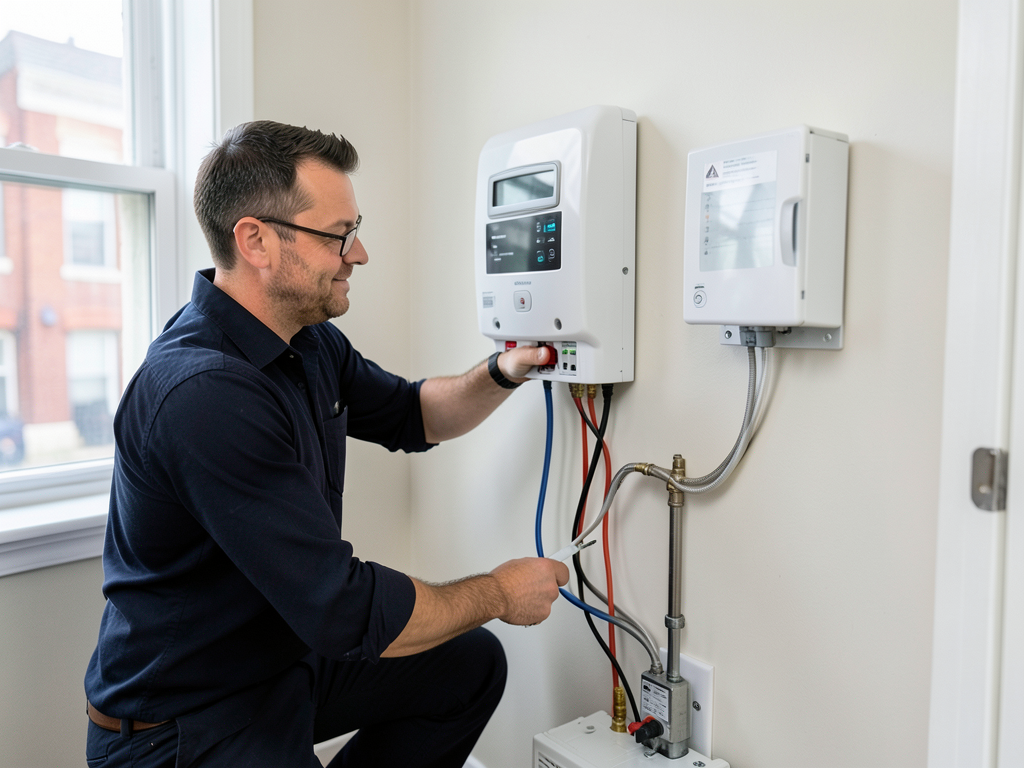
Diagram showing proper mini-split installation in a typical Spruce Hill row home, including outdoor unit placement and refrigerant line routing through exterior walls.
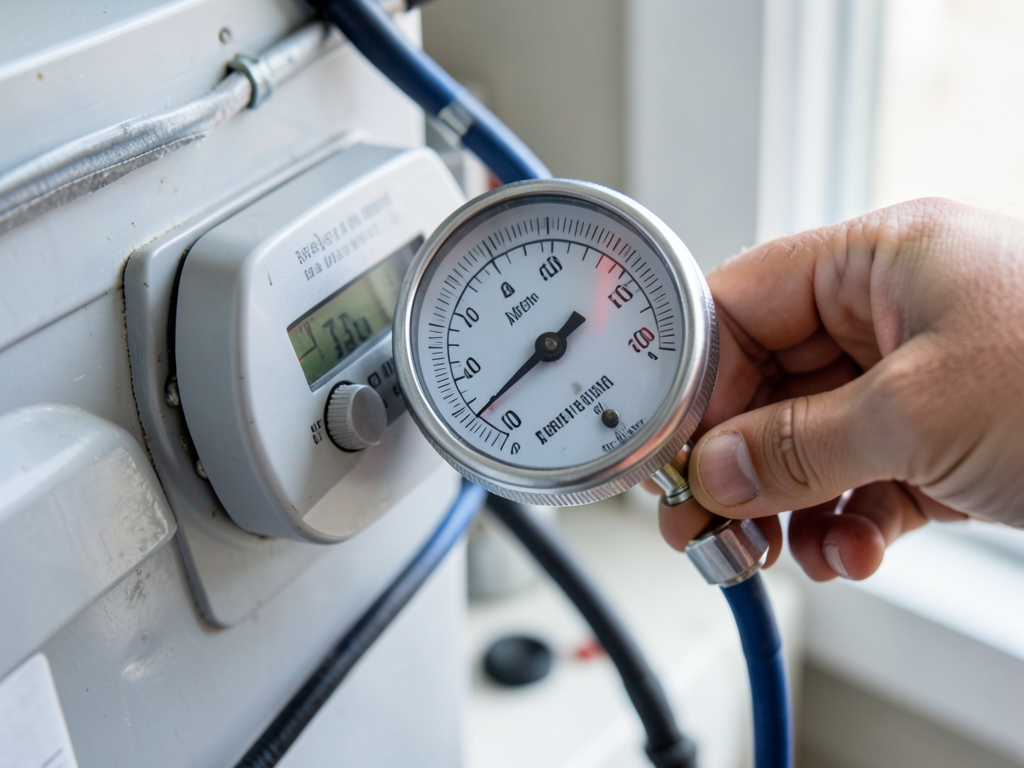
Close-up of a technician using a digital manifold gauge to check refrigerant levels during a professional HVAC installation in a Philadelphia home office.
Before and after comparison of a Spruce Hill home office, showing the compact indoor unit mounted high on the wall and improved temperature consistency throughout the workday.
Frequently Asked Questions
How long does mini-split installation take in a Spruce Hill home?
Most installations complete in 4-6 hours. The indoor unit mounts to the wall, a 3-inch hole is drilled for the line set, and the outdoor unit is positioned on the ground or wall bracket. Professional installers handle all permitting and code compliance.
Will a mini-split work in extremely cold Philadelphia winters?
Yes, modern cold-climate heat pumps maintain efficiency down to 0°F. For Philadelphia’s typical winter lows in the teens, these systems provide reliable heating without backup. Some homeowners keep their existing furnace as emergency backup for rare sub-zero nights. Emergency AC Repair in Fishtown (Fast Service When the Heat Hits).
What size unit do I need for a 12×12 home office?
A 9,000 BTU unit typically suffices for a 144 square foot office in Philadelphia. However, factors like high ceilings, large windows, or poor insulation may require upsizing to 12,000 BTU. Professional heat load calculations ensure proper sizing.
Are there any Philadelphia-specific rebates available?
PECO offers rebates up to $300 for qualifying high-efficiency equipment. Philadelphia residents may also qualify for additional incentives through the EnergyWorks program or Pennsylvania’s Weatherization Assistance Program for income-eligible households.
How noisy are modern mini-splits for video calls?
Quality mini-splits operate at 25-30 decibels on low speed – quieter than a whisper. Even at maximum cooling, most units stay under 40 decibels, which won’t interfere with Zoom calls or concentration.
Can I install this myself to save money?
DIY installation voids warranties and often results in poor performance. Professional installation ensures proper refrigerant charge, electrical connections, and code compliance. The efficiency gains typically offset the installation cost within 2-3 years.
What maintenance do these systems require?
Clean filters every 3 months, check outdoor unit for debris monthly, and schedule annual professional maintenance. These simple steps keep your system running at peak efficiency for 15-20 years.
How do I control humidity in my home office?
Many mini-splits include dehumidification modes that remove 2-3 pints of moisture per hour without overcooling. For Philadelphia’s humid summers, this feature is essential for comfort. Some systems also integrate with whole-home dehumidifiers for comprehensive moisture control.
Call (215) 610-9099 today to schedule your inspection and find the perfect HVAC solution for your Spruce Hill home office. Our experienced technicians understand Philadelphia’s unique climate challenges and can recommend the most efficient system for your specific needs.
You may also find this helpful. The Best Way to Get Central Air into Your Olney Attic Conversion.
{
“@context”: “https://schema.org”,
“@type”: “BlogPosting”,
“headline”: “Keeping Your Spruce Hill Home Office Comfortable All Day Long”,
“description”: “Discover the best HVAC solutions for your Spruce Hill home office. From mini-splits to smart thermostats, learn how to stay cool and productive in Philadelphia’s humid climate.”,
“wordCount”: 2052,
“datePublished”: “2026-05-08T07:58:00.000Z”,
“dateModified”: “2026-05-08T07:58:00.000Z”,
“inLanguage”: “en-US”,
“mainEntityOfPage”: {
“@type”: “WebPage”,
“@id”: “https://elitehvacphiladelphia.com”
},
“publisher”: {
“@type”: “LocalBusiness”,
“name”: “Elite HVAC Philadelphia”,
“url”: “https://elitehvacphiladelphia.com”
},
“author”: {
“@type”: “Organization”,
“name”: “Elite HVAC Philadelphia”,
“url”: “https://elitehvacphiladelphia.com”
},
“image”: {
“@type”: “ImageObject”,
“url”: “https://elitehvacphiladelphia.com/wp-content/uploads/2026/03/keeping-your-spruce-hill-home-office-comfortable-a-1.png”
}
}
{
“@context”: “https://schema.org”,
“@type”: “HVACBusiness”,
“name”: “Elite HVAC Philadelphia”,
“url”: “https://elitehvacphiladelphia.com”,
“address”: {
“@type”: “PostalAddress”,
“addressLocality”: “Philadelphia”
},
“areaServed”: {
“@type”: “City”,
“name”: “Philadelphia”
}
}
{
“@context”: “https://schema.org”,
“@type”: “FAQPage”,
“mainEntity”: [
{
“@type”: “Question”,
“name”: “How long does mini-split installation take in a Spruce Hill home?”,
“acceptedAnswer”: {
“@type”: “Answer”,
“text”: “Most installations complete in 4-6 hours. The indoor unit mounts to the wall, a 3-inch hole is drilled for the line set, and the outdoor unit is positioned on the ground or wall bracket. Professional installers handle all permitting and code compliance.”
}
},
{
“@type”: “Question”,
“name”: “Will a mini-split work in extremely cold Philadelphia winters?”,
“acceptedAnswer”: {
“@type”: “Answer”,
“text”: “Yes, modern cold-climate heat pumps maintain efficiency down to 0°F. For Philadelphia’s typical winter lows in the teens, these systems provide reliable heating without backup. Some homeowners keep their existing furnace as emergency backup for rare sub-zero nights. Emergency AC Repair in Fishtown (Fast Service When the Heat Hits).”
}
},
{
“@type”: “Question”,
“name”: “What size unit do I need for a 12×12 home office?”,
“acceptedAnswer”: {
“@type”: “Answer”,
“text”: “A 9,000 BTU unit typically suffices for a 144 square foot office in Philadelphia. However, factors like high ceilings, large windows, or poor insulation may require upsizing to 12,000 BTU. Professional heat load calculations ensure proper sizing.”
}
},
{
“@type”: “Question”,
“name”: “Are there any Philadelphia-specific rebates available?”,
“acceptedAnswer”: {
“@type”: “Answer”,
“text”: “PECO offers rebates up to $300 for qualifying high-efficiency equipment. Philadelphia residents may also qualify for additional incentives through the EnergyWorks program or Pennsylvania’s Weatherization Assistance Program for income-eligible households.”
}
},
{
“@type”: “Question”,
“name”: “How noisy are modern mini-splits for video calls?”,
“acceptedAnswer”: {
“@type”: “Answer”,
“text”: “Quality mini-splits operate at 25-30 decibels on low speed – quieter than a whisper. Even at maximum cooling, most units stay under 40 decibels, which won’t interfere with Zoom calls or concentration.”
}
},
{
“@type”: “Question”,
“name”: “Can I install this myself to save money?”,
“acceptedAnswer”: {
“@type”: “Answer”,
“text”: “DIY installation voids warranties and often results in poor performance. Professional installation ensures proper refrigerant charge, electrical connections, and code compliance. The efficiency gains typically offset the installation cost within 2-3 years.”
}
},
{
“@type”: “Question”,
“name”: “What maintenance do these systems require?”,
“acceptedAnswer”: {
“@type”: “Answer”,
“text”: “Clean filters every 3 months, check outdoor unit for debris monthly, and schedule annual professional maintenance. These simple steps keep your system running at peak efficiency for 15-20 years.”
}
},
{
“@type”: “Question”,
“name”: “How do I control humidity in my home office?”,
“acceptedAnswer”: {
“@type”: “Answer”,
“text”: “Many mini-splits include dehumidification modes that remove 2-3 pints of moisture per hour without overcooling. For Philadelphia’s humid summers, this feature is essential for comfort. Some systems also integrate with whole-home dehumidifiers for comprehensive moisture control.”
}
}
]
}
{
“@context”: “https://schema.org”,
“@type”: “BreadcrumbList”,
“itemListElement”: [
{
“@type”: “ListItem”,
“position”: 1,
“name”: “Home”,
“item”: “https://elitehvacphiladelphia.com”
},
{
“@type”: “ListItem”,
“position”: 2,
“name”: “Blog”,
“item”: “https://elitehvacphiladelphia.com/blog”
},
{
“@type”: “ListItem”,
“position”: 3,
“name”: “Keeping Your Spruce Hill Home Office Comfortable All Day Long”
}
]
}
{
“@context”: “https://schema.org”,
“@type”: “Service”,
“serviceType”: “HVAC”,
“provider”: {
“@type”: “LocalBusiness”,
“name”: “Elite HVAC Philadelphia”,
“url”: “https://elitehvacphiladelphia.com”
},
“areaServed”: {
“@type”: “City”,
“name”: “Philadelphia”
},
“description”: “Discover the best HVAC solutions for your Spruce Hill home office. From mini-splits to smart thermostats, learn how to stay cool and productive in Philadelphia’s humid climate.”
}