
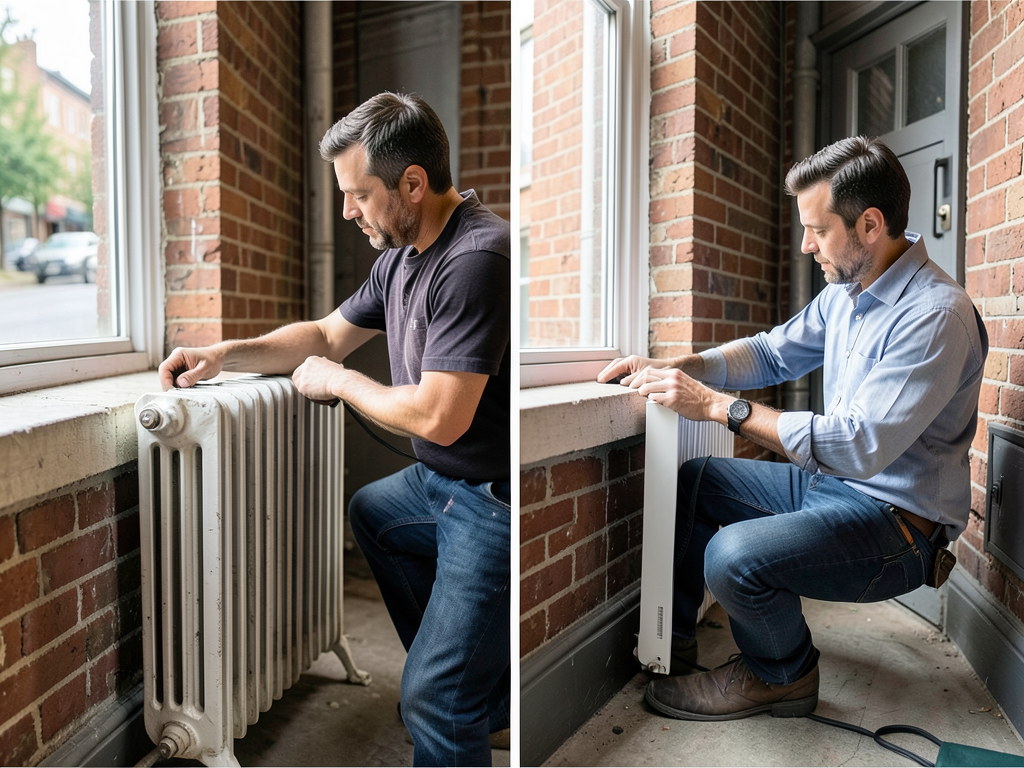
Is It Finally Time to Give Up Your Germantown Radiators for a Modern System
Your Germantown home deserves reliable heating that doesn’t drain your wallet. Many historic Philadelphia properties still rely on original cast iron radiators that struggle to keep up with modern comfort demands. The question isn’t just about aesthetics anymore. It’s about whether your current system can deliver consistent warmth when temperatures plummet. Finding a Reliable AC Repair Service in Center City Philadelphia That Actually Shows Up.
Philadelphia winters are unforgiving. When your radiators take forever to warm up or leave certain rooms freezing, you’re not just uncomfortable. You’re wasting money on inefficient heating that battles against drafty windows and aging pipes. The decision to upgrade becomes clearer when you understand what modern systems can actually deliver.
Understanding Your Current Germantown Radiator System
Most Germantown homes built before 1950 feature either steam or hot water radiator systems. Steam systems use one pipe to deliver steam and return condensate while hot water systems use separate supply and return lines. Both were engineering marvels in their day but face limitations today.
Steam systems operate at higher temperatures creating more heat loss through pipes and walls. Hot water systems run cooler but still struggle with the massive thermal mass of cast iron radiators. These units take 30-45 minutes to reach full temperature after your boiler kicks on. Expert Boiler Repair and Maintenance for Historic Homes in Chestnut Hill and Mt Airy.
The real issue isn’t just age. Philadelphia’s humid continental climate means your radiators face constant freeze-thaw cycles. Water trapped in valve stems expands and contracts breaking seals. Cast iron develops microscopic cracks that grow over decades. Philadelphia’s climate action goals.
Warning Signs Your Radiators Need Attention
Listen to your radiators. They often tell you exactly what’s wrong before complete failure hits. Gurgling sounds indicate air trapped in the system. Banging noises suggest steam hitting cold water pockets. Hissing from valves means steam escaping where it shouldn’t.
Feel the radiators. Cold spots on cast iron surfaces indicate internal corrosion blocking water flow. If the bottom is cold but the top is hot, sediment has settled in the bottom creating an insulating layer.
Check for leaks around valve connections. Even small drips create rust stains and floor damage. Philadelphia’s hard water accelerates mineral buildup inside pipes reducing efficiency by up to 30% over 20 years.
Watch your energy bills. If heating costs keep rising despite stable fuel prices, your system is working harder to deliver less heat. Modern high-efficiency boilers paired with old radiators still waste energy through poor heat distribution.
Modern Heating Solutions for Philadelphia Homes
Today’s heating technology offers options that weren’t available when your home was built. European-style panel radiators heat up in 5-10 minutes instead of 45. They mount flush to walls saving precious floor space in narrow Philadelphia row homes.
Modern systems use thermostatic radiator valves that automatically adjust output based on room temperature. No more overheating bedrooms while the living room stays cold. Each room maintains its own comfort level.
Hydronic radiant floor heating represents the ultimate comfort upgrade. Warm floors eliminate cold feet and create even heat distribution without visible equipment. Installation works best during major renovations but retrofit options exist for selective areas.
High-efficiency heat pumps now handle Philadelphia’s climate effectively. Modern cold-climate heat pumps operate efficiently down to 0°F providing both heating and cooling from one system. This eliminates the need for separate air conditioning in summer.
Cost Comparison: Repair vs Replace
| System Component | Repair Cost Range | Replacement Cost Range | Expected Lifespan |
|---|---|---|---|
| Cast Iron Radiator (per unit) | $150 – $400 | $800 – $1,500 | 20-30 years |
| Steam Boiler | $500 – $1,200 | $3,500 – $7,000 | 15-25 years |
| Hot Water Boiler | $400 – $900 | $4,000 – $8,000 | 20-30 years |
| Thermostatic Valves | $75 – $150 | $200 – $350 | 10-15 years |
The Philadelphia Building Code Factor
Philadelphia’s Department of Licenses and Inspections requires permits for radiator replacement work. The Philadelphia Building Code Chapter 13 mandates specific clearances for heating equipment and proper venting for combustion appliances.
Historic District homes in Germantown face additional restrictions. The Philadelphia Historical Commission must approve visible changes to exterior facades. This affects where new equipment can be installed and what materials are acceptable.
Pennsylvania’s Uniform Construction Code requires licensed HVAC contractors for system modifications. This ensures proper sizing calculations and safe installation practices. DIY radiator work violates both state and local regulations. Best Rated HVAC Contractors in the Main Line Area.
Energy Efficiency and Rebate Opportunities
PECO offers rebates up to $900 for high-efficiency boiler installations. The ENERGY STAR program provides additional incentives for systems meeting specific efficiency thresholds. These rebates can offset 15-20% of replacement costs. PECO energy efficiency rebates.
Philadelphia’s EnergyWorks program provides low-interest financing for energy efficiency improvements. Qualified homeowners can access 0% interest loans up to $15,000 for heating system upgrades.
Modern systems achieve 90-98% efficiency ratings compared to 60-75% for older equipment. This translates to 20-35% reduction in annual heating costs. Most upgrades pay for themselves within 5-7 years through energy savings.
Making the Decision: Key Factors to Consider
Age matters significantly. Systems over 20 years old face declining reliability and rising repair costs. The cumulative effect of multiple component failures often exceeds replacement cost. Emergency AC Repair in Fishtown (Fast Service When the Heat Hits).
Comfort issues drive many upgrade decisions. Uneven heating, slow warm-up times, and noisy operation create daily frustration. Modern systems eliminate these problems entirely.
Resale value impacts long-term planning. Energy-efficient heating systems appeal to buyers and can increase property values by 3-5%. This matters in Germantown’s competitive real estate market.
Environmental concerns influence some homeowners. High-efficiency systems reduce carbon emissions by 25-40% compared to older equipment. This aligns with Philadelphia’s climate action goals.
The Replacement Process: What to Expect
Professional radiator replacement follows a systematic approach. First, technicians perform heat loss calculations to properly size new equipment. This involves measuring room dimensions, insulation levels, and window areas.
Next comes system design. Engineers determine optimal radiator placement for even heat distribution. They calculate pipe sizes and layout to minimize pressure drops and ensure adequate flow.
Installation typically requires 2-3 days for a whole-house replacement. The process includes draining existing systems, removing old radiators, modifying piping, and installing new equipment. Water quality testing ensures system longevity. The True Cost of Installing Central Air in an Older South Philly Rowhome.
Final commissioning involves system balancing and efficiency testing. Technicians verify each radiator delivers proper heat output and the entire system operates within design parameters.
Common Philadelphia-Specific Challenges
Narrow Philadelphia row home stairs complicate radiator removal. Cast iron units weigh 150-300 pounds each. Professional teams use specialized equipment to navigate tight spaces without damaging walls or floors.
Historic plaster walls require careful handling during pipe modifications. Original lath and plaster construction demands repair expertise to maintain authentic appearance after work completion.
Philadelphia’s high humidity affects system performance. Condensation on cold radiators creates moisture problems. Modern systems include humidity control features to prevent these issues.
Combined sewer systems in older neighborhoods impact drainage requirements. Proper condensate disposal must comply with Philadelphia Water Department regulations to prevent backups.
Frequently Asked Questions
Can I keep my old radiators with a new boiler?
Yes, but efficiency gains will be limited. New boilers achieve higher efficiency, but old radiators still lose heat through their massive cast iron mass. You’ll see some savings but not the full benefit of modern technology.
How long does a radiator replacement take?
Whole-house replacement typically requires 2-3 days. Individual radiator swaps take 4-6 hours each. System balancing and testing add another day to ensure proper operation.
Are there financing options available?
Multiple financing programs exist. PECO rebates provide upfront savings. EnergyWorks offers 0% interest loans. Many contractors provide payment plans. Total costs vary based on system size and complexity.
Will new radiators increase my home’s value?
Energy-efficient heating systems typically increase property values by 3-5%. They appeal to buyers seeking lower utility costs and improved comfort. In Germantown’s market, this translates to $10,000-$25,000 in added value.
Call (215) 610-9099 Today to Schedule Your Inspection
Don’t wait until your old radiators fail completely. Philadelphia winters wait for no one. A professional assessment identifies whether repair or replacement makes more sense for your specific situation.
Our technicians understand Germantown’s unique housing stock and can recommend solutions that preserve your home’s character while delivering modern comfort. We handle everything from permits to final testing.
Call (215) 610-9099 now to book your no-obligation consultation. We’ll evaluate your current system, explain your options clearly, and provide upfront pricing with no hidden fees.
Winter is coming. Make sure your Germantown home stays warm and comfortable without breaking the bank on energy bills.
Pick up the phone and call (215) 610-9099 before the next cold snap hits. Your comfort can’t wait.
{
“@context”: “https://schema.org”,
“@type”: “BlogPosting”,
“headline”: “Is It Finally Time to Give Up Your Germantown Radiators for a Modern System”,
“description”: “Philadelphia homeowners in Germantown face tough choices with aging radiators. Learn when to repair vs replace and discover modern heating solutions that cut energy costs.”,
“wordCount”: 1464,
“datePublished”: “2026-05-13T08:03:00.000Z”,
“dateModified”: “2026-05-13T08:03:00.000Z”,
“inLanguage”: “en-US”,
“mainEntityOfPage”: {
“@type”: “WebPage”,
“@id”: “https://elitehvacphiladelphia.com”
},
“publisher”: {
“@type”: “LocalBusiness”,
“name”: “Elite HVAC Philadelphia”,
“url”: “https://elitehvacphiladelphia.com”
},
“author”: {
“@type”: “Organization”,
“name”: “Elite HVAC Philadelphia”,
“url”: “https://elitehvacphiladelphia.com”
},
“image”: {
“@type”: “ImageObject”,
“url”: “https://elitehvacphiladelphia.com/wp-content/uploads/2026/03/is-it-finally-time-to-give-up-your-germantown-radi-1.png”
}
}
{
“@context”: “https://schema.org”,
“@type”: “HVACBusiness”,
“name”: “Elite HVAC Philadelphia”,
“url”: “https://elitehvacphiladelphia.com”,
“address”: {
“@type”: “PostalAddress”,
“addressLocality”: “Philadelphia”
},
“areaServed”: {
“@type”: “City”,
“name”: “Philadelphia”
}
}
{
“@context”: “https://schema.org”,
“@type”: “FAQPage”,
“mainEntity”: [
{
“@type”: “Question”,
“name”: “Can I keep my old radiators with a new boiler?”,
“acceptedAnswer”: {
“@type”: “Answer”,
“text”: “Yes, but efficiency gains will be limited. New boilers achieve higher efficiency, but old radiators still lose heat through their massive cast iron mass. You’ll see some savings but not the full benefit of modern technology.”
}
},
{
“@type”: “Question”,
“name”: “How long does a radiator replacement take?”,
“acceptedAnswer”: {
“@type”: “Answer”,
“text”: “Whole-house replacement typically requires 2-3 days. Individual radiator swaps take 4-6 hours each. System balancing and testing add another day to ensure proper operation.”
}
},
{
“@type”: “Question”,
“name”: “Will new radiators increase my home’s value?”,
“acceptedAnswer”: {
“@type”: “Answer”,
“text”: “Energy-efficient heating systems typically increase property values by 3-5%. They appeal to buyers seeking lower utility costs and improved comfort. In Germantown’s market, this translates to $10,000-$25,000 in added value.”
}
}
]
}
{
“@context”: “https://schema.org”,
“@type”: “BreadcrumbList”,
“itemListElement”: [
{
“@type”: “ListItem”,
“position”: 1,
“name”: “Home”,
“item”: “https://elitehvacphiladelphia.com”
},
{
“@type”: “ListItem”,
“position”: 2,
“name”: “Blog”,
“item”: “https://elitehvacphiladelphia.com/blog”
},
{
“@type”: “ListItem”,
“position”: 3,
“name”: “Is It Finally Time to Give Up Your Germantown Radiators for a Modern System”
}
]
}
{
“@context”: “https://schema.org”,
“@type”: “Service”,
“serviceType”: “HVAC”,
“provider”: {
“@type”: “LocalBusiness”,
“name”: “Elite HVAC Philadelphia”,
“url”: “https://elitehvacphiladelphia.com”
},
“areaServed”: {
“@type”: “City”,
“name”: “Philadelphia”
},
“description”: “Philadelphia homeowners in Germantown face tough choices with aging radiators. Learn when to repair vs replace and discover modern heating solutions that cut energy costs.”
}