
How to Set Up an Indestructible HVAC System for Your Francisville Airbnb
Francisville’s brick rowhomes and humid summers make HVAC reliability critical for Airbnb hosts. One failed AC unit during a July weekend can trigger refund requests and tank your Superhost status. This guide shows you how to build a system that handles Philadelphia’s climate extremes while keeping guests comfortable and your energy bills low. Philadelphia Department of Licenses and Inspections.
Why Francisville Airbnb HVAC Demands Special Attention
Francisville sits between Fairmount and Northern Liberties in zip codes 19130 and 19121. The neighborhood’s historic rowhomes feature narrow ductwork, aging electrical panels, and poor insulation. Summer humidity often exceeds 80%, while winter nights drop below freezing. These conditions stress HVAC systems more than newer suburban builds.. Read more about Moving Your Outdoor AC Unit to the Roof of a Francisville Rowhome (And What to Tell the Structural Engineer).
Philadelphia’s Department of Licenses and Inspections requires rental properties to maintain minimum temperatures of 68°F between October 1 and April 30. Failure to provide adequate heating can result in fines and forced evacuations. For short-term rentals, this means your system must handle both comfort demands and legal compliance. HVAC Philadelphia.
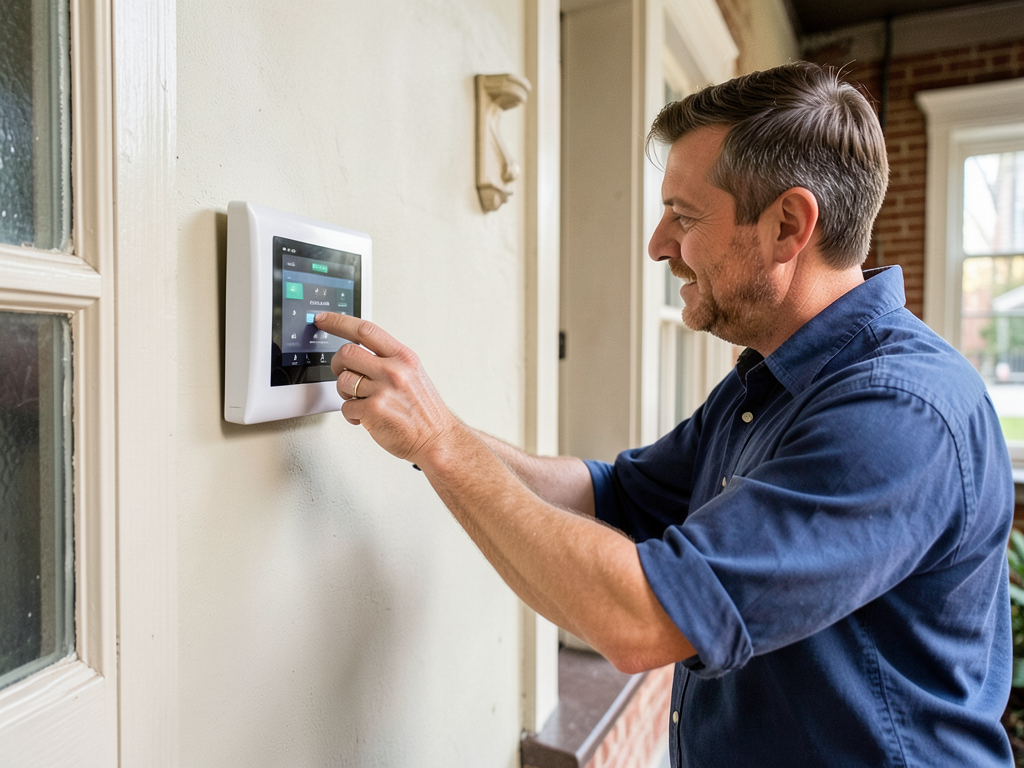
Smart Thermostat Setup for Remote Management
Modern smart thermostats let you monitor and control temperatures from anywhere. Models like the Nest Learning Thermostat or Ecobee SmartThermostat connect to Wi-Fi and allow remote adjustments through smartphone apps.
For Airbnb use, enable guest temperature limits to prevent excessive cooling or heating. Set maximum cooling to 74°F and minimum heating to 68°F. This protects your system from overwork while keeping guests comfortable.
Install door and window sensors that trigger HVAC shutdowns when windows are open. This prevents energy waste and protects compressors from short cycling. ENERGY STAR HVAC equipment.
Preventative Maintenance Schedule for High-Turnover Properties
Airbnb properties experience more HVAC wear than primary residences. Each guest stay represents a complete cycle of temperature adjustment and air circulation. Implement this maintenance schedule:
- Monthly Filter Changes
Replace 1-inch filters every 30 days. For pleated filters, check monthly and replace when visibly dirty. Dirty filters reduce airflow by up to 15% and strain blower motors. Weak Airflow from Vents.
- Quarterly Coil Cleaning
Clean evaporator and condenser coils every three months. Philadelphia’s pollen and urban dust accumulate rapidly. Use coil cleaner and soft brush to remove buildup without damaging fins.
- Biannual Professional Tune-up
Schedule spring and fall inspections. Technicians check refrigerant levels, electrical connections, and condensate drain function. Early detection prevents mid-season failures.
Emergency Response Protocol for Guest Comfort
Develop a clear emergency plan before guests arrive. Post HVAC instructions in your welcome guide including: Emergency AC Repair in Fishtown (Fast Service When the Heat Hits).
- Basic troubleshooting steps (check thermostat batteries, reset breaker)
- Emergency contact information with response timeframes
- Backup cooling options (window fans, portable AC units)
- Local HVAC emergency service numbers
Partner with a local HVAC company that offers 24/7 emergency service. Response times matter more than price when guests are uncomfortable. A technician arriving within 2 hours prevents negative reviews better than a $50 discount on future stays.
Air Quality Management for High-Occupancy Units
Francisville’s urban location means higher outdoor pollutant levels. Install HEPA filtration systems to remove dust, pollen, and particulate matter. This is especially important for guests with allergies or respiratory conditions.
Humidity control prevents mold growth in Philadelphia’s damp climate. Install a whole-house dehumidifier or use portable units in problem areas. Target 45-55% relative humidity. Higher levels promote mold; lower levels cause discomfort.
Consider UV light systems in ductwork to kill airborne bacteria and mold spores. These systems reduce odors and improve air quality without adding chemicals to the air.
Energy Efficiency Upgrades for Row Homes
Historic rowhomes often lack modern insulation. Add spray foam insulation to attic spaces and basement rim joists. This reduces HVAC workload by 20-30%.
Replace single-pane windows with double-pane units or install interior storm windows. This cuts heat transfer and reduces noise from busy streets like Fairmount Avenue.
Upgrade to high-efficiency HVAC equipment with SEER ratings of 16 or higher. While initial costs are higher, energy savings typically offset the investment within 3-5 years.
Noise Mitigation for Densely Populated Neighborhoods
Francisville’s rowhome density means HVAC noise travels easily between buildings. Choose equipment with sound ratings below 70 decibels. Install vibration isolation pads under outdoor units.
Position outdoor condensers away from bedroom windows and property lines. Use sound barriers or landscaping to shield units from neighbors.
For indoor units, select variable-speed blowers that operate more quietly than single-speed models. These also provide better humidity control and energy efficiency.
Remote Monitoring and Guest Temperature Locking
Advanced HVAC systems now offer cloud-based monitoring. Receive alerts for temperature deviations, filter changes, or system malfunctions. This allows proactive maintenance before guests notice issues.
Implement guest temperature locking through your smart thermostat app. Set cooling limits between 70-74°F and heating limits between 68-72°F. This prevents energy waste while maintaining comfort.
Track energy usage patterns to identify unusual consumption. Sudden spikes might indicate open windows, faulty equipment, or guest misuse.
Cost-Benefit Analysis of HVAC Upgrades
| Upgrade Type | Initial Cost Range | Annual Energy Savings | Guest Satisfaction Impact |
|---|---|---|---|
| Smart Thermostat | $200-400 | $100-200 | High |
| High-Efficiency AC | $4,000-8,000 | $300-600 | Very High |
| Whole-House Dehumidifier | $1,500-2,500 | $150-250 | Medium |
| UV Light System | $600-1,000 | $50-100 | Medium |
Philadelphia-Specific HVAC Considerations
Philadelphia’s climate creates unique HVAC challenges. Summer humidity combined with urban heat island effects can push indoor temperatures 5-10°F higher than suburban areas. Winter wind tunnels between rowhomes increase heat loss through exterior walls.
The city’s electrical grid experiences peak demand during summer afternoons. This can cause voltage fluctuations that stress HVAC equipment. Install surge protectors on all major components.
Philadelphia’s aging infrastructure means some neighborhoods still have lead service lines. Consider water filtration for humidifiers and steam systems to prevent mineral buildup.. Read more about Protecting Your Narberth Home from Water Damage with a Smart HVAC Leak Detection System.
Compliance with Local Regulations
Philadelphia’s Air Management Services requires permits for HVAC equipment replacement. New installations must meet current energy efficiency standards and venting requirements.
Short-term rentals must comply with the city’s Rooming House and Boarding House regulations. This includes maintaining safe heating levels and proper ventilation.
Check PECO energy efficiency rebate programs before upgrading equipment. Many high-efficiency systems qualify for rebates that reduce net costs by 15-25%.
Building a Reliable HVAC Partnership
Choose an HVAC contractor familiar with Francisville’s building stock. They should understand the quirks of historic rowhomes, including:
- Narrow utility chases that complicate ductwork
- Older electrical systems that may need upgrades
- Foundation issues common in century-old homes
Establish a service agreement that prioritizes Airbnb properties. Define response times for different scenarios and ensure technicians have access to lockboxes or smart locks.
Document all maintenance and repairs. This creates a service history that helps diagnose recurring issues and proves compliance with rental regulations.
Frequently Asked Questions
How often should I replace HVAC filters in an Airbnb?
Replace 1-inch filters every 30 days regardless of visible dirt. High-occupancy properties need more frequent changes than primary residences. Pleated filters may last 60-90 days but check monthly.
What temperature should I set for guest comfort?
Set cooling between 70-74°F and heating between 68-72°F. These ranges balance guest comfort with energy efficiency. Philadelphia summers can be humid, so slightly warmer temperatures often feel more comfortable than arctic cooling.
How do I handle HVAC emergencies when I’m not local?
Partner with a 24/7 HVAC service that can access your property. Provide lockbox codes or smart lock access. Create a guest communication template for HVAC issues. Most guests appreciate honesty about temporary discomfort while waiting for repairs.
Are smart thermostats worth the investment for short-term rentals?
Yes. Smart thermostats typically pay for themselves within one year through energy savings and reduced wear. They also prevent guest misuse and allow remote troubleshooting. Many guests expect smart home features in modern rentals.
What maintenance should I do between guests?
Check thermostat operation, listen for unusual noises, verify airflow from vents, and ensure condensate drains properly. Run the system for 15-20 minutes to confirm operation. Address any issues before the next guest arrives.
Call (215) 610-9099 for Your Francisville Airbnb HVAC Audit
Don’t wait for guest complaints to discover HVAC problems. Call (215) 610-9099 today to schedule a comprehensive system evaluation. We’ll identify vulnerabilities, recommend upgrades, and create a maintenance plan that protects your Superhost status and keeps your energy bills under control.
Philadelphia’s climate demands HVAC systems that can handle humidity, cold snaps, and constant use. Our team understands Francisville’s unique building challenges and provides solutions that work in your specific neighborhood. Whether you need emergency repairs, smart upgrades, or preventative maintenance, we’re here to help your Airbnb succeed.
Pick up the phone and call (215) 610-9099 before the next heat wave or cold snap hits. Your guests will thank you, and your bottom line will reflect the investment in reliable comfort. Finding a Reliable AC Repair Service in Center City Philadelphia That Actually Shows Up.
{
“@context”: “https://schema.org”,
“@type”: “BlogPosting”,
“headline”: “How to Set Up an Indestructible HVAC System for Your Francisville Airbnb”,
“description”: “Protect your Francisville Airbnb from guest complaints and system failures with smart HVAC strategies. Learn local maintenance, emergency protocols, and energy-saving upgrades.”,
“wordCount”: 1452,
“datePublished”: “2026-06-01T09:48:00.000Z”,
“dateModified”: “2026-06-01T09:48:00.000Z”,
“inLanguage”: “en-US”,
“mainEntityOfPage”: {
“@type”: “WebPage”,
“@id”: “https://elitehvacphiladelphia.com”
},
“publisher”: {
“@type”: “LocalBusiness”,
“name”: “Elite HVAC Philadelphia”,
“url”: “https://elitehvacphiladelphia.com”
},
“author”: {
“@type”: “Organization”,
“name”: “Elite HVAC Philadelphia”,
“url”: “https://elitehvacphiladelphia.com”
},
“image”: {
“@type”: “ImageObject”,
“url”: “https://elitehvacphiladelphia.com/wp-content/uploads/2026/03/how-to-set-up-an-indestructible-hvac-system-for-yo-1.png”
}
}
{
“@context”: “https://schema.org”,
“@type”: “HVACBusiness”,
“name”: “Elite HVAC Philadelphia”,
“url”: “https://elitehvacphiladelphia.com”,
“address”: {
“@type”: “PostalAddress”,
“addressLocality”: “Philadelphia”
},
“areaServed”: {
“@type”: “City”,
“name”: “Philadelphia”
}
}
{
“@context”: “https://schema.org”,
“@type”: “FAQPage”,
“mainEntity”: [
{
“@type”: “Question”,
“name”: “How often should I replace HVAC filters in an Airbnb?”,
“acceptedAnswer”: {
“@type”: “Answer”,
“text”: “Replace 1-inch filters every 30 days regardless of visible dirt. High-occupancy properties need more frequent changes than primary residences. Pleated filters may last 60-90 days but check monthly.”
}
},
{
“@type”: “Question”,
“name”: “What temperature should I set for guest comfort?”,
“acceptedAnswer”: {
“@type”: “Answer”,
“text”: “Set cooling between 70-74°F and heating between 68-72°F. These ranges balance guest comfort with energy efficiency. Philadelphia summers can be humid, so slightly warmer temperatures often feel more comfortable than arctic cooling.”
}
},
{
“@type”: “Question”,
“name”: “How do I handle HVAC emergencies when I’m not local?”,
“acceptedAnswer”: {
“@type”: “Answer”,
“text”: “Partner with a 24/7 HVAC service that can access your property. Provide lockbox codes or smart lock access. Create a guest communication template for HVAC issues. Most guests appreciate honesty about temporary discomfort while waiting for repairs.”
}
},
{
“@type”: “Question”,
“name”: “Are smart thermostats worth the investment for short-term rentals?”,
“acceptedAnswer”: {
“@type”: “Answer”,
“text”: “Yes. Smart thermostats typically pay for themselves within one year through energy savings and reduced wear. They also prevent guest misuse and allow remote troubleshooting. Many guests expect smart home features in modern rentals.”
}
},
{
“@type”: “Question”,
“name”: “What maintenance should I do between guests?”,
“acceptedAnswer”: {
“@type”: “Answer”,
“text”: “Check thermostat operation, listen for unusual noises, verify airflow from vents, and ensure condensate drains properly. Run the system for 15-20 minutes to confirm operation. Address any issues before the next guest arrives.”
}
}
]
}
{
“@context”: “https://schema.org”,
“@type”: “HowTo”,
“name”: “Preventative Maintenance Schedule”,
“step”: [
{
“@type”: “HowToStep”,
“position”: 1,
“name”: “Monthly Filter Changes”,
“text”: “Replace 1-inch filters every 30 days. For pleated filters, check monthly and replace when visibly dirty. Dirty filters reduce airflow by up to 15% and strain blower motors. Weak Airflow from Vents.”
},
{
“@type”: “HowToStep”,
“position”: 2,
“name”: “Quarterly Coil Cleaning”,
“text”: “Clean evaporator and condenser coils every three months. Philadelphia’s pollen and urban dust accumulate rapidly. Use coil cleaner and soft brush to remove buildup without damaging fins.”
},
{
“@type”: “HowToStep”,
“position”: 3,
“name”: “Biannual Professional Tune-up”,
“text”: “Schedule spring and fall inspections. Technicians check refrigerant levels, electrical connections, and condensate drain function. Early detection prevents mid-season failures.”
}
],
“image”: “https://elitehvacphiladelphia.com/wp-content/uploads/2026/03/how-to-set-up-an-indestructible-hvac-system-for-yo-1.png”
}
{
“@context”: “https://schema.org”,
“@type”: “BreadcrumbList”,
“itemListElement”: [
{
“@type”: “ListItem”,
“position”: 1,
“name”: “Home”,
“item”: “https://elitehvacphiladelphia.com”
},
{
“@type”: “ListItem”,
“position”: 2,
“name”: “Blog”,
“item”: “https://elitehvacphiladelphia.com/blog”
},
{
“@type”: “ListItem”,
“position”: 3,
“name”: “How to Set Up an Indestructible HVAC System for Your Francisville Airbnb”
}
]
}
{
“@context”: “https://schema.org”,
“@type”: “Service”,
“serviceType”: “HVAC”,
“provider”: {
“@type”: “LocalBusiness”,
“name”: “Elite HVAC Philadelphia”,
“url”: “https://elitehvacphiladelphia.com”
},
“areaServed”: {
“@type”: “City”,
“name”: “Philadelphia”
},
“description”: “Protect your Francisville Airbnb from guest complaints and system failures with smart HVAC strategies. Learn local maintenance, emergency protocols, and energy-saving upgrades.”
}