
How to Qualify for PECO and PGW Energy Rebates on Your New HVAC System
Philadelphia homeowners can save up to $2,000 or more on a new high-efficiency HVAC system by combining PECO and PGW utility rebates with federal tax credits. This guide breaks down exactly what rebates are available, which equipment qualifies, and how to stack these incentives for maximum savings. PECO Smart Ideas Rebates.
The Philadelphia region has specific climate and infrastructure challenges that make energy-efficient heating and cooling systems especially valuable. High humidity in summer and cold, damp winters mean your HVAC system works harder than in many other regions. Utility companies like PECO and PGW offer rebates specifically designed to help Philadelphia homeowners offset the cost of upgrading to systems that handle these local conditions more effectively. PGW EnergySense Rebates.
Before diving into the details, here’s the bottom line: A qualifying high-efficiency heat pump or central air system can earn you up to $500 from PECO, up to $300 from PGW, and up to $2,000 in federal tax credits through the Inflation Reduction Act. These rebates are stackable, meaning you can combine them for significant savings. The True Cost of Installing Central Air in an Older South Philly Rowhome.
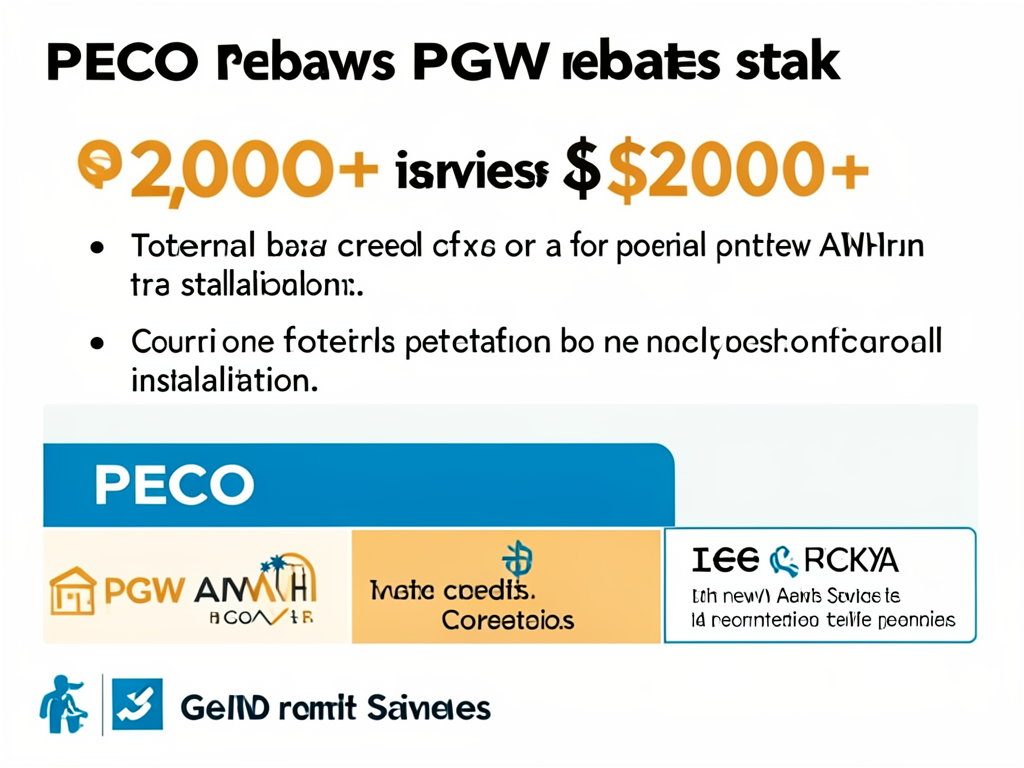
Diagram showing how PECO and PGW rebates stack with federal tax credits for a total potential savings of $2,000+
Understanding Philadelphia’s Utility Rebate Programs
Philadelphia’s two main utility providers offer distinct rebate programs for HVAC equipment. PECO serves electric customers throughout the region, while PGW provides natural gas service to Philadelphia residents. Each has different requirements and rebate amounts. HVAC Philadelphia.
PECO’s Smart Ideas program offers rebates for electric heating and cooling equipment. The program focuses on reducing peak demand during hot summer months when air conditioning use strains the grid. PGW’s EnergySense program targets natural gas customers, offering rebates for high-efficiency furnaces and boilers that reduce overall gas consumption. Expert Boiler Repair and Maintenance for Historic Homes in Chestnut Hill and Mt Airy.
Both programs require installation by a participating contractor and equipment that meets specific efficiency standards. The key is understanding which program applies to your situation based on your energy source and the type of equipment you’re installing.. Read more about Understanding SEER2 Ratings and What They Mean for Your Energy Bills in Bryn Mawr.
PECO Rebates for HVAC Equipment
PECO offers rebates through its Smart Ideas for Your Home program. For HVAC equipment, the most valuable rebates are for heat pumps and central air conditioning systems that meet SEER2 and HSPF2 efficiency standards.
Heat pumps are particularly valuable in Philadelphia’s climate because they provide both heating and cooling. A qualifying air-source heat pump can earn you up to $500 from PECO. The exact amount depends on the system’s efficiency ratings and whether it includes features like variable-speed compressors.
Central air conditioning systems also qualify for PECO rebates. A new central AC unit with a SEER2 rating of 16 or higher can earn you up to $300. Higher efficiency ratings may qualify for additional incentives.
To qualify for PECO rebates, your equipment must be installed by a participating contractor. The contractor handles the rebate paperwork and ensures your system meets all requirements. This is where working with a knowledgeable local HVAC company becomes essential.
PGW EnergySense Rebates
PGW’s EnergySense program offers rebates for natural gas heating equipment. If your home uses natural gas for heating, you may qualify for rebates on high-efficiency furnaces and boilers.. Read more about Lowering High Energy Bills in Pennsport with an Efficient HVAC Overhaul.
A qualifying high-efficiency furnace with an AFUE rating of 95% or higher can earn you up to $300 from PGW. Boilers have similar requirements and rebate amounts. The program encourages homeowners to upgrade older, less efficient equipment that wastes energy and money.
PGW also offers rebates for smart thermostats when installed with qualifying heating equipment. A smart thermostat can earn you an additional $50, helping you control energy use more effectively.
Like PECO, PGW requires installation by a participating contractor. The contractor verifies that your equipment meets efficiency standards and submits the rebate application on your behalf.
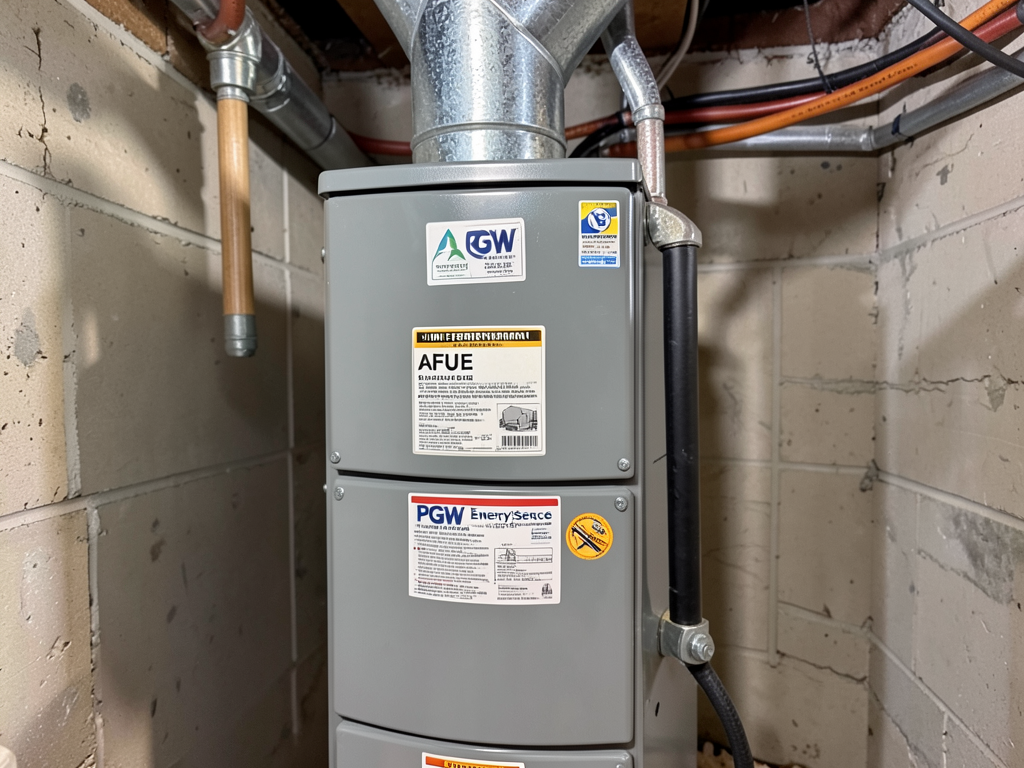
Photo of a high-efficiency furnace installation showing AFUE rating label and PGW EnergySense compliance sticker
Federal Tax Credits Through the Inflation Reduction Act
The federal government offers tax credits through Section 25C of the Inflation Reduction Act for energy-efficient home improvements. These credits apply to HVAC equipment and can be combined with utility rebates.
For HVAC equipment, the federal tax credit covers 30% of the cost, up to $2,000 per item. This applies to qualifying heat pumps, central air conditioners, furnaces, and boilers. The credit is available for equipment installed in 2023 through 2032.
Heat pumps are especially valuable because they qualify for the full $2,000 credit when they meet the required efficiency standards. A heat pump that qualifies for both PECO and federal rebates could save you $2,500 or more on installation costs.
The federal credit requires that equipment be Energy Star certified and installed in your primary residence. You’ll need to keep documentation including the manufacturer’s certification statement and your receipt.
Stacking Rebates for Maximum Savings
The real power comes from combining multiple incentives. A heat pump installation could qualify for:
- Up to $500 from PECO
- Up to $2,000 from federal tax credits
- Additional savings from manufacturer rebates
This stacking strategy can reduce the out-of-pocket cost of a new HVAC system by thousands of dollars. The key is choosing equipment that qualifies for multiple programs and working with a contractor who understands how to maximize these incentives.
For example, a high-efficiency heat pump installation might cost $7,000 before incentives. With $500 from PECO and $2,000 in federal credits, your net cost drops to $4,500. Add a manufacturer rebate of $300, and you’re down to $4,200 for a system that will save you money on energy bills for years to come.
Eligibility Requirements and Standards
Each rebate program has specific efficiency requirements. Understanding these standards helps you choose equipment that qualifies for the most incentives.
PECO requires equipment to meet SEER2 and HSPF2 standards. SEER2 measures cooling efficiency, while HSPF2 measures heating efficiency for heat pumps. Equipment must be installed by a participating contractor who verifies these ratings.
PGW focuses on AFUE ratings for heating equipment. AFUE measures how efficiently a furnace or boiler converts fuel to heat. Equipment must have an AFUE of 95% or higher to qualify for rebates.
The federal tax credit requires Energy Star certification. Energy Star is a government-backed symbol for energy efficiency. Equipment must meet specific performance criteria to earn this certification.
All programs require professional installation. DIY installations do not qualify for rebates. The installation must comply with local building codes and manufacturer specifications.
The Application Process
Working with a participating contractor simplifies the rebate application process. The contractor handles most of the paperwork and ensures your equipment meets all requirements.
For PECO rebates, the contractor submits the application within 90 days of installation. You’ll need to provide proof of purchase and installation. PECO typically processes applications within 8-10 weeks and issues rebates as a check or bill credit.
PGW applications follow a similar process. The contractor submits the paperwork, and PGW reviews it for compliance. Rebates are issued as a check within 6-8 weeks of approval.
Federal tax credits are claimed when you file your annual tax return. You’ll need Form 5695 and documentation showing the equipment’s cost and Energy Star certification. The credit reduces your tax liability dollar-for-dollar.
Keep all documentation for at least three years. This includes receipts, manufacturer certifications, and utility rebate confirmation letters.
Choosing the Right Equipment
The best equipment for your home depends on your energy source, budget, and comfort needs. Heat pumps are increasingly popular in Philadelphia because they handle both heating and cooling efficiently.
A heat pump with a SEER2 rating of 16 or higher and an HSPF2 rating of 8.2 or higher will qualify for PECO rebates. For federal credits, look for Energy Star certified models with high efficiency ratings.
If you have natural gas service, a high-efficiency furnace with 95% AFUE or higher qualifies for PGW rebates. Pair it with a central air conditioner that meets SEER2 requirements for additional savings.
Consider your home’s existing ductwork and insulation. A system that’s too large or too small won’t operate efficiently, regardless of its rated efficiency. A professional load calculation ensures you get the right size equipment. Best Rated HVAC Contractors in the Main Line Area.
Philadelphia-Specific Considerations
Philadelphia’s climate creates unique HVAC challenges. High humidity in summer means your air conditioner needs good moisture removal capability. Cold, damp winters require reliable heating that can handle temperature swings. Finding a Reliable AC Repair Service in Center City Philadelphia That Actually Shows Up.
Many Philadelphia homes, especially in historic neighborhoods like Society Hill or Manayunk, have older ductwork or radiator systems. These may require modifications to accommodate new high-efficiency equipment.
The city’s combined sewer system can back up during heavy rains, potentially affecting basement HVAC equipment. Proper elevation and waterproofing become important considerations for installations in flood-prone areas.
Philadelphia’s building codes require permits for HVAC replacements. A licensed contractor handles this process, ensuring your installation meets all local requirements.
Photo of a Philadelphia rowhome basement showing proper HVAC equipment elevation above potential flood levels
Common Mistakes to Avoid
Many homeowners miss out on rebates by making simple mistakes. One common error is choosing equipment that almost meets requirements but falls short on efficiency ratings.
Another mistake is working with contractors who don’t participate in rebate programs. Non-participating contractors cannot submit rebate applications, forcing you to handle complex paperwork yourself.
Some homeowners delay installation until rebate programs change. While this can sometimes work in your favor, waiting too long might mean missing out on current incentives that get reduced or eliminated.
Finally, failing to document everything can cause problems later. Keep copies of all receipts, contracts, and communications with utilities and contractors.
Timing Your Installation
Utility rebate programs often have annual funding limits. Once the money runs out, you may have to wait until the next funding cycle. This makes early planning important.
Federal tax credits are available through 2032, but equipment prices and availability can change. Getting quotes and planning your installation during off-peak seasons might save you money even without rebates.
Consider your home’s comfort needs throughout the year. If your system struggles during peak summer or winter months, waiting could mean months of discomfort.
Working with the Right Contractor
Not all HVAC contractors understand rebate programs equally. Look for companies that:
- Are participating contractors for PECO and PGW programs
- Have experience with Philadelphia’s specific building codes and climate
- Offer detailed load calculations to ensure proper equipment sizing
- Provide clear documentation for rebate applications
A good contractor will explain all your options, including which equipment qualifies for which rebates. They should provide a written proposal showing potential savings from all available incentives.
Ask about manufacturer rebates as well. Many HVAC manufacturers offer seasonal promotions that can be combined with utility and federal incentives.
Frequently Asked Questions
Can I combine PECO and PGW rebates on the same equipment?
No. PECO and PGW rebates are for different energy sources. PECO rebates apply to electric equipment, while PGW rebates apply to natural gas equipment. You’ll qualify for one or the other based on your energy source.
How long does it take to get my rebate check?
Utility rebates typically take 6-10 weeks after installation and application submission. Federal tax credits are claimed when you file your taxes, so the benefit is realized the following tax season.
Do I need a permit for HVAC replacement in Philadelphia?
Yes. Philadelphia requires permits for HVAC replacements. A licensed contractor handles permit applications and inspections as part of the installation process.
What if I rent my home?
Utility rebates typically require the homeowner to apply. If you rent, you’ll need to coordinate with your landlord. Some programs offer different incentives for rental properties.
Can I install the equipment myself to save money?
No. All rebate programs require professional installation by a licensed contractor. DIY installations void warranties and disqualify you from all incentives.
Next Steps to Start Saving
The first step is getting a professional assessment of your current system and home. A qualified HVAC contractor can evaluate your equipment, discuss your comfort needs, and identify which rebates you might qualify for.
Before meeting with contractors, gather information about your current system including the model numbers and approximate age. This helps them provide accurate recommendations and rebate estimates.
Ask potential contractors about their experience with local rebate programs. A contractor who regularly works with PECO and PGW will be more valuable than one who only offers equipment at a low price.
Remember that the cheapest option isn’t always the best value. Equipment that qualifies for rebates might cost more upfront but save you thousands in the long run through lower energy bills and incentive payments.
Call (215) 610-9099 today to schedule your free assessment and learn exactly how much you can save on your new HVAC system through PECO, PGW, and federal rebates. Our team specializes in maximizing Philadelphia homeowners’ savings while ensuring your new system handles our unique local climate perfectly.
Don’t wait until your old system fails in the middle of winter or summer. Start planning now to take advantage of current rebate programs and ensure your home stays comfortable year-round.
Pick up the phone and call (215) 610-9099 before the next utility funding cycle ends. Our experts will help you navigate all available incentives and choose the right equipment for your Philadelphia home.
You may also find this helpful. Upgrading Your Rittenhouse Condo with a Custom Smart Thermostat Setup.
{
“@context”: “https://schema.org”,
“@type”: “BlogPosting”,
“headline”: “How to Qualify for PECO and PGW Energy Rebates on Your New HVAC System”,
“description”: “Learn how to stack PECO, PGW, and federal rebates on your new HVAC system. Up to $2,000 in savings for Philadelphia homeowners. Call (215) 610-9099 for expert help.”,
“wordCount”: 2232,
“datePublished”: “2026-04-22T11:48:00.000Z”,
“dateModified”: “2026-04-22T11:48:00.000Z”,
“inLanguage”: “en-US”,
“mainEntityOfPage”: {
“@type”: “WebPage”,
“@id”: “https://elitehvacphiladelphia.com”
},
“publisher”: {
“@type”: “LocalBusiness”,
“name”: “Elite HVAC Philadelphia”,
“url”: “https://elitehvacphiladelphia.com”
},
“author”: {
“@type”: “Organization”,
“name”: “Elite HVAC Philadelphia”,
“url”: “https://elitehvacphiladelphia.com”
},
“image”: {
“@type”: “ImageObject”,
“url”: “https://elitehvacphiladelphia.com/wp-content/uploads/2026/03/how-to-qualify-for-peco-and-pgw-energy-rebates-on-1.png”
}
}
{
“@context”: “https://schema.org”,
“@type”: “HVACBusiness”,
“name”: “Elite HVAC Philadelphia”,
“url”: “https://elitehvacphiladelphia.com”,
“address”: {
“@type”: “PostalAddress”,
“addressLocality”: “Philadelphia”
},
“areaServed”: {
“@type”: “City”,
“name”: “Philadelphia”
}
}
{
“@context”: “https://schema.org”,
“@type”: “FAQPage”,
“mainEntity”: [
{
“@type”: “Question”,
“name”: “Can I combine PECO and PGW rebates on the same equipment?”,
“acceptedAnswer”: {
“@type”: “Answer”,
“text”: “No. PECO and PGW rebates are for different energy sources. PECO rebates apply to electric equipment, while PGW rebates apply to natural gas equipment. You’ll qualify for one or the other based on your energy source.”
}
},
{
“@type”: “Question”,
“name”: “How long does it take to get my rebate check?”,
“acceptedAnswer”: {
“@type”: “Answer”,
“text”: “Utility rebates typically take 6-10 weeks after installation and application submission. Federal tax credits are claimed when you file your taxes, so the benefit is realized the following tax season.”
}
},
{
“@type”: “Question”,
“name”: “Do I need a permit for HVAC replacement in Philadelphia?”,
“acceptedAnswer”: {
“@type”: “Answer”,
“text”: “Yes. Philadelphia requires permits for HVAC replacements. A licensed contractor handles permit applications and inspections as part of the installation process.”
}
},
{
“@type”: “Question”,
“name”: “What if I rent my home?”,
“acceptedAnswer”: {
“@type”: “Answer”,
“text”: “Utility rebates typically require the homeowner to apply. If you rent, you’ll need to coordinate with your landlord. Some programs offer different incentives for rental properties.”
}
},
{
“@type”: “Question”,
“name”: “Can I install the equipment myself to save money?”,
“acceptedAnswer”: {
“@type”: “Answer”,
“text”: “No. All rebate programs require professional installation by a licensed contractor. DIY installations void warranties and disqualify you from all incentives.”
}
}
]
}
{
“@context”: “https://schema.org”,
“@type”: “BreadcrumbList”,
“itemListElement”: [
{
“@type”: “ListItem”,
“position”: 1,
“name”: “Home”,
“item”: “https://elitehvacphiladelphia.com”
},
{
“@type”: “ListItem”,
“position”: 2,
“name”: “Blog”,
“item”: “https://elitehvacphiladelphia.com/blog”
},
{
“@type”: “ListItem”,
“position”: 3,
“name”: “How to Qualify for PECO and PGW Energy Rebates on Your New HVAC System”
}
]
}
{
“@context”: “https://schema.org”,
“@type”: “Service”,
“serviceType”: “HVAC”,
“provider”: {
“@type”: “LocalBusiness”,
“name”: “Elite HVAC Philadelphia”,
“url”: “https://elitehvacphiladelphia.com”
},
“areaServed”: {
“@type”: “City”,
“name”: “Philadelphia”
},
“description”: “Learn how to stack PECO, PGW, and federal rebates on your new HVAC system. Up to $2,000 in savings for Philadelphia homeowners. Call (215) 610-9099 for expert help.”
}