
How Constant Construction Dust in Kensington is Quietly Destroying Your AC Unit
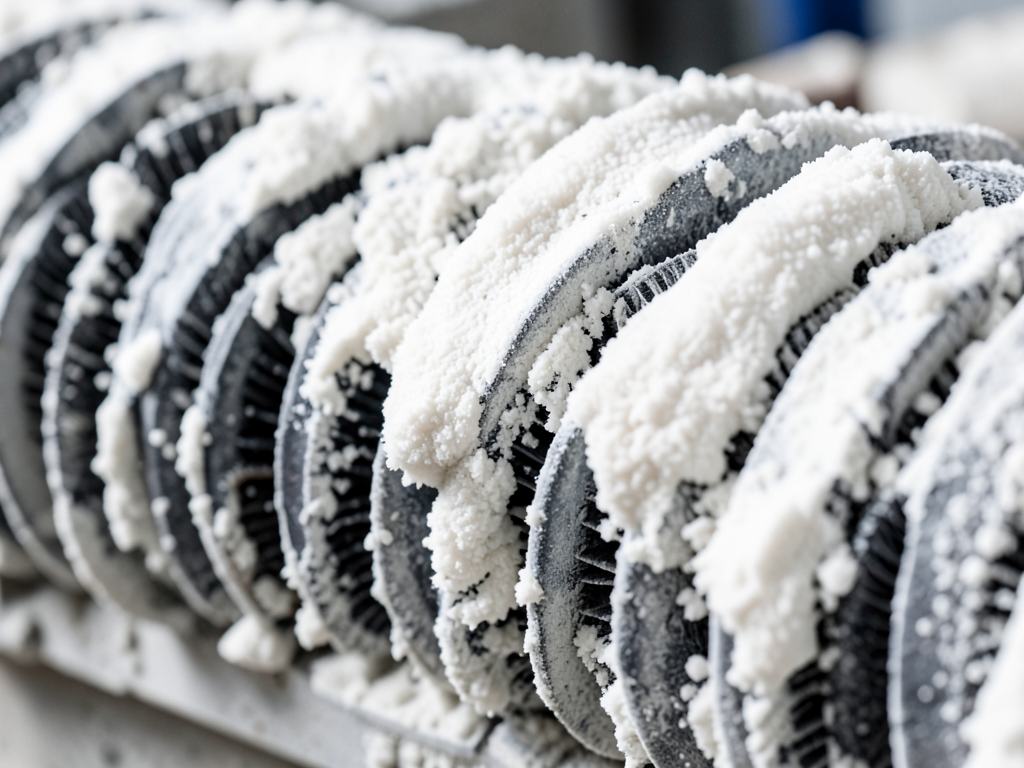
Your AC is under attack right now and you probably don’t even know it. Kensington’s relentless construction boom is filling the air with microscopic dust particles that are silently destroying your HVAC system from the inside out. Every time your AC kicks on, it’s sucking in construction dust that clogs filters, coats coils, and burns out motors. The damage happens so gradually you won’t notice until your system stops working completely.. Read more about The Right Way to Winterize Your Outdoor AC Unit Before the First Philadelphia Snow.
Construction dust in Kensington is different from normal household dust. It’s a toxic cocktail of drywall powder, silica particles, sawdust, and decades-old building debris from the neighborhood’s historic row homes. This dust is so fine it passes right through standard filters and settles deep inside your system where it causes permanent damage. The humid Philadelphia summers make things worse by causing dust to clump and stick to coils like concrete. HVAC Philadelphia.
Why Kensington Construction Dust is Different
The dust floating through Kensington’s air today is unlike anything your AC was designed to handle. When crews demolish old row homes or cut through plaster walls, they release particles so small they’re measured in microns. A typical MERV 8 filter only catches particles down to 10 microns, but construction dust often includes particles as small as 0.5 microns.
Philadelphia’s humidity compounds the problem. When warm, moist air hits the cold surfaces inside your AC, construction dust particles absorb moisture and form a sticky paste that coats everything. This paste acts like insulation, preventing heat transfer and forcing your system to work harder. Over time, this leads to frozen coils, burned-out motors, and complete system failure.
5 Warning Signs Your AC Has Construction Damage
Is your AC already suffering from construction dust damage? Here are the warning signs that Kensington homeowners need to watch for:
- Weak airflow from vents – Dust buildup on coils restricts airflow, making your system work harder to cool your home
- Unusual humming or grinding noises – Dust-clogged bearings in the blower motor create friction and wear
- Short cycling – When coils get coated with dust, your system can’t maintain temperature and shuts off early
- Higher energy bills – A struggling AC uses 30-50% more electricity trying to cool through dust buildup
- Dust blowing from vents – When dust accumulates in ductwork, it gets blown back into your living space
The Component-Level Damage Breakdown
Construction dust attacks your AC system in three critical ways. Understanding this damage helps you recognize when it’s time to call for professional help.
Blower Motors: The First to Fail
Your blower motor is the heart of your AC system, and construction dust is its worst enemy. When dust coats the motor’s bearings, friction increases dramatically. The motor has to work harder, drawing more electricity and generating excess heat. This heat eventually burns out the motor completely.
In Kensington’s older homes, many blower motors are already 10-15 years old. Construction dust can cut their remaining lifespan in half. A motor replacement costs $400-800, but if the dust has spread to other components, you could be looking at a $3,000+ system replacement.
Evaporator Coils: The Silent Killer
Your evaporator coils are where the magic happens – they’re the cold surfaces that actually cool your air. When construction dust coats these coils, it creates an insulating layer that prevents heat transfer. Your AC has to run longer and work harder to achieve the same cooling effect. Weak Airflow from Vents.
The problem gets worse when humidity causes dust to stick to coils like glue. Over time, this buildup can reduce cooling efficiency by 30-40%. In severe cases, the dust layer becomes so thick that the coils freeze over completely, causing the entire system to shut down.
Ductwork: The Hidden Danger
Your ductwork is like the lungs of your home, and construction dust can turn it into a breeding ground for mold and bacteria. When dust settles in ducts, it absorbs moisture from humid Philadelphia air. This creates the perfect environment for mold growth, which then gets distributed throughout your home every time the AC runs.
Cleaning contaminated ductwork costs $500-1,500, but if mold has taken hold, you might need to replace sections entirely. Kensington’s older homes often have narrow, hard-to-clean ducts that trap dust more easily than modern systems.
Philadelphia Contractor Tips: Preventing Dust Infiltration
If you’re planning renovations or live near active construction sites, you need to protect your HVAC system. Here’s what Philadelphia contractors recommend: Best Rated HVAC Contractors in the Main Line Area.
- Seal all vents and returns
Use plastic sheeting and painter’s tape to cover every vent, return, and register in your home. This prevents dust from being sucked into your system.
- Create negative pressure zones
Set up fans to blow air out of construction areas, creating negative pressure that keeps dust from spreading to the rest of your home.
- Never run your HVAC during active construction
Even with vents sealed, running your system can create pressure that pulls dust through tiny gaps. Wait until construction is complete and thoroughly cleaned.
- Install temporary high-efficiency filters
Use MERV 13 or higher filters during construction, even if your system isn’t designed for them long-term. They’ll catch more dust particles.
- Schedule professional duct cleaning after renovations
Don’t wait for problems to appear. Have your ducts professionally cleaned as soon as construction ends.
Post-Construction HVAC Recovery Checklist
Finished your renovations? Don’t breathe easy yet. Your AC might still be harboring construction dust that will cause problems months from now. Here’s what you need to do:
| Task | Timeline | Cost Range |
|---|---|---|
| Replace all filters | Immediately | $15-50 |
| Professional coil cleaning | Within 1 week | $150-300 |
| Duct inspection and cleaning | Within 2 weeks | $400-1,500 |
| Blower motor check | Within 1 month | $100-200 |
| Refrigerant level check | Within 3 months | $100-150 |
Cost of Neglect: The Real Numbers
Ignoring construction dust damage can cost you thousands. Here’s what Philadelphia homeowners typically face:
| Damage Level | Repair Cost | System Lifespan Impact |
|---|---|---|
| Minor (clogged filters) | $100-300 | None |
| Moderate (dirty coils) | $300-800 | 2-3 years lost |
| Severe (motor burnout) | $800-3,000 | 5-7 years lost |
| Catastrophic (system failure) | $4,000-8,000 | Complete replacement needed |
| Secondary (mold growth) | $1,500-5,000 | Health risks, ongoing issues |
Why Philadelphia’s Climate Makes Things Worse
Philadelphia’s climate creates the perfect storm for construction dust damage. Our humid summers mean dust particles absorb moisture and become sticky, clinging to surfaces instead of blowing away. When winter arrives, that same dust can freeze on coils, causing expansion and cracking.
The freeze-thaw cycles common in Philadelphia also stress your system. Dust that settles in small cracks can expand when frozen, widening those cracks over time. This is especially problematic for outdoor units where temperature swings are most extreme.
Legal and Insurance Considerations
Many Kensington homeowners don’t realize that construction dust damage might be covered by insurance or the contractor’s liability policy. If you’re living near active construction sites, document everything. Take photos of dust accumulation, keep records of any HVAC issues, and notify your insurance company if you suspect construction dust is causing damage.
Pennsylvania law requires contractors to take reasonable precautions to prevent dust from spreading to neighboring properties. If construction dust from a nearby site damages your AC, you might have legal recourse against the responsible party.
When to Call for Professional Help
Not sure if your AC has construction dust damage? Here’s when you need to call Elite HVAC Philadelphia immediately:
- Your AC is running constantly but not cooling effectively
- You hear grinding or squealing noises from the outdoor unit
- Your energy bills have spiked 30% or more without explanation
- You notice visible dust blowing from your vents
- Your system is cycling on and off rapidly
Don’t wait until your AC completely fails. Construction dust damage only gets worse over time, and what starts as a simple cleaning can turn into a $5,000+ system replacement if ignored.. Read more about Simple HVAC Tasks Port Richmond Homeowners Can Actually Do Themselves.
Frequently Asked Questions
How long does construction dust stay in my HVAC system?
Construction dust can remain in your system for years if not properly cleaned. Fine particles settle deep in coils and ductwork where they continue to cause problems. Professional cleaning is the only way to completely remove construction dust.
Can I clean construction dust from my AC myself?
Basic filter changes are fine, but construction dust requires professional cleaning equipment. Attempting to clean coils or ductwork yourself can damage delicate components and void your warranty.
How much does professional cleaning cost?
Professional HVAC cleaning after construction typically costs $400-1,500 depending on system size and contamination level. This is far cheaper than replacing damaged components or the entire system.
Will new filters solve the problem?
New filters help but won’t solve existing contamination. Dust already in your coils and ducts will continue causing problems until professionally removed.
Protect Your Investment Today
Your HVAC system is one of the most expensive appliances in your home. Construction dust in Kensington is actively destroying that investment right now. Every day you wait, the damage gets worse and more expensive to fix.
Don’t let construction dust turn your $6,000 AC system into a $12,000 replacement project. Call Elite HVAC Philadelphia at (215) 610-9099 for a professional inspection. We’ll check for construction dust damage, clean your system thoroughly, and help you prevent future problems. Your AC worked hard to keep you cool this summer – don’t let construction dust destroy it over the winter.
Pick up the phone and call (215) 610-9099 today. Our Kensington HVAC experts will diagnose construction dust damage and get your system running like new again. Don’t wait until your AC fails on the hottest day of next summer – get it inspected now while problems are still manageable. For more information, visit EPA Indoor Air Quality. For more information, visit OSHA Silica Dust Standards.
You may also find this helpful. Why Your East Falls Home Feels Like a Pollen Trap Every Spring.
{
“@context”: “https://schema.org”,
“@type”: “BlogPosting”,
“headline”: “How Constant Construction Dust in Kensington is Quietly Destroying Your AC Unit”,
“description”: “Kensington’s constant construction dust is silently damaging your AC. Learn the warning signs, prevention tips, and when to call for professional HVAC help in Philadelphia.”,
“wordCount”: 1619,
“datePublished”: “2026-05-03T13:05:00.000Z”,
“dateModified”: “2026-05-03T13:05:00.000Z”,
“inLanguage”: “en-US”,
“mainEntityOfPage”: {
“@type”: “WebPage”,
“@id”: “https://elitehvacphiladelphia.com”
},
“publisher”: {
“@type”: “LocalBusiness”,
“name”: “Elite HVAC Philadelphia”,
“url”: “https://elitehvacphiladelphia.com”
},
“author”: {
“@type”: “Organization”,
“name”: “Elite HVAC Philadelphia”,
“url”: “https://elitehvacphiladelphia.com”
},
“image”: {
“@type”: “ImageObject”,
“url”: “https://elitehvacphiladelphia.com/wp-content/uploads/2026/03/how-constant-construction-dust-in-kensington-is-qu-1.png”
}
}
{
“@context”: “https://schema.org”,
“@type”: “HVACBusiness”,
“name”: “Elite HVAC Philadelphia”,
“url”: “https://elitehvacphiladelphia.com”,
“address”: {
“@type”: “PostalAddress”,
“addressLocality”: “Philadelphia”
},
“areaServed”: {
“@type”: “City”,
“name”: “Philadelphia”
}
}
{
“@context”: “https://schema.org”,
“@type”: “FAQPage”,
“mainEntity”: [
{
“@type”: “Question”,
“name”: “How long does construction dust stay in my HVAC system?”,
“acceptedAnswer”: {
“@type”: “Answer”,
“text”: “Construction dust can remain in your system for years if not properly cleaned. Fine particles settle deep in coils and ductwork where they continue to cause problems. Professional cleaning is the only way to completely remove construction dust.”
}
},
{
“@type”: “Question”,
“name”: “Can I clean construction dust from my AC myself?”,
“acceptedAnswer”: {
“@type”: “Answer”,
“text”: “Basic filter changes are fine, but construction dust requires professional cleaning equipment. Attempting to clean coils or ductwork yourself can damage delicate components and void your warranty.”
}
},
{
“@type”: “Question”,
“name”: “How much does professional cleaning cost?”,
“acceptedAnswer”: {
“@type”: “Answer”,
“text”: “Professional HVAC cleaning after construction typically costs $400-1,500 depending on system size and contamination level. This is far cheaper than replacing damaged components or the entire system.”
}
},
{
“@type”: “Question”,
“name”: “Will new filters solve the problem?”,
“acceptedAnswer”: {
“@type”: “Answer”,
“text”: “New filters help but won’t solve existing contamination. Dust already in your coils and ducts will continue causing problems until professionally removed.”
}
}
]
}
{
“@context”: “https://schema.org”,
“@type”: “HowTo”,
“name”: “How to Protect Your AC During Construction”,
“step”: [
{
“@type”: “HowToStep”,
“position”: 1,
“name”: “Seal all vents and returns”,
“text”: “Use plastic sheeting and painter’s tape to cover every vent, return, and register in your home. This prevents dust from being sucked into your system.”
},
{
“@type”: “HowToStep”,
“position”: 2,
“name”: “Create negative pressure zones”,
“text”: “Set up fans to blow air out of construction areas, creating negative pressure that keeps dust from spreading to the rest of your home.”
},
{
“@type”: “HowToStep”,
“position”: 3,
“name”: “Never run your HVAC during active construction”,
“text”: “Even with vents sealed, running your system can create pressure that pulls dust through tiny gaps. Wait until construction is complete and thoroughly cleaned.”
},
{
“@type”: “HowToStep”,
“position”: 4,
“name”: “Install temporary high-efficiency filters”,
“text”: “Use MERV 13 or higher filters during construction, even if your system isn’t designed for them long-term. They’ll catch more dust particles.”
},
{
“@type”: “HowToStep”,
“position”: 5,
“name”: “Schedule professional duct cleaning after renovations”,
“text”: “Don’t wait for problems to appear. Have your ducts professionally cleaned as soon as construction ends.”
}
],
“image”: “https://elitehvacphiladelphia.com/wp-content/uploads/2026/03/how-constant-construction-dust-in-kensington-is-qu-1.png”
}
{
“@context”: “https://schema.org”,
“@type”: “BreadcrumbList”,
“itemListElement”: [
{
“@type”: “ListItem”,
“position”: 1,
“name”: “Home”,
“item”: “https://elitehvacphiladelphia.com”
},
{
“@type”: “ListItem”,
“position”: 2,
“name”: “Blog”,
“item”: “https://elitehvacphiladelphia.com/blog”
},
{
“@type”: “ListItem”,
“position”: 3,
“name”: “How Constant Construction Dust in Kensington is Quietly Destroying Your AC Unit”
}
]
}
{
“@context”: “https://schema.org”,
“@type”: “Service”,
“serviceType”: “HVAC”,
“provider”: {
“@type”: “LocalBusiness”,
“name”: “Elite HVAC Philadelphia”,
“url”: “https://elitehvacphiladelphia.com”
},
“areaServed”: {
“@type”: “City”,
“name”: “Philadelphia”
},
“description”: “Kensington’s constant construction dust is silently damaging your AC. Learn the warning signs, prevention tips, and when to call for professional HVAC help in Philadelphia.”
}