
High Velocity HVAC vs Ductless Systems for Historic Society Hill Properties
Choosing the right cooling system for a Society Hill brownstone means balancing modern comfort with historic preservation. Traditional ductwork tears into original plaster walls and crown molding. High-velocity and ductless systems both avoid that destruction but work very differently. This guide breaks down which technology fits your home’s layout, your comfort needs, and your preservation goals.. Read more about Energy Efficient Cooling Strategies for Modern Glass Homes in Gladwyne.
Why Traditional Ductwork Fails in Society Hill Architecture
Most Society Hill homes were built before central air existed. Walls are solid brick or lathe-and-plaster. Ceiling heights often sit below nine feet. Installing standard ducts means demolishing interior walls or building soffits that destroy historic character. The Philadelphia Historical Commission requires any visible change to meet strict design standards. That makes retrofitting with conventional forced air nearly impossible without major—and expensive—alterations. Philadelphia Historical Commission guidelines.
High-Velocity HVAC: How Small Ducts Preserve Original Details
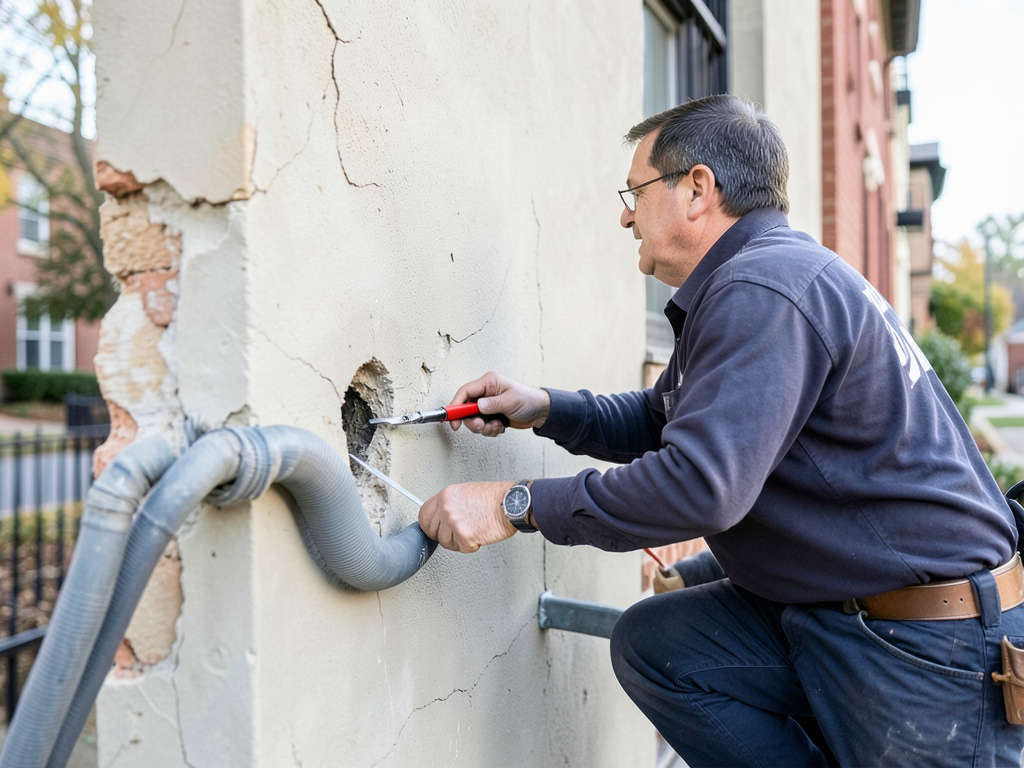
High-velocity systems use two-inch flexible tubing instead of six-inch rigid ducts. Tubes snake through existing wall cavities, floor joists, or attic spaces without cutting structural members. Outlets are round or slotted and only a few inches wide, blending into baseboards or ceilings. The system pushes air at high speed, creating aspiration that circulates air evenly without drafts.
Unico and SpacePak dominate the market. Both meet Philadelphia building codes for historic properties. Outlets can be painted or stained to match existing trim. The outdoor condenser still needs a clear pad, but indoor disruption stays minimal. HVAC Philadelphia.
Ductless Mini-Split Systems: Wall-Mounted Comfort Without Ducts
Ductless systems use individual air handlers mounted on walls or ceilings. Each zone has its own thermostat. No ducts run between rooms. Installation means cutting a three-inch hole for refrigerant lines and wiring. Indoor units sit inside the conditioned space.
Modern mini-splits offer SEER2 ratings above 20, making them energy efficient. They double as heat pumps, providing both cooling and heating. Noise levels hover around 20-30 decibels—quieter than a whisper. But the wall-mounted units are visible and may clash with historic interiors. ENERGY STAR certified air conditioners.
Comparing System Performance in Philadelphia’s Climate
Philadelphia summers push heat indexes above 100 degrees with humidity near 70 percent. Both systems handle cooling, but dehumidification differs. High-velocity units remove moisture more aggressively because of higher airspeeds across the coil. That means cooler, drier air without the clammy feel common in humid climates.
Ductless systems rely on inverter-driven compressors that modulate capacity. They maintain steady temperatures but may struggle with sudden humidity spikes if oversized. Proper load calculations matter more for ductless than for high-velocity.
Installation Timeframes and Disruption Levels
High-velocity retrofit: Two to four days for a typical three-story Society Hill home. Installers run tubing through existing cavities, mount outlets, and connect to an outdoor condenser. Dust stays confined to work zones. No need to vacate the home.
Ductless installation: One to three days depending on zones. Each indoor unit requires mounting and a small exterior penetration. Outdoor condensers can be stacked to save yard space. Minimal structural work but visible wall units remain.
Cost Factors Unique to Historic Districts
High-velocity equipment costs more upfront—often 25-30 percent higher than conventional systems. Labor runs higher because of the precision needed to thread tubing through tight cavities. However, preservation-sensitive installation can save money on restoration later.
Ductless units cost less per zone but multiply quickly in larger homes. A five-zone system rivals high-velocity pricing. Operating costs depend on usage patterns and local PECO electricity rates, which averaged 16.8 cents per kilowatt-hour in 2026.
Energy Efficiency and Philadelphia Rebates
Both systems qualify for PECO Smart Energy rebates if they meet SEER2 thresholds. High-velocity units often hit 15-18 SEER2. Ductless mini-splits routinely exceed 20 SEER2. Federal tax credits under the Inflation Reduction Act cover 30 percent of installation costs up to $1,200 for qualifying high-efficiency equipment.
Philadelphia’s Energy Benchmarking Law requires buildings over 50,000 square feet to report usage. Smaller historic homes aren’t covered, but efficiency still lowers monthly bills and carbon footprint.
Noise Levels and Comfort Perception
High-velocity outlets produce a gentle hiss as air moves at 35 feet per second. The sound blends into background noise after a few days. No wall-mounted units intrude on sightlines.
Ductless indoor fans range from 19 to 30 decibels. Some homeowners find the always-on blower noticeable in quiet reading rooms or bedrooms. Modern inverter models reduce on-off cycling, smoothing temperature swings.
Maintenance Needs for Each System
High-velocity: Annual coil cleaning and filter replacement. Flexible tubing resists dust buildup. Air handlers mount in conditioned spaces, reducing freeze risk. Most repairs involve the outdoor unit or electrical controls. Emergency AC Repair in Fishtown (Fast Service When the Heat Hits).
Ductless: Twice-yearly filter cleaning per indoor unit. More frequent if pets or allergies exist. Each zone has its own condensate line, increasing clog potential. Outdoor units need clear airflow, especially after Philadelphia’s frequent summer thunderstorms. Weak Airflow from Vents.
Which System Fits Society Hill’s Preservation Rules
The Philadelphia Historical Commission evaluates visible changes. High-velocity outlets can match existing trim, making them nearly invisible. Ductless wall units remain exposed and may require approval for placement. Ceiling cassette models hide better but need more ceiling depth.
Both systems avoid the structural demolition that kills historic tax credit eligibility. That matters for owners leveraging federal rehabilitation incentives.
Real-World Performance in Society Hill Rowhomes
High-velocity systems excel in narrow, multi-story homes where vertical air movement matters. The aspiration effect pushes cool air upward, reducing hot second-floor bedrooms common in Philly summers.
Ductless zoning shines when different floors have different usage patterns. Keep the kitchen cool while letting the guest room stay warmer. But each wall unit draws interior space, which can feel intrusive in already compact rooms.
Decision Checklist for Society Hill Homeowners
- Do you want invisible outlets that blend with historic trim?
- Is preserving original plaster and molding a top priority?
- Do you prefer single-system whole-house control or per-room zoning?
- Is upfront equipment cost less important than long-term preservation savings?
- Does your home have adequate exterior space for condensers?
Call (215) 610-9099 Today to Schedule Your Inspection
Don’t let another humid Philadelphia summer make your historic home unbearable. Our technicians understand Society Hill’s unique building constraints and can recommend the right system during a free in-home assessment. Call (215) 610-9099 today to schedule your inspection before peak season fills the calendar.
Frequently Asked Questions
Will either system damage my historic walls?
Both avoid major demolition. High-velocity uses small penetrations for tubing. Ductless needs three-inch holes for linesets. Neither requires removing plaster or altering structural elements.
How long does installation take?
High-velocity: two to four days. Ductless: one to three days depending on zones. Both allow you to stay in the home during work.
Which system costs less to operate?
Ductless mini-splits often achieve higher SEER2 ratings, reducing electricity use. High-velocity systems remove humidity faster, potentially allowing higher thermostat settings. Operating costs depend on usage, local rates, and home insulation.
Can I get rebates or tax credits?
Yes. Both qualify for PECO Smart Energy rebates and federal tax credits under the Inflation Reduction Act if they meet efficiency thresholds. High-velocity units typically hit 15-18 SEER2; ductless often exceeds 20 SEER2.
Which system works better for second-floor cooling?
High-velocity’s aspiration effect pushes cool air upward naturally, often outperforming ductless in multi-story homes. Ductless can cool upper floors but may need additional indoor units for even comfort.
You may also find this helpful. Keeping Your Spruce Hill Home Office Comfortable All Day Long.
{
“@context”: “https://schema.org”,
“@type”: “BlogPosting”,
“headline”: “High Velocity HVAC vs Ductless Systems for Historic Society Hill Properties”,
“description”: “Compare high-velocity and ductless HVAC for Society Hill’s historic homes. Learn which system preserves architectural integrity while delivering modern comfort.”,
“wordCount”: 1226,
“datePublished”: “2026-04-18T15:51:00.000Z”,
“dateModified”: “2026-04-18T15:51:00.000Z”,
“inLanguage”: “en-US”,
“mainEntityOfPage”: {
“@type”: “WebPage”,
“@id”: “https://elitehvacphiladelphia.com”
},
“publisher”: {
“@type”: “LocalBusiness”,
“name”: “Elite HVAC Philadelphia”,
“url”: “https://elitehvacphiladelphia.com”
},
“author”: {
“@type”: “Organization”,
“name”: “Elite HVAC Philadelphia”,
“url”: “https://elitehvacphiladelphia.com”
},
“image”: {
“@type”: “ImageObject”,
“url”: “https://elitehvacphiladelphia.com/wp-content/uploads/2026/03/high-velocity-hvac-vs-ductless-systems-for-histori-1.png”
}
}
{
“@context”: “https://schema.org”,
“@type”: “HVACBusiness”,
“name”: “Elite HVAC Philadelphia”,
“url”: “https://elitehvacphiladelphia.com”,
“address”: {
“@type”: “PostalAddress”,
“addressLocality”: “Philadelphia”
},
“areaServed”: {
“@type”: “City”,
“name”: “Philadelphia”
}
}
{
“@context”: “https://schema.org”,
“@type”: “FAQPage”,
“mainEntity”: [
{
“@type”: “Question”,
“name”: “Will either system damage my historic walls?”,
“acceptedAnswer”: {
“@type”: “Answer”,
“text”: “Both avoid major demolition. High-velocity uses small penetrations for tubing. Ductless needs three-inch holes for linesets. Neither requires removing plaster or altering structural elements.”
}
},
{
“@type”: “Question”,
“name”: “How long does installation take?”,
“acceptedAnswer”: {
“@type”: “Answer”,
“text”: “High-velocity: two to four days. Ductless: one to three days depending on zones. Both allow you to stay in the home during work.”
}
},
{
“@type”: “Question”,
“name”: “Which system costs less to operate?”,
“acceptedAnswer”: {
“@type”: “Answer”,
“text”: “Ductless mini-splits often achieve higher SEER2 ratings, reducing electricity use. High-velocity systems remove humidity faster, potentially allowing higher thermostat settings. Operating costs depend on usage, local rates, and home insulation.”
}
},
{
“@type”: “Question”,
“name”: “Can I get rebates or tax credits?”,
“acceptedAnswer”: {
“@type”: “Answer”,
“text”: “Yes. Both qualify for PECO Smart Energy rebates and federal tax credits under the Inflation Reduction Act if they meet efficiency thresholds. High-velocity units typically hit 15-18 SEER2; ductless often exceeds 20 SEER2.”
}
},
{
“@type”: “Question”,
“name”: “Which system works better for second-floor cooling?”,
“acceptedAnswer”: {
“@type”: “Answer”,
“text”: “High-velocity’s aspiration effect pushes cool air upward naturally, often outperforming ductless in multi-story homes. Ductless can cool upper floors but may need additional indoor units for even comfort.”
}
}
]
}
{
“@context”: “https://schema.org”,
“@type”: “BreadcrumbList”,
“itemListElement”: [
{
“@type”: “ListItem”,
“position”: 1,
“name”: “Home”,
“item”: “https://elitehvacphiladelphia.com”
},
{
“@type”: “ListItem”,
“position”: 2,
“name”: “Blog”,
“item”: “https://elitehvacphiladelphia.com/blog”
},
{
“@type”: “ListItem”,
“position”: 3,
“name”: “High Velocity HVAC vs Ductless Systems for Historic Society Hill Properties”
}
]
}
{
“@context”: “https://schema.org”,
“@type”: “Service”,
“serviceType”: “HVAC”,
“provider”: {
“@type”: “LocalBusiness”,
“name”: “Elite HVAC Philadelphia”,
“url”: “https://elitehvacphiladelphia.com”
},
“areaServed”: {
“@type”: “City”,
“name”: “Philadelphia”
},
“description”: “Compare high-velocity and ductless HVAC for Society Hill’s historic homes. Learn which system preserves architectural integrity while delivering modern comfort.”
}