
Finding the Quietest AC Units for Small Outdoor Patios in Queen Village
Living in Queen Village means enjoying historic charm, walkable streets, and close-knit neighbors. But small outdoor patios come with a unique challenge: keeping your air conditioner quiet enough that it doesn’t disrupt your own backyard oasis or annoy the folks next door. In this guide, we’ll break down exactly what makes an AC unit quiet, which models work best for Philadelphia’s row home lots, and how to install them without violating local noise ordinances. Philadelphia Title 10-400 noise code.
Why Noise Levels Matter in Philadelphia Row Homes
Queen Village’s narrow alleyways and shared property lines mean outdoor equipment sits just feet from your neighbor’s window. Philadelphia’s Title 10-400 noise code limits outdoor equipment to 50 decibels at the property line during daytime hours. A standard 75 dB unit can sound like a loud conversation, while a 50 dB model is closer to a quiet dishwasher. In tight urban spaces, that 25 dB difference is the line between peaceful evenings and noise complaints. HVAC Philadelphia.
Understanding Decibels: How Quiet is ‘Quiet’?
Decibels measure sound intensity on a logarithmic scale. Every 10 dB increase sounds roughly twice as loud to the human ear. Here’s how common AC noise levels compare:
| AC Model Type | Typical Decibel Range | Comparable Sound |
|---|---|---|
| Standard Single-Stage | 70-80 dB | Lawn mower at 10 feet |
| Two-Stage Unit | 65-75 dB | Vacuum cleaner |
| Variable-Speed Inverter | 50-65 dB | Normal conversation |
For Queen Village patios, aim for 60 dB or lower. Anything above that risks carrying into your neighbor’s living space through shared walls and narrow air gaps.
Top Quietest AC Models for Urban Patios
These models combine variable-speed compressors with sound-dampening technology to keep noise under 60 dB while maintaining high efficiency.
Lennox XC25 Signature Series
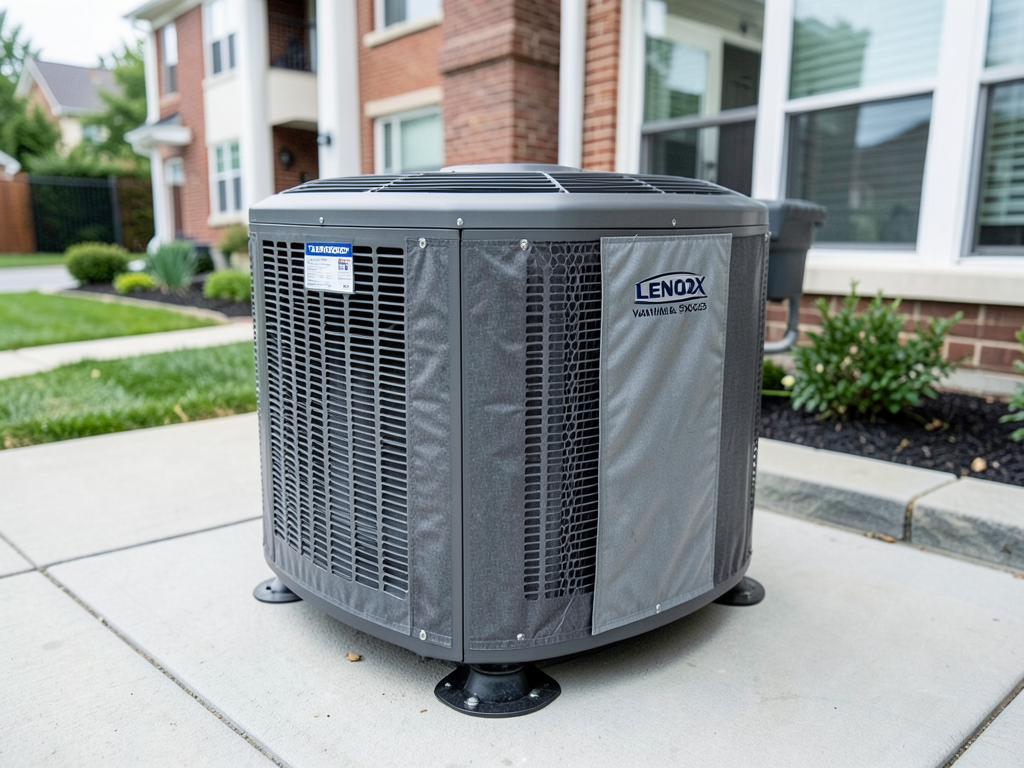
The XC25 uses an inverter-driven compressor that modulates between 1 and 5 tons of cooling. At minimum capacity, it operates at just 53 dB—quieter than a refrigerator. The unit includes a sound blanket and swept-wing fan blades to reduce turbulence. In Philadelphia’s humid summers, its variable-speed operation also removes more moisture, improving comfort without cycling loudly on and off.
Carrier Infinity with Greenspeed Intelligence
Greenspeed technology allows the compressor to adjust in 1% increments. The 24ACB7 unit maintains 51-59 dB depending on load. Carrier pairs this with a vibration isolation system and a composite base pan that absorbs sound. For Queen Village’s older homes with shallow foundations, this reduces structure-borne noise that can travel through brick walls.
Trane XV20i TruComfort
The XV20i operates between 43-67 dB using a Climatuff compressor and sound-insulated panels. At low speed, it’s quieter than a library whisper. The unit’s Weatherguard Top protects internal components from debris while maintaining acoustic performance. In Philadelphia’s freeze-thaw cycles, this sealed design prevents moisture buildup that can cause rattling over time. Weak Airflow from Vents.
The Science Behind Quiet Operation
Quiet AC units achieve low noise through three main technologies:
- Variable-Speed Compressors: Instead of cycling on and off at full power, these compressors adjust output to match cooling demand. This eliminates the loud startup surge that wakes neighbors.
- Sound Blankets: Acoustic insulation wraps the compressor, absorbing vibration before it becomes airborne noise.
- Optimized Fan Blades: Swept-wing designs move air more efficiently at lower speeds, reducing turbulence and whistling sounds.
Inverter technology, required for variable-speed operation, also improves efficiency. Units with SEER2 ratings above 18 use 20-40% less electricity than standard models, offsetting the higher upfront cost through utility savings.
Installation Factors That Affect Noise
Even the quietest unit can become a noise problem without proper installation. In Queen Village’s tight lots, consider these factors:
- Vibration Isolation: Rubber isolation pads between the unit and concrete pad prevent structure-borne noise from traveling through the ground.
- Clearance Requirements: Maintain at least 12 inches from walls and 24 inches from property lines to prevent sound reflection and ensure proper airflow.
- Strategic Placement: Position the unit away from bedroom windows and shared walls. Use existing structures like brick walls to deflect sound upward rather than toward neighbors.
- Sound Barriers: Decorative fencing or dense landscaping can reduce perceived noise by 5-10 dB without blocking airflow.
Philadelphia’s building code requires units to be installed on a level, non-combustible pad. For row homes with shared foundations, this often means using a composite pad that won’t transmit vibration through party walls.
Local Rebates and Incentives
Pennsylvania offers rebates through PECO for high-efficiency HVAC equipment. Variable-speed units with SEER2 ratings above 18 qualify for $300-500 rebates. Philadelphia’s EnergyWorks program provides additional incentives for homes that improve overall energy efficiency, including HVAC upgrades. PECO energy efficiency rebates.
Local utility data shows that homes in Center City and South Philadelphia that install variable-speed units see 25% lower summer electricity bills compared to homes with standard units. The noise reduction is immediate, but the energy savings make the investment pay off in 3-5 years.
Real-World Queen Village Installation Example
We recently installed a Lennox XC25 for a Queen Village homeowner whose previous 75 dB unit kept triggering noise complaints. The new unit operates at 53 dB and includes a sound blanket. We placed it on rubber isolation pads and positioned it against a garden wall to deflect sound upward. The homeowner reports they can now enjoy their patio without raising their voice over the AC, and their neighbor hasn’t mentioned noise since the upgrade.
This installation complied with Philadelphia’s Title 10-400 noise code and included PECO’s high-efficiency rebate, reducing the final cost by $400.
Maintenance Tips to Keep Your AC Quiet
Even quiet units can become noisy without proper maintenance. Here’s how to keep yours operating at peak performance:
- Clean the Condenser Coils: Dirty coils force the compressor to work harder, increasing noise and reducing efficiency. Clean annually with a garden hose.
- Check Refrigerant Levels: Low refrigerant causes the compressor to strain and make unusual noises. This requires professional service.
- Inspect Fan Blades: Bent or unbalanced blades create vibrations and whistling sounds. Replace damaged blades immediately.
- Level the Unit: Settling can cause the compressor to sit unevenly, leading to vibration and noise. Check level every spring.
Annual professional maintenance catches small issues before they become noise problems or system failures.
Making the Right Choice for Your Patio
For Queen Village’s small outdoor spaces, the quietest AC units aren’t just about comfort—they’re about being a good neighbor. Variable-speed inverter units from Lennox, Carrier, and Trane offer the best combination of noise reduction, efficiency, and reliability. Combined with proper installation and regular maintenance, these systems let you enjoy cool air without the noise.. Read more about The Right Way to Winterize Your Outdoor AC Unit Before the First Philadelphia Snow.
Ready to upgrade to a quiet AC system? Call (215) 610-9099 today to schedule your free consultation. We’ll measure your patio space, check local codes, and recommend the perfect quiet unit for your Queen Village home.
Frequently Asked Questions
How much quieter are variable-speed AC units compared to standard models?
Variable-speed units typically operate 15-25 dB quieter than standard single-stage models. At minimum capacity, they can be as quiet as a refrigerator (around 50 dB) compared to a vacuum cleaner (70 dB) for standard units.
Will a quiet AC unit still cool my home effectively?
Yes. Variable-speed units often cool more effectively because they run longer at lower speeds, removing more humidity and maintaining consistent temperatures. They’re sized for your home’s cooling needs but operate more efficiently.
Do I need a permit to replace my outdoor AC unit in Philadelphia?
Yes. Philadelphia requires permits for HVAC equipment replacement. The permit ensures your new unit meets local codes for noise, efficiency, and installation standards. We handle all permitting as part of our installation service.
How long does installation take for a quiet AC system?
Most replacements take 4-6 hours. We handle everything from removing the old unit to installing the new one, connecting refrigerant lines, and testing operation. We also handle disposal of your old equipment. The True Cost of Installing Central Air in an Older South Philly Rowhome.
{
“@context”: “https://schema.org”,
“@type”: “BlogPosting”,
“headline”: “Finding the Quietest AC Units for Small Outdoor Patios in Queen Village”,
“description”: “Discover the quietest outdoor AC units perfect for Queen Village’s tight patios. Learn decibel ratings, local noise codes, and expert installation tips to keep your urban oasis peaceful.”,
“wordCount”: 1327,
“datePublished”: “2026-04-13T10:55:00.000Z”,
“dateModified”: “2026-04-13T10:55:00.000Z”,
“inLanguage”: “en-US”,
“mainEntityOfPage”: {
“@type”: “WebPage”,
“@id”: “https://elitehvacphiladelphia.com”
},
“publisher”: {
“@type”: “LocalBusiness”,
“name”: “Elite HVAC Philadelphia”,
“url”: “https://elitehvacphiladelphia.com”
},
“author”: {
“@type”: “Organization”,
“name”: “Elite HVAC Philadelphia”,
“url”: “https://elitehvacphiladelphia.com”
},
“image”: {
“@type”: “ImageObject”,
“url”: “https://elitehvacphiladelphia.com/wp-content/uploads/2026/03/finding-the-quietest-ac-units-for-small-outdoor-pa-1.png”
}
}
{
“@context”: “https://schema.org”,
“@type”: “HVACBusiness”,
“name”: “Elite HVAC Philadelphia”,
“url”: “https://elitehvacphiladelphia.com”,
“address”: {
“@type”: “PostalAddress”,
“addressLocality”: “Philadelphia”
},
“areaServed”: {
“@type”: “City”,
“name”: “Philadelphia”
}
}
{
“@context”: “https://schema.org”,
“@type”: “FAQPage”,
“mainEntity”: [
{
“@type”: “Question”,
“name”: “Understanding Decibels: How Quiet is ‘Quiet’?”,
“acceptedAnswer”: {
“@type”: “Answer”,
“text”: “Decibels measure sound intensity on a logarithmic scale. Every 10 dB increase sounds roughly twice as loud to the human ear. Here’s how common AC noise levels compare:”
}
},
{
“@type”: “Question”,
“name”: “How much quieter are variable-speed AC units compared to standard models?”,
“acceptedAnswer”: {
“@type”: “Answer”,
“text”: “Variable-speed units typically operate 15-25 dB quieter than standard single-stage models. At minimum capacity, they can be as quiet as a refrigerator (around 50 dB) compared to a vacuum cleaner (70 dB) for standard units.”
}
},
{
“@type”: “Question”,
“name”: “Will a quiet AC unit still cool my home effectively?”,
“acceptedAnswer”: {
“@type”: “Answer”,
“text”: “Yes. Variable-speed units often cool more effectively because they run longer at lower speeds, removing more humidity and maintaining consistent temperatures. They’re sized for your home’s cooling needs but operate more efficiently.”
}
},
{
“@type”: “Question”,
“name”: “Do I need a permit to replace my outdoor AC unit in Philadelphia?”,
“acceptedAnswer”: {
“@type”: “Answer”,
“text”: “Yes. Philadelphia requires permits for HVAC equipment replacement. The permit ensures your new unit meets local codes for noise, efficiency, and installation standards. We handle all permitting as part of our installation service.”
}
},
{
“@type”: “Question”,
“name”: “How long does installation take for a quiet AC system?”,
“acceptedAnswer”: {
“@type”: “Answer”,
“text”: “Most replacements take 4-6 hours. We handle everything from removing the old unit to installing the new one, connecting refrigerant lines, and testing operation. We also handle disposal of your old equipment. The True Cost of Installing Central Air in an Older South Philly Rowhome.”
}
}
]
}
{
“@context”: “https://schema.org”,
“@type”: “BreadcrumbList”,
“itemListElement”: [
{
“@type”: “ListItem”,
“position”: 1,
“name”: “Home”,
“item”: “https://elitehvacphiladelphia.com”
},
{
“@type”: “ListItem”,
“position”: 2,
“name”: “Blog”,
“item”: “https://elitehvacphiladelphia.com/blog”
},
{
“@type”: “ListItem”,
“position”: 3,
“name”: “Finding the Quietest AC Units for Small Outdoor Patios in Queen Village”
}
]
}
{
“@context”: “https://schema.org”,
“@type”: “Service”,
“serviceType”: “HVAC”,
“provider”: {
“@type”: “LocalBusiness”,
“name”: “Elite HVAC Philadelphia”,
“url”: “https://elitehvacphiladelphia.com”
},
“areaServed”: {
“@type”: “City”,
“name”: “Philadelphia”
},
“description”: “Discover the quietest outdoor AC units perfect for Queen Village’s tight patios. Learn decibel ratings, local noise codes, and expert installation tips to keep your urban oasis peaceful.”
}