
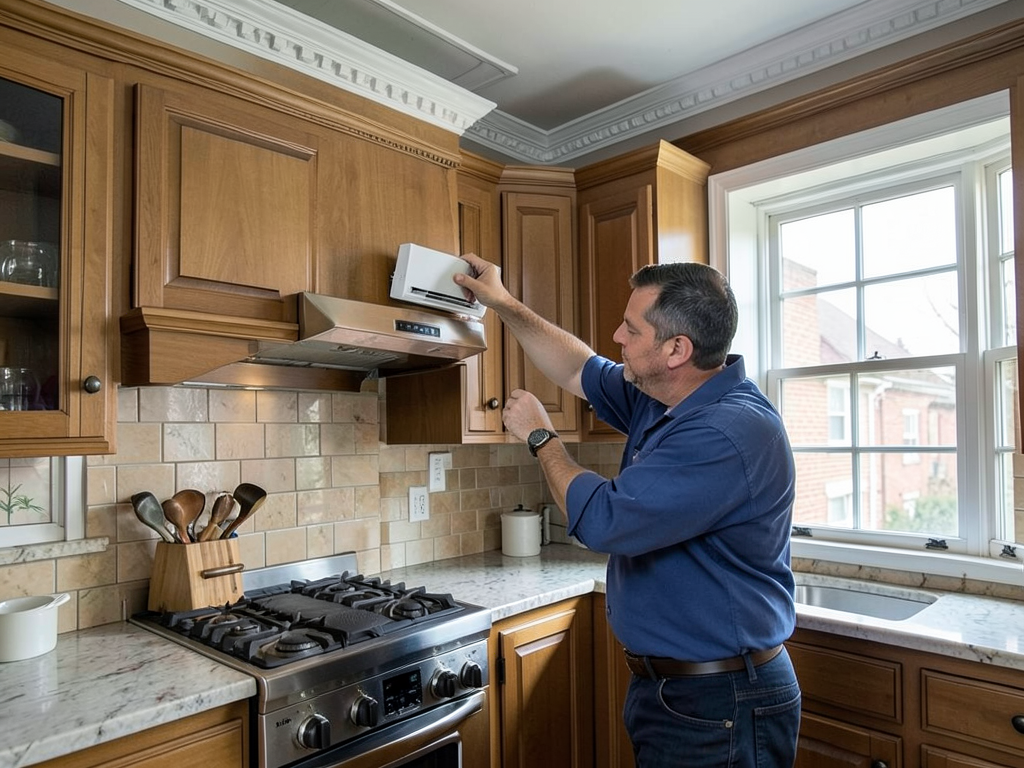
Why Residents in Washington Square West are Choosing Heat Pumps for Their Historic Kitchen Renovations
Homeowners in Washington Square West are discovering that modern heat pump technology offers the perfect balance of comfort, efficiency, and preservation for their historic kitchen renovations. The dense urban fabric of this Philadelphia neighborhood, with its Federal-style rowhomes and narrow lot lines, presents unique challenges that traditional HVAC systems simply cannot overcome. Heat pumps provide a solution that respects the architectural integrity of these 18th and 19th-century homes while delivering the modern comfort today’s families expect. Philadelphia Historical Commission guidelines.
The decision to install heat pumps during a kitchen renovation is particularly strategic in Washington Square West. Many homes in this area were built before the advent of central air conditioning, and retrofitting ductwork would require extensive demolition of plaster walls, original millwork, and sometimes even structural elements. Heat pumps, especially ductless mini-splits and high-velocity systems, offer a non-invasive alternative that preserves the character-defining features that make these homes so valuable. The True Cost of Installing Central Air in an Older South Philly Rowhome.
The Unique Challenges of Retrofitting HVAC in Philly’s Historic Districts
Washington Square West’s historic rowhomes present specific obstacles that require specialized knowledge. The masonry walls, often two to three bricks thick, make running conventional ductwork nearly impossible without major structural modifications. Original plaster and lath construction cannot be patched seamlessly, meaning any damage becomes a permanent alteration to the historic fabric. The Philadelphia Historical Commission (PHC) maintains strict guidelines about exterior modifications, making condenser placement a critical design consideration. HVAC Philadelphia.
Many kitchens in this area occupy the original footprint of the home, often measuring just 10 by 12 feet or smaller. This limited space means that any HVAC equipment must be compact and strategically placed. Additionally, the high ceilings common in historic homes create unique thermal dynamics that require careful load calculations to ensure proper heating and cooling distribution throughout the space.
Why Heat Pumps are the Ideal Solution for Historic Kitchen Remodels
Heat pumps offer several advantages that make them particularly well-suited for historic kitchen renovations in Washington Square West. First, they provide both heating and cooling from a single system, eliminating the need for separate furnace and air conditioning units. This is especially valuable in kitchens where space is at a premium and where the high heat output from cooking appliances creates year-round temperature management challenges.
Modern cold-climate heat pumps can operate efficiently even during Philadelphia’s coldest winter days, with many systems maintaining full heating capacity at temperatures well below zero degrees Fahrenheit. This capability means homeowners can eliminate their aging boilers or furnaces, freeing up valuable basement space and reducing maintenance costs. The energy efficiency of heat pumps, often achieving SEER2 ratings of 20 or higher, also helps offset the higher operating costs of older homes with less insulation. Expert Boiler Repair and Maintenance for Historic Homes in Chestnut Hill and Mt Airy.
The filtration capabilities of heat pump systems provide another significant benefit for kitchen environments. Advanced multi-stage filtration can remove cooking odors, grease particles, and excess moisture from the air, improving indoor air quality and protecting historic woodwork from the damaging effects of kitchen humidity.
Ductless vs. High-Velocity Systems: Which is Right for Your Kitchen?
Choosing between ductless mini-splits and high-velocity systems depends on several factors specific to Washington Square West homes. Ductless mini-splits offer the greatest flexibility in terms of placement and are ideal for kitchens where wall space is limited or where preserving original window configurations is a priority. The indoor units can be mounted high on walls or even recessed into ceilings, making them nearly invisible in historic settings.
High-velocity systems, such as those from Unico or SpacePak, use small, flexible ducts that can be routed through existing wall cavities without major demolition. These systems are particularly effective in kitchens with high ceilings, as they can distribute air more evenly throughout the space. The small supply outlets can be painted to match existing trim or installed in inconspicuous locations, maintaining the room’s historic character.
Both systems offer zoning capabilities, allowing different areas of the kitchen to be heated or cooled independently. This is particularly useful in open-plan renovations common in Washington Square West, where the kitchen flows into dining and living areas. The ability to control temperatures in specific zones helps manage the heat load from cooking appliances while maintaining comfort in adjacent spaces.
Navigating Philadelphia Historical Commission (PHC) Requirements
Installing any exterior equipment in Washington Square West requires careful coordination with the Philadelphia Historical Commission. The PHC guidelines specifically address the visibility of mechanical equipment from public rights-of-way, requiring that condensers be placed where they are not visible from the street or are effectively screened by existing architectural features.
Many successful installations in the area utilize rear yard placement, taking advantage of the common practice of historic homes having service areas accessed from alleys or rear courtyards. When rear placement is not possible due to lot configuration or neighboring structures, creative solutions such as rooftop installations with parapet screening or integration with existing chimney structures have proven effective.
The permit process requires detailed drawings showing the proposed equipment location, screening methods, and how the installation will affect the building’s historic character. Working with contractors who have experience navigating the PHC process is essential, as they understand the documentation requirements and can anticipate potential concerns before they become obstacles. Best Rated HVAC Contractors in the Main Line Area.
Our Process: Preserving History While Modernizing Comfort
Our approach to heat pump installation in Washington Square West begins with a comprehensive site assessment that includes thermal imaging to identify heat loss patterns, moisture readings to assess existing conditions, and detailed measurements of available space. This diagnostic phase helps us understand the specific challenges of each home and develop solutions that work within the constraints of historic preservation.
We use specialized tools to route refrigerant lines and electrical connections through existing wall cavities, minimizing damage to original plaster and woodwork. Our technicians are trained in historic preservation techniques, including methods for matching existing plaster textures and repairing damaged millwork. We also work with preservation architects when necessary to ensure that all modifications meet PHC standards. Emergency AC Repair in Fishtown (Fast Service When the Heat Hits).
The installation process includes careful planning for condensate drainage, which can be challenging in basements with historic stone foundations. We develop custom solutions that protect these irreplaceable structures while ensuring proper moisture removal from the heat pump system. Our goal is always to make the installation invisible to the casual observer while providing modern comfort that enhances the home’s livability.
Philadelphia Neighborhood Case Studies
A recent project on Spruce Street involved installing a high-velocity system in a Federal-style kitchen that had been renovated but still lacked adequate climate control. The solution required running small ducts through existing wall cavities while preserving the original chair rail and window casings. The condenser was placed in a rear courtyard, screened by existing plantings, and the indoor units were concealed within custom millwork that matched the kitchen’s historic character.
On Delancey Place, a homeowner wanted to eliminate their aging boiler while maintaining the historic radiators that had been converted to steam. We installed a hybrid system that uses the existing radiator piping for heating while adding a ductless mini-split for cooling and supplemental heating. This approach preserved the home’s historic character while providing modern efficiency and comfort.
A project on Manning Street demonstrated the benefits of rooftop installation in a narrow rowhome where rear yard space was not available. The condenser was mounted on a low-profile platform behind the parapet, making it invisible from street level. The indoor units were placed in kitchen cabinets that had been designed to accommodate the equipment while maintaining the room’s historic aesthetic.
Financial Incentives and Long-Term Value
Washington Square West homeowners can take advantage of several financial incentives when installing heat pumps. PECO offers rebates for high-efficiency heat pump installations, with additional incentives available for customers who also improve their home’s insulation. The federal government provides tax credits for qualifying heat pump installations, and Pennsylvania offers additional incentives through its energy efficiency programs. PECO energy rebates.
The long-term value of heat pump installation extends beyond energy savings. These systems can increase a home’s marketability by providing modern comfort without compromising historic character. Many buyers specifically seek homes with efficient, modern HVAC systems that don’t require extensive renovations to meet their comfort needs. The ability to provide documentation of energy-efficient upgrades can also be valuable for historic tax credit applications.
Maintenance costs for heat pumps are typically lower than for traditional HVAC systems, and the elimination of aging boilers or furnaces removes the risk of catastrophic failures that could damage historic interiors. The improved air quality and humidity control also help protect valuable historic materials from the damaging effects of temperature and moisture fluctuations.
Frequently Asked Questions
Will installing a heat pump damage my historic kitchen walls?
Professional installation using minimally invasive techniques can preserve your historic walls. We use specialized tools to route lines through existing cavities and repair any necessary damage using preservation-appropriate methods.
How do I know if my home qualifies for heat pump rebates?
Most homes in Washington Square West qualify for various rebates and incentives. We provide a comprehensive assessment of available programs and handle the application process as part of our installation service.
Can heat pumps handle Philadelphia’s cold winters?
Modern cold-climate heat pumps are designed specifically for the Northeast and can operate efficiently at temperatures well below zero. Many systems include supplemental heating for the coldest days while maintaining high efficiency.
How long does installation typically take?
Most kitchen heat pump installations in historic homes take between three to five days, depending on the complexity of the system and any necessary electrical upgrades.. Read more about Comparing the Top Three Air Purifiers for Clearing Cooking Smells in Your Center City Loft.
Ready to Modernize Your Historic Kitchen?
Heat pumps offer Washington Square West homeowners the perfect solution for modernizing their historic kitchens while preserving the architectural integrity that makes these homes so special. Our team has the expertise to navigate the unique challenges of historic preservation while delivering the comfort and efficiency of modern HVAC technology.
Call (215) 610-9099 today to schedule your free consultation and learn how we can help you achieve the perfect balance of historic preservation and modern comfort in your kitchen renovation.
Don’t let outdated HVAC systems compromise your historic home’s comfort and efficiency. Contact us now to discover how heat pump technology can transform your kitchen renovation project.
{
“@context”: “https://schema.org”,
“@type”: “BlogPosting”,
“headline”: “Why Residents in Washington Square West are Choosing Heat Pumps for Their Historic Kitchen Renovations”,
“description”: “Discover why heat pumps are the smart choice for historic kitchen renovations in Washington Square West. Learn about preservation-friendly installation and local incentives.”,
“wordCount”: 1751,
“datePublished”: “2026-06-09T07:41:00.000Z”,
“dateModified”: “2026-06-09T07:41:00.000Z”,
“inLanguage”: “en-US”,
“mainEntityOfPage”: {
“@type”: “WebPage”,
“@id”: “https://elitehvacphiladelphia.com”
},
“publisher”: {
“@type”: “LocalBusiness”,
“name”: “Elite HVAC Philadelphia”,
“url”: “https://elitehvacphiladelphia.com”
},
“author”: {
“@type”: “Organization”,
“name”: “Elite HVAC Philadelphia”,
“url”: “https://elitehvacphiladelphia.com”
},
“image”: {
“@type”: “ImageObject”,
“url”: “https://elitehvacphiladelphia.com/wp-content/uploads/2026/03/why-residents-in-washington-square-west-are-choosi-1.png”
}
}
{
“@context”: “https://schema.org”,
“@type”: “HVACBusiness”,
“name”: “Elite HVAC Philadelphia”,
“url”: “https://elitehvacphiladelphia.com”,
“address”: {
“@type”: “PostalAddress”,
“addressLocality”: “Philadelphia”
},
“areaServed”: {
“@type”: “City”,
“name”: “Philadelphia”
}
}
{
“@context”: “https://schema.org”,
“@type”: “FAQPage”,
“mainEntity”: [
{
“@type”: “Question”,
“name”: “Ductless vs. High-Velocity Systems: Which is Right for Your Kitchen?”,
“acceptedAnswer”: {
“@type”: “Answer”,
“text”: “Choosing between ductless mini-splits and high-velocity systems depends on several factors specific to Washington Square West homes. Ductless mini-splits offer the greatest flexibility in terms of placement and are ideal for kitchens where wall space is limited or where preserving original window configurations is a priority. The indoor units can be mounted high on walls or even recessed into ceilings, making them nearly invisible in historic settings.”
}
},
{
“@type”: “Question”,
“name”: “Will installing a heat pump damage my historic kitchen walls?”,
“acceptedAnswer”: {
“@type”: “Answer”,
“text”: “Professional installation using minimally invasive techniques can preserve your historic walls. We use specialized tools to route lines through existing cavities and repair any necessary damage using preservation-appropriate methods.”
}
},
{
“@type”: “Question”,
“name”: “How do I know if my home qualifies for heat pump rebates?”,
“acceptedAnswer”: {
“@type”: “Answer”,
“text”: “Most homes in Washington Square West qualify for various rebates and incentives. We provide a comprehensive assessment of available programs and handle the application process as part of our installation service.”
}
},
{
“@type”: “Question”,
“name”: “Can heat pumps handle Philadelphia’s cold winters?”,
“acceptedAnswer”: {
“@type”: “Answer”,
“text”: “Modern cold-climate heat pumps are designed specifically for the Northeast and can operate efficiently at temperatures well below zero. Many systems include supplemental heating for the coldest days while maintaining high efficiency.”
}
},
{
“@type”: “Question”,
“name”: “How long does installation typically take?”,
“acceptedAnswer”: {
“@type”: “Answer”,
“text”: “Most kitchen heat pump installations in historic homes take between three to five days, depending on the complexity of the system and any necessary electrical upgrades.”
}
},
{
“@type”: “Question”,
“name”: “Ready to Modernize Your Historic Kitchen?”,
“acceptedAnswer”: {
“@type”: “Answer”,
“text”: “Heat pumps offer Washington Square West homeowners the perfect solution for modernizing their historic kitchens while preserving the architectural integrity that makes these homes so special. Our team has the expertise to navigate the unique challenges of historic preservation while delivering the comfort and efficiency of modern HVAC technology.”
}
}
]
}
{
“@context”: “https://schema.org”,
“@type”: “BreadcrumbList”,
“itemListElement”: [
{
“@type”: “ListItem”,
“position”: 1,
“name”: “Home”,
“item”: “https://elitehvacphiladelphia.com”
},
{
“@type”: “ListItem”,
“position”: 2,
“name”: “Blog”,
“item”: “https://elitehvacphiladelphia.com/blog”
},
{
“@type”: “ListItem”,
“position”: 3,
“name”: “Why Residents in Washington Square West are Choosing Heat Pumps for Their Historic Kitchen Renovations”
}
]
}
{
“@context”: “https://schema.org”,
“@type”: “Service”,
“serviceType”: “HVAC”,
“provider”: {
“@type”: “LocalBusiness”,
“name”: “Elite HVAC Philadelphia”,
“url”: “https://elitehvacphiladelphia.com”
},
“areaServed”: {
“@type”: “City”,
“name”: “Philadelphia”
},
“description”: “Discover why heat pumps are the smart choice for historic kitchen renovations in Washington Square West. Learn about preservation-friendly installation and local incentives.”
}