
That Weird Sound Your Wynnewood Heat Pump Makes During Winter (And If It’s Normal)
Living in Wynnewood means dealing with Philadelphia’s signature winter humidity and freezing rain. When your heat pump suddenly makes loud whooshing or clicking sounds, it’s natural to worry. Most of the time, that noise is just your system doing exactly what it’s designed to do. But knowing the difference between normal operation and a real problem could save you from an expensive emergency repair when the next storm hits. EPA.
Why Wynnewood Heat Pumps Defrost More Often Than You Think
Philadelphia winters create the perfect conditions for heat pump icing. When temperatures hover between 32 and 45 degrees with high humidity, moisture from the air freezes on your outdoor coil. Your heat pump’s defrost cycle kicks in automatically to melt that ice, and that’s when you hear those strange sounds. HVAC Philadelphia.
The process works like this: your system briefly reverses operation, sending hot refrigerant to the outdoor coil. This melts the ice but also creates those characteristic noises. Most defrost cycles last 5 to 15 minutes and happen automatically when sensors detect frost buildup.
Wynnewood’s location in the Delaware Valley means we get more freezing rain and ice storms than areas just a few miles north. That extra moisture means your heat pump works harder and defrosts more often than systems in drier climates.
Normal Defrost Cycle Sounds You’ll Hear in Wynnewood
Understanding what’s normal helps you avoid unnecessary service calls. Here are the sounds that indicate your heat pump is working correctly:
The Whooshing Sound
When the reversing valve activates, you’ll hear a distinct whooshing noise. This happens because refrigerant suddenly changes direction through the system. The sound is similar to air rushing through a tunnel and typically lasts 2 to 3 seconds.
The Clicking or Clunking
The reversing valve itself makes a clicking or clunking sound as it shifts position. This is the metal valve body moving against its seat. Some homeowners describe it as a heavy door closing or a book dropping on a table.
The Sighing or Hissing
As refrigerant flows through the suddenly warmed coil, you might hear a sighing or hissing sound. This is actually the sound of ice melting and water vapor escaping. Some people mistake this for steam, but it’s just normal defrost operation.
The Fan Shutting Off
During defrost, your outdoor fan stops spinning temporarily. When it restarts, you’ll hear it kick back on with a gentle hum. This is completely normal and helps the system focus heat on melting ice rather than circulating air.
Red Flag Noises That Mean Trouble
Not all heat pump sounds are harmless. These noises require immediate attention from a Philadelphia HVAC professional:
Metal Grinding or Screeching
If you hear metal grinding against metal, your fan motor bearings might be failing. This often happens when ice builds up unevenly and the fan blades hit ice chunks. The sound is unmistakable – like nails on a chalkboard or a garbage disposal with a spoon inside.
Constant Clicking Without Defrost
Clicking that continues for more than 30 seconds usually indicates a failing relay or control board. Unlike the brief click of a reversing valve, this sound suggests electrical components are struggling to engage.
High-Pitched Squealing
A squealing noise often means a belt is slipping or a bearing is seizing. This typically gets louder as the system runs and can indicate imminent motor failure.
Thumping or Banging
Rhythmic thumping usually means something is hitting the fan blades. This could be ice buildup, a loose component, or in worst cases, a failing compressor mounting.
How Philadelphia’s Winter Weather Affects Your Defrost Cycle
Wynnewood sits in a unique microclimate within the Philadelphia area. Our proximity to the Delaware River and the surrounding tree canopy creates higher humidity levels than areas just a few miles inland.
According to the Pennsylvania Department of Environmental Protection, the southeastern Pennsylvania region experiences average winter humidity levels of 70 to 85 percent. That moisture is what causes your heat pump to ice up more frequently than systems in drier western Pennsylvania.
Freezing rain events are particularly problematic. When rain falls at temperatures just below freezing, it creates a layer of ice on everything – including your heat pump’s outdoor coil. This ice is denser and harder to melt than frost, causing longer and more frequent defrost cycles. Weak Airflow from Vents.
The National Weather Service reports that the Philadelphia area averages 12 to 15 days per winter with freezing precipitation. That’s nearly twice as many as areas in central Pennsylvania, explaining why Wynnewood homeowners hear more defrost noise. National Weather Service.
Steam vs. Smoke: The Critical Difference
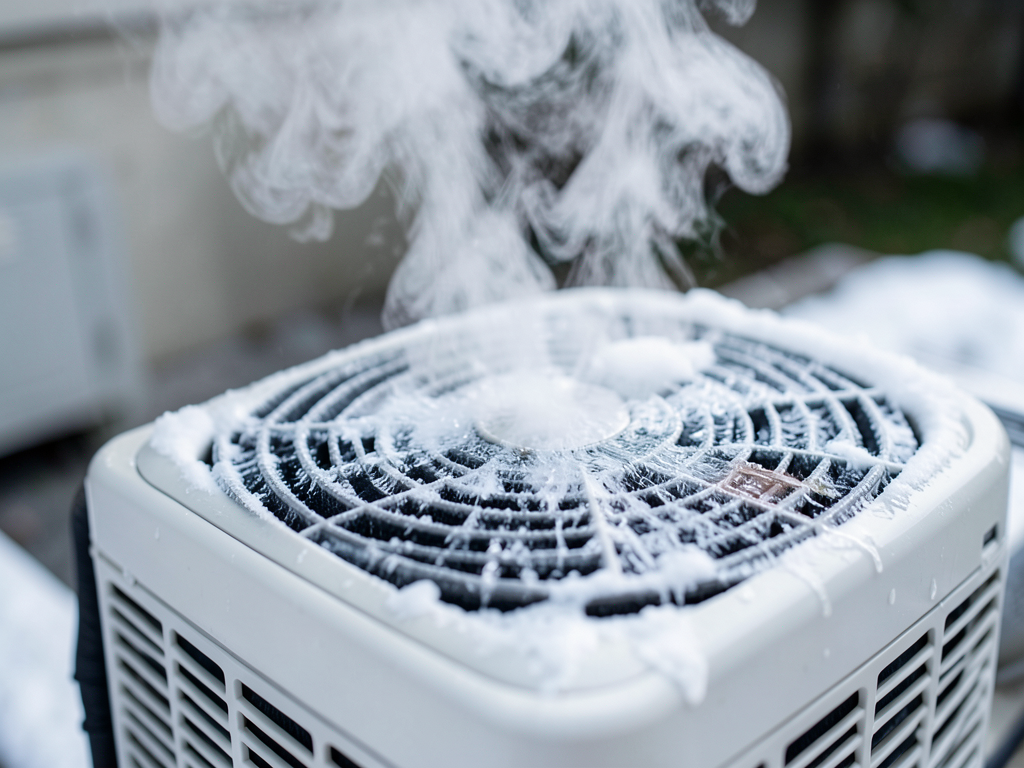
One of the most alarming sights during a defrost cycle is what looks like smoke coming from your heat pump. This is actually steam from melting ice, but many homeowners panic and think their system is on fire.
Here’s how to tell the difference: Steam dissipates quickly and has no odor. It appears as a white cloud that rises straight up from the unit. Smoke, on the other hand, lingers, may have a gray or black tint, and often carries an acrid smell.
During a normal defrost cycle, steam is a good sign – it means the system is effectively melting ice buildup. The steam typically lasts 30 to 60 seconds and stops once the ice is gone.
DIY Troubleshooting: When to Act and When to Wait
Before calling for emergency service, run through this quick diagnostic checklist: Emergency AC Repair in Fishtown (Fast Service When the Heat Hits).
Check the Temperature
If outdoor temperatures are above 50 degrees and you’re hearing defrost noises, something’s wrong. Heat pumps shouldn’t need to defrost when it’s warm outside.
Look at the Ice Buildup
A thin, even layer of frost is normal. Large ice chunks, ice on only one side, or ice extending beyond the coil housing indicates a problem with the defrost cycle or airflow.
Listen for Patterns
Normal defrost cycles happen every 60 to 90 minutes during icy conditions. If you’re hearing noises constantly or at irregular intervals, your defrost sensor might be failing.
Check Your Thermostat
If your indoor temperature is dropping while you hear these noises, your system might be stuck in defrost mode or experiencing a control failure.
Philadelphia Building Code Requirements for Heat Pump Installation
Philadelphia’s building code requires specific clearances and protections for outdoor heat pump units. According to the Philadelphia Department of Licenses and Inspections, heat pumps must maintain minimum clearances from property lines and require proper electrical disconnects.
For Wynnewood homes, especially those near Lancaster Avenue or in older developments, proper unit elevation is crucial. The code requires units to be installed at least 12 inches above grade to prevent snow and ice accumulation from blocking airflow.
Electrical requirements include a dedicated circuit with proper overcurrent protection. Many older Wynnewood homes need electrical panel upgrades to meet current code when installing new heat pumps. The True Cost of Installing Central Air in an Older South Philly Rowhome.
Common Causes of Excessive Defrost Noise
Sometimes your heat pump defrosts more often than necessary. Here are the most common causes we see in the Philadelphia area:
Dirty Air Filters
When filters clog with winter dust and debris, airflow across the outdoor coil decreases. This causes the coil to ice up faster, triggering more frequent defrost cycles. We recommend checking filters monthly during peak heating season.
Low Refrigerant Charge
Leaking refrigerant reduces the system’s ability to transfer heat efficiently. This causes the coil to run colder than normal, leading to excessive icing. A simple pressure test can identify this issue.
Malfunctioning Defrost Sensor
The defrost sensor tells your system when to enter and exit defrost mode. If it fails, your system might defrost too often or not enough. This is a common issue in heat pumps over 8 years old.
Blocked Outdoor Coil
Leaves, debris, or even snow can block airflow across the outdoor coil. This forces the system to work harder and ice up more quickly. Regular cleaning prevents this issue.
Emergency Heat Settings: What You Need to Know
Most heat pumps have an emergency heat setting that activates when outdoor temperatures drop too low for efficient operation. In Wynnewood, this typically engages when temperatures fall below 30 degrees.
When emergency heat activates, you might hear a clicking sound as the system switches from heat pump operation to electric resistance heating. This is normal, but if it’s happening frequently during mild weather, your system might have a control issue.
Emergency heat uses significantly more electricity than normal heat pump operation. If you notice your electric bills spiking during winter, your system might be relying too heavily on emergency heat due to a malfunction.
When to Call a Philadelphia HVAC Professional
Knowing when to call for help can prevent minor issues from becoming major repairs. Contact Elite HVAC Philadelphia if you experience:
- Defrost cycles lasting longer than 20 minutes
- Ice buildup that doesn’t melt during defrost
- Strange odors coming from the unit
- Indoor temperature dropping despite the system running
- Water leaking from the indoor unit
- System cycling on and off rapidly
Philadelphia’s winter weather can be unpredictable, and heat pump issues often escalate quickly when temperatures plummet. Having a trusted local HVAC company on speed dial provides peace of mind.
Protecting Your Investment: Maintenance Tips for Wynnewood Homeowners
Regular maintenance prevents most heat pump problems before they start. Here’s what we recommend for Wynnewood homes:
Seasonal Cleaning
Before winter hits, clean your outdoor unit thoroughly. Remove leaves, debris, and anything blocking airflow. Check that the unit sits level – settling can occur over time, especially in Wynnewood’s clay soil areas.
Professional Tune-Up
Schedule a professional maintenance visit in early fall. A technician will check refrigerant levels, test electrical components, clean coils, and ensure your defrost cycle is working properly.
Clearance Check
Maintain at least 2 feet of clearance around your outdoor unit. This prevents snow buildup and ensures proper airflow during defrost cycles.
Monitor Performance
Pay attention to how your system sounds and performs. Sudden changes in noise patterns or heating efficiency often indicate developing problems.
Conclusion: Don’t Let Heat Pump Noises Keep You Up at Night
Most of those strange sounds coming from your Wynnewood heat pump during winter are completely normal. The whooshing, clicking, and sighing noises are all signs that your system is working to keep your home warm and comfortable through another Philadelphia winter.
However, knowing the difference between normal operation and warning signs can save you from costly emergency repairs. If you’re ever unsure about a noise, it’s better to have a professional check it out than risk a system failure during a cold snap.
Philadelphia winters are tough on HVAC equipment, but with proper maintenance and timely repairs, your heat pump can provide reliable comfort for years to come. Don’t wait until you’re shivering in a cold house to address heat pump issues. Finding a Reliable AC Repair Service in Center City Philadelphia That Actually Shows Up.
Call (215) 610-9099 today to schedule your heat pump inspection before the next winter storm hits. Our NATE-certified technicians understand the unique challenges of Philadelphia’s climate and can ensure your system is ready for whatever winter throws our way.
Frequently Asked Questions
How long should a normal defrost cycle last?
A normal defrost cycle typically lasts between 5 to 15 minutes. If your cycle lasts longer than 20 minutes, it could indicate a problem with the defrost sensor or control board.
Is it normal for my heat pump to make noise every hour?
During icy conditions, your heat pump may enter defrost mode every 60 to 90 minutes. This is normal operation. However, if you’re hearing noises more frequently during mild weather, something might be wrong.
Should I turn off my heat pump if I see steam coming out?
No, the steam is normal and indicates your defrost cycle is working correctly. Only turn off your system if you see actual smoke or smell something burning.
How can I tell if my heat pump is low on refrigerant?
Signs of low refrigerant include excessive ice buildup, longer defrost cycles, and reduced heating efficiency. A professional pressure test is needed to confirm refrigerant levels.
What’s the difference between defrost mode and emergency heat?
Defrost mode is a normal function that temporarily reverses operation to melt ice. Emergency heat is a backup heating mode that uses electric resistance heat when it’s too cold for the heat pump to operate efficiently.
You may also find this helpful. Picking a Whisper Quiet Heat Pump for Small Backyards in Haddington.
{
“@context”: “https://schema.org”,
“@type”: “BlogPosting”,
“headline”: “That Weird Sound Your Wynnewood Heat Pump Makes During Winter (And If It’s Normal)”,
“description”: “Hearing strange noises from your Wynnewood heat pump? Learn which sounds are normal defrost cycles and which mean trouble. Expert HVAC advice for Philadelphia winters.”,
“wordCount”: 2087,
“datePublished”: “2026-05-28T09:27:00.000Z”,
“dateModified”: “2026-05-28T09:27:00.000Z”,
“inLanguage”: “en-US”,
“mainEntityOfPage”: {
“@type”: “WebPage”,
“@id”: “https://elitehvacphiladelphia.com”
},
“publisher”: {
“@type”: “LocalBusiness”,
“name”: “Elite HVAC Philadelphia”,
“url”: “https://elitehvacphiladelphia.com”
},
“author”: {
“@type”: “Organization”,
“name”: “Elite HVAC Philadelphia”,
“url”: “https://elitehvacphiladelphia.com”
},
“image”: {
“@type”: “ImageObject”,
“url”: “https://elitehvacphiladelphia.com/wp-content/uploads/2026/03/that-weird-sound-your-wynnewood-heat-pump-makes-du-1.png”
}
}
{
“@context”: “https://schema.org”,
“@type”: “HVACBusiness”,
“name”: “Elite HVAC Philadelphia”,
“url”: “https://elitehvacphiladelphia.com”,
“address”: {
“@type”: “PostalAddress”,
“addressLocality”: “Philadelphia”
},
“areaServed”: {
“@type”: “City”,
“name”: “Philadelphia”
}
}
{
“@context”: “https://schema.org”,
“@type”: “FAQPage”,
“mainEntity”: [
{
“@type”: “Question”,
“name”: “How long should a normal defrost cycle last?”,
“acceptedAnswer”: {
“@type”: “Answer”,
“text”: “A normal defrost cycle typically lasts between 5 to 15 minutes. If your cycle lasts longer than 20 minutes, it could indicate a problem with the defrost sensor or control board.”
}
},
{
“@type”: “Question”,
“name”: “Is it normal for my heat pump to make noise every hour?”,
“acceptedAnswer”: {
“@type”: “Answer”,
“text”: “During icy conditions, your heat pump may enter defrost mode every 60 to 90 minutes. This is normal operation. However, if you’re hearing noises more frequently during mild weather, something might be wrong.”
}
},
{
“@type”: “Question”,
“name”: “Should I turn off my heat pump if I see steam coming out?”,
“acceptedAnswer”: {
“@type”: “Answer”,
“text”: “No, the steam is normal and indicates your defrost cycle is working correctly. Only turn off your system if you see actual smoke or smell something burning.”
}
},
{
“@type”: “Question”,
“name”: “How can I tell if my heat pump is low on refrigerant?”,
“acceptedAnswer”: {
“@type”: “Answer”,
“text”: “Signs of low refrigerant include excessive ice buildup, longer defrost cycles, and reduced heating efficiency. A professional pressure test is needed to confirm refrigerant levels.”
}
},
{
“@type”: “Question”,
“name”: “What’s the difference between defrost mode and emergency heat?”,
“acceptedAnswer”: {
“@type”: “Answer”,
“text”: “Defrost mode is a normal function that temporarily reverses operation to melt ice. Emergency heat is a backup heating mode that uses electric resistance heat when it’s too cold for the heat pump to operate efficiently.”
}
}
]
}
{
“@context”: “https://schema.org”,
“@type”: “BreadcrumbList”,
“itemListElement”: [
{
“@type”: “ListItem”,
“position”: 1,
“name”: “Home”,
“item”: “https://elitehvacphiladelphia.com”
},
{
“@type”: “ListItem”,
“position”: 2,
“name”: “Blog”,
“item”: “https://elitehvacphiladelphia.com/blog”
},
{
“@type”: “ListItem”,
“position”: 3,
“name”: “That Weird Sound Your Wynnewood Heat Pump Makes During Winter (And If It’s Normal)”
}
]
}
{
“@context”: “https://schema.org”,
“@type”: “Service”,
“serviceType”: “HVAC”,
“provider”: {
“@type”: “LocalBusiness”,
“name”: “Elite HVAC Philadelphia”,
“url”: “https://elitehvacphiladelphia.com”
},
“areaServed”: {
“@type”: “City”,
“name”: “Philadelphia”
},
“description”: “Hearing strange noises from your Wynnewood heat pump? Learn which sounds are normal defrost cycles and which mean trouble. Expert HVAC advice for Philadelphia winters.”
}