
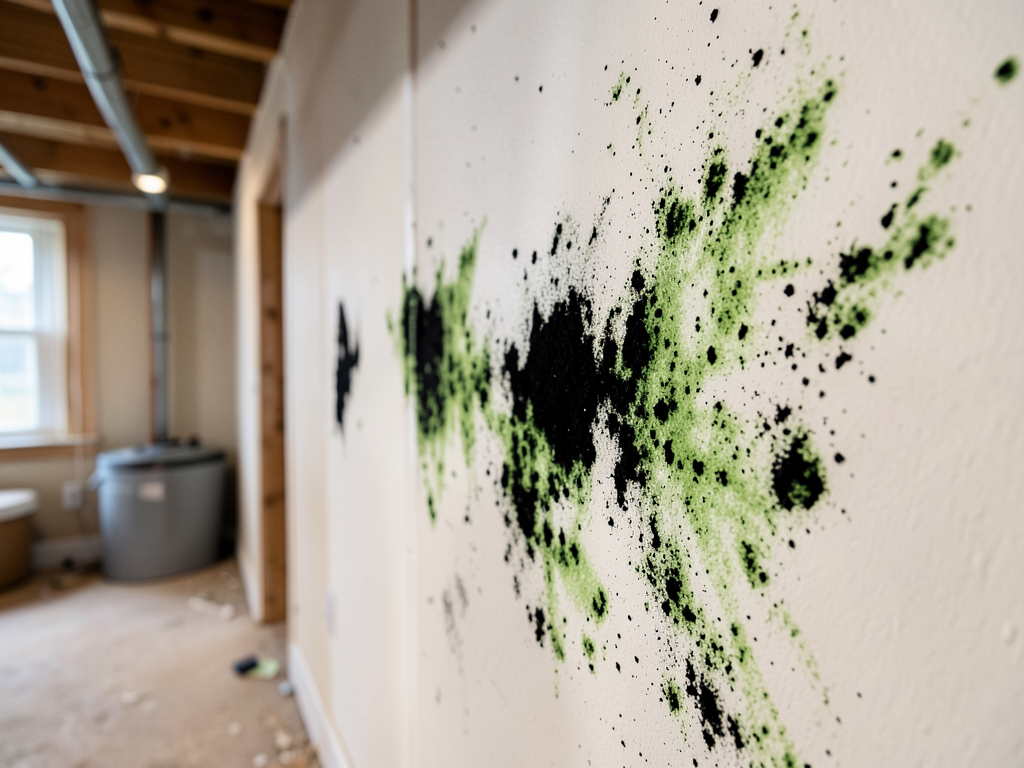
Solving Unexpected Humidity and Mold Issues in Recently Flipped Point Breeze Properties
Philadelphia’s Point Breeze neighborhood has seen a wave of renovations over the past decade transforming century-old row homes into modern living spaces. Many new homeowners discover an unexpected problem. Their recently flipped homes feel damp smell musty and show signs of mold growth. This building science failure requires professional intervention. HVAC Philadelphia.
When contractors upgrade windows add spray foam insulation and install new HVAC systems in these historic structures they often create what building scientists call a tight envelope. While this improves energy efficiency it also traps moisture inside. The old row homes were designed to breathe through drafty windows and porous masonry. Modern renovations seal these escape routes creating perfect conditions for humidity problems. Best Rated HVAC Contractors in the Main Line Area.
The Delaware Valley’s climate compounds the issue. Point Breeze experiences high summer dew points often exceeding 70°F which means outdoor air carries significant moisture. When this humid air enters a tightly sealed home and cools against interior surfaces condensation forms. Combine this with the thermal mass of brick walls that can take days to warm up or cool down and you have a recipe for persistent moisture problems.
Many renovated homes in Point Breeze also suffer from oversized HVAC equipment. Contractors often install units based on square footage alone ignoring the reduced cooling load of a well-insulated home. An oversized system cools the air quickly but runs for short cycles never running long enough to remove the latent heat the moisture in the air. This short-cycling leaves your home cold but clammy.
Common Causes of Post-Renovation Humidity
Understanding the root causes helps you identify the right solution. Here are the most frequent culprits we find in Point Breeze renovations:
- Oversized HVAC Equipment
Systems that cool too quickly fail to dehumidify effectively. Look for units that run less than 10-15 minutes per cycle during peak cooling.
- Missing Mechanical Ventilation
Modern tight homes need controlled fresh air exchange. Without it moisture from cooking showers and breathing accumulates.
- Improper Vapor Barriers
New insulation often lacks proper vapor retarders allowing moisture migration through walls and ceilings.
- Basement Moisture Migration
Point Breeze’s clay soil and high water table create hydrostatic pressure against foundation walls forcing moisture inward.
- Short Cycling Compressors
Variable-speed systems that don’t modulate properly leave excess humidity in the air.
The Philadelphia Building Code requires mechanical ventilation in new construction but many renovations fall into a gray area. Contractors sometimes skip these requirements especially in single-family retrofits. This creates homes that are energy-efficient but unhealthy.
The Risks of Ignoring High Indoor Moisture
High indoor relative humidity creates more than just discomfort. When RH levels exceed 60% several serious problems develop:
| Humidity Level | Risk Factor | Timeline |
|---|---|---|
| 60-65% RH | Mold spore activation | 24-48 hours |
| 65-70% RH | Dust mite proliferation | 1 week |
| 70%+ RH | Structural wood rot | 2-4 weeks |
| 75%+ RH | Metal corrosion | Immediate |
Mold growth in renovated homes often appears behind new drywall under flooring or in HVAC ductwork. By the time visible spots appear the problem has likely spread extensively. The EPA recommends keeping indoor humidity between 30-50% for optimal health and building preservation. EPA Indoor Air Quality Basics.
Point Breeze’s specific challenges include the area’s high clay content soil which retains water and creates constant moisture pressure against basement walls. Many renovated homes have finished basements without proper waterproofing creating hidden moisture reservoirs that feed into the living space.
Philadelphia-Specific Challenges: Row Homes and Old Basements
Point Breeze row homes present unique humidity control challenges that suburban homes don’t face. These historic structures share party walls creating thermal bridges that conduct moisture between units. The original lime-based mortar in many brick walls allows some moisture migration but modern cement-based repairs can trap water inside the wall assembly. Emergency AC Repair in Fishtown (Fast Service When the Heat Hits).
The neighborhood’s elevation sitting slightly above the Schuylkill River flood plain means groundwater management is critical. Many homes built in the early 1900s lack proper footer drains and renovations often disturb these aging systems without replacing them.
Philadelphia’s climate data shows average summer dew points of 68-72°F among the highest on the East Coast. This means outdoor air carries substantial moisture that your HVAC system must remove. A standard single-stage air conditioner simply cannot handle this latent load effectively.
Common renovation mistakes we see include:
- Installing high-efficiency windows without accounting for reduced natural ventilation
- Adding attic insulation without proper vapor retarders
- Upgrading to high-SEER HVAC systems without variable-speed blowers
- Finishing basements without waterproofing or dehumidification
The Philadelphia Department of Licenses and Inspections requires permits for HVAC changes but enforcement varies by neighborhood. Many Point Breeze renovations proceed without proper mechanical ventilation plans leaving homeowners with hidden moisture problems.
Engineered Solutions for Managed Humidity
Solving humidity problems requires a systematic approach that addresses both the building envelope and the mechanical systems. Here are the most effective solutions we implement for Point Breeze homes:
| Solution | Best For | Cost Range | Installation Time |
|---|---|---|---|
| Whole-home dehumidifier | Persistent humidity issues | $2800-$4500 | 1-2 days |
| ERV (Energy Recovery Ventilator) | Tight homes needing fresh air | $3200-$5000 | 1-3 days |
| Variable-speed heat pump | Oversized system replacement | $8000-$15000 | 2-4 days |
| Duct sealing and resizing | Historic home retrofits | $1500-$3500 | 1-2 days |
Whole-home dehumidifiers integrate with your existing HVAC system to remove 70-100 pints of moisture daily. These units work independently of cooling allowing you to maintain comfortable humidity levels even when outdoor temperatures are moderate.
ERVs provide balanced ventilation by exchanging indoor stale air with fresh outdoor air while transferring heat and moisture between the streams. This prevents your AC from working overtime to condition hot humid replacement air. Weak Airflow from Vents.
Variable-speed heat pumps offer the most comprehensive solution. These systems can run at 25-100% capacity running longer cycles at lower speeds to maximize moisture removal. They also provide heating efficiency making them ideal for Philadelphia’s cold winters.
For Point Breeze’s specific conditions we often recommend combining solutions. A variable-speed system with an integrated dehumidifier provides the most reliable humidity control especially in homes with finished basements. Finding a Reliable AC Repair Service in Center City Philadelphia That Actually Shows Up.
Diagnostic Checklist for Homeowners
Before calling a professional you can perform several tests to identify your humidity problem’s source. This checklist helps you gather information that will speed up the diagnostic process:
- Monitor Humidity Levels
Use a hygrometer to track indoor RH over 48 hours. Note peaks after showers cooking or laundry.
- Check HVAC Runtime
Observe your outdoor unit. If it runs less than 10 minutes per cycle on hot days it’s likely oversized.
- Inspect for Condensation
Look for water droplets on windows ductwork or cool surfaces. This indicates high indoor humidity.
- Smell Test
Moldy or musty odors often indicate hidden moisture problems behind walls or under flooring.
- Visual Mold Inspection
Check corners ceiling edges and behind furniture for discoloration or fuzzy growth.
- Basement Moisture Check
Feel basement walls for dampness. Look for efflorescence (white mineral deposits) on masonry.
If you identify multiple issues from this checklist you likely need professional intervention. The cost of professional diagnosis typically ranges from $200-$500 but can save thousands by identifying the exact problem rather than replacing equipment unnecessarily.
Point Breeze homeowners should also check their home’s building permit history. Many humidity problems stem from unpermitted renovations that didn’t follow current mechanical ventilation codes. The Philadelphia L&I office can provide this information for a small fee.
Professional Assessment Process
A thorough humidity assessment involves several diagnostic tools and tests:
- Infrared thermal imaging to detect moisture intrusion and insulation gaps
- Airflow testing to verify proper duct sizing and distribution
- Static pressure measurements to identify restrictions in the duct system
- Mold testing if visible growth is present
- Building envelope analysis to identify air leakage paths
The assessment should include a Manual J calculation to verify your HVAC system is properly sized for your home’s actual heat gain and loss. Many Point Breeze homes have systems 30-50% larger than necessary.
Professional remediation might include:
- Installing dedicated dehumidification systems
- Adding mechanical ventilation with heat recovery
- Sealing and resizing ductwork
- Improving basement waterproofing
- Upgrading to variable-speed HVAC equipment
The EPA’s Indoor airPLUS guidelines recommend integrated moisture control strategies for renovated homes especially in humid climates like Philadelphia’s.
Prevention Strategies for Future Renovations
If you’re planning a renovation or helping a neighbor with theirs consider these moisture prevention strategies:
- Perform a blower door test before and after renovations to measure air tightness
- Install ERVs in homes with ACH50 ratings below 5
- Use Class II vapor retarders on the warm side of insulation in mixed climates
- Size HVAC equipment using Manual J calculations not square footage rules
- Include dedicated dehumidification in basement finishing plans
The International Residential Code now requires mechanical ventilation in all new homes and many jurisdictions are extending this to major renovations. Philadelphia is gradually adopting these standards but enforcement remains inconsistent in older neighborhoods.
For Point Breeze specifically we recommend consulting with HVAC contractors who understand the neighborhood’s unique building stock. The narrow party walls and shared foundations create moisture pathways that suburban homes don’t experience.
Call (215) 610-9099 today to schedule your inspection. Our technicians understand Point Breeze’s unique renovation challenges and can provide solutions that actually work.
Frequently Asked Questions
How do I know if my renovated home has a humidity problem?
Signs include condensation on windows musty odors visible mold growth clammy air and allergy symptoms that improve when you leave the house. Use a hygrometer to confirm RH levels above 60%.
Can I just run my AC longer to remove humidity?
Not effectively. Oversized systems short-cycle running briefly at high capacity. This cools air without removing moisture. You need longer slower cooling cycles or a dedicated dehumidifier.
How much does humidity control cost in a Point Breeze row home?
Costs vary widely based on your specific needs. Whole-home dehumidifiers start around $2800 while complete HVAC system replacements with humidity control can exceed $12000. A professional assessment costs $200-$500.
Will a dehumidifier solve my humidity problems?
A dehumidifier treats symptoms but may not address root causes like oversized HVAC missing ventilation or moisture intrusion. Professional diagnosis identifies whether you need equipment upgrades or building envelope repairs.
How long does professional humidity remediation take?
Simple dehumidifier installation takes 1-2 days. Complete system replacements require 2-4 days. Complex building envelope repairs might take a week or more. Most Point Breeze homes can be fully remediated within a week. For more information, visit Blower Door Testing for Air Tightness.
{
“@context”: “https://schema.org”,
“@type”: “BlogPosting”,
“headline”: “Solving Unexpected Humidity and Mold Issues in Recently Flipped Point Breeze Properties”,
“description”: “Philadelphia row homes in Point Breeze face unique humidity challenges after renovations. Learn how to fix mold and moisture problems in your historic home.”,
“wordCount”: 1750,
“datePublished”: “2026-05-09T07:57:00.000Z”,
“dateModified”: “2026-05-09T07:57:00.000Z”,
“inLanguage”: “en-US”,
“mainEntityOfPage”: {
“@type”: “WebPage”,
“@id”: “https://elitehvacphiladelphia.com”
},
“publisher”: {
“@type”: “LocalBusiness”,
“name”: “Elite HVAC Philadelphia”,
“url”: “https://elitehvacphiladelphia.com”
},
“author”: {
“@type”: “Organization”,
“name”: “Elite HVAC Philadelphia”,
“url”: “https://elitehvacphiladelphia.com”
},
“image”: {
“@type”: “ImageObject”,
“url”: “https://elitehvacphiladelphia.com/wp-content/uploads/2026/03/solving-unexpected-humidity-and-mold-issues-in-rec-1.png”
}
}
{
“@context”: “https://schema.org”,
“@type”: “HVACBusiness”,
“name”: “Elite HVAC Philadelphia”,
“url”: “https://elitehvacphiladelphia.com”,
“address”: {
“@type”: “PostalAddress”,
“addressLocality”: “Philadelphia”
},
“areaServed”: {
“@type”: “City”,
“name”: “Philadelphia”
}
}
{
“@context”: “https://schema.org”,
“@type”: “FAQPage”,
“mainEntity”: [
{
“@type”: “Question”,
“name”: “How do I know if my renovated home has a humidity problem?”,
“acceptedAnswer”: {
“@type”: “Answer”,
“text”: “Signs include condensation on windows musty odors visible mold growth clammy air and allergy symptoms that improve when you leave the house. Use a hygrometer to confirm RH levels above 60%.”
}
},
{
“@type”: “Question”,
“name”: “Can I just run my AC longer to remove humidity?”,
“acceptedAnswer”: {
“@type”: “Answer”,
“text”: “Not effectively. Oversized systems short-cycle running briefly at high capacity. This cools air without removing moisture. You need longer slower cooling cycles or a dedicated dehumidifier.”
}
},
{
“@type”: “Question”,
“name”: “How much does humidity control cost in a Point Breeze row home?”,
“acceptedAnswer”: {
“@type”: “Answer”,
“text”: “Costs vary widely based on your specific needs. Whole-home dehumidifiers start around $2800 while complete HVAC system replacements with humidity control can exceed $12000. A professional assessment costs $200-$500.”
}
},
{
“@type”: “Question”,
“name”: “Will a dehumidifier solve my humidity problems?”,
“acceptedAnswer”: {
“@type”: “Answer”,
“text”: “A dehumidifier treats symptoms but may not address root causes like oversized HVAC missing ventilation or moisture intrusion. Professional diagnosis identifies whether you need equipment upgrades or building envelope repairs.”
}
},
{
“@type”: “Question”,
“name”: “How long does professional humidity remediation take?”,
“acceptedAnswer”: {
“@type”: “Answer”,
“text”: “Simple dehumidifier installation takes 1-2 days. Complete system replacements require 2-4 days. Complex building envelope repairs might take a week or more. Most Point Breeze homes can be fully remediated within a week. For more information, visit Blower Door Testing for Air Tightness.”
}
}
]
}
{
“@context”: “https://schema.org”,
“@type”: “HowTo”,
“name”: “Diagnosing Humidity Sources”,
“step”: [
{
“@type”: “HowToStep”,
“position”: 1,
“name”: “Oversized HVAC Equipment”,
“text”: “Systems that cool too quickly fail to dehumidify effectively. Look for units that run less than 10-15 minutes per cycle during peak cooling.”
},
{
“@type”: “HowToStep”,
“position”: 2,
“name”: “Missing Mechanical Ventilation”,
“text”: “Modern tight homes need controlled fresh air exchange. Without it moisture from cooking showers and breathing accumulates.”
},
{
“@type”: “HowToStep”,
“position”: 3,
“name”: “Improper Vapor Barriers”,
“text”: “New insulation often lacks proper vapor retarders allowing moisture migration through walls and ceilings.”
},
{
“@type”: “HowToStep”,
“position”: 4,
“name”: “Basement Moisture Migration”,
“text”: “Point Breeze’s clay soil and high water table create hydrostatic pressure against foundation walls forcing moisture inward.”
},
{
“@type”: “HowToStep”,
“position”: 5,
“name”: “Short Cycling Compressors”,
“text”: “Variable-speed systems that don’t modulate properly leave excess humidity in the air.”
}
],
“image”: “https://elitehvacphiladelphia.com/wp-content/uploads/2026/03/solving-unexpected-humidity-and-mold-issues-in-rec-1.png”
}
{
“@context”: “https://schema.org”,
“@type”: “BreadcrumbList”,
“itemListElement”: [
{
“@type”: “ListItem”,
“position”: 1,
“name”: “Home”,
“item”: “https://elitehvacphiladelphia.com”
},
{
“@type”: “ListItem”,
“position”: 2,
“name”: “Blog”,
“item”: “https://elitehvacphiladelphia.com/blog”
},
{
“@type”: “ListItem”,
“position”: 3,
“name”: “Solving Unexpected Humidity and Mold Issues in Recently Flipped Point Breeze Properties”
}
]
}
{
“@context”: “https://schema.org”,
“@type”: “Service”,
“serviceType”: “HVAC”,
“provider”: {
“@type”: “LocalBusiness”,
“name”: “Elite HVAC Philadelphia”,
“url”: “https://elitehvacphiladelphia.com”
},
“areaServed”: {
“@type”: “City”,
“name”: “Philadelphia”
},
“description”: “Philadelphia row homes in Point Breeze face unique humidity challenges after renovations. Learn how to fix mold and moisture problems in your historic home.”
}