
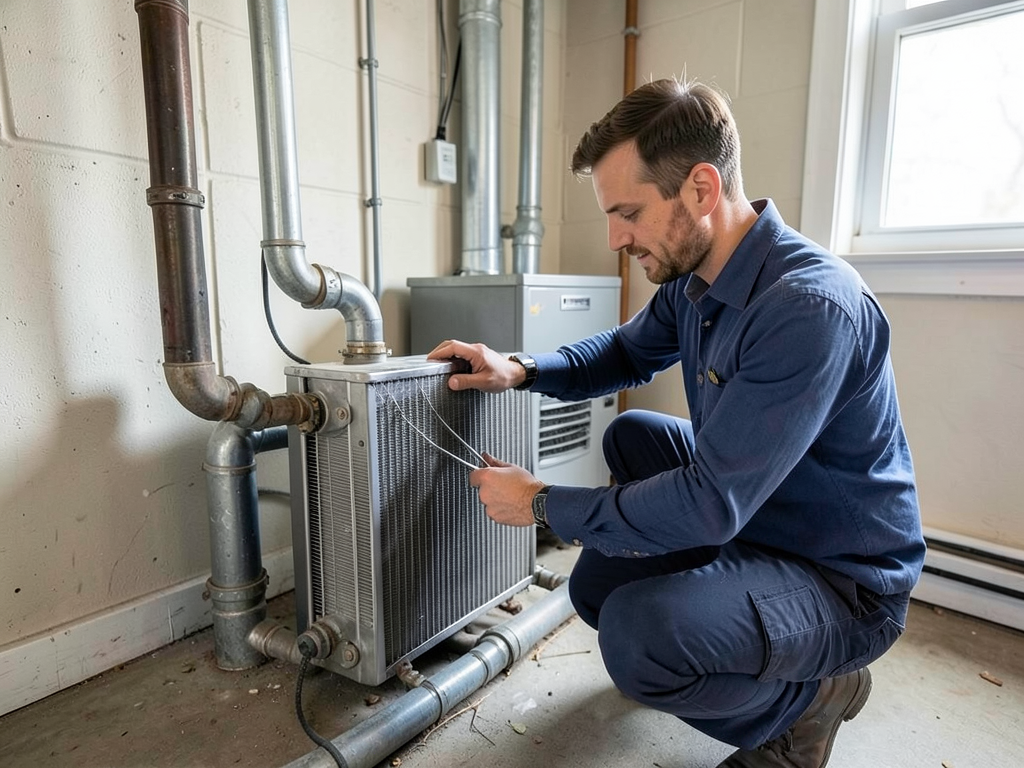
Why Your Olney Radiators are Making Louder Banging Noises Than Usual
If your Olney radiators are suddenly banging louder than usual you are not imagining things. That metallic clanging is your steam heating system sending you an urgent signal. In Philadelphia’s older row homes steam heat is common and so are the noises that come with aging pipes and radiators. But when the banging gets worse it usually means something is off balance inside the system. This guide explains why it happens and what you can do about it before the problem causes real damage. Philadelphia Department of Licenses and Inspections.
Common Causes of Loud Radiator Banging
Steam radiators make noise for several reasons. The most common is water hammer where steam meets trapped water and creates a shock wave inside the pipes. In Olney many homes have steam systems installed decades ago when the houses were built. Over time pipes can shift and radiators can tilt the wrong way. When that happens water collects where it should not and the steam slams into it creating that loud bang. Another cause is a failed air vent or steam trap. These small parts let air escape so steam can fill the radiator. When they break air stays trapped and pressure builds unevenly.
Steam Hammer and How It Damages Your System
Steam hammer is more than just annoying. It stresses pipes and can cause leaks or burst fittings. The physics are simple. Steam travels fast through the pipes. If condensate water is not draining properly the steam hits it like a wall. That impact sends a pressure spike through the system. In Philadelphia’s older homes this can loosen joints or crack radiator sections. If you hear rapid banging that sounds like someone hitting the pipes with a hammer that is steam hammer. It often happens when the boiler first fires up or when steam is rushing to a cold radiator. Philadelphia Water Department.
Improper Radiator Pitch in Philadelphia Row Homes
Philadelphia row homes settle over decades. The floors slope slightly and that can tilt radiators the wrong way. A radiator should tilt slightly toward the steam inlet pipe so water drains back toward the boiler. If it tilts away water pools inside the radiator. That water then gets hit by incoming steam and causes banging. This is especially common in Olney where many homes were built in the early 1900s. The fix is simple in theory. You can use shims under the legs to adjust the angle. But you need to know the correct pitch. Too much tilt can cause other problems. Expert Boiler Repair and Maintenance for Historic Homes in Chestnut Hill and Mt Airy.
Air Vents and Steam Traps: Small Parts Big Impact
Air vents and steam traps are tiny but critical. A steam trap is a valve that closes when steam hits it and opens when water is present. That keeps steam moving in the right direction. When a trap fails steam can go backward or water can stay trapped. Air vents do the same job for letting air out. If a vent is clogged or stuck shut air stays in the radiator. That air blocks steam and creates pressure imbalances. In Philadelphia’s hard water systems mineral buildup can clog these parts faster than in other areas. Weak Airflow from Vents.
Diagnosing Your Radiator Noise: Steam vs Hot Water
Not all radiator noise is the same. Steam systems make deep clanging sounds. Hot water systems make more of a gurgling or whistling noise. If your home has a boiler with a glass gauge and pressure gauge it is likely steam. If it has a pump and a sealed expansion tank it is hot water. Steam systems are more common in older Philadelphia homes. Knowing which you have helps narrow down the cause. Steam hammer only happens in steam systems. Hot water systems have different issues like pump cavitation or air in the lines. HVAC Philadelphia.
Philadelphia’s Hard Water and Sediment Buildup
Philadelphia’s water supply contains minerals that can build up inside boilers and radiators. Over time that sediment settles at the bottom of the boiler or in radiator sections. When steam bubbles through the sediment it creates popping and banging sounds. This is different from steam hammer but can sound similar. A boiler flush can remove sediment but it is a job for a professional. If your boiler pressure is higher than normal or if you see rust flakes in the water that is a sign of sediment trouble.
When to Call a Professional
Some banging is normal in older systems. But if the noise is new loud or getting worse you should call a professional. Signs you need help include leaking water around the radiator or pipes inconsistent heat across rooms or a boiler that cycles on and off rapidly. Steam systems run at high pressure. A small mistake can cause burns or flooding. In Philadelphia it is also important to check for code compliance. The Philadelphia Department of Licenses and Inspections requires licensed HVAC work on boilers. Do not risk your safety or your home’s heating.
DIY Radiator Shimming: A Step-by-Step Guide
If you want to try adjusting the radiator pitch yourself here is how. First turn off the boiler and let the system cool. Place a level on top of the radiator. The radiator should tilt slightly toward the steam inlet pipe. Use wood or metal shims under the legs on the opposite end. Add shims one at a time and check the level. Do not overdo it. Too much tilt can cause new problems. If you are not sure which way the steam comes in or if the radiator is too heavy to lift call a professional.
Philadelphia Winter Preparation for Steam Heat
Philadelphia winters can be harsh and steam heat is often the only warmth in older homes. Before the cold hits test your system. Check that all radiators get hot evenly. Listen for new noises. Bleed air vents if your system uses them. Check the boiler pressure gauge. It should read around 2 psi for a one-story home or up to 5 psi for taller buildings. If the pressure is much higher that can cause banging and waste energy. A fall tune-up by a licensed HVAC technician can catch problems before they leave you without heat.
Safety First: Boiler Pressure and Steam Burns
Steam systems run at high temperature and pressure. The water inside a steam boiler can be over 200 degrees. A small leak can cause serious burns. Never open a steam valve or air vent when the system is hot. Always let it cool first. If you see steam leaking from a valve or if the pressure gauge is in the red zone shut off the boiler and call a professional. In Philadelphia many homes have boilers in basements with poor ventilation. That makes safety even more important.
Comparing Steam and Hot Water Radiator Systems
| Feature | Steam Radiators | Hot Water Radiators |
|---|---|---|
| Heat Source | Boiler creates steam | Boiler heats water |
| Pressure Level | Low pressure 2-5 psi | Low pressure 10-20 psi |
| Common Noise | Banging clanging | Gurgling whistling |
| Air Vent Needed | Yes | No |
| Philadelphia Prevalence | Very common in older homes | Less common |
Philadelphia Building Code and Steam Heat
In Philadelphia steam heating systems must meet the Philadelphia Mechanical Code which follows the International Mechanical Code. Boilers require a pressure relief valve and a low water cutoff. Radiators must be installed with proper pitch and clearances. The Philadelphia Department of Licenses and Inspections requires a licensed HVAC contractor to work on boilers. This is not just paperwork. It is about safety. Steam explosions are rare but possible if a boiler is over pressurized or lacks proper safety controls. Always hire a licensed professional for boiler work.
Call (215) 610-9099 for Emergency Radiator Repair
If your Olney radiators are making loud banging noises do not wait. That sound is your system asking for help. Call (215) 610-9099 today to schedule your inspection. We diagnose steam hammer pitch problems and air vent failures fast. Our licensed technicians know Philadelphia row homes inside and out. We keep your heat running safely all winter. Pick up the phone and call (215) 610-9099 before the next storm hits. Your comfort and safety are worth it.
Frequently Asked Questions
Why do my radiators bang only when the heat first comes on?
That is usually steam hammer. When the boiler fires cold pipes and radiators fill with steam quickly. If water is trapped inside from poor pitch or a failed trap the steam hits it and causes a bang. It often stops after a few minutes once the system balances.
Can I fix radiator banging myself?
You can try shimming the radiator to adjust pitch or bleeding air vents if you have a hot water system. But if you are not sure what type of system you have or if the noise is loud and new call a professional. Steam systems are dangerous to work on without training.
How much does it cost to fix a banging radiator?
Costs vary by the cause. A simple vent replacement might cost under $100. Fixing pitch with shims is cheap if you do it yourself. But if the problem is a failed trap or sediment in the boiler the repair can cost several hundred dollars. A diagnostic visit will tell you exactly what is wrong. Emergency AC Repair in Fishtown (Fast Service When the Heat Hits).
Is radiator banging dangerous?
It can be. Steam hammer stresses pipes and can cause leaks or bursts. If the boiler pressure is too high that is a safety risk. Always check the pressure gauge. If it is in the red or if you see steam leaking call a professional immediately.
How often should I service my steam heating system?
Once a year before winter is best. A fall tune-up includes checking pressure cleaning the boiler and testing safety controls. That keeps your system efficient and safe. In Philadelphia’s cold winters a breakdown can be more than just uncomfortable.
{
“@context”: “https://schema.org”,
“@type”: “BlogPosting”,
“headline”: “Why Your Olney Radiators are Making Louder Banging Noises Than Usual”,
“description”: “Loud banging radiators in Olney homes? Learn why steam heat makes noise and when to call for emergency repair in Philadelphia. Call (215) 610-9099 today.”,
“wordCount”: 1675,
“datePublished”: “2026-05-24T10:49:00.000Z”,
“dateModified”: “2026-05-24T10:49:00.000Z”,
“inLanguage”: “en-US”,
“mainEntityOfPage”: {
“@type”: “WebPage”,
“@id”: “https://elitehvacphiladelphia.com”
},
“publisher”: {
“@type”: “LocalBusiness”,
“name”: “Elite HVAC Philadelphia”,
“url”: “https://elitehvacphiladelphia.com”
},
“author”: {
“@type”: “Organization”,
“name”: “Elite HVAC Philadelphia”,
“url”: “https://elitehvacphiladelphia.com”
},
“image”: {
“@type”: “ImageObject”,
“url”: “https://elitehvacphiladelphia.com/wp-content/uploads/2026/03/why-your-olney-radiators-are-making-louder-banging-1.png”
}
}
{
“@context”: “https://schema.org”,
“@type”: “HVACBusiness”,
“name”: “Elite HVAC Philadelphia”,
“url”: “https://elitehvacphiladelphia.com”,
“address”: {
“@type”: “PostalAddress”,
“addressLocality”: “Philadelphia”
},
“areaServed”: {
“@type”: “City”,
“name”: “Philadelphia”
}
}
{
“@context”: “https://schema.org”,
“@type”: “FAQPage”,
“mainEntity”: [
{
“@type”: “Question”,
“name”: “Why do my radiators bang only when the heat first comes on?”,
“acceptedAnswer”: {
“@type”: “Answer”,
“text”: “That is usually steam hammer. When the boiler fires cold pipes and radiators fill with steam quickly. If water is trapped inside from poor pitch or a failed trap the steam hits it and causes a bang. It often stops after a few minutes once the system balances.”
}
},
{
“@type”: “Question”,
“name”: “Can I fix radiator banging myself?”,
“acceptedAnswer”: {
“@type”: “Answer”,
“text”: “You can try shimming the radiator to adjust pitch or bleeding air vents if you have a hot water system. But if you are not sure what type of system you have or if the noise is loud and new call a professional. Steam systems are dangerous to work on without training.”
}
},
{
“@type”: “Question”,
“name”: “How much does it cost to fix a banging radiator?”,
“acceptedAnswer”: {
“@type”: “Answer”,
“text”: “Costs vary by the cause. A simple vent replacement might cost under $100. Fixing pitch with shims is cheap if you do it yourself. But if the problem is a failed trap or sediment in the boiler the repair can cost several hundred dollars. A diagnostic visit will tell you exactly what is wrong. Emergency AC Repair in Fishtown (Fast Service When the Heat Hits).”
}
},
{
“@type”: “Question”,
“name”: “Is radiator banging dangerous?”,
“acceptedAnswer”: {
“@type”: “Answer”,
“text”: “It can be. Steam hammer stresses pipes and can cause leaks or bursts. If the boiler pressure is too high that is a safety risk. Always check the pressure gauge. If it is in the red or if you see steam leaking call a professional immediately.”
}
},
{
“@type”: “Question”,
“name”: “How often should I service my steam heating system?”,
“acceptedAnswer”: {
“@type”: “Answer”,
“text”: “Once a year before winter is best. A fall tune-up includes checking pressure cleaning the boiler and testing safety controls. That keeps your system efficient and safe. In Philadelphia’s cold winters a breakdown can be more than just uncomfortable.”
}
}
]
}
{
“@context”: “https://schema.org”,
“@type”: “BreadcrumbList”,
“itemListElement”: [
{
“@type”: “ListItem”,
“position”: 1,
“name”: “Home”,
“item”: “https://elitehvacphiladelphia.com”
},
{
“@type”: “ListItem”,
“position”: 2,
“name”: “Blog”,
“item”: “https://elitehvacphiladelphia.com/blog”
},
{
“@type”: “ListItem”,
“position”: 3,
“name”: “Why Your Olney Radiators are Making Louder Banging Noises Than Usual”
}
]
}
{
“@context”: “https://schema.org”,
“@type”: “Service”,
“serviceType”: “HVAC”,
“provider”: {
“@type”: “LocalBusiness”,
“name”: “Elite HVAC Philadelphia”,
“url”: “https://elitehvacphiladelphia.com”
},
“areaServed”: {
“@type”: “City”,
“name”: “Philadelphia”
},
“description”: “Loud banging radiators in Olney homes? Learn why steam heat makes noise and when to call for emergency repair in Philadelphia. Call (215) 610-9099 today.”
}