
What to Do if You Find a Puddle Around Your Holmesburg Furnace This Winter
Finding water pooling around your furnace in Holmesburg during winter months can be alarming. That puddle might signal a minor issue or a serious system failure that could leave you without heat when temperatures drop below freezing. The first step is understanding what type of furnace you have and what that water means for your home’s safety and comfort. Finding a Reliable AC Repair Service in Center City Philadelphia That Actually Shows Up.
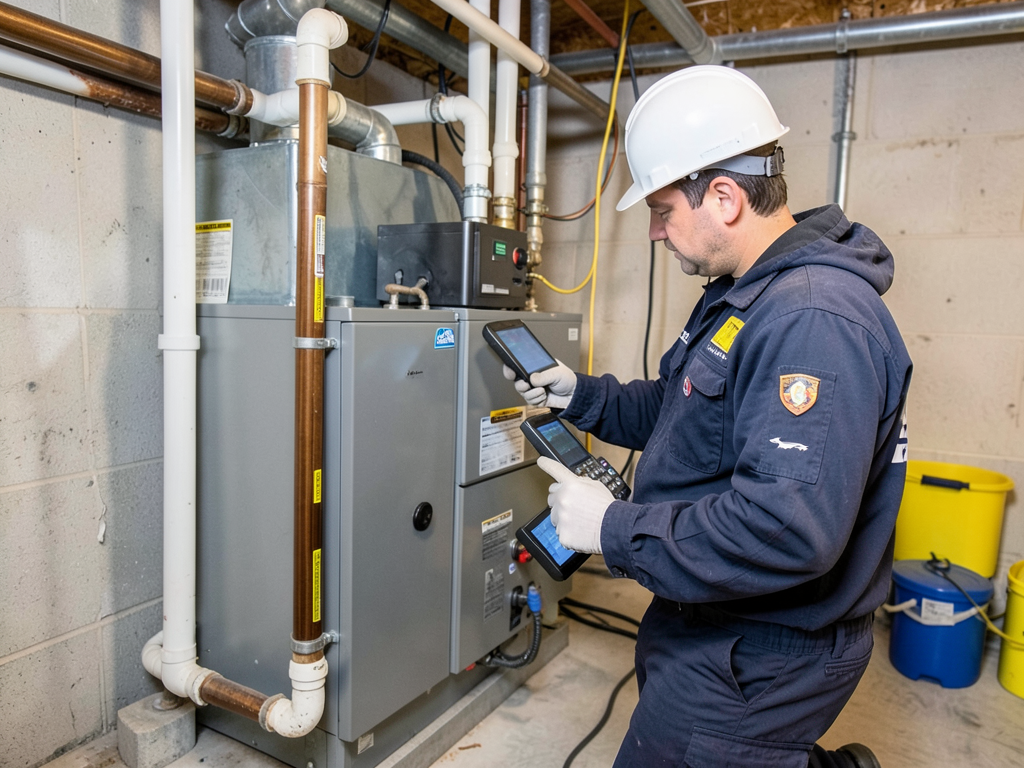
Philadelphia homes in Holmesburg and surrounding Northeast neighborhoods typically have either high-efficiency condensing furnaces or standard-efficiency models. High-efficiency units produce condensation as a normal part of operation, while standard furnaces should remain completely dry. A puddle around either type requires immediate attention, but the urgency and potential risks differ significantly. HVAC Philadelphia.
Is That Water Normal or Dangerous
High-efficiency furnaces with AFUE ratings above 90% create condensation during the heating process. This moisture collects in a drain pan and exits through a PVC condensate line. If you see water coming from these components, it might be a simple clog or pump failure. However, if you have a standard-efficiency furnace with metal venting, any water around the unit indicates a serious problem that could damage electrical components or create mold growth in your basement.
The Philadelphia area’s hard water and high humidity levels can accelerate mineral buildup in condensate lines, causing clogs that lead to overflow. Homes built before the 1980s in Holmesburg often have aging drainage systems that weren’t designed for modern high-efficiency equipment. This mismatch can create the perfect conditions for water damage around your heating system.
Common Causes of Furnace Leaks in Holmesburg Homes
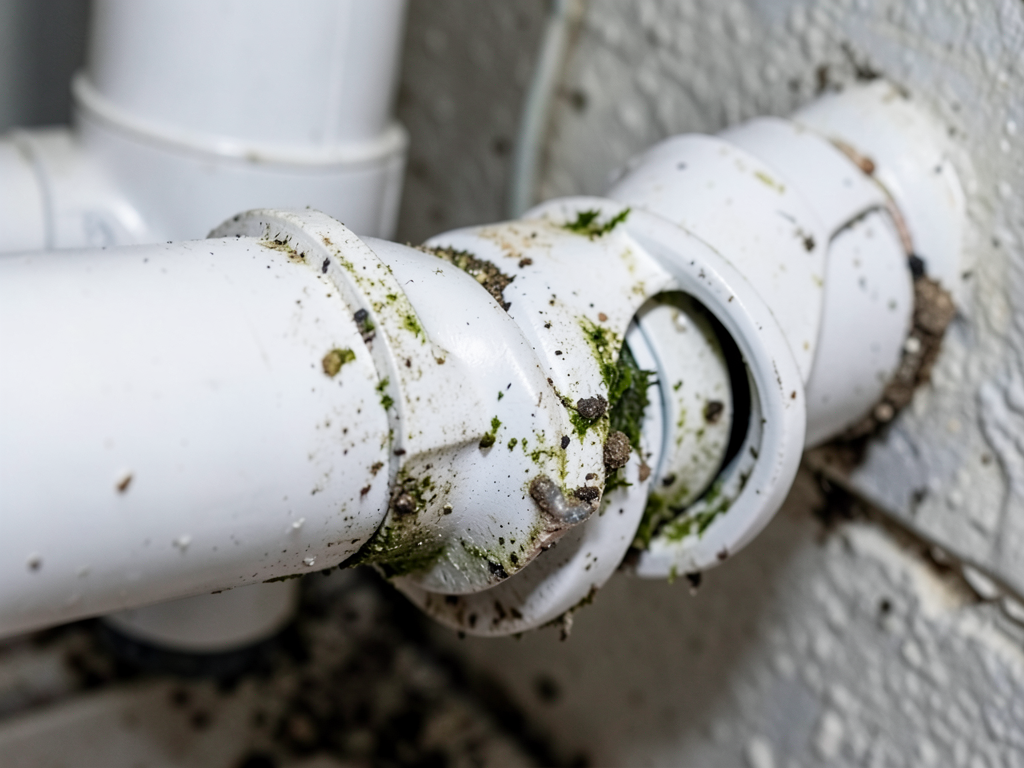
Condensate drain line clogs rank as the most frequent cause of furnace leaks in Philadelphia. These narrow PVC pipes trap sediment, algae, and mineral deposits from the city’s water supply. When the line backs up, water overflows from the drain pan onto your basement floor. A simple visual inspection can reveal if the drain line is blocked or if water is flowing freely.
Condensate pump failure affects many Holmesburg homes where furnaces are installed below grade. These pumps push water uphill to reach the main drain line. When the pump motor fails or the float switch gets stuck, water accumulates in the pump reservoir and eventually spills over. The sound of a struggling pump motor or complete silence when the furnace runs can indicate this problem.
Whole-home humidifiers connected to your furnace system can leak when their water supply lines develop cracks or their internal valves fail. Philadelphia’s cold winters mean these humidifiers run constantly, increasing the chance of wear and tear. A leaking humidifier can dump gallons of water near your furnace before you notice the problem.
Secondary heat exchanger cracks in high-efficiency furnaces represent a more serious issue. These components handle the hottest combustion gases and can develop stress fractures over time. A cracked heat exchanger not only leaks water but can also allow dangerous carbon monoxide to enter your home’s air supply. This requires immediate professional attention.
Safety First: What to Do Immediately
Turn off your furnace immediately if you discover standing water around it. Water and electricity create a serious shock hazard, and a leaking furnace can cause electrical shorts that damage your entire heating system. Locate the power switch near your furnace or turn off the circuit breaker that controls the unit.
Shut off the gas supply to your furnace if you smell gas or if the leak appears severe. The gas valve is typically located on the gas line near the furnace. If you cannot safely access the valve, leave your home and call your gas utility from outside.
Place towels or a shallow pan under the leak to prevent water damage to your basement floor. Holmesburg homes often have finished basements where water can ruin carpeting, drywall, and stored items. Quick action can minimize damage while you wait for professional help.
Check your carbon monoxide detectors. A leaking furnace can sometimes indicate combustion problems that produce this odorless, deadly gas. If your detectors sound an alarm, evacuate immediately and call emergency services. Emergency AC Repair in Fishtown (Fast Service When the Heat Hits).
DIY Troubleshooting Steps You Can Take Safely
Inspect the condensate drain line for visible blockages. These white PVC pipes often have a cleanout port near the furnace. Remove the cap and look for standing water or debris. You can sometimes clear minor clogs by pouring a mixture of vinegar and water through the line, but avoid using chemical drain cleaners that can damage PVC pipes.
Check the condensate pump reservoir if your system has one. The pump should activate when the reservoir fills with water. If you hear the motor running but no water moves, the pump may need replacement. Some pumps have a manual override switch you can use to test operation.
Examine the humidifier connections on your furnace. Look for cracked water supply lines, loose fittings, or mineral buildup around valves. These components are often accessible without tools and can reveal obvious leak sources.
Listen for unusual sounds from your furnace. A high-pitched whistling might indicate a cracked heat exchanger, while gurgling sounds in the condensate line suggest air trapped in the system. These audio clues can help diagnose problems before a technician arrives.
When to Call a Philadelphia HVAC Professional
Call for emergency service if your furnace won’t turn on, if you smell gas, or if you suspect a cracked heat exchanger. These situations pose immediate safety risks that require professional diagnosis and repair. Holmesburg residents can expect service calls within 2-4 hours during winter peak times, though wait times may extend during severe cold snaps. EPA carbon monoxide safety guidelines.
Contact a professional if DIY troubleshooting doesn’t resolve the leak within 24 hours. Standing water around your furnace can lead to mold growth, electrical damage, and system corrosion. The longer you wait, the more expensive repairs become.
Schedule maintenance if you notice recurring leaks or if your furnace is over 15 years old. Philadelphia’s climate, with its humid summers and freezing winters, puts extra stress on heating systems. Regular maintenance can prevent many common leak causes before they start.
Professional repair costs in the Philadelphia area typically range from $150 to $500 for common issues like clogged drain lines or pump replacement. Heat exchanger replacement or major system repairs can cost $1,000 to $3,000. Most companies offer free estimates for diagnosis, allowing you to make informed decisions about repair versus replacement.
Preventing Future Furnace Leaks in Your Holmesburg Home
Annual furnace maintenance is your best defense against leaks. A professional tune-up includes cleaning the condensate system, checking pump operation, and inspecting all water connections. Many Holmesburg HVAC companies offer maintenance plans that include priority service and discounted repairs.
Install a water alarm near your furnace to detect leaks early. These inexpensive devices sound an alert when they sense moisture, giving you time to address problems before significant damage occurs. Place the alarm on the floor where water would first accumulate.
Consider upgrading older components in your heating system. Philadelphia homes often have original humidifiers, pumps, and drain lines that have exceeded their expected lifespan. Modern components are more reliable and often more energy-efficient, potentially offsetting their replacement cost through lower utility bills.
Address your home’s overall moisture levels. Holmesburg’s proximity to the Delaware River and its low-lying geography can create damp basement conditions that exacerbate furnace leak problems. A dehumidifier can reduce the workload on your furnace’s drainage system and prevent mold growth.
Understanding Holmesburg’s Unique HVAC Challenges
Holmesburg’s mix of mid-century and older homes presents specific HVAC challenges. Many properties have basements that sit partially below the water table, especially during Philadelphia’s rainy seasons. This constant moisture exposure can accelerate corrosion in furnace components and create ideal conditions for mold growth around leaking equipment.
The neighborhood’s aging infrastructure means some homes still have original clay drain lines that can collapse or become blocked by tree roots. When these main sewer lines fail, it can cause backups that affect your furnace’s condensate drainage. A professional inspection can identify these hidden problems.
Holmesburg experiences temperature swings that can stress heating systems. Warm spells followed by sudden cold snaps cause metal components to expand and contract, potentially creating or widening existing cracks in heat exchangers. This thermal cycling is particularly hard on older furnaces that have already endured decades of seasonal changes.
Local building codes require specific venting configurations for high-efficiency furnaces in Philadelphia. Improper installation can lead to condensation problems that cause leaks. If your furnace was installed before current code requirements, it may need modifications to meet safety standards.
Cost Comparison: Repair vs. Replacement
| Issue | Typical Repair Cost | Replacement Cost | Recommended Action |
|---|---|---|---|
| Clogged Drain Line | $150 – $250 | N/A | Repair |
| Condensate Pump | $200 – $400 | N/A | Repair |
| Humidifier Leak | $180 – $350 | N/A | Repair |
| Cracked Heat Exchanger | $1,000 – $2,500 | $3,000 – $6,000 | Evaluate Age/Furnace |
| Complete System | N/A | $4,000 – $8,000 | Replacement if >15 years |
Frequently Asked Questions
Can I use my furnace if it’s leaking water?
No. Operating a leaking furnace risks electrical damage, carbon monoxide exposure, and further system deterioration. Turn off the unit and call a professional immediately.
How much does emergency furnace repair cost in Philadelphia?
Emergency service calls in Philadelphia typically cost $75 to $150, plus repair costs. After-hours and weekend calls may have additional fees. Most companies provide estimates before beginning work.
How long can I wait to fix a leaking furnace?
Address furnace leaks within 24 hours to prevent water damage, mold growth, and system failure. Small leaks can quickly become major problems, especially during Philadelphia’s cold winters.
Will my homeowner’s insurance cover furnace leaks?
Standard policies typically don’t cover mechanical failures but may cover water damage to your home. Check your specific policy and document any damage with photos.
How can I tell if my furnace is high-efficiency or standard?
High-efficiency furnaces have PVC vent pipes (usually white), while standard furnaces have metal exhaust pipes. High-efficiency units also have an AFUE rating above 90% printed on the nameplate.
- Turn Off Power
Locate the furnace power switch or circuit breaker and turn off electricity immediately to prevent shock hazards.
- Shut Off Gas
If you smell gas or see severe leaking, turn off the gas valve near the furnace or at the main supply line.
- Contain Water
Place towels or a shallow pan under the leak to prevent water damage to floors and belongings.
- Check for Hazards
Test carbon monoxide detectors and look for signs of electrical damage like sparking or burning smells.
- Call Professional
Contact a licensed Philadelphia HVAC contractor for emergency diagnosis and repair, especially if the cause isn’t obvious.
Don’t Let a Small Leak Become a Big Problem
Water around your Holmesburg furnace isn’t just an inconvenience—it’s a warning sign that demands immediate attention. Philadelphia’s unique climate and the age of many local homes create conditions where small issues can quickly escalate into major system failures. Whether you’re dealing with a clogged drain line or a more serious heat exchanger problem, quick action can save you from costly repairs and dangerous situations.
Call (215) 610-9099 today to schedule your inspection. Our experienced technicians understand the specific challenges Holmesburg homes face and can diagnose and repair your furnace leak quickly and safely. Don’t wait until your system fails completely—let us restore your heat and your peace of mind before the next cold snap hits.
Pick up the phone and call (215) 610-9099 before the next storm hits. Your family’s comfort and safety depend on a properly functioning heating system, and we’re here to ensure you stay warm all winter long. For more information, visit National Association of Certified Home Inspectors furnace guide.
{
“@context”: “https://schema.org”,
“@type”: “BlogPosting”,
“headline”: “What to Do if You Find a Puddle Around Your Holmesburg Furnace This Winter”,
“description”: “Found water around your Holmesburg furnace? Learn the common causes of furnace leaks in Philadelphia homes and when to call for emergency HVAC repair.”,
“wordCount”: 1962,
“datePublished”: “2026-05-07T12:26:00.000Z”,
“dateModified”: “2026-05-07T12:26:00.000Z”,
“inLanguage”: “en-US”,
“mainEntityOfPage”: {
“@type”: “WebPage”,
“@id”: “https://elitehvacphiladelphia.com”
},
“publisher”: {
“@type”: “LocalBusiness”,
“name”: “Elite HVAC Philadelphia”,
“url”: “https://elitehvacphiladelphia.com”
},
“author”: {
“@type”: “Organization”,
“name”: “Elite HVAC Philadelphia”,
“url”: “https://elitehvacphiladelphia.com”
},
“image”: {
“@type”: “ImageObject”,
“url”: “https://elitehvacphiladelphia.com/wp-content/uploads/2026/03/what-to-do-if-you-find-a-puddle-around-your-holmes-1.png”
}
}
{
“@context”: “https://schema.org”,
“@type”: “HVACBusiness”,
“name”: “Elite HVAC Philadelphia”,
“url”: “https://elitehvacphiladelphia.com”,
“address”: {
“@type”: “PostalAddress”,
“addressLocality”: “Philadelphia”
},
“areaServed”: {
“@type”: “City”,
“name”: “Philadelphia”
}
}
{
“@context”: “https://schema.org”,
“@type”: “FAQPage”,
“mainEntity”: [
{
“@type”: “Question”,
“name”: “Can I use my furnace if it’s leaking water?”,
“acceptedAnswer”: {
“@type”: “Answer”,
“text”: “No. Operating a leaking furnace risks electrical damage, carbon monoxide exposure, and further system deterioration. Turn off the unit and call a professional immediately.”
}
},
{
“@type”: “Question”,
“name”: “How much does emergency furnace repair cost in Philadelphia?”,
“acceptedAnswer”: {
“@type”: “Answer”,
“text”: “Emergency service calls in Philadelphia typically cost $75 to $150, plus repair costs. After-hours and weekend calls may have additional fees. Most companies provide estimates before beginning work.”
}
},
{
“@type”: “Question”,
“name”: “How long can I wait to fix a leaking furnace?”,
“acceptedAnswer”: {
“@type”: “Answer”,
“text”: “Address furnace leaks within 24 hours to prevent water damage, mold growth, and system failure. Small leaks can quickly become major problems, especially during Philadelphia’s cold winters.”
}
},
{
“@type”: “Question”,
“name”: “Will my homeowner’s insurance cover furnace leaks?”,
“acceptedAnswer”: {
“@type”: “Answer”,
“text”: “Standard policies typically don’t cover mechanical failures but may cover water damage to your home. Check your specific policy and document any damage with photos.”
}
},
{
“@type”: “Question”,
“name”: “How can I tell if my furnace is high-efficiency or standard?”,
“acceptedAnswer”: {
“@type”: “Answer”,
“text”: “High-efficiency furnaces have PVC vent pipes (usually white), while standard furnaces have metal exhaust pipes. High-efficiency units also have an AFUE rating above 90% printed on the nameplate.”
}
}
]
}
{
“@context”: “https://schema.org”,
“@type”: “HowTo”,
“name”: “How to Handle a Leaking Furnace”,
“step”: [
{
“@type”: “HowToStep”,
“position”: 1,
“name”: “Turn Off Power”,
“text”: “Locate the furnace power switch or circuit breaker and turn off electricity immediately to prevent shock hazards.”
},
{
“@type”: “HowToStep”,
“position”: 2,
“name”: “Shut Off Gas”,
“text”: “If you smell gas or see severe leaking, turn off the gas valve near the furnace or at the main supply line.”
},
{
“@type”: “HowToStep”,
“position”: 3,
“name”: “Contain Water”,
“text”: “Place towels or a shallow pan under the leak to prevent water damage to floors and belongings.”
},
{
“@type”: “HowToStep”,
“position”: 4,
“name”: “Check for Hazards”,
“text”: “Test carbon monoxide detectors and look for signs of electrical damage like sparking or burning smells.”
},
{
“@type”: “HowToStep”,
“position”: 5,
“name”: “Call Professional”,
“text”: “Contact a licensed Philadelphia HVAC contractor for emergency diagnosis and repair, especially if the cause isn’t obvious.”
}
],
“image”: “https://elitehvacphiladelphia.com/wp-content/uploads/2026/03/what-to-do-if-you-find-a-puddle-around-your-holmes-1.png”
}
{
“@context”: “https://schema.org”,
“@type”: “BreadcrumbList”,
“itemListElement”: [
{
“@type”: “ListItem”,
“position”: 1,
“name”: “Home”,
“item”: “https://elitehvacphiladelphia.com”
},
{
“@type”: “ListItem”,
“position”: 2,
“name”: “Blog”,
“item”: “https://elitehvacphiladelphia.com/blog”
},
{
“@type”: “ListItem”,
“position”: 3,
“name”: “What to Do if You Find a Puddle Around Your Holmesburg Furnace This Winter”
}
]
}
{
“@context”: “https://schema.org”,
“@type”: “Service”,
“serviceType”: “HVAC”,
“provider”: {
“@type”: “LocalBusiness”,
“name”: “Elite HVAC Philadelphia”,
“url”: “https://elitehvacphiladelphia.com”
},
“areaServed”: {
“@type”: “City”,
“name”: “Philadelphia”
},
“description”: “Found water around your Holmesburg furnace? Learn the common causes of furnace leaks in Philadelphia homes and when to call for emergency HVAC repair.”
}