
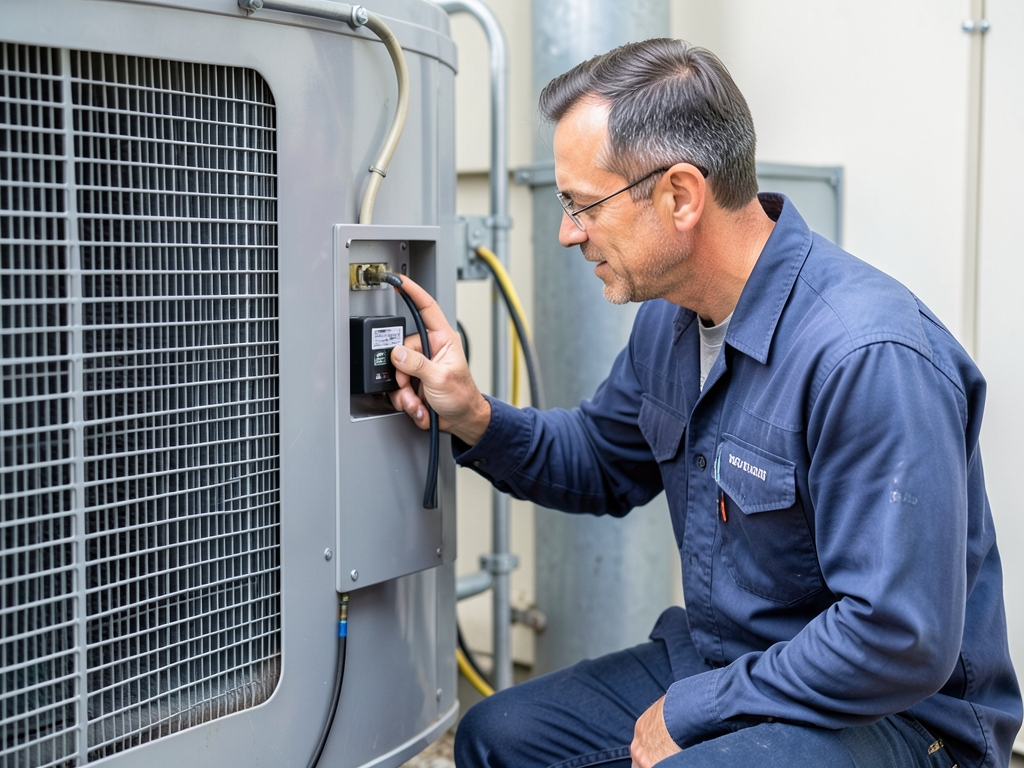
Saving Your HVAC Electronics from Summer Power Surges in Lower Dublin
Summer heat in Philadelphia brings more than just humidity and high energy bills. When temperatures climb above 90°F the electrical grid strains under increased demand and power surges become a real threat to your HVAC system. In Lower Dublin where many homes still rely on aging electrical infrastructure a single voltage spike can destroy sensitive control boards compressors and motors in your air conditioning unit.
Power surges happen when electricity flow is interrupted and then suddenly restored or when devices draw more power than the system can handle. Lightning strikes downed power lines and even the cycling on and off of large appliances can create these dangerous voltage spikes. Your HVAC system with its complex electronic controls and high-power motors is particularly vulnerable.
Professional surge protection can prevent thousands of dollars in damage. A properly installed HVAC surge protector acts as a shield absorbing excess voltage before it reaches your system’s sensitive components. This protection is especially critical in Lower Dublin where older homes often have outdated electrical panels that offer little defense against modern power quality issues.
Call (215) 610-9099 today to schedule your surge protector installation before the next heatwave hits.
How Power Surges Damage Your HVAC System
When a power surge travels through your home’s electrical system it seeks the path of least resistance. Your HVAC equipment with its large motors and electronic controls provides an attractive target. The surge can burn out control boards melt wiring and destroy the compressor the heart of your air conditioning system.
Modern HVAC systems are more vulnerable than older models because they rely heavily on electronic controls and variable-speed motors. These components operate on precise voltage levels and cannot tolerate fluctuations. A surge as brief as a few nanoseconds can cause immediate failure or shorten the lifespan of your equipment through gradual degradation.
In Lower Dublin the combination of older electrical infrastructure and dense residential development creates unique challenges. Many homes in the area were built before modern electrical codes required dedicated circuits for HVAC equipment. This means your air conditioner shares circuits with other appliances increasing the risk of overload during peak usage times.
Summer thunderstorms pose another significant risk. When lightning strikes nearby power lines or transformers it creates massive voltage spikes that can travel through the grid and into your home. Even if the lightning doesn’t strike directly the electrical field generated by a nearby strike can induce currents in your wiring. Best Rated HVAC Contractors in the Main Line Area.
Understanding Surge Protection Technology
Professional HVAC surge protectors use Metal Oxide Varistor (MOV) technology to absorb excess voltage. When normal voltage flows through the device it remains inactive. When a surge occurs the MOVs conduct the excess electricity to ground protecting your equipment. This process happens in microseconds faster than your circuit breaker can react.
Quality surge protectors also include thermal fuses that disconnect the device if it becomes too hot from repeated surges. This prevents the protector from becoming a fire hazard and indicates when replacement is needed. Some advanced models feature LED status indicators that show whether the device is functioning properly.
The effectiveness of surge protection is measured in several ways. Clamping voltage indicates the threshold at which the protector begins to divert excess electricity. Response time measures how quickly the device reacts to a surge. Energy absorption capacity measured in joules determines how much total energy the protector can handle before failing.
For HVAC applications you need a protector with a clamping voltage below 400 volts and a response time under one nanosecond. The energy absorption should be at least 1000 joules for adequate protection. These specifications ensure your air conditioner’s control board and compressor receive maximum protection from both large and small surges.
Lower Dublin’s Electrical Grid Vulnerabilities
Lower Dublin’s electrical infrastructure reflects decades of development patterns. Many neighborhoods in the area have overhead power lines that are susceptible to wind damage and tree contact. During summer storms these lines are vulnerable to lightning strikes and falling branches creating conditions for power surges.
The PECO energy grid serving Lower Dublin experiences significant stress during heat waves. When temperatures exceed 95°F air conditioning usage spikes dramatically. This sudden increase in demand can cause voltage fluctuations and brownouts temporary reductions in voltage that are particularly damaging to electronic equipment. PECO energy grid.
Older transformers in the area may not handle modern electrical loads efficiently. When these transformers become overloaded they can produce voltage spikes when heavy loads are suddenly removed. This happens frequently when large HVAC systems cycle off or when power is restored after an outage.
Soil conditions in Lower Dublin also affect electrical system performance. The area’s clay-rich soil can retain moisture which may affect underground electrical connections and grounding systems. Poor grounding reduces the effectiveness of surge protection by providing a less reliable path for excess electricity to dissipate safely. Finding a Reliable AC Repair Service in Center City Philadelphia That Actually Shows Up.
Professional vs. Consumer Surge Protection
Many homeowners attempt to protect their HVAC systems with inexpensive power strips or outlet-mounted surge protectors. These devices offer minimal protection for sensitive electronics but cannot handle the power demands of an air conditioning system. Professional HVAC surge protectors are hardwired directly into your electrical system and provide much higher levels of protection.
Professional installation ensures proper grounding which is essential for surge protection to work effectively. A licensed HVAC technician will verify that your electrical panel and grounding system meet current safety standards. They’ll also ensure the surge protector is sized correctly for your specific HVAC equipment.
Consumer-grade protectors typically offer 600-800 joules of protection with clamping voltages around 500-600 volts. Professional HVAC surge protectors provide 1000-2000 joules with clamping voltages under 400 volts. This difference in specifications translates to significantly better protection for your expensive HVAC components.
Professional devices also include diagnostic features that consumer models lack. LED indicators show when the protector is functioning properly and when it needs replacement. Some models include audible alarms that alert you to power quality issues before they damage your equipment.
Installation Process and Requirements
Installing an HVAC surge protector requires working with high-voltage electrical systems. The process begins with shutting off power to your HVAC equipment at the main electrical panel. The technician then installs the surge protector in the disconnect box near your outdoor condenser unit or in the electrical compartment of your indoor air handler. The True Cost of Installing Central Air in an Older South Philly Rowhome.
The installation must comply with the National Electrical Code (NEC) Article 440 which covers air conditioning and refrigeration equipment. This code requires proper wire sizing secure connections and appropriate overcurrent protection. In Pennsylvania all electrical work must also comply with state licensing requirements. National Electrical Code.
During installation the technician will test your existing electrical system for proper grounding and polarity. They’ll verify that your circuit breakers are correctly sized for your HVAC equipment and that no dangerous wiring conditions exist. This comprehensive approach ensures both the surge protector and your entire HVAC electrical system operate safely.
The entire installation typically takes 1-2 hours for a standard residential system. After installation the technician will test the system to verify proper operation and provide documentation of the work performed. Many professional installations include a warranty on both the surge protector and the installation work.
Cost-Benefit Analysis for Lower Dublin Homeowners
Replacing an HVAC control board costs between $800 and $1500 while compressor replacement can exceed $2500. A professional surge protector installation costs $300 to $500 representing a small fraction of potential repair costs. Over a 10-year lifespan the protector could save you thousands of dollars in prevented damage. Emergency AC Repair in Fishtown (Fast Service When the Heat Hits).
Consider that modern HVAC systems often include sophisticated diagnostic controls and variable-speed technology. These features improve efficiency but also increase vulnerability to power quality issues. The control boards in these systems can cost $400 to $600 alone not including labor for replacement.
Insurance coverage for power surge damage varies significantly. Many standard homeowner policies exclude damage from electrical surges or require specific riders for coverage. Even when covered you’ll typically pay a deductible that could equal the cost of the surge protector itself.
The peace of mind factor is also worth considering. Knowing your HVAC system has professional-grade protection allows you to run your air conditioning during heat waves without worrying about grid instability. This is particularly valuable in Lower Dublin where summer temperatures regularly exceed 90°F.
Maintenance and Monitoring
Surge protectors don’t last forever. Each time they absorb a surge their protective capacity decreases slightly. Most professional-grade protectors need replacement every 3-5 years depending on how many surges they’ve absorbed and the severity of those surges.
Regular maintenance includes checking the LED status indicators to ensure the device is functioning properly. If the indicator shows the protector has sacrificed itself to save your equipment replacement should be scheduled immediately. Some technicians include this check during annual HVAC maintenance visits.
You can also monitor your home’s power quality using smart electrical meters or whole-home energy monitors. These devices can detect voltage fluctuations and alert you to potential problems before they damage your HVAC system. Some newer surge protectors include Wi-Fi connectivity for remote monitoring.
During storm season which typically runs from June through September in Philadelphia pay extra attention to your surge protection. If you lose power during a storm wait a few minutes after power is restored before turning your HVAC system back on. This allows the electrical system to stabilize.
Frequently Asked Questions
Do I need a surge protector if I have a home warranty?
Most home warranties exclude damage from power surges and electrical issues. Even when covered you’ll pay service fees and may experience long wait times for repairs. A surge protector provides immediate protection and prevents the inconvenience of system failure during extreme weather.
How long do HVAC surge protectors last?
Professional-grade surge protectors typically last 3-5 years under normal conditions. However if your area experiences frequent storms or power quality issues the lifespan may be shorter. The LED indicators on quality protectors will show when replacement is needed.
Can I install a surge protector myself?
HVAC surge protectors must be installed by licensed professionals who understand electrical codes and HVAC systems. DIY installation can create safety hazards and may void your equipment warranty. Professional installation ensures proper grounding and compliance with all applicable codes.
Will a surge protector affect my HVAC system’s performance?
A properly installed surge protector has no impact on your system’s efficiency or cooling capacity. It only activates during voltage spikes remaining completely transparent during normal operation. Your air conditioner will perform exactly as designed while receiving protection from electrical damage.
What’s the difference between whole-home and HVAC-specific surge protection?
Whole-home surge protectors protect your entire electrical system but may not provide adequate protection for sensitive HVAC electronics. HVAC-specific protectors offer higher joule ratings and faster response times tailored to your system’s power requirements. Many homeowners use both for comprehensive protection.
Take Action to Protect Your Investment
Your HVAC system represents a significant investment in your home’s comfort and value. In Lower Dublin’s climate where summer heat can be oppressive and winter cold equally challenging protecting this equipment is essential. Power surges pose a real threat that many homeowners overlook until it’s too late.
Professional surge protection is a small price to pay for the security of knowing your air conditioning will survive the next summer storm. The combination of Philadelphia’s aging electrical infrastructure summer heat waves and severe thunderstorms makes surge protection particularly important in our area.
Call (215) 610-9099 today to schedule your professional surge protector installation. Our licensed technicians will evaluate your electrical system recommend the appropriate protection level and ensure proper installation for maximum effectiveness.
Summer is coming and with it comes the risk of damaging power surges. Protect your HVAC investment now before the next storm hits. Call (215) 610-9099 and let our experts keep your home cool and comfortable all season long. Expert Boiler Repair and Maintenance for Historic Homes in Chestnut Hill and Mt Airy.
{
“@context”: “https://schema.org”,
“@type”: “BlogPosting”,
“headline”: “Saving Your HVAC Electronics from Summer Power Surges in Lower Dublin”,
“description”: “Protect your HVAC system from summer power surges in Lower Dublin with professional surge protection. Learn how aging electrical infrastructure and summer storms threaten your air conditioning.”,
“wordCount”: 2036,
“datePublished”: “2026-06-05T06:33:00.000Z”,
“dateModified”: “2026-06-05T06:33:00.000Z”,
“inLanguage”: “en-US”,
“mainEntityOfPage”: {
“@type”: “WebPage”,
“@id”: “https://elitehvacphiladelphia.com”
},
“publisher”: {
“@type”: “LocalBusiness”,
“name”: “Elite HVAC Philadelphia”,
“url”: “https://elitehvacphiladelphia.com”
},
“author”: {
“@type”: “Organization”,
“name”: “Elite HVAC Philadelphia”,
“url”: “https://elitehvacphiladelphia.com”
},
“image”: {
“@type”: “ImageObject”,
“url”: “https://elitehvacphiladelphia.com/wp-content/uploads/2026/03/saving-your-hvac-electronics-from-summer-power-sur-1.png”
}
}
{
“@context”: “https://schema.org”,
“@type”: “HVACBusiness”,
“name”: “Elite HVAC Philadelphia”,
“url”: “https://elitehvacphiladelphia.com”,
“address”: {
“@type”: “PostalAddress”,
“addressLocality”: “Philadelphia”
},
“areaServed”: {
“@type”: “City”,
“name”: “Philadelphia”
}
}
{
“@context”: “https://schema.org”,
“@type”: “FAQPage”,
“mainEntity”: [
{
“@type”: “Question”,
“name”: “Do I need a surge protector if I have a home warranty?”,
“acceptedAnswer”: {
“@type”: “Answer”,
“text”: “Most home warranties exclude damage from power surges and electrical issues. Even when covered you’ll pay service fees and may experience long wait times for repairs. A surge protector provides immediate protection and prevents the inconvenience of system failure during extreme weather.”
}
},
{
“@type”: “Question”,
“name”: “How long do HVAC surge protectors last?”,
“acceptedAnswer”: {
“@type”: “Answer”,
“text”: “Professional-grade surge protectors typically last 3-5 years under normal conditions. However if your area experiences frequent storms or power quality issues the lifespan may be shorter. The LED indicators on quality protectors will show when replacement is needed.”
}
},
{
“@type”: “Question”,
“name”: “Can I install a surge protector myself?”,
“acceptedAnswer”: {
“@type”: “Answer”,
“text”: “HVAC surge protectors must be installed by licensed professionals who understand electrical codes and HVAC systems. DIY installation can create safety hazards and may void your equipment warranty. Professional installation ensures proper grounding and compliance with all applicable codes.”
}
},
{
“@type”: “Question”,
“name”: “Will a surge protector affect my HVAC system’s performance?”,
“acceptedAnswer”: {
“@type”: “Answer”,
“text”: “A properly installed surge protector has no impact on your system’s efficiency or cooling capacity. It only activates during voltage spikes remaining completely transparent during normal operation. Your air conditioner will perform exactly as designed while receiving protection from electrical damage.”
}
},
{
“@type”: “Question”,
“name”: “What’s the difference between whole-home and HVAC-specific surge protection?”,
“acceptedAnswer”: {
“@type”: “Answer”,
“text”: “Whole-home surge protectors protect your entire electrical system but may not provide adequate protection for sensitive HVAC electronics. HVAC-specific protectors offer higher joule ratings and faster response times tailored to your system’s power requirements. Many homeowners use both for comprehensive protection.”
}
}
]
}
{
“@context”: “https://schema.org”,
“@type”: “BreadcrumbList”,
“itemListElement”: [
{
“@type”: “ListItem”,
“position”: 1,
“name”: “Home”,
“item”: “https://elitehvacphiladelphia.com”
},
{
“@type”: “ListItem”,
“position”: 2,
“name”: “Blog”,
“item”: “https://elitehvacphiladelphia.com/blog”
},
{
“@type”: “ListItem”,
“position”: 3,
“name”: “Saving Your HVAC Electronics from Summer Power Surges in Lower Dublin”
}
]
}
{
“@context”: “https://schema.org”,
“@type”: “Service”,
“serviceType”: “HVAC”,
“provider”: {
“@type”: “LocalBusiness”,
“name”: “Elite HVAC Philadelphia”,
“url”: “https://elitehvacphiladelphia.com”
},
“areaServed”: {
“@type”: “City”,
“name”: “Philadelphia”
},
“description”: “Protect your HVAC system from summer power surges in Lower Dublin with professional surge protection. Learn how aging electrical infrastructure and summer storms threaten your air conditioning.”
}