
Keeping Your East Passyunk Restaurant Kitchen Cool During a Philadelphia Heatwave
When temperatures soar above 90 degrees in Philadelphia, restaurant kitchens face their toughest challenge of the year. The combination of cooking equipment heat, limited ventilation, and the city’s high humidity creates conditions that can shut down your kitchen operations within hours. East Passyuck’s bustling restaurant scene along Passyunk Avenue generates intense heat loads that standard residential HVAC systems simply cannot handle. Philadelphia Department of Public Health.
Commercial kitchen HVAC systems work overtime during summer months, with rooftop units cycling constantly to combat the heat from ovens, grills, and fryers. Without proper maintenance and specialized equipment, your kitchen staff suffers in temperatures that can exceed 110 degrees near cooking stations. This article explains how Philadelphia’s restaurant owners can maintain safe, comfortable working conditions during extreme heat events. Weak Airflow from Vents.
Understanding Restaurant Kitchen Heat Challenges
Restaurant kitchens generate heat loads that dwarf typical commercial spaces. A busy kitchen with multiple cooking stations produces thousands of BTUs per hour from equipment alone. Add Philadelphia’s summer humidity and the heat from refrigeration systems working overtime, and you have a perfect storm for HVAC failure.
The problem compounds in East Passyunk’s historic buildings where ductwork may be limited or poorly insulated. Many restaurants operate in converted rowhomes or older commercial spaces not designed for modern kitchen equipment heat loads. This creates hot spots and uneven cooling that makes working conditions miserable for staff.
Key Components of Restaurant HVAC Systems
Restaurant HVAC systems differ fundamentally from residential units. They include specialized components designed to handle grease, high heat, and continuous operation. Understanding these components helps you identify problems before they cause kitchen shutdowns.
Makeup Air Units (MAUs) replace air exhausted through kitchen hoods. Without proper makeup air, your kitchen develops negative pressure that can pull doors open or make it difficult to open refrigerator doors. In Philadelphia’s humid climate, MAUs must include dehumidification to prevent moisture buildup.
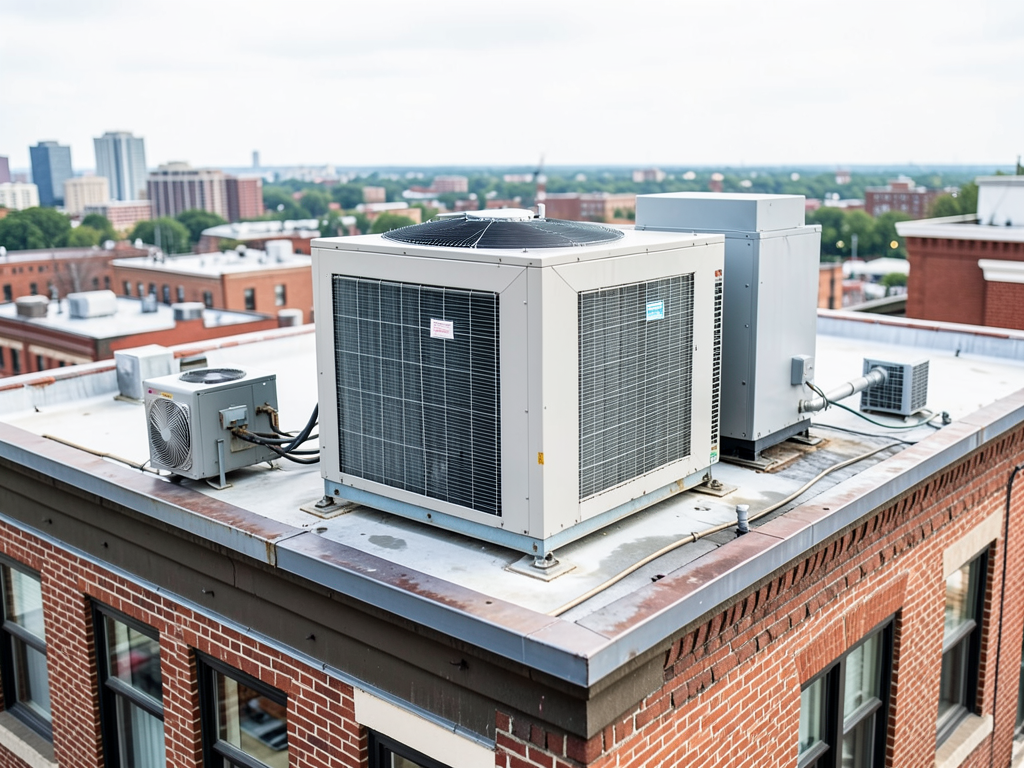
Commercial rooftop units feature multiple stages of cooling and often include economizers that bring in outside air when temperatures permit. During Philadelphia’s summer heat waves, these economizers shut down, forcing the system to rely entirely on mechanical cooling.
Walk-in coolers and freezers add another layer of complexity. These units generate significant heat through their condenser coils and require dedicated ventilation to prevent heat from radiating back into the kitchen.
Common HVAC Problems During Heat Waves
Philadelphia’s summer heat creates specific challenges for restaurant HVAC systems. Understanding these common failures helps you prepare and prevent costly downtime. EPA Section 608 Certification.
Condenser coil fouling becomes severe during summer months. Grease, dust, and pollen accumulate on outdoor coils, reducing heat rejection capacity by up to 30%. This forces compressors to work harder, increasing energy consumption and risk of failure.
Refrigerant leaks often occur during peak cooling season. The constant cycling and high pressures stress connections, causing leaks that reduce cooling capacity when you need it most. EPA regulations require immediate repair of leaks exceeding 50 pounds of refrigerant per year. Emergency AC Repair in Fishtown (Fast Service When the Heat Hits).
Thermostat calibration issues cause uneven cooling. Kitchen temperatures can vary by 15 degrees between the cooking line and dining areas. Poor zoning leads to overcooling some areas while others remain uncomfortably hot.
Airflow restrictions from dirty filters or blocked vents reduce system efficiency. In grease-heavy environments, filters may need weekly replacement rather than monthly.
Preventative Maintenance Strategies
Proactive maintenance prevents most heat-related HVAC failures. A comprehensive maintenance program includes specific tasks that address Philadelphia’s climate challenges.
- Monthly Coil Cleaning
Clean condenser and evaporator coils using degreaser formulated for commercial HVAC. Philadelphia’s humidity accelerates coil fouling.
- Refrigerant Level Testing
Check pressures and superheat/subcooling values. Low refrigerant reduces cooling capacity by up to 25%.
- Makeup Air Inspection
Verify MAU filters are clean and belts are properly tensioned. Negative pressure indicates MAU problems.
- Thermostat Calibration
Test temperature accuracy and verify zoning controls function properly.
- Electrical Connection Inspection
Check all terminals and contactors for signs of overheating or corrosion.
Quarterly professional maintenance should include combustion analysis for gas-fired equipment, duct leakage testing, and airflow balancing. Philadelphia’s building code requires commercial kitchens to maintain specific ventilation rates based on equipment type and cooking surface area.
Emergency Response Planning
Heat waves create sudden demand for emergency HVAC services. Philadelphia restaurants need plans to handle system failures during peak business hours.
Maintain relationships with multiple HVAC contractors who understand restaurant systems. Standard residential HVAC companies lack the specialized knowledge needed for commercial kitchen equipment. Best Rated HVAC Contractors in the Main Line Area.
Keep spare filters, belts, and basic tools on site. Simple tasks like changing a clogged filter can restore cooling temporarily while waiting for professional service.
Document your system specifications including model numbers, refrigerant type, and maintenance history. This information helps technicians diagnose problems quickly.
Consider temporary cooling solutions like portable air conditioners or fans for backup during major repairs. These units cannot replace your main system but can keep critical areas operational.
Energy Efficiency Improvements
Energy costs in Philadelphia continue rising, making efficiency improvements financially critical. Several strategies reduce HVAC energy consumption without sacrificing comfort.
Variable frequency drives on exhaust fans and makeup air units reduce energy consumption by matching airflow to actual cooking activity. These systems can cut fan energy use by 50% or more.
High-efficiency filters with proper MERV ratings balance air quality with system performance. Philadelphia’s pollen counts in summer can overwhelm standard filters.
Smart thermostats with kitchen-specific algorithms optimize cooling based on cooking schedules and occupancy patterns. These systems learn your operation patterns and adjust accordingly.
LED lighting reduces heat output, decreasing cooling load. Kitchen lighting generates significant heat that your HVAC system must remove.
Health Code Compliance and Air Quality
Philadelphia Department of Public Health regulations require specific temperature and air quality standards in commercial kitchens. Failure to maintain these standards can result in citations or closures.
Food preparation areas must maintain temperatures below 85 degrees Fahrenheit. Higher temperatures create food safety risks and violate health codes.
Ventilation systems must remove grease, smoke, and cooking odors effectively. Philadelphia’s building code requires specific capture velocities for different cooking equipment types.
Humidity control prevents mold growth and maintains comfortable working conditions. High humidity makes heat feel more oppressive and can damage kitchen equipment.
Carbon monoxide monitoring is required for gas-fired cooking equipment. Proper ventilation prevents dangerous gas buildup in kitchen areas.
Choosing the Right HVAC Contractor
Not all HVAC contractors understand restaurant systems. Philadelphia restaurant owners need specialists with specific commercial kitchen experience.
Look for contractors with EPA Section 608 certification for refrigerant handling. Commercial kitchen systems use large refrigerant charges requiring proper certification.
Verify experience with specific equipment brands used in your kitchen. Different manufacturers have unique service procedures and parts availability.
Check references from other Philadelphia restaurants, particularly those in similar building types or with comparable equipment.
Confirm 24/7 emergency availability. Kitchen HVAC failures require immediate response to prevent business interruption.
Request maintenance agreements that include priority service during heat waves. Standard service contracts may not guarantee emergency response times.
Cost Considerations and ROI
Restaurant HVAC investments require careful financial planning. Understanding costs and potential returns helps justify necessary expenditures.
| Service Category | Typical Cost Range | Frequency | ROI Benefit |
|---|---|---|---|
| Quarterly Maintenance | $300-$600 per visit | 4 times yearly | Prevents major failures |
| Coil Cleaning | $150-$300 | Monthly during summer | Improves efficiency 15-30% |
| Emergency Service Call | $200-$500 plus repairs | As needed | Minimizes downtime |
| System Replacement | $15,000-$50,000 | Every 15-20 years | Energy savings 20-40% |
Energy-efficient upgrades often pay for themselves within 2-3 years through reduced utility costs. Philadelphia’s PECO energy company offers rebates for high-efficiency commercial HVAC equipment.
Consider financing options for major upgrades. Many restaurants cannot afford large capital expenditures but can manage monthly payments through equipment financing. HVAC Financing & Rebates.
Local Climate Factors in East Passyunk
East Passyunk’s unique characteristics affect restaurant HVAC performance. The neighborhood’s dense urban environment creates specific challenges.
Urban heat island effect raises ambient temperatures by 5-10 degrees compared to suburban areas. Buildings absorb heat during the day and release it at night, preventing cooling.
Philadelphia’s high humidity, averaging 65-70% in summer, reduces the effectiveness of evaporative cooling and increases latent heat loads on air conditioning systems.
Older buildings along Passyunk Avenue often have limited roof space for equipment, forcing compact installations that restrict airflow and maintenance access.
Traffic and pedestrian activity generate additional heat and introduce more airborne contaminants that can foul HVAC components.
Technology and Smart Systems
Modern restaurant HVAC technology offers solutions for Philadelphia’s challenging climate. Smart systems provide better control and efficiency.
Building management systems integrate all HVAC components, allowing centralized control and monitoring. These systems can detect problems before they cause failures. The True Cost of Installing Central Air in an Older South Philly Rowhome.
Demand-controlled ventilation adjusts exhaust and makeup air based on actual cooking activity rather than fixed schedules. This reduces energy consumption during slow periods.
Remote monitoring allows contractors to diagnose problems without site visits, reducing response times and service costs.
Predictive maintenance uses sensor data to identify components likely to fail, allowing replacement before breakdowns occur.
Seasonal Preparation Tips
Preparing your restaurant HVAC system for summer heat prevents many common problems. A systematic approach ensures nothing gets overlooked.
- Clean all condenser coils thoroughly using appropriate degreasers
- Check and replace all air filters
- Test all safety controls and limit switches
- Verify refrigerant levels and pressures
- Inspect electrical connections for signs of overheating
- Test thermostat accuracy and calibration
- Check belt tension and condition on all belt-driven equipment
- Verify proper operation of economizer controls
- Clean and inspect all ductwork for leaks or damage
- Test all ventilation hoods for proper capture velocity
Schedule professional maintenance at least one month before summer heat arrives. This allows time to order parts and make repairs before peak demand.
Staff Training and Awareness
Your kitchen staff plays a crucial role in HVAC system maintenance. Training them to recognize problems helps prevent major failures.
Teach staff to report unusual noises, odors, or temperature changes immediately. Early detection often prevents minor issues from becoming major problems.
Show staff how to check and replace basic air filters. This simple task can prevent many airflow-related problems.
Train staff on proper equipment shutdown procedures during extended closures. This prevents damage from power surges or moisture buildup.
Establish clear communication channels for reporting HVAC issues. Create a simple form or app for staff to document problems with photos and details.
Future Trends and Innovations
Restaurant HVAC technology continues evolving to address energy efficiency and climate challenges. Several trends will impact Philadelphia restaurants in coming years.
Heat recovery systems capture waste heat from refrigeration and cooking equipment for water heating or space heating, reducing overall energy consumption.
Geothermal cooling systems use stable underground temperatures to supplement conventional air conditioning, particularly effective in Philadelphia’s climate.
Advanced filtration systems with UV sterilization improve air quality while reducing maintenance requirements in grease-heavy environments.
Integration with renewable energy systems allows restaurants to power HVAC equipment with solar or other renewable sources, reducing operating costs and environmental impact.
Artificial intelligence optimization learns cooking patterns and occupancy to optimize HVAC operation automatically, reducing energy consumption without sacrificing comfort.
Conclusion
Keeping your East Passyunk restaurant kitchen cool during Philadelphia’s summer heat requires specialized knowledge and proactive maintenance. The unique challenges of commercial kitchen HVAC systems demand attention to detail and understanding of local climate factors.
Don’t wait for system failure during a busy Saturday night service. Schedule professional maintenance now to ensure your kitchen remains comfortable and operational throughout the summer months. Your staff, your customers, and your bottom line will thank you.
Ready to prepare your restaurant for the summer heat? Call (215) 610-9099 today to schedule your comprehensive HVAC inspection. Our Philadelphia restaurant HVAC specialists understand the unique challenges of East Passyunk’s commercial kitchens and provide 24/7 emergency service when you need it most.
Frequently Asked Questions
How often should restaurant kitchen HVAC systems be serviced in Philadelphia?
Quarterly professional maintenance is minimum for Philadelphia restaurants, with monthly coil cleaning during summer months. High-volume kitchens may need monthly professional service to maintain efficiency and prevent failures.
What temperature should a commercial kitchen maintain for health code compliance?
Philadelphia health codes require food preparation areas to stay below 85 degrees Fahrenheit. Many restaurants target 75-80 degrees for optimal comfort and food safety. Temperatures above 90 degrees may trigger health inspections.
How much does emergency HVAC repair cost for restaurants in Philadelphia?
Emergency service calls typically cost $200-$500 plus parts and labor. After-hours calls on weekends or holidays may cost 1.5-2x standard rates. Complex commercial repairs can range from $1,000 to $5,000 depending on the issue.
Can I use residential HVAC contractors for my restaurant kitchen?
Residential contractors lack the specialized knowledge needed for commercial kitchen systems. Restaurant HVAC requires understanding of grease filtration, makeup air, health codes, and high-heat environments. Always use contractors with commercial kitchen experience.
What are signs my restaurant HVAC system needs immediate attention?
Warning signs include uneven cooling, unusual noises, frequent cycling, ice on coils, high humidity levels, or temperatures exceeding 85 degrees in kitchen areas. Any of these issues warrant immediate professional inspection to prevent system failure.
{
“@context”: “https://schema.org”,
“@type”: “BlogPosting”,
“headline”: “Keeping Your East Passyunk Restaurant Kitchen Cool During a Philadelphia Heatwave”,
“description”: “Expert tips for maintaining restaurant HVAC systems in East Passyunk during Philadelphia’s summer heat. Learn how to prevent kitchen breakdowns and keep your staff comfortable.”,
“wordCount”: 2191,
“datePublished”: “2026-05-25T07:09:00.000Z”,
“dateModified”: “2026-05-25T07:09:00.000Z”,
“inLanguage”: “en-US”,
“mainEntityOfPage”: {
“@type”: “WebPage”,
“@id”: “https://elitehvacphiladelphia.com”
},
“publisher”: {
“@type”: “LocalBusiness”,
“name”: “Elite HVAC Philadelphia”,
“url”: “https://elitehvacphiladelphia.com”
},
“author”: {
“@type”: “Organization”,
“name”: “Elite HVAC Philadelphia”,
“url”: “https://elitehvacphiladelphia.com”
},
“image”: {
“@type”: “ImageObject”,
“url”: “https://elitehvacphiladelphia.com/wp-content/uploads/2026/03/keeping-your-east-passyunk-restaurant-kitchen-cool-1.png”
}
}
{
“@context”: “https://schema.org”,
“@type”: “HVACBusiness”,
“name”: “Elite HVAC Philadelphia”,
“url”: “https://elitehvacphiladelphia.com”,
“address”: {
“@type”: “PostalAddress”,
“addressLocality”: “Philadelphia”
},
“areaServed”: {
“@type”: “City”,
“name”: “Philadelphia”
}
}
{
“@context”: “https://schema.org”,
“@type”: “FAQPage”,
“mainEntity”: [
{
“@type”: “Question”,
“name”: “How often should restaurant kitchen HVAC systems be serviced in Philadelphia?”,
“acceptedAnswer”: {
“@type”: “Answer”,
“text”: “Quarterly professional maintenance is minimum for Philadelphia restaurants, with monthly coil cleaning during summer months. High-volume kitchens may need monthly professional service to maintain efficiency and prevent failures.”
}
},
{
“@type”: “Question”,
“name”: “What temperature should a commercial kitchen maintain for health code compliance?”,
“acceptedAnswer”: {
“@type”: “Answer”,
“text”: “Philadelphia health codes require food preparation areas to stay below 85 degrees Fahrenheit. Many restaurants target 75-80 degrees for optimal comfort and food safety. Temperatures above 90 degrees may trigger health inspections.”
}
},
{
“@type”: “Question”,
“name”: “How much does emergency HVAC repair cost for restaurants in Philadelphia?”,
“acceptedAnswer”: {
“@type”: “Answer”,
“text”: “Emergency service calls typically cost $200-$500 plus parts and labor. After-hours calls on weekends or holidays may cost 1.5-2x standard rates. Complex commercial repairs can range from $1,000 to $5,000 depending on the issue.”
}
},
{
“@type”: “Question”,
“name”: “Can I use residential HVAC contractors for my restaurant kitchen?”,
“acceptedAnswer”: {
“@type”: “Answer”,
“text”: “Residential contractors lack the specialized knowledge needed for commercial kitchen systems. Restaurant HVAC requires understanding of grease filtration, makeup air, health codes, and high-heat environments. Always use contractors with commercial kitchen experience.”
}
},
{
“@type”: “Question”,
“name”: “What are signs my restaurant HVAC system needs immediate attention?”,
“acceptedAnswer”: {
“@type”: “Answer”,
“text”: “Warning signs include uneven cooling, unusual noises, frequent cycling, ice on coils, high humidity levels, or temperatures exceeding 85 degrees in kitchen areas. Any of these issues warrant immediate professional inspection to prevent system failure.”
}
}
]
}
{
“@context”: “https://schema.org”,
“@type”: “HowTo”,
“name”: “Restaurant HVAC Maintenance Checklist”,
“step”: [
{
“@type”: “HowToStep”,
“position”: 1,
“name”: “Monthly Coil Cleaning”,
“text”: “Clean condenser and evaporator coils using degreaser formulated for commercial HVAC. Philadelphia’s humidity accelerates coil fouling.”
},
{
“@type”: “HowToStep”,
“position”: 2,
“name”: “Refrigerant Level Testing”,
“text”: “Check pressures and superheat/subcooling values. Low refrigerant reduces cooling capacity by up to 25%.”
},
{
“@type”: “HowToStep”,
“position”: 3,
“name”: “Makeup Air Inspection”,
“text”: “Verify MAU filters are clean and belts are properly tensioned. Negative pressure indicates MAU problems.”
},
{
“@type”: “HowToStep”,
“position”: 4,
“name”: “Thermostat Calibration”,
“text”: “Test temperature accuracy and verify zoning controls function properly.”
},
{
“@type”: “HowToStep”,
“position”: 5,
“name”: “Electrical Connection Inspection”,
“text”: “Check all terminals and contactors for signs of overheating or corrosion.”
}
],
“image”: “https://elitehvacphiladelphia.com/wp-content/uploads/2026/03/keeping-your-east-passyunk-restaurant-kitchen-cool-1.png”
}
{
“@context”: “https://schema.org”,
“@type”: “BreadcrumbList”,
“itemListElement”: [
{
“@type”: “ListItem”,
“position”: 1,
“name”: “Home”,
“item”: “https://elitehvacphiladelphia.com”
},
{
“@type”: “ListItem”,
“position”: 2,
“name”: “Blog”,
“item”: “https://elitehvacphiladelphia.com/blog”
},
{
“@type”: “ListItem”,
“position”: 3,
“name”: “Keeping Your East Passyunk Restaurant Kitchen Cool During a Philadelphia Heatwave”
}
]
}
{
“@context”: “https://schema.org”,
“@type”: “Service”,
“serviceType”: “HVAC”,
“provider”: {
“@type”: “LocalBusiness”,
“name”: “Elite HVAC Philadelphia”,
“url”: “https://elitehvacphiladelphia.com”
},
“areaServed”: {
“@type”: “City”,
“name”: “Philadelphia”
},
“description”: “Expert tips for maintaining restaurant HVAC systems in East Passyunk during Philadelphia’s summer heat. Learn how to prevent kitchen breakdowns and keep your staff comfortable.”
}