
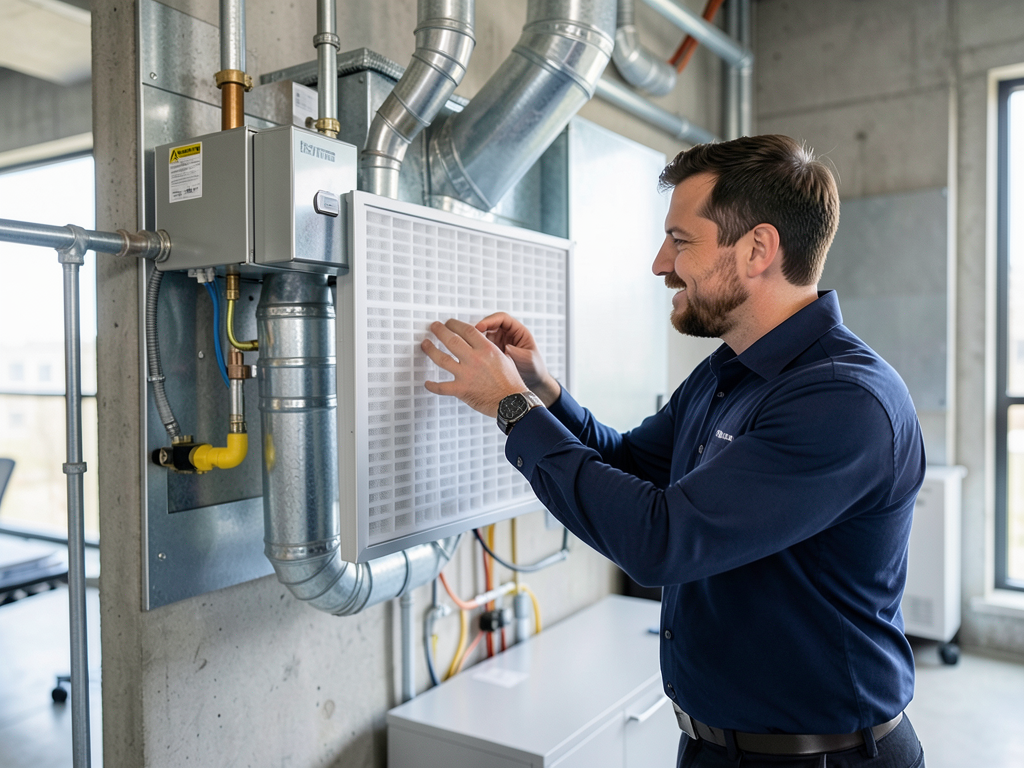
Improving Air Quality in Your Callowhill Loft Office for Better Focus
Your Callowhill loft office deserves air that keeps you sharp. Poor indoor air quality causes fatigue, headaches, and that foggy feeling that kills productivity. The good news? Simple HVAC solutions can transform your workspace into a clean-air haven.
Why Callowhill Loft Offices Face Unique Air Quality Challenges
Converted industrial spaces in the Loft District often have high ceilings, large windows, and open floor plans. While these features create great aesthetics, they also present air quality challenges. Older buildings may have inadequate ventilation systems, and the urban location exposes you to higher levels of outdoor pollutants.. Read more about Creative Ways to Hide HVAC Ductwork in a High Ceiling South Kensington Loft.
Philadelphia’s humid summers and cold winters create additional stress on your HVAC system. When your system struggles to maintain proper humidity levels, you get condensation on windows and walls. This moisture becomes a breeding ground for mold and dust mites. HVAC Philadelphia.
Common Indoor Air Pollutants Affecting Your Work Focus
Many loft office workers don’t realize what’s floating in their air. Volatile Organic Compounds (VOCs) off-gas from office furniture, carpets, and even your printer. Carbon dioxide builds up in small, poorly ventilated spaces. Fine particulate matter from city traffic seeps through windows and doors.
The EPA recommends maintaining indoor CO2 levels below 1,000 ppm for optimal cognitive function. Many home offices exceed 2,000 ppm by afternoon, causing drowsiness and reduced decision-making ability. EPA Indoor Air Quality.
Philadelphia’s Climate Impact on Indoor Air Quality
Philadelphia’s humid continental climate creates specific air quality challenges. Summer humidity often exceeds 80%, while winter heating dries indoor air to uncomfortable levels. This constant fluctuation stresses your HVAC system and affects air quality.
The Delaware Valley experiences higher-than-average pollen counts, especially in spring and fall. Ragweed, oak, and maple pollen can trigger allergies that reduce your work effectiveness. Local HVAC systems need to handle these seasonal variations.
Essential HVAC Solutions for Better Air Quality
Improving your loft office air quality starts with understanding your current system. Most converted lofts use either window units, portable heaters, or modified central systems. Each has different air quality implications. The True Cost of Installing Central Air in an Older South Philly Rowhome.
Window units often lack proper filtration and can introduce outdoor pollutants. Portable heaters create dry air that irritates your respiratory system. Modified central systems may have ductwork issues that spread contaminants throughout your space.
HEPA and MERV 13 Filtration: What Works Best
Not all air filters are created equal. Standard HVAC filters capture only large particles. For true air quality improvement, you need MERV 13 filters or better. These capture 90% of particles between 1-3 microns, including most allergens and some bacteria.
HEPA filters go even further, capturing 99.97% of particles 0.3 microns or larger. However, they require specific HVAC systems designed for their higher resistance. Using a HEPA filter in an incompatible system reduces airflow and can damage your equipment. Weak Airflow from Vents.
Humidity Control: The Overlooked Productivity Factor
Proper humidity levels between 30-50% keep you comfortable and productive. Low humidity causes dry eyes, throat irritation, and static electricity. High humidity promotes mold growth and makes you feel sluggish.
Philadelphia’s climate makes humidity control challenging. Your HVAC system needs both humidification for winter and dehumidification for summer. Many loft offices lack this capability, leading to year-round air quality issues.
UV Germicidal Lights: Fighting Airborne Pathogens
UV germicidal lights installed in your HVAC system kill bacteria, viruses, and mold spores as air passes through. This technology is particularly valuable in shared loft spaces where multiple people circulate air.
The lights work continuously, providing 24/7 protection against biological contaminants. They’re especially effective in Philadelphia’s humid climate where mold growth is common in ductwork and on cooling coils.
Energy Recovery Ventilators: Fresh Air Without Energy Loss
Older loft buildings often lack proper ventilation. Opening windows brings in outdoor pollutants and wastes energy. Energy Recovery Ventilators (ERVs) solve this by bringing in fresh air while transferring heat and moisture between incoming and outgoing air streams.
ERVs maintain your indoor temperature while providing the fresh air exchange needed for good air quality. They’re particularly valuable in Philadelphia’s extreme seasons when opening windows would be uncomfortable or inefficient.
DIY Air Quality Improvements You Can Start Today
You don’t need to wait for professional installation to improve your air quality. Several simple steps can make an immediate difference in your loft office.
Start by replacing your HVAC filters with MERV 13-rated options. Clean or replace them every 60-90 days, or more often if you have pets or allergies. Keep your windows closed during high pollen days and rush hour traffic. Best Rated HVAC Contractors in the Main Line Area.
Consider adding portable air purifiers with HEPA filters for your immediate workspace. These can reduce particle concentration by 50-80% in a 200-square-foot area. Look for units with activated carbon filters to address VOCs from office equipment.. Read more about Comparing the Top Three Air Purifiers for Clearing Cooking Smells in Your Center City Loft.
Professional Air Quality Testing: When to Call the Experts
Some air quality issues require professional diagnosis. If you experience persistent headaches, fatigue, or allergy symptoms at home but not elsewhere, you may have hidden air quality problems.
Professional testing measures specific pollutants like formaldehyde, radon, and carbon monoxide. It also identifies moisture problems that could lead to mold growth. In Philadelphia’s older buildings, these tests often reveal issues that DIY solutions can’t address.
Cost-Effective Air Quality Solutions for Loft Offices
Improving air quality doesn’t have to break your budget. Many effective solutions cost less than $500 and provide immediate benefits. The key is choosing solutions that address your specific problems rather than buying random products.
Start with air quality monitoring to understand your actual issues. Many affordable monitors track CO2, VOCs, humidity, and particulate matter. This data helps you target your investments where they’ll have the most impact.
Seasonal Air Quality Maintenance Schedule
Philadelphia’s changing seasons require different air quality strategies. Spring brings high pollen counts that require extra filtration. Summer humidity demands dehumidification. Fall leaves create mold spores. Winter heating dries indoor air.
Create a maintenance schedule that addresses these seasonal changes. Clean your HVAC system before summer cooling season. Check humidity levels monthly. Replace filters more frequently during high-use periods.
The Connection Between Air Quality and Work Productivity
Studies show that improved air quality can increase productivity by 8-11%. Workers in well-ventilated spaces with proper filtration make fewer errors and complete tasks faster. The cognitive benefits of clean air are measurable and significant.
For Callowhill loft workers, this translates to better focus during those critical afternoon hours when air quality typically degrades. The right HVAC solutions can maintain consistent air quality throughout your workday.
Choosing the Right HVAC Contractor in Philadelphia
Not all HVAC contractors understand the unique needs of loft office spaces. You need someone familiar with Philadelphia’s climate, building codes, and the specific challenges of converted industrial spaces.
Look for contractors with experience in indoor air quality solutions. They should understand MERV ratings, humidity control, and ventilation requirements for home offices. Ask about their experience with similar loft conversions in the Callowhill area.
Local Building Codes and Air Quality Requirements
Philadelphia’s building codes include specific requirements for ventilation in commercial and residential spaces. The Philadelphia Department of Licenses and Inspections mandates minimum ventilation rates based on space usage and occupancy.
For home offices, this often means upgrading from basic residential ventilation to systems that provide adequate fresh air exchange. Understanding these requirements helps you make informed decisions about system upgrades.
Long-Term Benefits of Investing in Air Quality
Better air quality pays dividends beyond just feeling better. It reduces sick days, improves sleep quality, and protects your valuable office equipment from dust and humidity damage. The investment often pays for itself through increased productivity and reduced health issues.
For Callowhill loft owners, good air quality also increases property value. Buyers and renters increasingly prioritize indoor air quality, especially in urban environments where outdoor air can be polluted.
Emergency Air Quality Issues: When to Act Fast
Some air quality problems require immediate attention. Carbon monoxide leaks, severe mold growth, or malfunctioning HVAC systems can create dangerous conditions. Know the warning signs and have emergency contacts ready. Emergency AC Repair in Fishtown (Fast Service When the Heat Hits).
Install carbon monoxide detectors near your workspace. If you notice unusual odors, visible mold, or experience sudden health symptoms, evacuate the space and call for professional help immediately.
Future-Proofing Your Loft Office Air Quality
As building standards evolve and awareness of indoor air quality grows, your loft office needs to keep pace. Consider installing smart air quality monitors that track conditions and alert you to problems before they affect your health.
Plan for future upgrades as your needs change. What works for a solo worker might need modification as your business grows or you add employees to your loft space.
Local Resources for Air Quality Information
Several Philadelphia-area organizations provide air quality data and resources. The Delaware Valley Regional Planning Commission monitors regional air quality. The Philadelphia Department of Public Health provides local air quality alerts and health recommendations.
Stay informed about local air quality issues, especially during wildfire season or high pollution days. This information helps you make smart decisions about when to use additional filtration or ventilation.
Taking the First Step Toward Better Air Quality
Improving your Callowhill loft office air quality starts with a simple assessment. Identify your specific problems, set clear goals, and create a plan that fits your budget and timeline. Small improvements often lead to significant benefits.
Don’t let poor air quality limit your productivity and well-being. With the right approach, you can create a workspace that supports your health, focus, and professional success.
Frequently Asked Questions
How often should I replace my HVAC filters in a loft office?
Replace MERV 13 filters every 60-90 days, or more frequently if you have pets, allergies, or notice reduced airflow. During high pollen seasons in Philadelphia, monthly replacement may be beneficial.
Can poor air quality really affect my work performance?
Yes. Studies show that CO2 levels above 1,000 ppm reduce cognitive function by up to 15%. Poor air quality causes fatigue, headaches, and difficulty concentrating, directly impacting your productivity and decision-making ability.
What’s the best humidity level for a home office in Philadelphia?
Maintain humidity between 30-50%. Philadelphia’s climate makes this challenging, requiring both humidification in winter and dehumidification in summer. Consistent humidity prevents mold growth and keeps you comfortable while working.
Are portable air purifiers effective for loft offices?
Portable HEPA air purifiers can reduce particle concentration by 50-80% in a 200-square-foot area. They’re effective for immediate workspaces but may not address whole-space air quality issues in larger lofts.
Ready to Breathe Easier in Your Callowhill Loft Office?
Don’t let poor air quality hold back your productivity and well-being. The team at Elite HVAC Philadelphia understands the unique challenges of Callowhill loft offices and can recommend solutions tailored to your specific space and needs.
Call (215) 610-9099 today to schedule your loft office air quality assessment. We’ll help you identify problems and create a plan to transform your workspace into a clean-air haven that supports your best work.
Pick up the phone and call (215) 610-9099 before the next season hits. Your focus and productivity are worth it. For more information, visit CDC Indoor Air Quality Guidelines.
{
“@context”: “https://schema.org”,
“@type”: “BlogPosting”,
“headline”: “Improving Air Quality in Your Callowhill Loft Office for Better Focus”,
“description”: “Boost your Callowhill loft office productivity with expert HVAC tips for cleaner air. Learn about HEPA filters, humidity control, and local air quality solutions.”,
“wordCount”: 1876,
“datePublished”: “2026-05-30T07:15:00.000Z”,
“dateModified”: “2026-05-30T07:15:00.000Z”,
“inLanguage”: “en-US”,
“mainEntityOfPage”: {
“@type”: “WebPage”,
“@id”: “https://elitehvacphiladelphia.com”
},
“publisher”: {
“@type”: “LocalBusiness”,
“name”: “Elite HVAC Philadelphia”,
“url”: “https://elitehvacphiladelphia.com”
},
“author”: {
“@type”: “Organization”,
“name”: “Elite HVAC Philadelphia”,
“url”: “https://elitehvacphiladelphia.com”
},
“image”: {
“@type”: “ImageObject”,
“url”: “https://elitehvacphiladelphia.com/wp-content/uploads/2026/03/improving-air-quality-in-your-callowhill-loft-offi-1.png”
}
}
{
“@context”: “https://schema.org”,
“@type”: “HVACBusiness”,
“name”: “Elite HVAC Philadelphia”,
“url”: “https://elitehvacphiladelphia.com”,
“address”: {
“@type”: “PostalAddress”,
“addressLocality”: “Philadelphia”
},
“areaServed”: {
“@type”: “City”,
“name”: “Philadelphia”
}
}
{
“@context”: “https://schema.org”,
“@type”: “FAQPage”,
“mainEntity”: [
{
“@type”: “Question”,
“name”: “How often should I replace my HVAC filters in a loft office?”,
“acceptedAnswer”: {
“@type”: “Answer”,
“text”: “Replace MERV 13 filters every 60-90 days, or more frequently if you have pets, allergies, or notice reduced airflow. During high pollen seasons in Philadelphia, monthly replacement may be beneficial.”
}
},
{
“@type”: “Question”,
“name”: “Can poor air quality really affect my work performance?”,
“acceptedAnswer”: {
“@type”: “Answer”,
“text”: “Yes. Studies show that CO2 levels above 1,000 ppm reduce cognitive function by up to 15%. Poor air quality causes fatigue, headaches, and difficulty concentrating, directly impacting your productivity and decision-making ability.”
}
},
{
“@type”: “Question”,
“name”: “What’s the best humidity level for a home office in Philadelphia?”,
“acceptedAnswer”: {
“@type”: “Answer”,
“text”: “Maintain humidity between 30-50%. Philadelphia’s climate makes this challenging, requiring both humidification in winter and dehumidification in summer. Consistent humidity prevents mold growth and keeps you comfortable while working.”
}
},
{
“@type”: “Question”,
“name”: “Are portable air purifiers effective for loft offices?”,
“acceptedAnswer”: {
“@type”: “Answer”,
“text”: “Portable HEPA air purifiers can reduce particle concentration by 50-80% in a 200-square-foot area. They’re effective for immediate workspaces but may not address whole-space air quality issues in larger lofts.”
}
},
{
“@type”: “Question”,
“name”: “Ready to Breathe Easier in Your Callowhill Loft Office?”,
“acceptedAnswer”: {
“@type”: “Answer”,
“text”: “Don’t let poor air quality hold back your productivity and well-being. The team at Elite HVAC Philadelphia understands the unique challenges of Callowhill loft offices and can recommend solutions tailored to your specific space and needs.”
}
}
]
}
{
“@context”: “https://schema.org”,
“@type”: “BreadcrumbList”,
“itemListElement”: [
{
“@type”: “ListItem”,
“position”: 1,
“name”: “Home”,
“item”: “https://elitehvacphiladelphia.com”
},
{
“@type”: “ListItem”,
“position”: 2,
“name”: “Blog”,
“item”: “https://elitehvacphiladelphia.com/blog”
},
{
“@type”: “ListItem”,
“position”: 3,
“name”: “Improving Air Quality in Your Callowhill Loft Office for Better Focus”
}
]
}
{
“@context”: “https://schema.org”,
“@type”: “Service”,
“serviceType”: “HVAC”,
“provider”: {
“@type”: “LocalBusiness”,
“name”: “Elite HVAC Philadelphia”,
“url”: “https://elitehvacphiladelphia.com”
},
“areaServed”: {
“@type”: “City”,
“name”: “Philadelphia”
},
“description”: “Boost your Callowhill loft office productivity with expert HVAC tips for cleaner air. Learn about HEPA filters, humidity control, and local air quality solutions.”
}