
What to Look for in a Commercial HVAC Service Agreement for Your Manayunk Business
Your Manayunk business depends on reliable heating and cooling. A commercial HVAC service agreement keeps your system running efficiently and prevents costly breakdowns. The right agreement protects your investment and ensures comfort for employees and customers. Finding a Reliable AC Repair Service in Center City Philadelphia That Actually Shows Up.
A service agreement is more than just a maintenance contract. It is a partnership that helps you avoid emergency repairs, reduce energy costs, and extend equipment life. For businesses in Manayunk, where historic buildings meet modern commercial spaces, having a tailored agreement is essential. Energy benchmarking requirements.
Philadelphia experiences hot humid summers and cold damp winters. Your HVAC system works harder here than in many other regions. Without regular maintenance, small issues become major problems. A service agreement provides scheduled inspections, priority service, and peace of mind. Philadelphia Department of Licenses and Inspections.
When evaluating service agreements, look for comprehensive coverage, clear response times, and local expertise. Your agreement should address the specific needs of your building type, whether it is a converted mill building on Main Street or a newer retail space near Venice Island. Expert Boiler Repair and Maintenance for Historic Homes in Chestnut Hill and Mt Airy.
Key Components of a Commercial HVAC Service Agreement
A strong service agreement covers all aspects of your HVAC system. The best agreements include preventative maintenance, priority emergency service, and detailed reporting. Here are the essential elements to look for. Emergency AC Repair in Fishtown (Fast Service When the Heat Hits).
Preventative Maintenance Schedule
Regular maintenance prevents breakdowns and keeps your system efficient. Look for agreements that include quarterly or semi-annual visits. During these visits, technicians should inspect, clean, and adjust all major components. Weak Airflow from Vents.
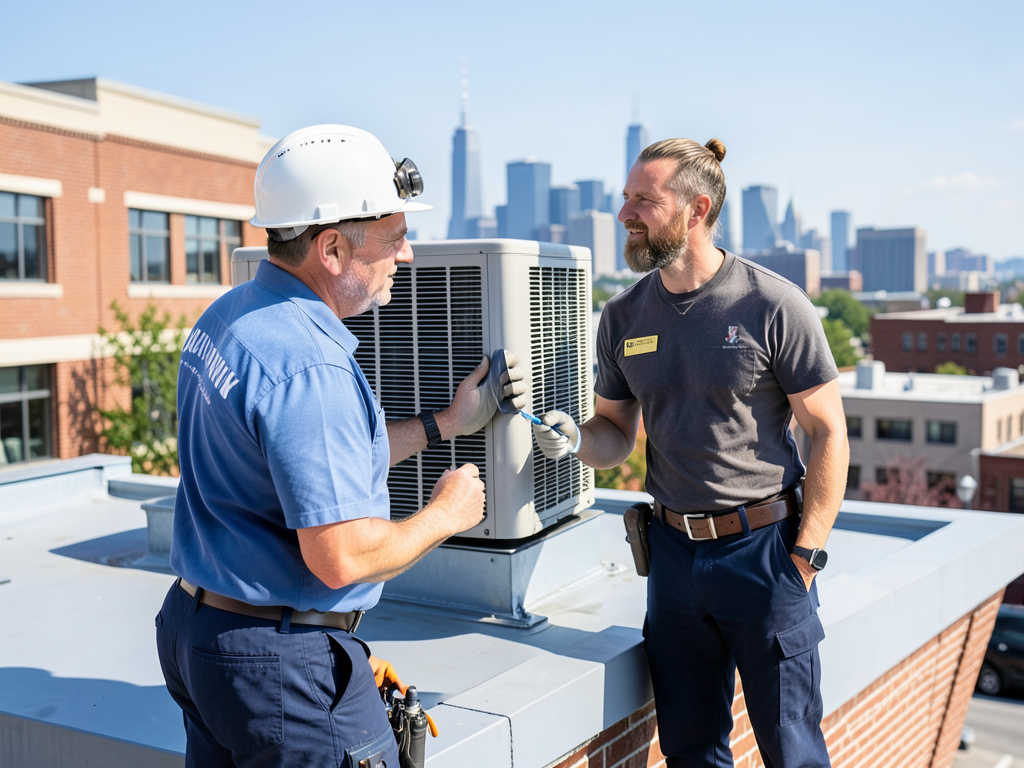
Maintenance should include filter replacement, coil cleaning, belt tension checks, and electrical connection tightening. For rooftop units common in Manayunk commercial buildings, technicians should inspect the roof curb, check for water damage, and ensure proper drainage.
The agreement should specify exactly what tasks are performed during each visit. This transparency helps you understand the value you receive and ensures nothing gets overlooked.
Emergency Response Times
When your HVAC system fails, every minute counts. A good service agreement guarantees response times for emergencies. Look for agreements that promise 24/7 availability and specific response windows.
For critical applications like restaurants or medical offices, you may need response times under four hours. The agreement should clearly state what constitutes an emergency and how quickly help will arrive.
Priority service means contract customers get moved to the front of the line during busy periods. This can be crucial during Philadelphia heat waves or cold snaps when HVAC companies are overwhelmed with calls.
Philadelphia Building Code Compliance
Philadelphia has specific requirements for commercial HVAC systems. Your service agreement should ensure your system meets all local codes and standards. This includes proper permitting for any repairs or modifications.
The Philadelphia Department of Licenses and Inspections requires regular inspections for many commercial buildings. A good service agreement helps you stay compliant by documenting all maintenance and repairs.
Energy efficiency is another key consideration. Philadelphia has energy benchmarking requirements for large commercial buildings. Your service agreement should include efficiency testing and recommendations to help you meet these standards.
Coverage for Common Manayunk Building Types
Manayunk features a mix of historic and modern commercial buildings. Your service agreement should address the specific challenges of your building type. Historic buildings may have steam or hot water systems that require specialized knowledge.
Modern commercial spaces often use rooftop units or VRF systems. These require different maintenance approaches than traditional split systems. The agreement should specify which equipment types are covered and any limitations.
For mixed-use buildings, the agreement should address both commercial and residential HVAC needs if applicable. This is common in Manayunk where retail spaces occupy the first floor with apartments above.
Comparing Service Agreement Tiers
Most HVAC companies offer different service agreement levels. Understanding the differences helps you choose the right coverage for your business needs and budget.
| Service Level | Basic Plan | Premium Plan | Platinum Plan |
|---|---|---|---|
| Maintenance Visits | 2 per year | 4 per year | 6 per year |
| Emergency Response | 24 hours | 4 hours | 2 hours |
| Parts Discount | 10% | 15% | 20% |
| Priority Scheduling | Standard | High | Immediate |
| IAQ Testing | No | Yes | Yes |
| Energy Audit | No | No | Yes |
Basic Service Agreement
A basic agreement provides essential coverage at an affordable price. It typically includes two maintenance visits per year and 24-hour emergency response. This level works well for small businesses with newer equipment and limited budgets.
The basic plan covers standard maintenance tasks and provides a discount on repairs. However, it may not include priority service during peak seasons or advanced diagnostics.
Premium Service Agreement
The premium tier offers more comprehensive coverage. With four maintenance visits annually, your system gets checked more frequently. This helps catch small issues before they become major problems.
Premium agreements include faster emergency response, typically within four hours. You also get higher parts discounts and priority scheduling. Many premium plans include indoor air quality testing and basic efficiency analysis.
Platinum Service Agreement
The highest tier provides maximum protection and convenience. Six annual maintenance visits ensure your system stays in peak condition year-round. Emergency response is typically within two hours.
Platinum agreements often include comprehensive energy audits, detailed reporting, and the highest parts discounts. Some even cover refrigerant costs for certain systems. This level is ideal for businesses where HVAC downtime would be extremely costly.
Special Considerations for Manayunk Businesses
Manayunk presents unique challenges for commercial HVAC systems. The neighborhood’s historic character, industrial past, and modern developments require specialized knowledge and approaches.
Historic Building Challenges
Many Manayunk commercial buildings date back to the 19th century. These structures often have steam heating systems, limited ductwork, and outdated electrical service. A good service agreement should address these challenges.
Historic buildings may require specialized maintenance techniques to preserve their character while ensuring modern comfort. This includes careful handling of asbestos insulation, lead paint, and other hazardous materials common in older buildings.
The agreement should specify how the company handles historic preservation requirements and any necessary coordination with preservation boards or historical commissions.
Industrial Building Retrofits
Manayunk’s industrial heritage means many commercial spaces were once mills or factories. These buildings often have high ceilings, large open spaces, and unique HVAC challenges. Your service agreement should address these specific needs.
Industrial buildings may have rooftop units that are difficult to access or maintain. The agreement should specify how technicians handle these challenges, including any additional equipment or safety measures needed.
Humidity control is often critical in converted industrial spaces. The agreement should address how it handles moisture issues common in older masonry buildings.
Modern Commercial Spaces
Newer developments in Manayunk have different HVAC requirements. These buildings often use high-efficiency systems, VRF technology, or complex zoning controls. Your service agreement should demonstrate expertise with these modern systems.
Modern buildings may have integrated building management systems. The agreement should specify how it handles system integration and any software or control interface issues. Best Rated HVAC Contractors in the Main Line Area.
Energy efficiency is often a priority in newer buildings. The agreement should include efficiency monitoring and optimization as part of its service.
Cost-Benefit Analysis of Service Agreements
Understanding the financial impact of a service agreement helps you make an informed decision. While there is an upfront cost, the long-term savings and benefits often outweigh the investment.
Preventative Maintenance Savings
Regular maintenance prevents costly breakdowns. A well-maintained system experiences fewer failures and operates more efficiently. This translates to lower repair costs and reduced energy bills.
Studies show that preventative maintenance can reduce HVAC repair costs by up to 40% over the system’s lifetime. Energy savings from efficient operation can range from 15% to 30% annually.
The cost of a service agreement is typically much lower than the cost of major repairs or system replacement. For example, a $500 annual agreement might prevent a $5,000 compressor failure.
Emergency Repair Costs
Emergency HVAC repairs are significantly more expensive than scheduled maintenance. Emergency service calls often include premium rates, overtime charges, and expedited shipping for parts.
Without a service agreement, you may pay 50% to 100% more for emergency repairs. During extreme weather events, prices can be even higher due to increased demand.
A service agreement eliminates these premium charges for covered repairs. This alone can justify the annual cost for many businesses.
System Longevity Benefits
Regular maintenance extends the life of your HVAC equipment. A system that might last 12 years without maintenance could last 15 to 20 years with proper care.
Extending equipment life delays the need for expensive replacements. For a commercial system costing $20,000 or more, each additional year of operation represents significant savings.
Well-maintained systems also maintain their efficiency better over time. This means lower operating costs throughout the system’s life.
Questions to Ask Before Signing
Not all service agreements are created equal. Asking the right questions helps you understand exactly what you are getting and ensures the agreement meets your needs.
Technician Qualifications
Who will be working on your system? Ask about technician certifications, experience levels, and ongoing training. Look for NATE certification and EPA 608 certification for refrigerant handling.
Local experience is also important. Technicians familiar with Manayunk’s building types and climate challenges can provide better service than those unfamiliar with the area.
Ask about the company’s technician turnover rate. High turnover may indicate problems with training or company culture that could affect service quality.
Parts and Equipment Coverage
What exactly is covered under the agreement? Some agreements cover only labor, while others include parts or even complete component replacement. Understanding the coverage limits is crucial.
Ask about brand coverage. If you have a specific brand of equipment, ensure the agreement covers it. Some agreements exclude certain brands or charge extra for coverage.
Understand what happens if your system needs major repairs or replacement. Some agreements include coverage for major components, while others do not.
Contract Terms and Cancellation
Read the fine print carefully. Understand the contract length, payment terms, and cancellation policies. Some agreements require multi-year commitments or have cancellation fees.
Ask about automatic renewal clauses. Some agreements renew automatically unless you cancel by a specific deadline. This can lock you into unwanted coverage.
Understand how rate increases are handled. Some agreements allow for annual rate increases, while others lock in your rate for the contract term.
Seasonal Considerations for Manayunk
Philadelphia’s climate creates seasonal challenges for HVAC systems. Your service agreement should address these seasonal needs to keep your business comfortable year-round.
Spring and Summer Preparation
Spring maintenance prepares your air conditioning system for summer’s demands. This includes cleaning condenser coils, checking refrigerant levels, and testing cooling performance.
Philadelphia summers are humid, which puts extra strain on cooling systems. Your agreement should include humidity control checks and condensate drain line cleaning.
Summer is also when cooling emergencies are most common. Ensure your agreement provides adequate summer coverage and priority service during heat waves.
Fall and Winter Preparation
Fall maintenance prepares your heating system for winter’s demands. This includes cleaning burners, checking heat exchangers, and testing safety controls.
Philadelphia winters can be harsh, with freezing temperatures and nor’easter storms. Your agreement should ensure your heating system is ready for extended operation.
Winter is when heating emergencies are most critical. Ensure your agreement provides reliable winter coverage and understands the urgency of heat failures during cold weather.
Shoulder Season Transitions
Spring and fall transitions can be challenging for HVAC systems. Your agreement should address these shoulder seasons when both heating and cooling may be needed.
Temperature swings during these seasons can cause systems to cycle frequently. This puts extra wear on components. Your agreement should include checks for these transition period issues.
Many businesses in Manayunk have events or activities that depend on reliable HVAC during shoulder seasons. Ensure your agreement provides consistent coverage during these critical times.
Indoor Air Quality Considerations
Indoor air quality is increasingly important for commercial spaces. Your service agreement should address IAQ concerns specific to your business type and building.
IAQ Testing and Monitoring
Good service agreements include indoor air quality testing as part of their service. This may include carbon dioxide monitoring, particulate matter testing, and humidity level checks.
Philadelphia’s urban environment creates specific IAQ challenges. Your agreement should address how it handles urban pollutants, pollen, and other local air quality issues.
For businesses in older buildings, the agreement should address potential issues like mold, asbestos, or lead dust that may affect air quality.
Ventilation System Maintenance
Proper ventilation is crucial for indoor air quality. Your agreement should include regular inspection and cleaning of ventilation systems, including ductwork, exhaust fans, and fresh air intakes.
Philadelphia’s building codes have specific ventilation requirements for different commercial uses. Your agreement should ensure your system meets these requirements.
For businesses with specialized ventilation needs (like restaurants or labs), the agreement should address these specific requirements.
Filtration and Air Cleaning
High-quality filtration is essential for good indoor air quality. Your agreement should specify what types of filters are used and how often they are replaced.
Philadelphia’s pollen seasons can be severe. Your agreement should address how it handles seasonal filtration needs and whether it offers upgraded filtration options.
For businesses concerned about viruses or bacteria, the agreement should address UV light systems, electronic air cleaners, or other advanced air cleaning technologies.
Energy Efficiency and Cost Savings
A good service agreement should help you reduce energy costs while maintaining comfort. Energy efficiency is not just good for your budget; it is also increasingly important for regulatory compliance.
Efficiency Testing and Optimization
Your agreement should include regular efficiency testing of your HVAC system. This may include checking SEER ratings, measuring airflow, and testing combustion efficiency for heating systems.
Philadelphia has energy benchmarking requirements for many commercial buildings. Your agreement should help you meet these requirements by providing efficiency data and recommendations.
The agreement should include recommendations for efficiency improvements. This might include upgrading to high-efficiency equipment, improving insulation, or optimizing control systems.
Smart Controls and Automation
Modern HVAC systems often include smart controls that can optimize energy use. Your agreement should address how it handles these advanced control systems.
For businesses with programmable thermostats or building management systems, the agreement should include optimization of these controls as part of its service.
The agreement should also address how it handles software updates, control system troubleshooting, and integration with other building systems.
PECO Rebates and Incentives
PECO offers various rebates and incentives for energy-efficient HVAC improvements. A good service agreement should help you take advantage of these programs.
The agreement should include information about available rebates and how to qualify. Some agreements may even handle the rebate application process for you.
For businesses planning major upgrades, the agreement should include energy modeling to help you understand potential savings and payback periods.
Making the Right Choice for Your Business
Choosing the right service agreement requires understanding your business needs, budget, and risk tolerance. Consider these factors when making your decision.
Business Type and Usage
Your business type affects your HVAC needs. A restaurant has different requirements than a retail store or office. Consider your operating hours, occupancy levels, and specific comfort needs.
Businesses that are open late or 24/7 may need different coverage than those with standard business hours. Your agreement should match your operating schedule.
Consider any specialized HVAC needs your business may have. Restaurants need ventilation for cooking equipment. Medical offices may need precise temperature and humidity control.
Building Age and Condition
The age and condition of your building affects your HVAC needs. Older buildings may have outdated systems that require more frequent maintenance or specialized knowledge.
Consider any planned building improvements or renovations. Your HVAC needs may change as your building changes. Look for agreements that can adapt to your changing needs.
Building size and layout also matter. Large buildings or those with complex zoning may need more comprehensive coverage than smaller, simpler spaces.
Budget Considerations
While cost should not be the only factor, it is certainly important. Consider the total cost of ownership, not just the annual agreement fee.
Factor in potential savings from reduced energy costs, avoided repairs, and extended equipment life. These can often offset much of the agreement cost.
Consider your cash flow needs. Some businesses prefer to pay annually, while others may need monthly payment options. Look for agreements that offer flexible payment terms.
Getting Started with Your Service Agreement
Once you have chosen a service agreement, the implementation process is important. A good provider will make this transition smooth and efficient.
Initial System Assessment
A quality provider will start with a comprehensive assessment of your current system. This identifies any existing issues and establishes a baseline for future maintenance.
The assessment should include a detailed report of your system’s condition, efficiency, and any recommended repairs or upgrades. This transparency helps you understand exactly what you are getting.
For older systems, the assessment may identify components that are nearing the end of their life. This allows you to plan for replacements rather than facing emergency situations.
Onboarding Process
The onboarding process should be well-organized and efficient. This includes setting up service schedules, establishing communication protocols, and ensuring all necessary access is arranged.
Good providers will document your system thoroughly, including equipment information, control settings, and any special considerations. This documentation becomes valuable for future service.
The onboarding process should also include training for your staff on basic system operation, emergency procedures, and how to contact service when needed.
Ongoing Communication
Regular communication is key to a successful service agreement. Your provider should keep you informed about system performance, upcoming maintenance, and any recommended improvements.
Look for providers that offer online portals or mobile apps for service requests, maintenance history, and system monitoring. These tools make it easier to manage your HVAC needs.
Regular reporting helps you understand the value you are receiving from your agreement. This might include energy savings reports, maintenance summaries, and recommendations for improvements.
Frequently Asked Questions
What is the average cost of a commercial HVAC service agreement in Manayunk?
Service agreement costs vary based on system size, building type, and coverage level. Basic agreements typically start around $500 annually for small systems, while comprehensive coverage for larger commercial buildings can range from $2,000 to $5,000 per year. The investment often pays for itself through energy savings and avoided repairs.
How often should commercial HVAC systems be serviced in Philadelphia?
Philadelphia’s climate requires more frequent service than many other regions. Most commercial systems benefit from quarterly maintenance visits, with additional seasonal check-ups before summer cooling and winter heating seasons. High-use facilities or those with critical operations may need monthly service.
What happens if my HVAC system breaks down during a heat wave?
With a service agreement, you receive priority response during peak demand periods. Agreement customers typically get same-day service for emergencies, while non-contract customers may wait several days. The agreement also eliminates premium emergency rates that apply during extreme weather events.
Are historic buildings in Manayunk covered under standard service agreements?
Many historic buildings require specialized knowledge and handling. Standard agreements may need modification to address unique challenges like steam heating systems, limited ductwork, or preservation requirements. Look for providers with experience in Manayunk’s historic commercial buildings.
How do I know if my current HVAC system needs replacement instead of a service agreement?
During the initial assessment, a qualified technician will evaluate your system’s condition, efficiency, and remaining life expectancy. Systems over 15 years old, those with frequent breakdowns, or those with major component failures often benefit more from replacement than continued maintenance.
Can I customize a service agreement for my specific business needs?
Yes, most providers offer customizable agreements. You can adjust maintenance frequency, coverage levels, response times, and included services to match your business requirements and budget. Some businesses need specialized coverage for kitchens, laboratories, or other unique applications.
What certifications should I look for in an HVAC service provider?
Look for NATE certification for technicians, EPA 608 certification for refrigerant handling, and proper Pennsylvania licensing. Experience with Philadelphia building codes and energy benchmarking requirements is also important. Local references from similar businesses in Manayunk can provide additional confidence.
Protect Your Manayunk Business Today
Your commercial HVAC system is too important to leave to chance. A service agreement provides the protection, reliability, and cost control your business needs to thrive in Manayunk’s unique environment.
Don’t wait for a breakdown to realize the value of professional maintenance. Contact Elite HVAC Philadelphia today to discuss service agreement options tailored to your specific needs. Our experienced technicians understand the unique challenges of Manayunk’s commercial buildings and can help you choose the right coverage level.
Call (215) 610-9099 now to schedule your free system assessment and learn how a service agreement can protect your business and your bottom line. Our team is ready to help you make the smart choice for your HVAC needs.
Pick up the phone and call (215) 610-9099 before the next season hits. Whether you need basic coverage or comprehensive protection, we have the right service agreement for your Manayunk business.
{
“@context”: “https://schema.org”,
“@type”: “BlogPosting”,
“headline”: “What to Look for in a Commercial HVAC Service Agreement for Your Manayunk Business”,
“description”: “Protect your Manayunk business with a commercial HVAC service agreement. Learn what to include, from priority response to Philly code compliance. Call (215) 610-9099.”,
“wordCount”: 3528,
“datePublished”: “2026-04-20T12:07:00.000Z”,
“dateModified”: “2026-04-20T12:07:00.000Z”,
“inLanguage”: “en-US”,
“mainEntityOfPage”: {
“@type”: “WebPage”,
“@id”: “https://elitehvacphiladelphia.com”
},
“publisher”: {
“@type”: “LocalBusiness”,
“name”: “Elite HVAC Philadelphia”,
“url”: “https://elitehvacphiladelphia.com”
},
“author”: {
“@type”: “Organization”,
“name”: “Elite HVAC Philadelphia”,
“url”: “https://elitehvacphiladelphia.com”
},
“image”: {
“@type”: “ImageObject”,
“url”: “https://elitehvacphiladelphia.com/wp-content/uploads/2026/03/what-to-look-for-in-a-commercial-hvac-service-agre-1.png”
}
}
{
“@context”: “https://schema.org”,
“@type”: “HVACBusiness”,
“name”: “Elite HVAC Philadelphia”,
“url”: “https://elitehvacphiladelphia.com”,
“address”: {
“@type”: “PostalAddress”,
“addressLocality”: “Philadelphia”
},
“areaServed”: {
“@type”: “City”,
“name”: “Philadelphia”
}
}
{
“@context”: “https://schema.org”,
“@type”: “FAQPage”,
“mainEntity”: [
{
“@type”: “Question”,
“name”: “What is the average cost of a commercial HVAC service agreement in Manayunk?”,
“acceptedAnswer”: {
“@type”: “Answer”,
“text”: “Service agreement costs vary based on system size, building type, and coverage level. Basic agreements typically start around $500 annually for small systems, while comprehensive coverage for larger commercial buildings can range from $2,000 to $5,000 per year. The investment often pays for itself through energy savings and avoided repairs.”
}
},
{
“@type”: “Question”,
“name”: “How often should commercial HVAC systems be serviced in Philadelphia?”,
“acceptedAnswer”: {
“@type”: “Answer”,
“text”: “Philadelphia’s climate requires more frequent service than many other regions. Most commercial systems benefit from quarterly maintenance visits, with additional seasonal check-ups before summer cooling and winter heating seasons. High-use facilities or those with critical operations may need monthly service.”
}
},
{
“@type”: “Question”,
“name”: “What happens if my HVAC system breaks down during a heat wave?”,
“acceptedAnswer”: {
“@type”: “Answer”,
“text”: “With a service agreement, you receive priority response during peak demand periods. Agreement customers typically get same-day service for emergencies, while non-contract customers may wait several days. The agreement also eliminates premium emergency rates that apply during extreme weather events.”
}
},
{
“@type”: “Question”,
“name”: “Are historic buildings in Manayunk covered under standard service agreements?”,
“acceptedAnswer”: {
“@type”: “Answer”,
“text”: “Many historic buildings require specialized knowledge and handling. Standard agreements may need modification to address unique challenges like steam heating systems, limited ductwork, or preservation requirements. Look for providers with experience in Manayunk’s historic commercial buildings.”
}
},
{
“@type”: “Question”,
“name”: “How do I know if my current HVAC system needs replacement instead of a service agreement?”,
“acceptedAnswer”: {
“@type”: “Answer”,
“text”: “During the initial assessment, a qualified technician will evaluate your system’s condition, efficiency, and remaining life expectancy. Systems over 15 years old, those with frequent breakdowns, or those with major component failures often benefit more from replacement than continued maintenance.”
}
},
{
“@type”: “Question”,
“name”: “Can I customize a service agreement for my specific business needs?”,
“acceptedAnswer”: {
“@type”: “Answer”,
“text”: “Yes, most providers offer customizable agreements. You can adjust maintenance frequency, coverage levels, response times, and included services to match your business requirements and budget. Some businesses need specialized coverage for kitchens, laboratories, or other unique applications.”
}
},
{
“@type”: “Question”,
“name”: “What certifications should I look for in an HVAC service provider?”,
“acceptedAnswer”: {
“@type”: “Answer”,
“text”: “Look for NATE certification for technicians, EPA 608 certification for refrigerant handling, and proper Pennsylvania licensing. Experience with Philadelphia building codes and energy benchmarking requirements is also important. Local references from similar businesses in Manayunk can provide additional confidence.”
}
}
]
}
{
“@context”: “https://schema.org”,
“@type”: “BreadcrumbList”,
“itemListElement”: [
{
“@type”: “ListItem”,
“position”: 1,
“name”: “Home”,
“item”: “https://elitehvacphiladelphia.com”
},
{
“@type”: “ListItem”,
“position”: 2,
“name”: “Blog”,
“item”: “https://elitehvacphiladelphia.com/blog”
},
{
“@type”: “ListItem”,
“position”: 3,
“name”: “What to Look for in a Commercial HVAC Service Agreement for Your Manayunk Business”
}
]
}
{
“@context”: “https://schema.org”,
“@type”: “Service”,
“serviceType”: “HVAC”,
“provider”: {
“@type”: “LocalBusiness”,
“name”: “Elite HVAC Philadelphia”,
“url”: “https://elitehvacphiladelphia.com”
},
“areaServed”: {
“@type”: “City”,
“name”: “Philadelphia”
},
“description”: “Protect your Manayunk business with a commercial HVAC service agreement. Learn what to include, from priority response to Philly code compliance. Call (215) 610-9099.”
}