
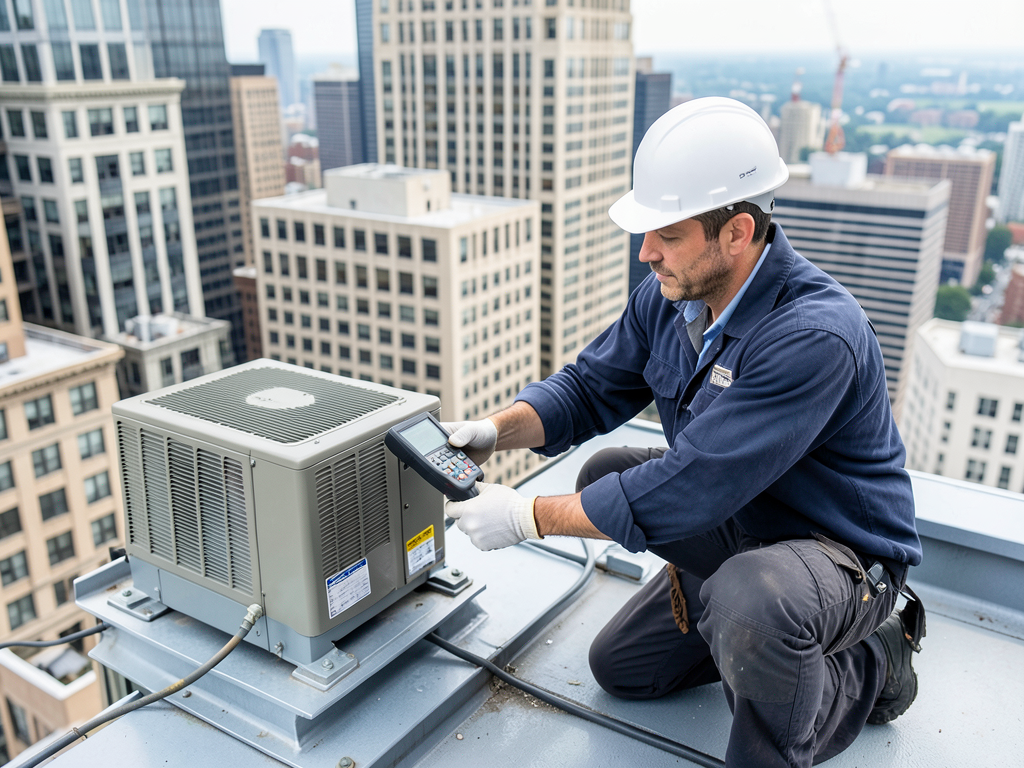
The Most Reliable Commercial HVAC Maintenance in Center City Philadelphia
Commercial HVAC systems in Center City Philadelphia face unique challenges from the city’s humid summers and freezing winters. High-rise buildings, historic structures, and modern office complexes all require specialized maintenance to keep operations running smoothly. With 24/7 emergency response and certified technicians who understand Philadelphia’s building codes, Elite HVAC delivers the reliability your business needs. Philadelphia Building Energy Benchmarking.
Why Center City Philadelphia Businesses Need Specialized HVAC Maintenance
Philadelphia’s climate creates demanding conditions for commercial HVAC equipment. Summer humidity often exceeds 80%, forcing air conditioning systems to work overtime. Winter temperatures regularly drop below freezing, putting heating systems under extreme stress. These conditions shorten equipment lifespan by 15-20% without proper maintenance. HVAC Philadelphia.
Center City’s building stock adds another layer of complexity. Historic buildings in the Avenue of the Arts district often have aging ductwork that requires specialized cleaning techniques. Modern high-rises near Comcast Center demand advanced building automation system expertise. Mixed-use developments along Market Street need zoned climate control that works seamlessly across different tenant requirements. Expert Boiler Repair and Maintenance for Historic Homes in Chestnut Hill and Mt Airy.
Philadelphia’s Building Energy Benchmarking ordinance requires commercial buildings over 50,000 square feet to report energy usage annually. Well-maintained HVAC systems can reduce energy consumption by 15-25%, helping businesses stay compliant while cutting operational costs.. Read more about What Philadelphia Landlords Need to Know About Keeping Rental HVAC Systems Up to Code.
Comprehensive Commercial HVAC Maintenance Services
Elite HVAC provides complete maintenance solutions tailored to Philadelphia’s commercial properties. Our technicians hold NATE certification and understand the specific requirements of Pennsylvania’s Uniform Construction Code.
Preventative Maintenance Agreements
Regular maintenance prevents 70% of HVAC failures. Our preventative maintenance agreements include quarterly inspections for high-use facilities and bi-annual service for standard commercial buildings. Each visit includes system diagnostics, cleaning, and performance optimization. Weak Airflow from Vents.
Philadelphia businesses benefit from our 4-hour emergency response guarantee. When systems fail during summer heatwaves or winter cold snaps, quick response prevents business interruption and protects sensitive equipment. Emergency AC Repair in Fishtown (Fast Service When the Heat Hits).
Specialized System Services
We service all major commercial HVAC equipment found in Center City buildings:
- RTU (Rooftop Units) with capacities from 3 to 100 tons
- Chilled water systems for high-rise buildings
- VAV (Variable Air Volume) boxes for zoned climate control
- Boilers for steam and hot water heating systems
- Building Automation Systems (BAS) integration and troubleshooting
Our technicians use thermal imaging cameras to detect heat loss in building envelopes and identify failing components before they cause system shutdowns.
Philadelphia Climate Impact on Commercial HVAC Systems
Center City’s location creates specific HVAC challenges. The Delaware River moderates temperatures but increases humidity levels, particularly in buildings near Penn’s Landing. This moisture can cause condensate drain line clogs and mold growth in ductwork.
Winter freeze-thaw cycles affect rooftop equipment. Ice buildup on condenser units can damage fan blades and refrigerant lines. Our maintenance includes winterization procedures that protect against these seasonal hazards.
Summer heat islands in dense urban areas like Center City increase cooling loads by 10-15%. Buildings near Rittenhouse Square often require higher capacity systems than those in less developed areas. We factor these microclimate differences into our system designs and maintenance schedules.
Building Code Compliance and Energy Efficiency
Philadelphia’s building codes require specific HVAC standards. The city adopted the 2018 International Energy Conservation Code with local amendments. Our maintenance procedures ensure your systems meet Title 4 requirements for energy efficiency and ventilation.
Pennsylvania Act 129 mandates energy efficiency programs for commercial buildings. We help clients qualify for PECO Smart Ideas rebates by maintaining systems at peak efficiency. Properly maintained equipment can qualify for 10-20% higher rebate amounts.
Indoor Air Quality (IAQ) standards affect healthcare facilities, schools, and office buildings. We test for CO2 levels, particulate matter, and volatile organic compounds to ensure compliance with ASHRAE Standard 62.1. ASHRAE Standard 62.1.
Multi-Point Inspection Checklist
Our comprehensive maintenance includes a 50-point inspection covering all critical system components:
- Check refrigerant levels and pressures
- Test electrical connections and voltage
- Clean condenser and evaporator coils
- Inspect and replace air filters
- Check thermostat calibration
- Test safety controls and emergency shutoffs
- Inspect ductwork for leaks and insulation
- Check condensate drain lines and pans
- Test blower motor and belt tension
- Inspect heat exchangers for cracks
- Check gas pressure and combustion efficiency
- Test carbon monoxide levels
- Inspect electrical disconnects and breakers
- Check system static pressure
- Test building automation system integration
- Inspect rooftop unit mounting and vibration isolation
- Check economizer operation
- Test freeze stats and low-ambient controls
- Inspect fire dampers and smoke detectors
- Check insulation on refrigerant lines
- Test variable frequency drives
- Inspect cooling tower operation
- Check water treatment levels
- Test boiler safety controls
- Inspect heat recovery systems
- Check outdoor air dampers
- Test humidity control systems
- Inspect air handling unit belts
- Check system sequencing
- Test emergency power connections
- Inspect rooftop curb condition
- Check economizer dampers
- Test building pressure relationships
- Inspect smoke control systems
- Check energy recovery wheels
- Test demand-controlled ventilation
- Inspect duct smoke detectors
- Check system balancing
- Test hot water reset schedules
- Inspect outside air intakes
- Check system redundancy
- Test critical environment controls
- Inspect vibration isolation
- Check economizer enthalpy controls
- Test building automation system alarms
- Inspect rooftop curbs and flashings
- Check system energy usage
- Test backup generator connections
- Inspect control valve operation
- Check system documentation
Emergency Response and Business Continuity
Commercial HVAC failures can shut down operations within hours. Our 24/7 emergency service ensures rapid response to critical situations. We maintain fully stocked service vehicles with common replacement parts for Philadelphia-area equipment.
Critical facilities like data centers, hospitals, and laboratories receive priority response. Our technicians can restore cooling to sensitive equipment within 2-4 hours of dispatch.
We provide temporary cooling solutions during major repairs. Portable air conditioning units can maintain critical temperatures while permanent repairs are completed.
Cost-Benefit Analysis of Preventative Maintenance
Commercial property managers often ask about the return on investment for maintenance programs. Data from Philadelphia facilities shows:
| Maintenance Category | Annual Cost | Energy Savings | Repair Cost Reduction | ROI Period |
|---|---|---|---|---|
| Basic Preventative | $2,500 | 5-10% | 15-20% | 1.2 years |
| Comprehensive | $4,500 | 15-20% | 30-40% | 0.8 years |
| Critical Systems | $7,500 | 20-25% | 50-60% | 0.6 years |
Beyond direct cost savings, well-maintained systems extend equipment life by 3-5 years. This delays capital expenditure for replacements and maintains property values.
Specialized Services for Philadelphia’s Commercial Buildings
Historic buildings in Society Hill and Old City require specialized HVAC approaches. Original ductwork often cannot support modern air handling equipment. We design custom solutions that preserve architectural integrity while meeting modern comfort standards.
High-rise buildings near Liberty Place need pressure balancing to prevent stack effect. Improperly balanced systems can cause elevator doors to malfunction and create uncomfortable drafts on upper floors.
Healthcare facilities must meet stringent IAQ requirements. Our HEPA filtration and UV-C sterilization systems help maintain sterile environments in medical offices and clinics.
Energy Efficiency and Sustainability
Philadelphia businesses increasingly focus on sustainability. Energy-efficient HVAC systems can reduce carbon footprints by 30% or more. We help clients achieve LEED certification by optimizing system performance and documenting energy savings.
Smart building integration allows remote monitoring and control. Building managers can adjust settings from mobile devices, reducing energy waste from unoccupied spaces.
Heat recovery systems capture waste heat from cooling processes to preheat domestic hot water. These systems can reduce energy costs by 10-15% in year-round operations.
Customer Success Stories
A 50,000-square-foot office building near City Hall reduced energy costs by 22% after implementing our comprehensive maintenance program. The building achieved Energy Star certification and qualified for PECO rebates totaling $8,000.
A healthcare clinic in South Philadelphia avoided a $50,000 system replacement by catching a failing compressor bearing during routine maintenance. Early detection saved the practice from emergency downtime during flu season.
A restaurant group with locations throughout Center City reduced equipment failures by 60% after switching to our quarterly maintenance program. Consistent temperatures improved customer comfort and food safety.
Frequently Asked Questions
How often should commercial HVAC systems be serviced?
Most commercial buildings need quarterly maintenance for high-use systems and bi-annual service for standard operations. Healthcare facilities and data centers often require monthly inspections due to critical temperature requirements.
What does a commercial HVAC maintenance contract include?
Contracts typically include scheduled inspections, filter changes, coil cleaning, refrigerant checks, electrical testing, and priority emergency service. Comprehensive agreements may also include system optimization and energy efficiency reporting.
How can I reduce my commercial HVAC energy costs?
Energy costs can be reduced through regular maintenance, system upgrades to high-efficiency equipment, smart building controls, and proper building envelope improvements. Many Philadelphia businesses save 15-25% through comprehensive optimization programs.
Do you service all commercial HVAC brands?
Yes, our technicians are trained on all major commercial HVAC brands including Trane, Carrier, York, Lennox, and Mitsubishi. We maintain relationships with parts distributors to ensure quick access to replacement components.
What certifications do your technicians hold?
Our technicians hold NATE certification, EPA Section 608 certification for refrigerant handling, and complete ongoing training on the latest HVAC technologies. We also employ licensed master HVAC contractors who understand Philadelphia’s building codes. Best Rated HVAC Contractors in the Main Line Area.
Call (215) 610-9099 Today for Your Free Inspection
Don’t wait for system failure to disrupt your business operations. Call (215) 610-9099 today to schedule a comprehensive HVAC inspection. Our certified technicians will evaluate your current system, identify potential issues, and recommend a maintenance plan that fits your facility’s needs and budget.
Elite HVAC provides 24/7 emergency service throughout Center City Philadelphia. Whether you manage a high-rise office building, a historic property, or a modern commercial complex, we have the expertise to keep your HVAC systems running reliably year-round.
Pick up the phone and call (215) 610-9099 before the next heat wave or cold snap hits. Your tenants, employees, and customers depend on consistent comfort and safe operating conditions.
{
“@context”: “https://schema.org”,
“@type”: “BlogPosting”,
“headline”: “The Most Reliable Commercial HVAC Maintenance in Center City Philadelphia”,
“description”: “Keep your Center City Philadelphia commercial building running efficiently with expert HVAC maintenance. 24/7 emergency service. Call (215) 610-9099 for a free inspection.”,
“wordCount”: 1618,
“datePublished”: “2026-03-11T11:18:00.000Z”,
“dateModified”: “2026-03-11T11:18:00.000Z”,
“inLanguage”: “en-US”,
“mainEntityOfPage”: {
“@type”: “WebPage”,
“@id”: “https://elitehvacphiladelphia.com”
},
“publisher”: {
“@type”: “LocalBusiness”,
“name”: “Elite HVAC Philadelphia”,
“url”: “https://elitehvacphiladelphia.com”
},
“author”: {
“@type”: “Organization”,
“name”: “Elite HVAC Philadelphia”,
“url”: “https://elitehvacphiladelphia.com”
},
“image”: {
“@type”: “ImageObject”,
“url”: “https://elitehvacphiladelphia.com/wp-content/uploads/2026/03/the-most-reliable-commercial-hvac-maintenance-in-c-1.png”
}
}
{
“@context”: “https://schema.org”,
“@type”: “HVACBusiness”,
“name”: “Elite HVAC Philadelphia”,
“url”: “https://elitehvacphiladelphia.com”,
“address”: {
“@type”: “PostalAddress”,
“addressLocality”: “Philadelphia”
},
“areaServed”: {
“@type”: “City”,
“name”: “Philadelphia”
}
}
{
“@context”: “https://schema.org”,
“@type”: “FAQPage”,
“mainEntity”: [
{
“@type”: “Question”,
“name”: “How often should commercial HVAC systems be serviced?”,
“acceptedAnswer”: {
“@type”: “Answer”,
“text”: “Most commercial buildings need quarterly maintenance for high-use systems and bi-annual service for standard operations. Healthcare facilities and data centers often require monthly inspections due to critical temperature requirements.”
}
},
{
“@type”: “Question”,
“name”: “What does a commercial HVAC maintenance contract include?”,
“acceptedAnswer”: {
“@type”: “Answer”,
“text”: “Contracts typically include scheduled inspections, filter changes, coil cleaning, refrigerant checks, electrical testing, and priority emergency service. Comprehensive agreements may also include system optimization and energy efficiency reporting.”
}
},
{
“@type”: “Question”,
“name”: “Do you service all commercial HVAC brands?”,
“acceptedAnswer”: {
“@type”: “Answer”,
“text”: “Yes, our technicians are trained on all major commercial HVAC brands including Trane, Carrier, York, Lennox, and Mitsubishi. We maintain relationships with parts distributors to ensure quick access to replacement components.”
}
},
{
“@type”: “Question”,
“name”: “What certifications do your technicians hold?”,
“acceptedAnswer”: {
“@type”: “Answer”,
“text”: “Our technicians hold NATE certification, EPA Section 608 certification for refrigerant handling, and complete ongoing training on the latest HVAC technologies. We also employ licensed master HVAC contractors who understand Philadelphia’s building codes. Best Rated HVAC Contractors in the Main Line Area.”
}
}
]
}
{
“@context”: “https://schema.org”,
“@type”: “BreadcrumbList”,
“itemListElement”: [
{
“@type”: “ListItem”,
“position”: 1,
“name”: “Home”,
“item”: “https://elitehvacphiladelphia.com”
},
{
“@type”: “ListItem”,
“position”: 2,
“name”: “Blog”,
“item”: “https://elitehvacphiladelphia.com/blog”
},
{
“@type”: “ListItem”,
“position”: 3,
“name”: “The Most Reliable Commercial HVAC Maintenance in Center City Philadelphia”
}
]
}
{
“@context”: “https://schema.org”,
“@type”: “Service”,
“serviceType”: “HVAC”,
“provider”: {
“@type”: “LocalBusiness”,
“name”: “Elite HVAC Philadelphia”,
“url”: “https://elitehvacphiladelphia.com”
},
“areaServed”: {
“@type”: “City”,
“name”: “Philadelphia”
},
“description”: “Keep your Center City Philadelphia commercial building running efficiently with expert HVAC maintenance. 24/7 emergency service. Call (215) 610-9099 for a free inspection.”
}