
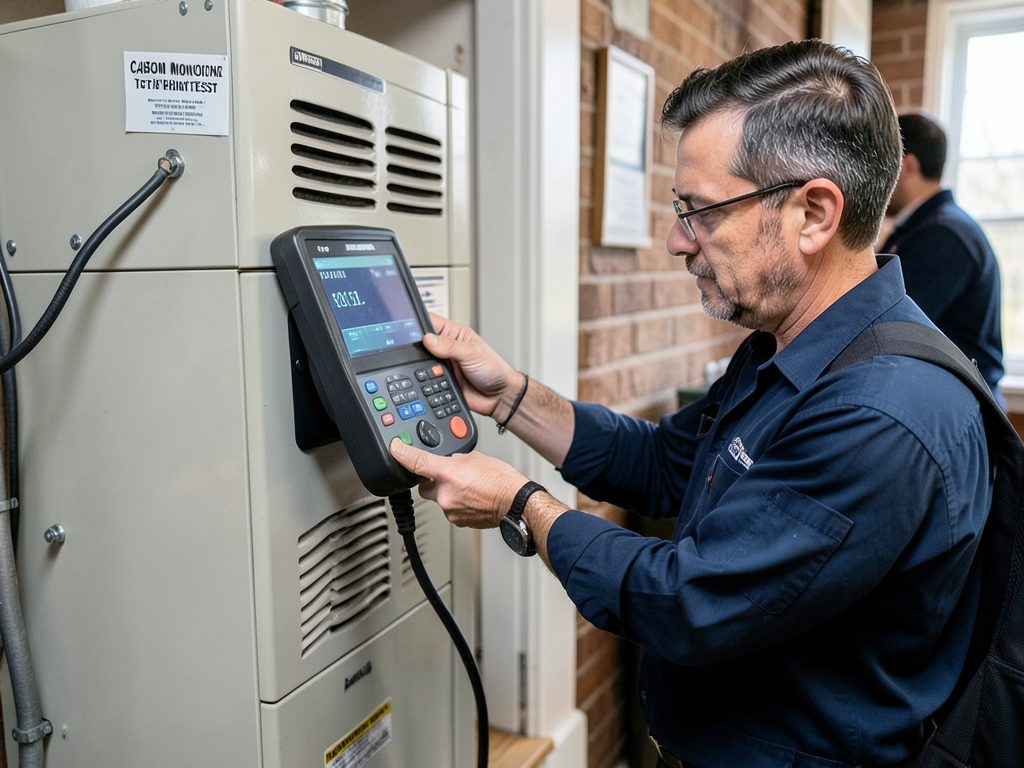
Preparing Your Philly Furnace for Winter with a Professional 20-Point Tune Up
Your Philadelphia furnace has worked hard all summer cycling on and off for air conditioning. Now winter is coming and you need it firing at peak efficiency when temperatures drop below freezing. A professional 20-point tune-up from Elite HVAC Philadelphia catches small problems before they become big expensive emergencies.. Read more about What Philadelphia Landlords Need to Know About Keeping Rental HVAC Systems Up to Code.
Philadelphia winters hit hard with cold, damp air that makes your furnace work overtime. Our 20-point inspection covers every critical component from the heat exchanger to the blower motor. We check for carbon monoxide leaks, clean burners, calibrate thermostats, and test safety controls. This isn’t just maintenance – it’s preventing that midnight emergency call when your family wakes up to a cold house. Emergency AC Repair in Fishtown (Fast Service When the Heat Hits).
Call (215) 610-9099 today to schedule your tune-up before the first cold snap hits. Our NATE-certified technicians know Philadelphia rowhomes inside and out – from the narrow ductwork to the aging gas lines common in older neighborhoods like South Philly and Fishtown.
Why Philadelphia Homes Need Seasonal Furnace Service
Philadelphia’s humid continental climate creates unique challenges for heating systems. Our summers are hot and muggy, forcing air conditioners to run constantly. This constant cycling puts stress on your furnace components even during cooling season. When winter arrives, your system needs to switch gears and handle freezing temperatures that can drop below zero during polar vortex events. Weak Airflow from Vents.
Historic Philadelphia rowhomes face additional challenges. Many were built before central heating existed, so retrofitting furnaces into narrow spaces creates airflow restrictions. The aging PECO gas infrastructure in older neighborhoods means pressure fluctuations that stress regulators and valves. Our 20-point tune-up addresses these Philadelphia-specific issues that generic service companies miss. PECO energy efficiency programs.
Carbon monoxide safety is critical in our dense urban environment. Philadelphia rowhomes share walls, so a leak in one unit could affect multiple families. We test for CO levels at every vent and inspect heat exchangers for cracks that could release deadly gas into your home. This isn’t optional – it’s required by Philadelphia Department of Licenses and Inspections for all heating contractors. EPA carbon monoxide safety guidelines.
Our Comprehensive 20-Point Heating Maintenance Checklist
Every Elite HVAC Philadelphia tune-up follows this exact 20-point checklist. We document each step and provide you with a detailed report showing your system’s condition and any recommendations for repairs or upgrades.
- Heat Exchanger Inspection – Check for cracks, corrosion, or damage using infrared camera and visual inspection. A failed heat exchanger releases carbon monoxide and requires immediate replacement.
- Carbon Monoxide Testing – Measure CO levels at furnace, vents, and throughout the home. Philadelphia code requires readings below 9 ppm for safe operation.
- Burner Assembly Cleaning – Remove soot buildup that reduces efficiency by up to 15%. Clean burners produce a steady blue flame versus yellow or orange which indicates incomplete combustion.
- Ignition System Check – Test pilot light or electronic ignition for proper operation. Replace thermocouples or flame sensors that cause intermittent heating failures.
- Blower Motor Inspection – Check bearings for wear, test amperage draw, and lubricate if applicable. A failing blower motor makes grinding noises and reduces airflow.
- Belt Tension and Condition – Inspect drive belts for cracks or glazing. Replace loose or worn belts that slip and reduce blower efficiency.
- Air Filter Replacement – Install new filter matching your system’s MERV rating. Dirty filters restrict airflow and can cause heat exchanger overheating.
- Thermostat Calibration – Test temperature accuracy and recalibrate if needed. Older mercury thermostats can be off by 3-5 degrees.
- Limit Switch Testing – Verify high-limit switch shuts off burner if furnace overheats. This safety device prevents fire hazards.
- Gas Pressure Check – Measure manifold pressure to ensure proper BTU output. Low pressure causes weak heating, high pressure wastes fuel.
- Vent System Inspection – Check flue pipes for corrosion, proper slope, and secure connections. Blocked vents cause backdrafting of combustion gases.
- Ductwork Inspection – Check accessible ducts for leaks, proper insulation, and secure connections. Philadelphia homes often have uninsulated ducts in cold basements.
- Electrical Connections – Tighten all wire connections and check for signs of overheating or corrosion. Loose connections cause voltage drops and component failure.
- Control Board Testing – Verify all safety circuits function properly. Test pressure switches, roll-out switches, and flame rectification circuits.
- Flame Sensor Cleaning – Remove oxidation from flame sensor rod. Dirty sensors cause furnace to lockout and require reset.
- Condensate Drain Check – For high-efficiency furnaces, clear condensate drain of algae and debris. Blocked drains cause system shutdown.
- Combustion Analysis – Test flue gas for proper CO2, O2, and stack temperature. Adjust air shutters for optimal efficiency.
- Safety Control Testing – Cycle system through all operating modes to verify proper sequence of operation and safety interlocks.
- Sound Level Check – Listen for unusual noises indicating bearing wear, gas valve problems, or heat exchanger issues.
- Final Performance Test – Run system through complete heating cycle and verify all components operate within manufacturer specifications.
Transparent Pricing: What Does a Philadelphia Furnace Tune-Up Cost?
Elite HVAC Philadelphia charges $189 for our 20-point furnace tune-up. This flat-rate pricing includes all labor, testing equipment, and minor adjustments. We don’t charge extra for cleaning burners or testing safety controls – it’s all included in the comprehensive service.
Additional repairs are quoted separately with upfront pricing. Common findings include dirty flame sensors ($89), worn blower motor capacitors ($125), or loose electrical connections ($45). We never perform work without your approval and provide photos of any issues we find. Finding a Reliable AC Repair Service in Center City Philadelphia That Actually Shows Up.
Compare this to emergency service calls that start at $250 just for the trip charge, plus diagnostic fees and parts markup. A $189 tune-up that prevents a $1,200 emergency repair on a holiday weekend is money well spent.
PECO and PGW offer rebates for high-efficiency furnace upgrades, but these don’t apply to maintenance. However, keeping your current system running efficiently reduces energy bills immediately. A clean, tuned furnace can save 10-15% on heating costs compared to a neglected system.
Service Areas: Serving Center City, South Philly, Northeast Philly, and Surrounding Suburbs
Elite HVAC Philadelphia serves the entire Philadelphia metro area with same-day emergency service. Our technicians live in the communities we serve, from Center City high-rises to suburban developments in Bucks and Montgomery Counties.
In Center City, we handle the unique challenges of high-rise condo heating systems and historic buildings with steam radiators. South Philly rowhomes with their narrow crawl spaces require specialized tools and techniques. Northeast Philly developments built in the 1970s and 80s often need capacitor replacements due to voltage fluctuations on older electrical infrastructure.
We also serve the Main Line suburbs including Ardmore, Bryn Mawr, and Wayne. These homes often have high-efficiency furnaces that require specific diagnostic tools and NATE certification for proper service. Our technicians carry OEM parts for all major brands including Carrier, Trane, Lennox, and York.
Emergency service is available 24/7 throughout our service area. We maintain fully stocked service vehicles to handle most repairs on the first visit, minimizing your downtime during Philadelphia’s coldest nights.
Frequently Asked Questions About Heating Maintenance
How often should I get my furnace tuned up?
Annual maintenance before heating season is recommended for all furnaces. Philadelphia’s climate with humid summers and cold winters creates year-round stress on heating components. Annual tune-ups catch problems early and maintain efficiency.
What happens if I skip annual maintenance?
Neglected furnaces lose 5-10% efficiency annually, cost more to operate, and have higher breakdown rates. Small problems like dirty burners or worn bearings become expensive repairs. Most manufacturer warranties require annual maintenance to remain valid.
Can I perform maintenance myself?
Basic tasks like changing filters are fine, but professional tune-ups require specialized tools, safety equipment, and knowledge of combustion analysis. Carbon monoxide testing, gas pressure measurement, and electrical safety checks require certification and experience.
How long does a 20-point tune-up take?
Our comprehensive inspection takes 60-90 minutes depending on system complexity. Older furnaces or those with multiple issues may take longer. We never rush – thorough testing prevents missed problems.
What’s included in the $189 price?
The flat rate covers all 20 inspection points, cleaning, testing, and minor adjustments. It includes labor, testing equipment, and a detailed report. Parts and additional repairs are extra with upfront pricing provided before any work.
Don’t Wait Until It’s Too Late – Call Today
Philadelphia’s first cold snap often catches homeowners off guard. Heating companies get flooded with emergency calls when temperatures drop below freezing, and wait times can stretch to days. Schedule your 20-point tune-up now while our technicians have availability.
Call (215) 610-9099 to book your appointment. We offer flexible scheduling including evenings and weekends to accommodate your busy schedule. Our NATE-certified technicians will arrive on time, in uniform, and with all necessary tools to complete your tune-up efficiently.
Don’t risk a cold night without heat. The $189 investment in preventative maintenance can save you thousands in emergency repairs and keep your family comfortable all winter long. Pick up the phone and call (215) 610-9099 before the next storm hits.
Energy Efficiency and Your Philadelphia Furnace
Philadelphia residents pay some of the highest energy rates in the country, making furnace efficiency critical for controlling winter heating costs. A properly tuned furnace can reduce energy consumption by 10-15% compared to a neglected system.
Older Philadelphia homes often have furnaces with 70-80% efficiency ratings, while modern high-efficiency units achieve 90-98% efficiency. During our 20-point tune-up, we measure your system’s actual efficiency using combustion analysis and provide recommendations for improvements.
Simple upgrades like programmable thermostats can save 10% annually on heating costs. Sealing leaky ductwork in your basement or crawl space prevents heated air from escaping into unconditioned spaces. Our technicians identify these opportunities during every tune-up.
PECO offers rebates for high-efficiency furnace upgrades and smart thermostats. While our tune-up doesn’t qualify for rebates, we can help you understand available incentives if you’re considering system replacement in the future.
Carbon Monoxide Safety in Philadelphia Homes
Carbon monoxide poisoning is a serious risk in Philadelphia’s older housing stock. Our dense rowhome neighborhoods mean that a CO leak in one unit could affect multiple families through shared walls and ventilation systems.
During every 20-point tune-up, we test for carbon monoxide at multiple locations. We check for proper venting, inspect heat exchangers for cracks, and verify that all safety controls function correctly. Philadelphia code requires CO levels below 9 ppm for safe operation.
Symptoms of CO poisoning include headaches, dizziness, nausea, and confusion. These symptoms often worsen when heating systems operate and improve when you leave the house. If you experience these symptoms, evacuate immediately and call 911.
We recommend installing CO detectors on every level of your home, especially near sleeping areas. Test detectors monthly and replace batteries annually. A working CO detector is your first line of defense against this silent killer. The True Cost of Installing Central Air in an Older South Philly Rowhome.
Philadelphia’s Unique Heating Challenges
Philadelphia’s combination of historic architecture and modern energy codes creates unique heating challenges. Many rowhomes were built before central heating existed, requiring creative solutions for ductwork and venting in narrow spaces.
The city’s aging natural gas infrastructure, managed by PGW, can cause pressure fluctuations that stress furnace regulators and valves. Our technicians carry specialized tools to diagnose and compensate for these pressure variations.
Philadelphia’s high humidity levels, especially during fall and spring shoulder seasons, can cause condensation issues in high-efficiency furnaces. We check condensate drains and pumps to prevent water damage and system shutdowns.
Historic preservation guidelines in neighborhoods like Society Hill and Old City sometimes restrict exterior modifications, requiring specialized venting solutions for furnace replacements. Our team understands these local requirements and can recommend compliant options.
Emergency vs. Scheduled Maintenance: The Cost Difference
The difference between scheduled maintenance and emergency service goes beyond just convenience. A $189 tune-up prevents the $500+ emergency service call that happens when your furnace fails on the coldest night of the year.
Emergency calls during winter storms often involve multiple service calls, expedited parts shipping, and overtime labor rates. What could have been a $200 repair during a scheduled visit becomes a $1,000 emergency repair.
Beyond the financial cost, emergency service means waiting in a cold house while technicians are delayed by weather and high call volume. Scheduled maintenance lets you choose a convenient time and ensures your system is ready before you need it.
Our 20-point tune-up includes a detailed report showing your furnace’s condition and any developing problems. This allows you to budget for repairs on your schedule rather than facing emergency expenses when you can least afford them.
Why Choose Elite HVAC Philadelphia
Elite HVAC Philadelphia isn’t just another heating company. We’re Philadelphia residents serving our neighbors with the expertise that comes from working in our unique climate and housing stock for over 15 years. Expert Boiler Repair and Maintenance for Historic Homes in Chestnut Hill and Mt Airy.
Our NATE-certified technicians understand the specific challenges of Philadelphia rowhomes, from narrow ductwork to aging gas infrastructure. We carry specialized tools for testing Philadelphia’s unique conditions and maintain relationships with local parts suppliers for quick repairs.
We’re licensed by the Philadelphia Department of Licenses and Inspections and comply with all local codes and regulations. Our flat-rate pricing means no surprises, and our satisfaction guarantee backs every service call.
Call (215) 610-9099 today to experience the Elite HVAC Philadelphia difference. Your comfort is our priority, and we’re ready to ensure your furnace is prepared for whatever winter throws our way.
{
“@context”: “https://schema.org”,
“@type”: “BlogPosting”,
“headline”: “Preparing Your Philly Furnace for Winter with a Professional 20-Point Tune Up”,
“description”: “Ensure your Philadelphia furnace is ready for winter with our 20-point tune-up. Improve efficiency, prevent breakdowns, and stay warm all season. Call (215) 610-9099.”,
“wordCount”: 2270,
“datePublished”: “2026-03-12T13:02:00.000Z”,
“dateModified”: “2026-03-12T13:02:00.000Z”,
“inLanguage”: “en-US”,
“mainEntityOfPage”: {
“@type”: “WebPage”,
“@id”: “https://elitehvacphiladelphia.com”
},
“publisher”: {
“@type”: “LocalBusiness”,
“name”: “Elite HVAC Philadelphia”,
“url”: “https://elitehvacphiladelphia.com”
},
“author”: {
“@type”: “Organization”,
“name”: “Elite HVAC Philadelphia”,
“url”: “https://elitehvacphiladelphia.com”
},
“image”: {
“@type”: “ImageObject”,
“url”: “https://elitehvacphiladelphia.com/wp-content/uploads/2026/03/preparing-your-philly-furnace-for-winter-with-a-pr-1.png”
}
}
{
“@context”: “https://schema.org”,
“@type”: “HVACBusiness”,
“name”: “Elite HVAC Philadelphia”,
“url”: “https://elitehvacphiladelphia.com”,
“address”: {
“@type”: “PostalAddress”,
“addressLocality”: “Philadelphia”
},
“areaServed”: {
“@type”: “City”,
“name”: “Philadelphia”
}
}
{
“@context”: “https://schema.org”,
“@type”: “FAQPage”,
“mainEntity”: [
{
“@type”: “Question”,
“name”: “Transparent Pricing: What Does a Philadelphia Furnace Tune-Up Cost?”,
“acceptedAnswer”: {
“@type”: “Answer”,
“text”: “Elite HVAC Philadelphia charges $189 for our 20-point furnace tune-up. This flat-rate pricing includes all labor, testing equipment, and minor adjustments. We don’t charge extra for cleaning burners or testing safety controls – it’s all included in the comprehensive service.”
}
},
{
“@type”: “Question”,
“name”: “How often should I get my furnace tuned up?”,
“acceptedAnswer”: {
“@type”: “Answer”,
“text”: “Annual maintenance before heating season is recommended for all furnaces. Philadelphia’s climate with humid summers and cold winters creates year-round stress on heating components. Annual tune-ups catch problems early and maintain efficiency.”
}
},
{
“@type”: “Question”,
“name”: “What happens if I skip annual maintenance?”,
“acceptedAnswer”: {
“@type”: “Answer”,
“text”: “Neglected furnaces lose 5-10% efficiency annually, cost more to operate, and have higher breakdown rates. Small problems like dirty burners or worn bearings become expensive repairs. Most manufacturer warranties require annual maintenance to remain valid.”
}
},
{
“@type”: “Question”,
“name”: “Can I perform maintenance myself?”,
“acceptedAnswer”: {
“@type”: “Answer”,
“text”: “Basic tasks like changing filters are fine, but professional tune-ups require specialized tools, safety equipment, and knowledge of combustion analysis. Carbon monoxide testing, gas pressure measurement, and electrical safety checks require certification and experience.”
}
},
{
“@type”: “Question”,
“name”: “How long does a 20-point tune-up take?”,
“acceptedAnswer”: {
“@type”: “Answer”,
“text”: “Our comprehensive inspection takes 60-90 minutes depending on system complexity. Older furnaces or those with multiple issues may take longer. We never rush – thorough testing prevents missed problems.”
}
},
{
“@type”: “Question”,
“name”: “What’s included in the $189 price?”,
“acceptedAnswer”: {
“@type”: “Answer”,
“text”: “The flat rate covers all 20 inspection points, cleaning, testing, and minor adjustments. It includes labor, testing equipment, and a detailed report. Parts and additional repairs are extra with upfront pricing provided before any work.”
}
}
]
}
{
“@context”: “https://schema.org”,
“@type”: “BreadcrumbList”,
“itemListElement”: [
{
“@type”: “ListItem”,
“position”: 1,
“name”: “Home”,
“item”: “https://elitehvacphiladelphia.com”
},
{
“@type”: “ListItem”,
“position”: 2,
“name”: “Blog”,
“item”: “https://elitehvacphiladelphia.com/blog”
},
{
“@type”: “ListItem”,
“position”: 3,
“name”: “Preparing Your Philly Furnace for Winter with a Professional 20-Point Tune Up”
}
]
}
{
“@context”: “https://schema.org”,
“@type”: “Service”,
“serviceType”: “HVAC”,
“provider”: {
“@type”: “LocalBusiness”,
“name”: “Elite HVAC Philadelphia”,
“url”: “https://elitehvacphiladelphia.com”
},
“areaServed”: {
“@type”: “City”,
“name”: “Philadelphia”
},
“description”: “Ensure your Philadelphia furnace is ready for winter with our 20-point tune-up. Improve efficiency, prevent breakdowns, and stay warm all season. Call (215) 610-9099.”
}