
The True Cost of Installing Central Air in an Older South Philly Rowhome
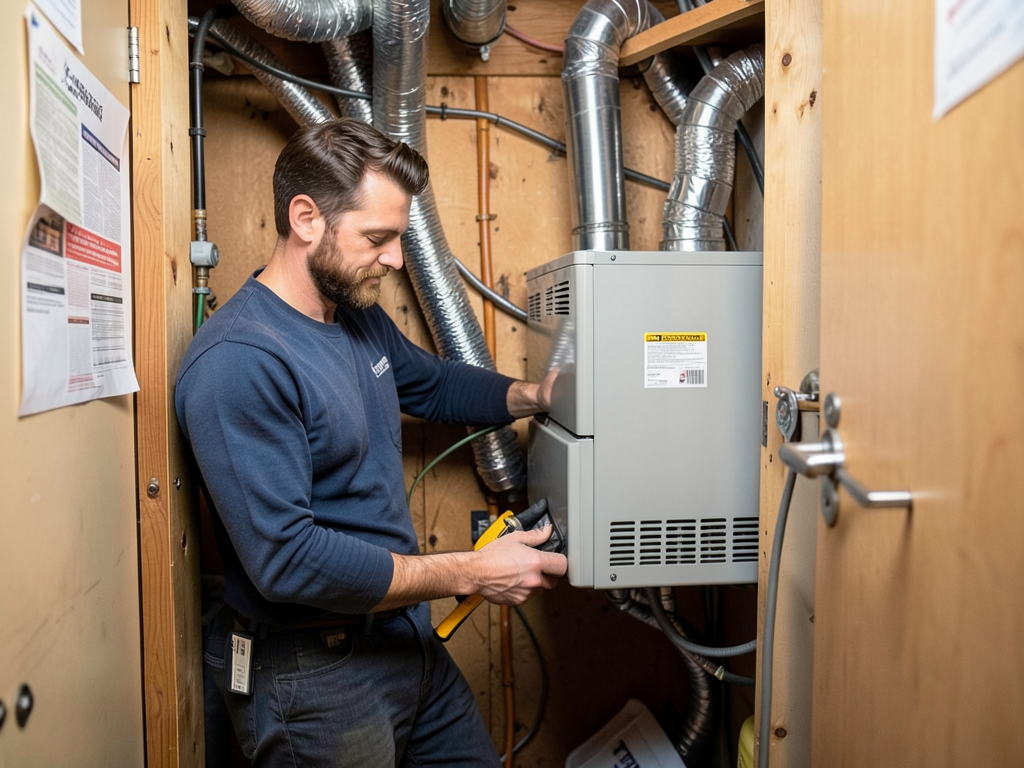
Installing central air in a classic South Philadelphia rowhome presents unique challenges that directly impact your budget. These narrow brick structures built in the early 1900s weren’t designed with modern HVAC in mind. The lack of attic space, narrow closets, and existing ductwork means you’re looking at a specialized installation that requires creative solutions and careful planning. Philadelphia Department of Licenses and Inspections.
The first major cost factor is the system type. Traditional central air with ductwork requires significant structural modifications in a rowhome. You’ll need to run ducts through existing walls, which often means removing plaster and lath or creating chases in closets. This demolition and reconstruction work adds substantial labor costs. High-velocity systems like Unico or SpacePak offer a less invasive alternative, using small flexible ducts that fit in tight spaces, but these systems typically cost 20-30% more upfront than traditional setups.. Read more about How to Get AC in a Fairmount Rowhome Without Tearing Down Your Walls.
Ductless mini-split systems represent another option that’s growing in popularity for Philadelphia rowhomes. These systems eliminate the need for ductwork entirely, with wall-mounted units in each room connected to an outdoor compressor. While the equipment costs are comparable to traditional systems, installation is often faster and less disruptive. However, you’ll need multiple indoor units for whole-home cooling, which can increase the total equipment cost.
Permitting represents another significant cost consideration. Philadelphia’s Department of Licenses and Inspections requires permits for HVAC installations, with fees based on the scope of work. For rowhomes, you may also need approval from the Philadelphia Historical Commission if your home is in a historic district or if the installation affects the building’s exterior appearance. These permits typically cost between $200-500 but can delay your project timeline by several weeks.
Condenser placement creates both cost and logistical challenges in South Philly. With limited outdoor space and strict zoning regulations, many homeowners mount condensers on flat roofs or in narrow rear yards. Roof mounting requires additional structural support and vibration isolation to prevent noise transmission through party walls. You’ll need a licensed structural engineer to evaluate your roof’s capacity, adding $500-1000 to your project cost.. Read more about Why Fishtown Loft Owners are Switching to Ductless Mini Split AC Systems.
The age and condition of your home’s electrical system can significantly impact installation costs. Many South Philly rowhomes have 60-100 amp service that needs upgrading to support modern HVAC equipment. A full electrical service upgrade can cost $2000-5000, depending on your home’s configuration and whether you need to replace the main service line from the street.
Energy efficiency requirements under current Philadelphia building codes mandate minimum SEER2 ratings of 14 for new installations. Higher efficiency equipment costs more upfront but reduces monthly utility bills. PECO offers rebates through their Ways to Save program for high-efficiency HVAC installations, potentially offsetting 10-15% of your equipment costs if you choose qualifying systems. PECO Ways to Save rebates.
Labor costs in Philadelphia typically run 40-50% higher than national averages due to the complexity of rowhome installations. Skilled technicians must navigate narrow basements, tight stairwells, and delicate historic materials. Expect to pay $150-200 per hour for qualified HVAC contractors who understand the unique challenges of Philadelphia architecture.
Hidden costs often catch homeowners by surprise. Removing and disposing of old equipment, repairing plaster damage, repainting walls, and addressing any asbestos or lead paint issues in older homes can add $1000-3000 to your final bill. Some contractors include these in their quotes while others bill them as extras.
The timeline for installation typically spans 3-7 days for a complete system, depending on complexity. High-velocity systems often install faster than traditional ductwork since they require less demolition. Mini-splits can be installed in as little as 1-2 days but may require multiple service visits to complete all indoor units.
Financing options can make the investment more manageable. Many Philadelphia HVAC contractors offer payment plans, and programs like the Pennsylvania Weatherization Assistance Program provide grants for qualifying low-income homeowners. Additionally, federal tax credits for energy-efficient home improvements can offset 10-30% of qualified equipment costs.
Insurance considerations matter too. Some homeowners insurance policies require notification of major HVAC installations, and failure to update your policy could affect coverage. Check with your insurance provider before beginning work to understand any policy implications.
Maintenance costs represent the ongoing investment after installation. Annual professional maintenance typically costs $150-300 and helps prevent costly repairs. South Philly’s humid summers and cold winters mean your system works harder than in many other regions, making regular maintenance particularly important for system longevity.
The return on investment extends beyond comfort. Central air can increase your home’s resale value by 5-10% in Philadelphia’s competitive housing market. Energy-efficient systems also reduce monthly utility costs, with many homeowners seeing 20-30% reductions in summer electricity bills after upgrading from window units.
Choosing the right contractor makes a significant difference in both cost and quality. Look for EPA 608 certification, Philadelphia Home Improvement Contractor license, and specific experience with rowhome installations. Request detailed quotes that break down equipment, labor, permits, and potential additional costs. Be wary of unusually low bids that may indicate cut corners or hidden fees.. Read more about Picking the Right Sized AC Unit for Your Passyunk Square Townhome.
Seasonal timing affects both cost and availability. Spring and fall are peak seasons for HVAC installations, with contractors often charging 10-15% premium rates. Scheduling your installation during winter or summer can sometimes yield better pricing, though weather delays are more likely during extreme seasons.. Read more about Premium HVAC Solutions for Renovated Queen Village Rowhomes.
Understanding these cost factors helps you budget accurately for your central air installation. While the initial investment ranges from $8000-20000 depending on your home’s specific needs and chosen system, the improved comfort, energy efficiency, and property value make it a worthwhile investment for many South Philly homeowners.
System Type Comparison for South Philly Rowhomes
| System Type | Initial Cost Range | Installation Time | Best For |
|---|---|---|---|
| Traditional Central Air | $8000-15000 | 5-7 days | Homes with existing ductwork |
| High-Velocity (Unico/SpacePak) | $10000-18000 | 3-5 days | Narrow spaces, minimal demolition |
| Ductless Mini-Split | $7000-16000 | 1-3 days | Zoned cooling, quick installation |
Cost Breakdown by Installation Component
| Component | Percentage of Total Cost | Typical Cost Range |
|---|---|---|
| Equipment (Unit and Components) | 45-55% | $3600-11000 |
| Labor and Installation | 25-35% | $2000-7000 |
| Permits and Inspections | 2-5% | $200-1000 |
| Electrical Upgrades | 10-20% | $800-4000 |
| Additional Materials and Repairs | 5-10% | $400-2000 |
Frequently Asked Questions
How long does central air installation take in a South Philly rowhome?
Installation typically takes 3-7 days depending on system type and home complexity. Traditional central air with new ductwork requires the most time, while ductless mini-splits can often be completed in 1-2 days.
Do I need permits for HVAC installation in Philadelphia?
Yes, Philadelphia requires permits for all HVAC installations. You’ll need approval from the Department of Licenses and Inspections, and potentially the Historical Commission if your home is in a historic district.
Can I install central air in a rowhome without existing ductwork?
Yes, but it requires significant modifications. High-velocity systems use small flexible ducts that fit in tight spaces, while ductless mini-splits eliminate ductwork entirely. Both options are designed specifically for homes without existing duct systems.
What’s the most cost-effective central air option for a South Philly rowhome?
Ductless mini-splits often provide the best value, with lower installation costs and no need for ductwork. However, the best choice depends on your specific home layout and cooling needs.
Are there rebates available for HVAC installations in Philadelphia?
Yes, PECO offers rebates through their Ways to Save program for high-efficiency HVAC equipment. Federal tax credits may also be available for qualifying energy-efficient installations.
Ready to upgrade your South Philly rowhome with central air? The investment pays off in comfort, energy savings, and property value. Call (215) 610-9099 today to schedule your free consultation and get a detailed quote for your specific home. Our experienced technicians understand the unique challenges of Philadelphia rowhome installations and can recommend the best system for your needs and budget.
{
“@context”: “https://schema.org”,
“@type”: “BlogPosting”,
“headline”: “The True Cost of Installing Central Air in an Older South Philly Rowhome”,
“description”: “Discover the real costs and challenges of installing central air in a South Philly rowhome. Learn about high-velocity systems, mini-splits, and local permitting requirements.”,
“wordCount”: 1282,
“datePublished”: “2026-02-14T15:58:00.000Z”,
“dateModified”: “2026-02-14T15:58:00.000Z”,
“inLanguage”: “en-US”,
“mainEntityOfPage”: {
“@type”: “WebPage”,
“@id”: “https://elitehvacphiladelphia.com”
},
“publisher”: {
“@type”: “LocalBusiness”,
“name”: “Elite HVAC Philadelphia”,
“url”: “https://elitehvacphiladelphia.com”
},
“author”: {
“@type”: “Organization”,
“name”: “Elite HVAC Philadelphia”,
“url”: “https://elitehvacphiladelphia.com”
},
“image”: {
“@type”: “ImageObject”,
“url”: “https://elitehvacphiladelphia.com/wp-content/uploads/2026/03/the-true-cost-of-installing-central-air-in-an-olde-1.png”
}
}
{
“@context”: “https://schema.org”,
“@type”: “HVACBusiness”,
“name”: “Elite HVAC Philadelphia”,
“url”: “https://elitehvacphiladelphia.com”,
“address”: {
“@type”: “PostalAddress”,
“addressLocality”: “Philadelphia”
},
“areaServed”: {
“@type”: “City”,
“name”: “Philadelphia”
}
}
{
“@context”: “https://schema.org”,
“@type”: “FAQPage”,
“mainEntity”: [
{
“@type”: “Question”,
“name”: “How long does central air installation take in a South Philly rowhome?”,
“acceptedAnswer”: {
“@type”: “Answer”,
“text”: “Installation typically takes 3-7 days depending on system type and home complexity. Traditional central air with new ductwork requires the most time, while ductless mini-splits can often be completed in 1-2 days.”
}
},
{
“@type”: “Question”,
“name”: “Do I need permits for HVAC installation in Philadelphia?”,
“acceptedAnswer”: {
“@type”: “Answer”,
“text”: “Yes, Philadelphia requires permits for all HVAC installations. You’ll need approval from the Department of Licenses and Inspections, and potentially the Historical Commission if your home is in a historic district.”
}
},
{
“@type”: “Question”,
“name”: “Can I install central air in a rowhome without existing ductwork?”,
“acceptedAnswer”: {
“@type”: “Answer”,
“text”: “Yes, but it requires significant modifications. High-velocity systems use small flexible ducts that fit in tight spaces, while ductless mini-splits eliminate ductwork entirely. Both options are designed specifically for homes without existing duct systems.”
}
},
{
“@type”: “Question”,
“name”: “What’s the most cost-effective central air option for a South Philly rowhome?”,
“acceptedAnswer”: {
“@type”: “Answer”,
“text”: “Ductless mini-splits often provide the best value, with lower installation costs and no need for ductwork. However, the best choice depends on your specific home layout and cooling needs.”
}
},
{
“@type”: “Question”,
“name”: “Are there rebates available for HVAC installations in Philadelphia?”,
“acceptedAnswer”: {
“@type”: “Answer”,
“text”: “Yes, PECO offers rebates through their Ways to Save program for high-efficiency HVAC equipment. Federal tax credits may also be available for qualifying energy-efficient installations.”
}
}
]
}
{
“@context”: “https://schema.org”,
“@type”: “BreadcrumbList”,
“itemListElement”: [
{
“@type”: “ListItem”,
“position”: 1,
“name”: “Home”,
“item”: “https://elitehvacphiladelphia.com”
},
{
“@type”: “ListItem”,
“position”: 2,
“name”: “Blog”,
“item”: “https://elitehvacphiladelphia.com/blog”
},
{
“@type”: “ListItem”,
“position”: 3,
“name”: “The True Cost of Installing Central Air in an Older South Philly Rowhome”
}
]
}
{
“@context”: “https://schema.org”,
“@type”: “Service”,
“serviceType”: “HVAC”,
“provider”: {
“@type”: “LocalBusiness”,
“name”: “Elite HVAC Philadelphia”,
“url”: “https://elitehvacphiladelphia.com”
},
“areaServed”: {
“@type”: “City”,
“name”: “Philadelphia”
},
“description”: “Discover the real costs and challenges of installing central air in a South Philly rowhome. Learn about high-velocity systems, mini-splits, and local permitting requirements.”
}