
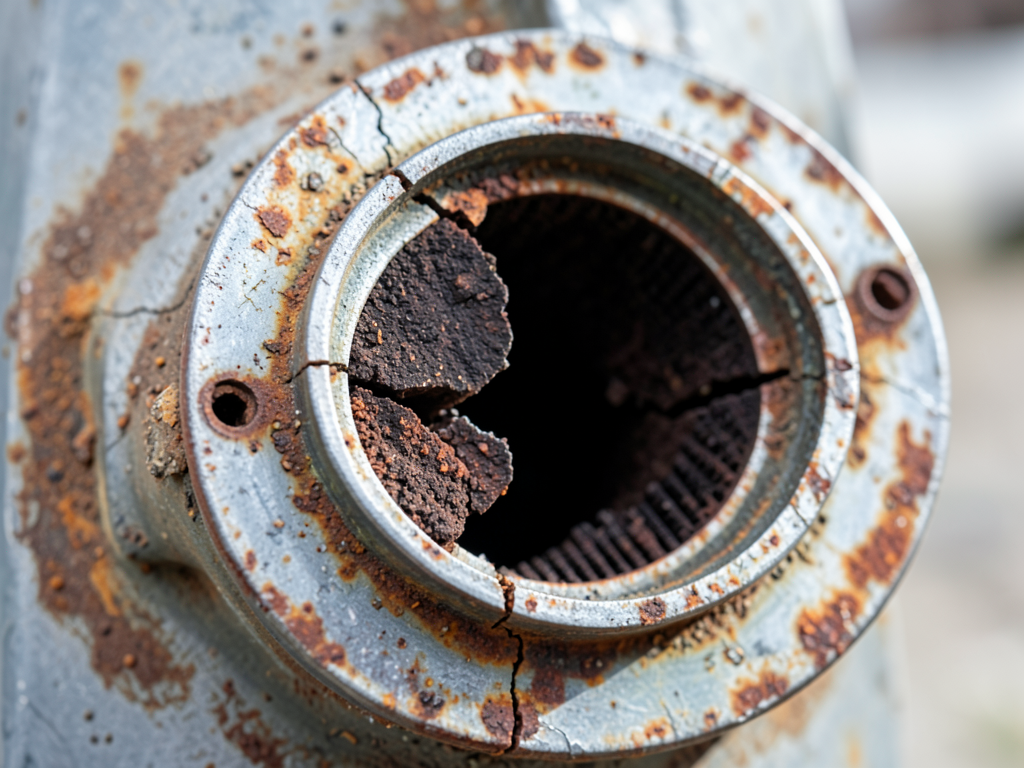
5 Signs Your Overbrook Home Has a Cracked Heat Exchanger (and Why It Matters)
Carbon monoxide poisoning kills over 400 Americans every year, and a cracked heat exchanger is one of the most common sources in Philadelphia homes. Your furnace’s heat exchanger is the metal chamber that separates combustion gases from the air you breathe. When it cracks, deadly carbon monoxide leaks into your living space. EPA Carbon Monoxide Safety Guide.
If you live in Overbrook, your home likely faces unique risks. Many houses here were built between 1920 and 1960 with original heating systems still in service. The combination of Philadelphia’s freeze-thaw cycles and basement moisture creates perfect conditions for heat exchanger failure. HVAC Philadelphia.
1. Yellow or Flickering Burner Flames
Healthy furnace burners produce steady blue flames. When your heat exchanger cracks, it disrupts the air-to-fuel mixture, causing flames to burn yellow, orange, or flicker irregularly. This happens because the crack allows excess air to enter the combustion chamber.. Read more about Why Your Furnace is Leaking Water on Your Oxford Circle Basement Floor.
Stand near your furnace when it starts up. Blue flames should appear immediately and remain steady. Yellow flames that dance or wave indicate incomplete combustion and potential heat exchanger damage. This is especially dangerous in Overbrook’s older homes where basements often have poor ventilation.
2. Soot Buildup Inside Your Furnace
A cracked heat exchanger causes incomplete combustion, producing excess soot. Look for black powdery residue around burner ports, on the heat exchanger itself, or inside the combustion chamber. In severe cases, soot may appear on the floor around your furnace.
Philadelphia’s high humidity accelerates soot accumulation. When moisture mixes with soot, it creates a sticky residue that clings to surfaces. Check your furnace during a maintenance visit. If you see black streaks or powder that wasn’t there before, your heat exchanger may be compromised.
3. Strange Chemical or Formaldehyde Odors
Cracked heat exchangers can release aldehydes and other combustion byproducts that smell like formaldehyde or chemicals. These odors are often described as sharp, pungent, or similar to burning plastic. Unlike natural gas leaks, these smells don’t dissipate quickly.
Overbrook residents often mistake these odors for other household smells. If you notice persistent chemical odors when your furnace runs, especially in winter when windows stay closed, this could indicate heat exchanger failure. The smell intensifies as the furnace heats up and may cause eye irritation or headaches.
4. Carbon Monoxide Detector Alerts
Your carbon monoxide detector is your first line of defense. If it sounds, evacuate immediately and call emergency services. However, many older Philadelphia homes lack CO detectors, and even newer ones may have detectors placed too far from the furnace to detect early leaks. Emergency AC Repair in Fishtown (Fast Service When the Heat Hits).
Install CO detectors within 15 feet of sleeping areas and near your furnace. Test them monthly. If your detector shows readings above 30 ppm, your heat exchanger likely has cracks allowing gas leakage. Philadelphia building code requires CO detectors in all homes, but enforcement varies by neighborhood.
5. Water Around Your Furnace
Excessive condensation around your furnace indicates heat exchanger problems. When cracks develop, combustion gases cool before exiting, creating moisture that condenses on cold surfaces. You might see water pooling on the floor, rust on the furnace cabinet, or moisture on nearby walls.
Overbrook’s clay soil and high water table exacerbate this issue. Water from outside can seep into basements, increasing humidity levels. When combined with a cracked heat exchanger, this creates ideal conditions for rust and corrosion that accelerate heat exchanger failure.
Why Heat Exchangers Crack in Overbrook Homes
Heat exchangers fail due to metal fatigue from repeated heating and cooling cycles. Philadelphia experiences 20-30 freeze-thaw cycles annually, stressing metal components. In Overbrook, where many homes use older atmospheric furnaces, this stress is amplified.
Restricted airflow is another major cause. Dirty filters, blocked vents, or undersized ductwork force furnaces to work harder, creating hot spots that crack heat exchangers. Overbrook’s historic homes often have retrofitted ductwork that restricts airflow, accelerating wear. Weak Airflow from Vents.
High humidity levels in Philadelphia basements also contribute. Moisture accelerates rust formation, weakening metal walls. The International Mechanical Code (IMC) Section 304.6 requires proper venting and combustion air supply, but many older homes don’t meet these standards.
Professional Testing Methods We Use
Visual inspection alone cannot detect all heat exchanger cracks. We use multiple diagnostic tools to ensure your family’s safety. Combustion analysis measures carbon monoxide levels in flue gases. Readings above 100 ppm indicate potential heat exchanger failure.
Infrared cameras reveal temperature variations that indicate cracks or holes. A healthy heat exchanger shows uniform heat distribution. Cold spots or irregular patterns suggest damage. We also use UV dye testing, where fluorescent dye is introduced into the combustion chamber. Under UV light, cracks become visible as bright lines.
Pressure testing involves sealing the heat exchanger and pressurizing it with nitrogen. Pressure drops indicate leaks. This method meets American Society of Heating, Refrigerating and Air-Conditioning Engineers (ASHRAE) Standard 103 testing protocols for furnace safety. ASHRAE Furnace Safety Standards.
Repair vs. Replacement: What Philadelphia Homeowners Need to Know
Cracked heat exchangers cannot be safely repaired. The metal has fatigued and will likely crack again. Replacement is the only safe option. However, the age and efficiency of your furnace determine whether replacement makes economic sense.
Furnaces over 15 years old typically operate at 80% efficiency or less. Modern high-efficiency furnaces achieve 95-98% efficiency, reducing energy costs by 20-30%. In Philadelphia, where heating season runs November through March, these savings add up quickly.
Consider your home’s specific needs. Overbrook’s historic homes may require specialized venting or ductwork modifications. High-efficiency furnaces need PVC venting, which may require wall penetrations in brick construction. These modifications increase installation costs but provide long-term benefits.
Immediate Safety Steps for Overbrook Residents
If you suspect a cracked heat exchanger, take these steps immediately:
- Turn off your furnace at the thermostat
- Evacuate the home if anyone experiences symptoms like headaches, dizziness, or nausea
- Open windows to ventilate the space
- Call (215) 610-9099 for emergency HVAC service
- Contact PGW at 215-235-1212 if you smell natural gas
Never ignore potential heat exchanger problems. Carbon monoxide is odorless and colorless. By the time symptoms appear, exposure may have already occurred. Philadelphia’s building code requires annual furnace inspections, but many homeowners skip this critical safety check.. Read more about Why Gladwyne Homeowners are Moving Toward Dual Fuel Systems for Year Round Comfort.
Prevention Through Regular Maintenance
Annual furnace maintenance prevents heat exchanger failure. During maintenance, we clean burners, check gas pressure, inspect the heat exchanger, and test safety controls. This service typically costs $150-250 but prevents thousands in emergency repairs.
Change your furnace filter every 1-3 months. Restricted airflow is the leading cause of heat exchanger overheating. Use pleated filters with a MERV rating of 8-11 for optimal balance between filtration and airflow. Higher MERV ratings restrict airflow in older systems.
Ensure proper ventilation around your furnace. Keep the area clear of storage items, especially flammable materials. Philadelphia’s building code requires 30 inches of clearance in front of furnaces and 6 inches on sides. Blocked vents cause overheating and premature failure.
Local Philadelphia Resources and Support
Philadelphia Gas Works (PGW) offers safety inspections and can shut off gas service if they detect hazards. Call 215-235-1212 for emergencies. The Philadelphia Department of Licenses and Inspections enforces heating system codes and can require repairs if violations are found.
PECO provides energy efficiency rebates for furnace replacements. High-efficiency models with 95% AFUE or higher may qualify for rebates up to $300. These rebates make upgrading older systems more affordable for Overbrook residents.
The Philadelphia Energy Authority offers low-interest financing for energy-efficient home improvements. This program helps homeowners afford necessary upgrades without large upfront costs. Visit phillyenergy.org for current programs. HVAC Financing & Rebates.
Cost Factors for Heat Exchanger Replacement in Philadelphia
Heat exchanger replacement costs vary based on furnace type, accessibility, and labor requirements. Standard efficiency furnaces cost $3,000-5,000 to replace. High-efficiency models range from $5,000-8,000. These prices include removal of the old unit, installation, and testing.
Historic homes in Overbrook may require additional work. Brick chimneys may need liners for proper venting. Electrical systems might need upgrades to handle new furnace controls. These modifications add $1,000-3,000 to total costs but ensure safe, code-compliant operation.
Emergency service calls during winter cost 25-50% more than scheduled appointments. Planning ahead and scheduling maintenance in fall prevents these premium charges. Philadelphia’s cold winters make emergency service extremely busy, often with 24-48 hour wait times.
Frequently Asked Questions
How long do heat exchangers typically last?
Heat exchangers generally last 15-20 years with proper maintenance. Factors affecting lifespan include maintenance frequency, operating conditions, and manufacturing quality. Philadelphia’s climate and humidity levels can reduce lifespan by 2-5 years compared to drier regions.
Can I continue using my furnace if I suspect a crack?
No. Operating a furnace with a cracked heat exchanger risks carbon monoxide poisoning. Turn off the system immediately and call for professional inspection. The risk increases with each operating cycle as cracks expand from thermal stress.
What are the symptoms of carbon monoxide poisoning?
Early symptoms include headache, dizziness, weakness, upset stomach, vomiting, chest pain, and confusion. These symptoms often mimic flu but affect multiple people simultaneously. If symptoms improve when away from home, carbon monoxide may be the cause.
How can I prevent heat exchanger failure?
Regular maintenance, proper filter changes, and adequate airflow prevent most heat exchanger failures. Annual professional inspections catch problems early. Install carbon monoxide detectors and test them monthly. Address any furnace issues immediately rather than waiting for complete failure.
Take Action Today
Don’t wait for symptoms to appear. Carbon monoxide poisoning can occur before you notice any warning signs. Schedule your furnace inspection now to ensure your family’s safety this winter.
Call (215) 610-9099 today to schedule your comprehensive furnace safety inspection. Our NATE-certified technicians will inspect your heat exchanger, test for carbon monoxide, and ensure your system operates safely and efficiently. Don’t let a cracked heat exchanger put your family at risk.
Pick up the phone and call (215) 610-9099 before the next storm hits. Your family’s safety is worth the call.
{
“@context”: “https://schema.org”,
“@type”: “BlogPosting”,
“headline”: “5 Signs Your Overbrook Home Has a Cracked Heat Exchanger (and Why It Matters)”,
“description”: “Learn the 5 critical signs of a cracked heat exchanger in your Overbrook home. Protect your family from carbon monoxide with expert HVAC diagnosis and repair.”,
“wordCount”: 1672,
“datePublished”: “2026-04-28T07:10:00.000Z”,
“dateModified”: “2026-04-28T07:10:00.000Z”,
“inLanguage”: “en-US”,
“mainEntityOfPage”: {
“@type”: “WebPage”,
“@id”: “https://elitehvacphiladelphia.com”
},
“publisher”: {
“@type”: “LocalBusiness”,
“name”: “Elite HVAC Philadelphia”,
“url”: “https://elitehvacphiladelphia.com”
},
“author”: {
“@type”: “Organization”,
“name”: “Elite HVAC Philadelphia”,
“url”: “https://elitehvacphiladelphia.com”
},
“image”: {
“@type”: “ImageObject”,
“url”: “https://elitehvacphiladelphia.com/wp-content/uploads/2026/03/5-signs-your-overbrook-home-has-a-cracked-heat-exc-1.png”
}
}
{
“@context”: “https://schema.org”,
“@type”: “HVACBusiness”,
“name”: “Elite HVAC Philadelphia”,
“url”: “https://elitehvacphiladelphia.com”,
“address”: {
“@type”: “PostalAddress”,
“addressLocality”: “Philadelphia”
},
“areaServed”: {
“@type”: “City”,
“name”: “Philadelphia”
}
}
{
“@context”: “https://schema.org”,
“@type”: “FAQPage”,
“mainEntity”: [
{
“@type”: “Question”,
“name”: “How long do heat exchangers typically last?”,
“acceptedAnswer”: {
“@type”: “Answer”,
“text”: “Heat exchangers generally last 15-20 years with proper maintenance. Factors affecting lifespan include maintenance frequency, operating conditions, and manufacturing quality. Philadelphia’s climate and humidity levels can reduce lifespan by 2-5 years compared to drier regions.”
}
},
{
“@type”: “Question”,
“name”: “Can I continue using my furnace if I suspect a crack?”,
“acceptedAnswer”: {
“@type”: “Answer”,
“text”: “No. Operating a furnace with a cracked heat exchanger risks carbon monoxide poisoning. Turn off the system immediately and call for professional inspection. The risk increases with each operating cycle as cracks expand from thermal stress.”
}
},
{
“@type”: “Question”,
“name”: “What are the symptoms of carbon monoxide poisoning?”,
“acceptedAnswer”: {
“@type”: “Answer”,
“text”: “Early symptoms include headache, dizziness, weakness, upset stomach, vomiting, chest pain, and confusion. These symptoms often mimic flu but affect multiple people simultaneously. If symptoms improve when away from home, carbon monoxide may be the cause.”
}
},
{
“@type”: “Question”,
“name”: “How can I prevent heat exchanger failure?”,
“acceptedAnswer”: {
“@type”: “Answer”,
“text”: “Regular maintenance, proper filter changes, and adequate airflow prevent most heat exchanger failures. Annual professional inspections catch problems early. Install carbon monoxide detectors and test them monthly. Address any furnace issues immediately rather than waiting for complete failure.”
}
}
]
}
{
“@context”: “https://schema.org”,
“@type”: “BreadcrumbList”,
“itemListElement”: [
{
“@type”: “ListItem”,
“position”: 1,
“name”: “Home”,
“item”: “https://elitehvacphiladelphia.com”
},
{
“@type”: “ListItem”,
“position”: 2,
“name”: “Blog”,
“item”: “https://elitehvacphiladelphia.com/blog”
},
{
“@type”: “ListItem”,
“position”: 3,
“name”: “5 Signs Your Overbrook Home Has a Cracked Heat Exchanger (and Why It Matters)”
}
]
}
{
“@context”: “https://schema.org”,
“@type”: “Service”,
“serviceType”: “HVAC”,
“provider”: {
“@type”: “LocalBusiness”,
“name”: “Elite HVAC Philadelphia”,
“url”: “https://elitehvacphiladelphia.com”
},
“areaServed”: {
“@type”: “City”,
“name”: “Philadelphia”
},
“description”: “Learn the 5 critical signs of a cracked heat exchanger in your Overbrook home. Protect your family from carbon monoxide with expert HVAC diagnosis and repair.”
}